

Merino wool socks excel at temperature control because the fiber naturally regulates moisture and insulates effectively across a wide temperature range, keeping your feet dry and comfortable whether you’re running in winter cold or summer heat. Unlike cotton or synthetic blends that either trap sweat or provide inadequate insulation, merino maintains your skin temperature by wicking moisture away from your foot while the fiber’s structure traps warm air when needed. If you run year-round, switching to merino socks eliminates the need to maintain separate sock drawers for different seasons—a single pair can handle a 40-degree temperature swing from your air-conditioned home to a hot outdoor run.
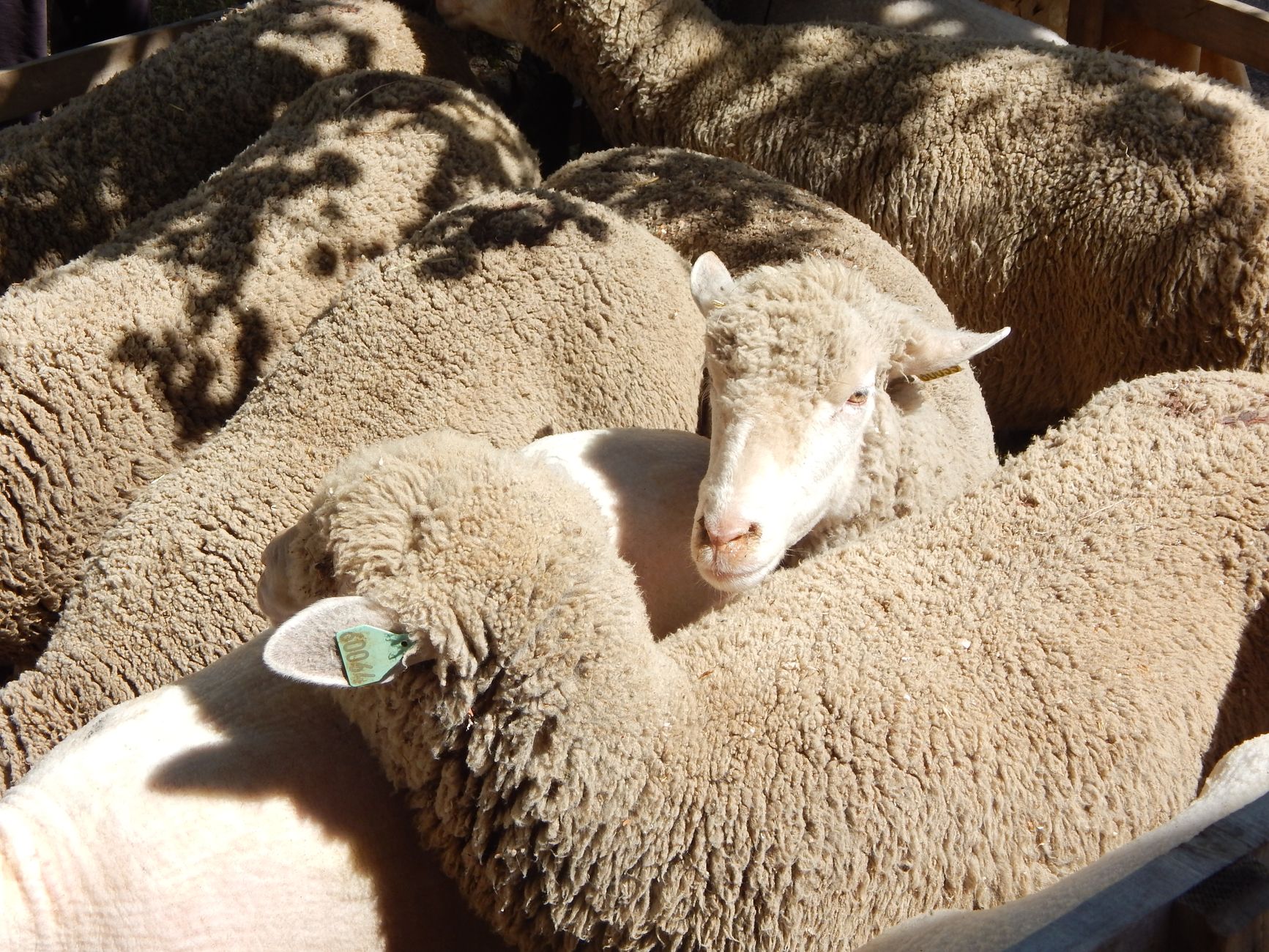
The science behind merino’s temperature regulation comes down to its unique fiber structure. Merino wool is finer than regular wool (about 20 micrometers in diameter), so it doesn’t feel scratchy on your skin. The crimp in the fiber creates tiny air pockets that insulate while remaining breathable, and the protein in wool naturally absorbs and releases moisture without feeling wet.
Table of Contents
- How Do Merino Socks Regulate Temperature Better Than Cotton or Synthetics?
- The Moisture Management Advantage and When It Falls Short
- Temperature Performance Across Different Running Conditions
- Choosing the Right Weight and Thickness for Your Running
- Durability Issues and Merino Limitations
- Comparing Merino Performance to Newer Synthetic Blends
- The Future of Merino Technology in Running
- Conclusion
- Frequently Asked Questions
How Do Merino Socks Regulate Temperature Better Than Cotton or Synthetics?
Merino wool’s moisture-wicking ability is superior to cotton because it can absorb up to 30% of its own weight in moisture while still feeling dry—cotton absorbs moisture too but loses that dry sensation and takes longer to dry. In real terms, if you‘re running a 10-mile route in fall weather and your cotton socks become damp from sweat or light rain, your feet will start cooling rapidly once you slow down or stop. Merino socks in the same conditions pull that moisture away from your skin into the fiber itself, where it evaporates without leaving your feet feeling clammy.
Synthetic blends (polyester and nylon) wick moisture but don’t insulate as well, which means on cold winter runs you may still feel chilled despite dry feet. The insulation comparison matters too. A medium-weight merino sock provides equivalent warmth to a thicker synthetic sock, but weighs less and compresses better in running shoes. This means you get warmth without the bulk that can restrict circulation or cause your shoes to fit too tightly.
The Moisture Management Advantage and When It Falls Short
Merino’s hygroscopic properties—its ability to absorb water and release it as humidity changes—make it far superior for temperature swings. When you start a cool morning run, the merino sock helps trap warmth. As your feet warm up and you begin sweating, merino releases that moisture to evaporate, preventing overheating. However, there’s a real limitation: in extremely wet conditions like puddles or heavy rain, merino can become saturated and take 12-18 hours to fully dry, particularly in a humid climate.
Runners in the Pacific Northwest or similar regions often find that even premium merino socks don’t dry overnight if they get genuinely soaked during a wet run. Another limitation is that merino socks cost significantly more than cotton or basic synthetic options—typically $12-20 per pair compared to $3-5 for cotton. For runners going through multiple pairs per week, this adds up quickly. Additionally, merino requires specific care: machine washing in cold water and air drying to prevent shrinkage, which some runners find inconvenient compared to the durability of synthetic blends.
Temperature Performance Across Different Running Conditions
In cool-weather running (45-60 degrees), merino socks prevent the oscillation between “my feet are cold” and “my feet are clammy” that most runners experience with other materials. A runner doing a 45-degree run in fall weather will notice that merino socks maintain a stable, neutral foot temperature throughout the run and for 30 minutes afterward. The natural lanolin in merino wool (which remains even after processing) provides water-resistant properties that help repel light moisture without creating a plastic-feeling barrier like some technical synthetics.
Summer runs present a different advantage. Because merino actively breathes and releases moisture rather than just moving it away from skin, your feet stay cooler on hot pavement than they would in cotton socks, which trap heat and moisture. A runner doing speed work on an 75-degree day will find their feet significantly less fatigued by the end of the session in merino compared to cotton, partly because the foot is operating at a lower temperature and not working to regulate excessive sweat buildup.

Choosing the Right Weight and Thickness for Your Running
Merino socks come in different weights, and this choice directly impacts temperature control. Ultralight merino socks (designed to be barely-there) work best for spring and fall runs and summer tempo work where you want minimal cushioning and maximum breathability. Midweight merino performs well across the widest temperature range—roughly 35 to 70 degrees—and provides light cushioning for recovery runs.
Heavyweight merino excels in winter (below 35 degrees) but becomes too warm and too cushioned for faster running or summer conditions. The tradeoff is that lighter-weight merino costs less per pair but wears out faster (typically 6-8 months of frequent use), while midweight merino offers better longevity at higher cost. Most runners find that one pair of midweight merino and one pair of ultralight merino covers 90% of their annual temperature range without needing heavy mountain-climbing weight socks.
Durability Issues and Merino Limitations
One underappreciated limitation of merino is its vulnerability to regular washing. The natural oils that make merino breathable degrade with each wash, particularly if you use regular laundry detergent instead of wool-specific soap. After 50-75 washes, many merino socks begin losing their temperature-regulating edge and feel less lively.
High-mileage runners who wash socks after every run may see performance degradation within a year, whereas a runner doing 20 miles per week might get 18-24 months from a pair. Another warning: merino shrinks if exposed to hot water, so a single mistake in the laundry (warm wash instead of cold) can ruin a $15 pair of socks. Additionally, some runners experience itching with merino despite the fine fiber quality, particularly if they have very sensitive skin or if the socks are made with fiber coarser than 20 micrometers.

Comparing Merino Performance to Newer Synthetic Blends
Recent technical synthetic blends (like polypropylene or newer nylon formulations) have narrowed the gap on temperature regulation. High-end synthetic running socks now offer comparable moisture-wicking to merino while maintaining consistent performance through 100+ washes.
The trade-off is that synthetics never quite achieve merino’s natural insulation without adding bulk, and they tend to retain odor more readily even with frequent washing. A runner who has worn merino will notice that synthetic socks require more frequent washing during heavy training blocks. For this reason, serious runners often use merino for longer, cooler-weather runs and reserve high-end synthetics for speed work and hot-weather sessions where the lightest possible feel matters more than durability.
The Future of Merino Technology in Running
Manufacturers are increasingly blending merino with small percentages of synthetic fiber to improve durability while preserving temperature control. These hybrid blends (typically 75-85% merino, 15-25% nylon or polyester) retain 90% of merino’s performance advantages while extending sock life to 100+ washes.
For runners willing to pay $18-22 per pair, these blends represent the current sweet spot. Lab testing and real-world feedback suggest that the next generation of merino socks will address the shrinkage and care concerns through new finishing processes, though this remains an area where improvement is needed.
Conclusion
Merino socks deliver measurable temperature control advantages over cotton and basic synthetics through natural moisture absorption, breathability, and insulation properties that keep your feet at a stable temperature across a 40+ degree range. For runners who value comfort over cost and don’t mind the care requirements, merino or merino-blend socks justify their price through improved performance, reduced blister risk, and the practical benefit of not needing multiple sock types for different seasons.
If you’re considering switching to merino, start with one midweight pair and test it through your current season before building a full rotation. Most runners find that the temperature stability and all-day comfort make merino worth the investment, particularly if you run year-round or through variable weather conditions.
Frequently Asked Questions
Will merino socks keep my feet warm enough for winter running below freezing?
Midweight merino is suitable down to about 20 degrees with appropriate insulation in your shoes. Below that, you need heavyweight merino or a wool blend specifically designed for extreme cold. Regular merino socks won’t provide enough insulation for serious winter running in northern climates without additional foot protection.
How often should I wash merino socks?
Merino naturally resists odor due to its antimicrobial properties, so you can wear a pair 2-3 times before washing if you air-dry between runs. This extends sock life by reducing wash frequency. Always use cold water and wool-specific detergent to preserve the fiber’s properties.
Do merino socks work for marathon training?
Yes, many distance runners prefer merino for long training runs and race day specifically because the consistent moisture management prevents hot spots and blisters during 2-3 hour efforts. They’re particularly valuable for runners prone to foot blisters on extended mileage.
Are expensive merino blends worth the premium over regular merino?
Merino-synthetic blends (80% merino, 20% nylon) typically cost $3-5 more per pair but last 30-50% longer through more frequent washing. If you run 4+ times per week, the durability advantage usually justifies the cost within a year.
Can I use merino socks for trails or technical running?
Merino socks work well for trail running where temperature swings and variable conditions are common. However, for highly technical terrain with sharp rocks or burrs, you may prefer socks with additional reinforcement in the toe box and heel, which merino socks sometimes lack.
What happens if I accidentally wash merino socks in warm water?
They’ll likely shrink noticeably, potentially becoming too small to wear. This is essentially irreversible. Some runners have had marginal success with a wool-stretching product designed for sweaters, but most accept the loss. Always wash in cold water to avoid this.
1 thought on “Merino Socks for Temperature Control”
Comments are closed.