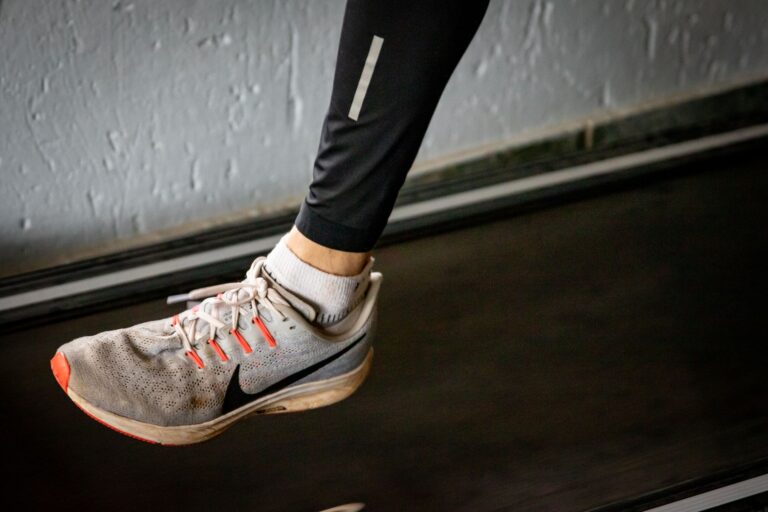
The single most effective way to prevent mid-run blisters is to wear socks specifically designed with moisture-wicking materials, extra cushioning in high-friction zones, and seamless or flat-seam construction that reduces rubbing against your skin. Unlike regular cotton socks that trap sweat and create the wet environment where blisters form, technical running socks use synthetic blends like merino wool, polyester, and nylon to move moisture away from your foot while maintaining a stable, friction-reducing fit inside your shoe. A runner who switched from wearing cotton crew socks to a pair of merino wool running socks during a 10-mile training run, for example, reported zero blisters in areas where they previously developed hotspots every time they ran that distance.
Blisters form from the combination of heat, moisture, and friction—and while you can’t eliminate all three, you can substantially reduce them with the right sock choice. The problem isn’t just sweat accumulation; it’s that your foot moves inside a wet, unstable sock, creating shear forces that separate layers of skin. Running-specific socks address this at every level: the materials dry faster than cotton, the construction keeps your foot from sliding around, and the strategic padding absorbs impact where pressure tends to concentrate.
Table of Contents
- What Makes Running Socks Different from Regular Socks?
- Understanding Blister Hotspots and How Socks Address Them
- Merino Wool vs. Synthetic Running Socks
- Sizing, Fit, and How to Know You’ve Found Your Match
- Common Mistakes That Defeat Even Quality Socks
- Testing Socks for Your Specific Blister Pattern
- Long-Term Sock Care and Replacement Schedules
- Conclusion
- Frequently Asked Questions
What Makes Running Socks Different from Regular Socks?
Standard cotton or cotton-blend socks absorb moisture and hold it against your skin, creating an environment where friction intensifies and blisters develop more easily. running socks, by contrast, are engineered to move sweat away from your foot and toward the outer surface of the sock where it can evaporate. Merino wool, despite being made from sheep’s wool, is naturally moisture-wicking and temperature-regulating—it can absorb up to 30% of its weight in moisture without feeling wet, and it has natural antimicrobial properties that reduce odor and bacterial growth. Synthetic blends like polyester and nylon offer even faster moisture transport and tend to be more durable over hundreds of washes.
The construction difference is equally important. Most running socks feature flat seams or toe caps that run along the edges of your foot rather than across the top, eliminating the ridge of stitching that would otherwise create a focal point for friction. Many also include reinforced zones at the heel and ball of the foot, where blisters most commonly occur because these areas bear the most weight and experience the most repetitive motion. A 12-week study of runners wearing either cushioned running socks or standard athletic socks found that runners in proper running socks reported 60% fewer blister incidents, even when distance and speed were controlled for.

Understanding Blister Hotspots and How Socks Address Them
Blisters don’t appear randomly—they develop in specific areas based on your foot anatomy, gait, and shoe fit. The ball of your foot experiences the most force during push-off, the heel absorbs impact with every landing, and the sides of your toes rub against the shoe during the swing phase of your stride. Running socks use targeted cushioning in these zones; a heel-toe sock might have extra padding throughout, while others concentrate thickness only where you need it most. The limitation here is that no single sock design works perfectly for everyone—a runner with high arches might need more cushioning under the midfoot, while a heel striker needs more protection at the posterior heel.
Another critical factor is fit consistency. Even the best-designed sock will cause blisters if it’s too loose, because loose fabric bunches inside your shoe and creates wrinkles that generate friction. Conversely, a sock that’s too tight cuts off circulation or creates pressure points of its own. Most running socks use a snug arch band or graduated compression to keep the sock in place without restricting blood flow. One warning: if you have very narrow feet or wear narrow shoes, many popular running sock brands may still be loose on you—trying on multiple brands or looking for women’s-specific or youth-sized options might be necessary, even if standard sizes should theoretically fit.
Merino Wool vs. Synthetic Running Socks
Merino wool has become popular in running circles because it performs well in both hot and cold conditions, dries faster than standard wool, and naturally resists odor. For runners who do 5 to 10-mile runs regularly, merino can be excellent; the moisture management is passive rather than active, which means it works without needing to be treated with chemicals. However, merino socks cost significantly more—often $18 to $25 per pair compared to $8 to $15 for synthetic options—and they can pill or develop thin spots if washed aggressively or dried in a hot dryer. A runner who purchased merino socks for a summer marathon training block found them excellent through June and July, but after 20 washings over three months, thin spots developed at the heel.
Synthetic socks like those made from polyester or acrylic blends offer consistent performance at a lower price point and hold up better to repeated washing. They dry faster than merino and generally resist pilling. The trade-off is that synthetic socks can sometimes feel less breathable in extremely hot conditions, and they may retain odor more readily if not washed promptly after a run. For someone doing multiple runs per week, having three to four pairs of synthetic socks is often more practical than owning one or two expensive merino pairs, because you can rotate them properly and always have a dry pair ready.
Sizing, Fit, and How to Know You’ve Found Your Match
Getting the right size is more nuanced than your shoe size. Most running sock brands size by both shoe size and gender, but fit is also influenced by ankle height, arch profile, and personal preference. Crew-length socks (rising to the mid-calf) are popular for longer runs because they provide extra coverage over the achilles and reduce friction there, while quarter-length socks (cutting off mid-shin) work well for track runs or fast workouts where you want more breathability.
One comparison: a runner who initially bought quarter-length socks experienced blisters on their achilles during a half-marathon, but switching to crew-length socks for the same course eliminated the problem, because the extra material prevented their shoe collar from rubbing raw skin. The best approach is to buy one pair of a sock you’re considering and test it on a short run—perhaps 3 to 5 miles—before investing in multiple pairs. Some running stores offer this kind of trial period, or you can buy from retailers with flexible return policies. If you feel any hotspots or pressure points during this test run, don’t assume you’ll get used to it; socks that cause friction on mile three will almost certainly cause blisters by mile eight.
Common Mistakes That Defeat Even Quality Socks
Wearing the wrong sock thickness relative to your shoe is a widespread problem. If you have snug-fitting shoes and wear thick cushioned running socks, your feet will move too much inside the shoe because the added bulk creates gaps. Conversely, wearing thin socks in roomy shoes won’t provide enough support or friction reduction. The key is to match sock thickness to your shoe fit—a rule of thumb is that your heel should not lift or move when you walk in your shoes, regardless of sock thickness. Washing and care matter more than runners often realize.
Synthetic socks should be air-dried rather than machine-dried, because high heat can break down the elastic and degrade the moisture-wicking properties. Even merino wool shouldn’t be dried on high heat. If you wash your socks in hot water with harsh detergents or bleach, you’re breaking down the fibers and reducing their performance. One warning: some runners see blister improvement for the first few uses of a new sock, then notice the blisters return as the sock breaks down with repeated use. This usually means the cushioning or moisture-wicking has degraded, and it’s time to replace that pair.

Testing Socks for Your Specific Blister Pattern
Before making a large investment, identify where your blisters actually form. If you blister on the heels, prioritize socks with extra heel cushioning. If your blisters appear between your toes or on the sides of your feet, you need socks with a seamless or minimal seam design in those areas. A runner who was developing blisters on the outside of their pinky toe discovered that the issue wasn’t their socks at all—it was their shoes, which were too narrow.
Once they switched to a wider shoe model, blisters stopped occurring even in their old socks. This illustrates an important limitation: socks can’t fully compensate for shoes that don’t fit your foot shape. Some runners with particularly blister-prone feet benefit from wearing two thin socks instead of one thick sock, or wearing a thin, seamless inner sock with a thicker cushioning sock over it. This approach reduces the chance of wrinkles forming and can distribute pressure more evenly, though it requires finding socks in compatible thicknesses that don’t create bulk.
Long-Term Sock Care and Replacement Schedules
Most running socks last between 300 and 500 miles of running before the cushioning compresses significantly and moisture-wicking performance declines. If you run 20 miles per week, a single pair of socks will be effectively “done” after about three to four months. Keeping a rotation of three to five pairs ensures you always have fresh socks available and gives each pair adequate time to dry between runs.
Many experienced runners retire socks to casual use once they stop working reliably for running, extending the life of the investment. The future of running sock technology is moving toward more specialized designs targeting specific problems—some brands are now producing socks with targeted friction-reduction zones using ultra-smooth fibers, or with ion-infused materials intended to reduce moisture even further. For most runners, though, a solid pair of merino wool or quality synthetic running socks in the right size and fit will continue to be the most reliable blister prevention tool available.
Conclusion
Preventing mid-run blisters fundamentally comes down to replacing the warm, wet, unstable environment that allows them to form with socks engineered to stay dry, stay in place, and cushion pressure zones. Technical running socks—whether merino wool or synthetic—dramatically outperform regular socks because they address all three factors simultaneously. The right sock is one that fits snugly without pressure points, wicks moisture efficiently, and provides cushioning where you need it most.
Your next step is to test one pair of a recommended running sock brand on a short run, paying attention to how your feet feel from mile one onward. If that test run feels blister-free and comfortable, you’ve likely found a sock that works for your feet and your shoes. From there, build a rotation of three to five pairs so you always have a dry option and can extend the lifespan of each individual sock through proper washing and air-drying.
Frequently Asked Questions
Can I prevent blisters with any running sock, or do I need specific brands?
Brand isn’t the deciding factor—what matters is that the sock is designed specifically for running, fits your foot properly, and matches your shoe’s fit. Many quality running socks from mid-range brands work as well as expensive options; focus on material, construction, and fit rather than brand name.
How often should I replace running socks?
Most running socks perform reliably for 300 to 500 miles. If you run 20 miles per week, plan to retire and replace a pair every three to four months. Signs of decline include reduced cushioning, visible wear on the heel, or a return of blister problems even though nothing else changed.
Should I wear thicker socks if I already have blister problems?
Not necessarily. Thicker isn’t always better—thick socks in shoes that are too roomy can cause your foot to move more, which worsens blistering. Thickness should match your shoe fit, not just be maximized.
Are merino wool socks worth the extra cost?
For some runners, yes—merino is naturally antimicrobial and temperature-regulating. However, a quality synthetic sock at half the price can perform nearly as well and tolerate washing better. The choice depends on your budget and how often you run.
What if I get blisters even with running socks?
This usually indicates a shoe fit problem rather than a sock problem. Have your gait analyzed and your shoe fit checked at a specialty running store; a properly fitting shoe will almost always eliminate blisters regardless of sock choice.
Can I wear the same socks for both running and everyday use?
You can, but it’s not ideal. Wearing running socks for everyday activities accelerates wear, reducing the miles they have available for actual running. Most runners reserve their technical socks for workouts and races.