Running with arthritis is possible—but it requires adjusting your approach to protect your joints while keeping your aerobic fitness intact. The best running tips for people with arthritis focus on impact reduction, gradual progression, and listening to pain signals. A person with mild knee osteoarthritis, for example, might find that alternating between running and walking (a method called run-walk-run) keeps them mobile and active without triggering joint flare-ups.
Arthritis is not a reason to quit running entirely. Many runners develop arthritis over time, and others have it before they start. The key difference between runners who continue successfully and those who stop is how they modify their training. Instead of speed and distance, the priority shifts to consistency, form, and recovery.
Table of Contents
- How Does Arthritis Affect Running Performance and Joint Health?
- Why Impact Reduction Matters More Than Speed or Distance
- Building a Sustainable Running Routine That Doesn’t Trigger Flare-Ups
- Cross-Training and Strength Work to Support Joint Stability
- Managing Pain, Inflammation, and the Challenge of Distinguishing Good Pain from Bad Pain
- Seasonal and Long-Term Adaptations for Arthritis Runners
- When to Rest and How to Stay Active During Recovery Periods
How Does Arthritis Affect Running Performance and Joint Health?
Arthritis involves inflammation and degeneration of joint cartilage. When you run, your joints absorb forces that can range from 2 to 3 times your body weight. For someone with rheumatoid arthritis or osteoarthritis, this repeated impact may increase pain and stiffness. The impact itself doesn’t cause arthritis—most research shows that moderate running doesn’t accelerate joint deterioration in people who already have it, and can sometimes help by strengthening the muscles that support joints. The relationship between running and arthritis depends on the type.
Osteoarthritis, where cartilage wears down over time, responds differently than rheumatoid arthritis, an autoimmune condition that causes inflammation. A runner with osteoarthritis in the knee might find that shorter, slower runs feel manageable, while someone with rheumatoid arthritis might need to time runs around medication schedules or periods of lower inflammation. The point is not to eliminate running, but to structure it around how your specific condition behaves. One limitation is that individual responses vary widely. Two runners with identical arthritis diagnoses may experience completely different outcomes with the same training approach. This is why self-monitoring and adjusting based on how your body responds is essential rather than following a rigid plan.
Why Impact Reduction Matters More Than Speed or Distance
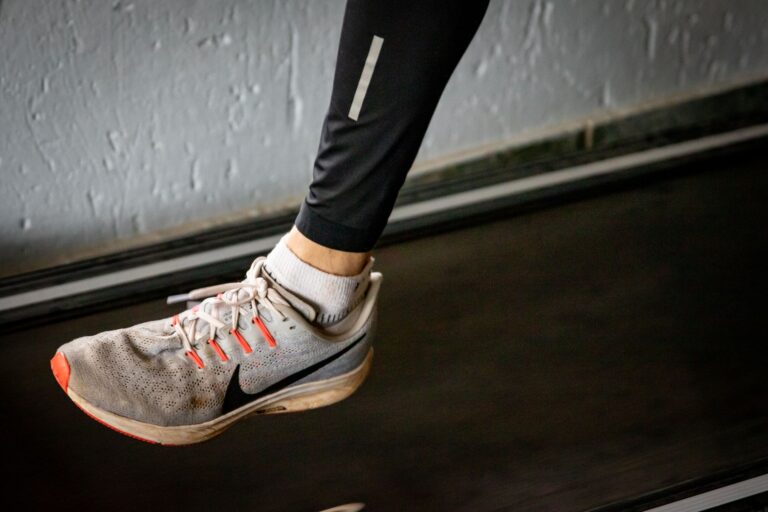
high-impact running surfaces and high-impact running styles (landing hard on your heels) put extra stress on arthritic joints. Switching to lower-impact surfaces—trails, tracks, or treadmills with cushioning—can reduce pain without sacrificing the cardiovascular benefits. A 45-year-old runner with hip arthritis, for instance, might find that treadmill running feels manageable even though road running causes days of soreness afterward. The cushioning of a treadmill absorbs some of the shock before it reaches your joints, whereas concrete and asphalt offer no give. This doesn’t mean treadmill running is the only option—many people with arthritis run successfully on trails, which offer natural cushioning through softer ground.
The warning here is that softer surfaces can also be unpredictable, and ankle or knee instability can worsen arthritis symptoms. Trial and error with different surfaces is necessary to find what works for your body. Upgrading your running shoes to ones designed for your foot strike and arch type also reduces impact stress. A gait analysis at a specialty running store can reveal whether you overpronate or supinate, which affects how forces travel through your knees and hips. Some runners see significant pain reduction after switching shoes, while others find that form changes (shorter stride, midfoot landing) matter more than footwear alone.
Building a Sustainable Running Routine That Doesn’t Trigger Flare-Ups
The run-walk approach is one of the most practical strategies for people with arthritis. This involves alternating periods of running with periods of walking within a single workout. You might run for 2 minutes, walk for 1 minute, and repeat for 30 minutes total. Over weeks and months, you gradually extend the running intervals and shorten the walking intervals. This approach allows joint tissues to recover during the walk phases while still building aerobic capacity. Consistency matters more than intensity.
Running three times a week for 20 minutes each is less likely to trigger flare-ups than running once a week for an hour. Your joints adapt better to regular, moderate stress than to sporadic, intense stress. A specific example: a 52-year-old runner with ankle arthritis who switched from running long distances twice a month to short runs three times a week reported fewer flare-ups and better overall joint function within two months. Starting very slowly is critical. If you haven’t run recently or are newly diagnosed with arthritis, beginning with a 10-minute walk-run (alternating 1 minute of walking and 30 seconds of running) for twice a week gives your joints time to adapt without overwhelming them. Increasing duration or frequency by no more than 10 percent per week is a safe progression guideline.
Cross-Training and Strength Work to Support Joint Stability
Running alone doesn’t strengthen all the muscles that support your joints. Incorporating strength training and cross-training reduces the load that arthritis-affected joints must bear during running. Swimming, cycling, and elliptical training provide cardiovascular benefits with lower joint stress than running. A common tradeoff is that while cycling builds leg strength, it doesn’t fully replicate the biomechanics of running, so runners who want to maintain running ability should still run, just less frequently. Strength work targeting hip, glute, and core muscles is particularly valuable. Strong hip stabilizers reduce excessive knee motion and stress on cartilage.
A study of runners with knee arthritis found that those who added twice-weekly hip strengthening exercises reported less pain during runs than those who ran without supplementary strength work. Simple exercises like single-leg bridges, lateral band walks, and clamshells can be done at home with minimal equipment. Flexibility and mobility work also matter, though not in the way many runners assume. Static stretching before running doesn’t prevent arthritis pain and may temporarily weaken muscles. Dynamic stretching and mobility drills before running—such as leg swings or walking lunges—prepare joints better. After running, when muscles are warm, static stretching helps maintain range of motion without compromising stability.
Managing Pain, Inflammation, and the Challenge of Distinguishing Good Pain from Bad Pain
Not all pain during or after running is a sign you should stop. Muscle soreness from new activity is different from joint pain. Joint pain during running often feels sharp, localized, and worsens as you continue. Muscle soreness usually feels dull and widespread, peaks around 24 to 48 hours after activity, and improves with movement. Understanding this distinction prevents unnecessary stopping and unnecessary continued running through actual joint damage. A limitation of self-diagnosis is that some joint pain is subtle and doesn’t feel obviously “bad.” A swelling that appears 2 to 3 hours after a run might indicate you pushed too hard, even if the run felt fine.
Keeping a simple log—noting run duration, how you felt during it, and any pain or swelling afterward—helps identify patterns. If a certain distance or pace consistently triggers pain 24 hours later, that’s feedback to reduce that stress level. Anti-inflammatory strategies can support your running but aren’t replacements for proper training structure. Icing after runs (15 to 20 minutes) can reduce inflammation-related pain. Some runners benefit from taking ibuprofen or naproxen before known challenging runs, though regular use of NSAIDs carries its own risks and should be discussed with a doctor. Heat before running can loosen stiff joints, while ice after running can reduce swelling.
Seasonal and Long-Term Adaptations for Arthritis Runners
Arthritis symptoms often worsen in cold weather, when barometric pressure drops, or when joints are stiffer from inactivity. Many runners with arthritis find that an extended warm-up is essential in winter. Spending 10 minutes on a treadmill or doing dynamic stretching indoors before heading outside prevents the sharp pain that comes from exposing cold-stiff joints to running stress. Some runners wear compression sleeves or braces on affected joints, which provides both physical support and a psychological reminder to run conservatively.
Over years, as arthritis may progress, your running may need to shift further. A runner who ran 15-20 miles per week in their 40s might find that 5-10 miles per week is sustainable in their 60s or beyond. This isn’t failure—it’s adaptation. The goal changes from racing or high mileage to maintaining mobility and cardiovascular health.
When to Rest and How to Stay Active During Recovery Periods
A flare-up in arthritis—increased pain, swelling, or stiffness lasting more than a few days—is a signal to reduce running volume and intensity, not necessarily to stop entirely. During a flare, you might shift from running to walking, or from running three times a week to once a week. Continuing some movement, even if gentler, maintains cardiovascular fitness and prevents deconditioning, which actually makes arthritis worse over time by reducing joint stability.
Complete rest for weeks is rarely necessary. A runner who experienced knee swelling after a long run might return to easy run-walk sessions within a few days rather than taking weeks off. The distinction is between pushing through pain (bad) and maintaining gentle movement (often good). A 58-year-old runner with osteoarthritis in both knees who took two weeks completely off reported worse stiffness upon return than when she took only two days off and substituted walking for her runs.