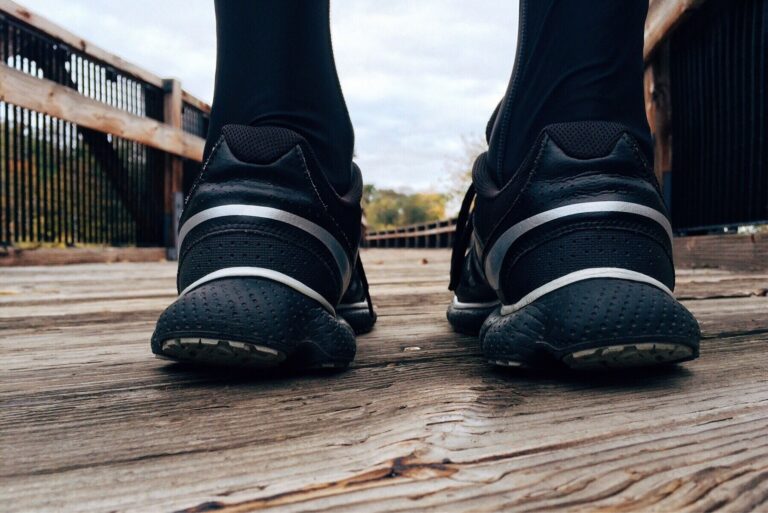
Seamless socks are specifically designed without traditional toe seams and overlap points that can create friction and blister formation during extended running efforts. Unlike conventional socks where seams run across the toe box or pile up at the heel, seamless construction keeps these potential irritation points flat and minimal, which becomes critical when you’re running 10+ miles where any source of rubbing can turn into a painful blister. A runner attempting a half marathon or ultra-distance event who switches to seamless socks often reports noticeably fewer hotspots and blisters, especially around the toes and ball of the foot where seams traditionally cause the most problems.
The difference between seamless and traditional socks becomes most apparent during efforts that last longer than 90 minutes. Your feet are swelling slightly from increased blood flow, skin is softening from moisture and friction, and any pressure point that was merely uncomfortable at mile one becomes a genuine problem by mile eight. Seamless construction removes one of the most preventable sources of running injuries, which is why they’ve become standard for anyone serious about distance running.
Table of Contents
- Why Seam Placement Matters During Long Running Efforts
- Flat-Knit Technology and Construction Methods
- Material Selection for Long-Distance Comfort
- Finding the Right Fit for Your Foot Shape
- Common Problems and How Seamless Socks Address Them
- Transitioning to Seamless Socks for Training
- The Future of Sock Technology for Distance Running
- Conclusion
- Frequently Asked Questions
Why Seam Placement Matters During Long Running Efforts
The traditional sock seam across the toe box creates a pressure ridge that directly contacts your toes with every step. During a short 3-mile run, this might cause minimal irritation. During a 13-mile effort, that repeated friction compounds into inflammation and eventually a blister. The problem intensifies because running shoes compress your foot, and as your feet swell during a long run, that seam gets pressed more firmly against your skin with nowhere to give. Seamless construction achieves this through knitting techniques that eliminate the overlapping edges found in standard socks. Instead of a flat-felled seam or a traditional toe closure, seamless socks use a whip stitch or similar minimal edge that sits flush against your skin.
For comparison, imagine the difference between a seam pressing into your arm for an hour versus smooth fabric. One causes visible irritation; the other you forget about entirely. The warning here is important: “seamless” marketing can be misleading. Some socks claim to be seamless but still have visible seams in the heel or arch areas. True seamless socks have minimal to no seams anywhere in the foot, which is what matters for long efforts. Check product descriptions carefully and look at user reviews mentioning actual blister experience rather than trusting the word alone.
Flat-Knit Technology and Construction Methods
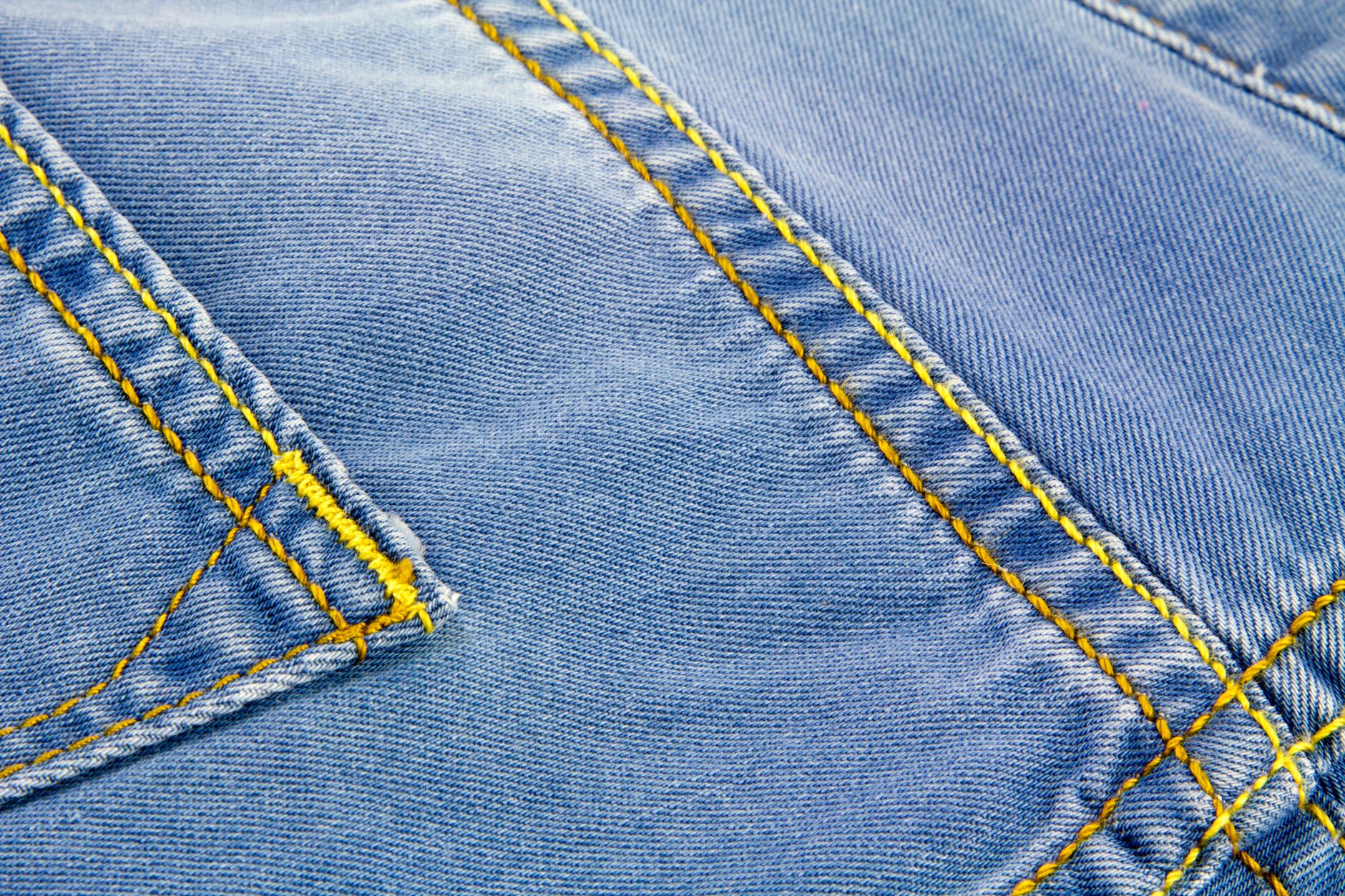
Most quality seamless running socks use flat-knit or seamless-knit technology, where the entire sock is created as one continuous piece rather than being stitched together from multiple pieces. This manufacturing process requires more sophisticated equipment and precise machine calibration, which is why seamless socks typically cost more than traditional options. A good seamless sock might run $12-18 per pair compared to $6-10 for conventional socks, but the blister prevention often justifies the investment for anyone running beyond 10 miles regularly. The construction method affects how well the sock maintains its shape and cushioning after repeated washing and wearing. Some seamless socks use a technique where the knit is tighter and denser, providing better structure and durability.
Others use a more open knit with strategic areas of padding. For long-distance running, you want the sock to maintain its shape so seams don’t develop secondary pressure points as the sock stretches and relaxes over the course of multiple miles and multiple washes. A limitation of seamless construction is that it can sometimes feel different from what runners are accustomed to. The material distribution across the sole may feel less padded in certain areas compared to traditional socks, or the calf fit might feel slightly less snug. Additionally, seamless socks with minimal heel padding won’t provide the extra cushioning that some runners prefer for ultra-distance efforts. You may need to experiment with different brands and styles rather than assuming your first seamless sock will be perfect.
Material Selection for Long-Distance Comfort
The material composition matters as much as the seamless construction when running long distances. Merino wool blends remain the gold standard for many distance runners because they regulate temperature better, manage moisture more efficiently, and naturally resist odor buildup. On a 15-mile run where your feet are inside shoes for three hours, a wool blend keeps your skin drier than synthetic blends alone, which reduces the maceration and softening that makes blisters more likely. Synthetic materials like nylon and polyester offer different benefits. They dry faster than wool, which some runners prefer in humid climates or for trail running where wet conditions are likely.
Polyester blends tend to be more affordable than wool options while still offering decent moisture management. A common example: a runner in Arizona training for a desert trail race might prefer a synthetic seamless sock, while the same runner living in the Pacific Northwest might choose a wool blend seamless sock. The material choice should match both your climate and your skin’s response to moisture. The warning about material selection is that some synthetic blends retain moisture longer than advertised, particularly cheaper options made from 100% polyester. During a long run, your feet have nowhere to dry out, and moisture trapped against your skin accelerates friction and blister formation. Look for blends that include at least 20% natural fiber (wool or bamboo) if you’re prone to blisters, or choose high-quality synthetic blends specifically engineered for moisture-wicking rather than simply moisture-absorption.
Finding the Right Fit for Your Foot Shape
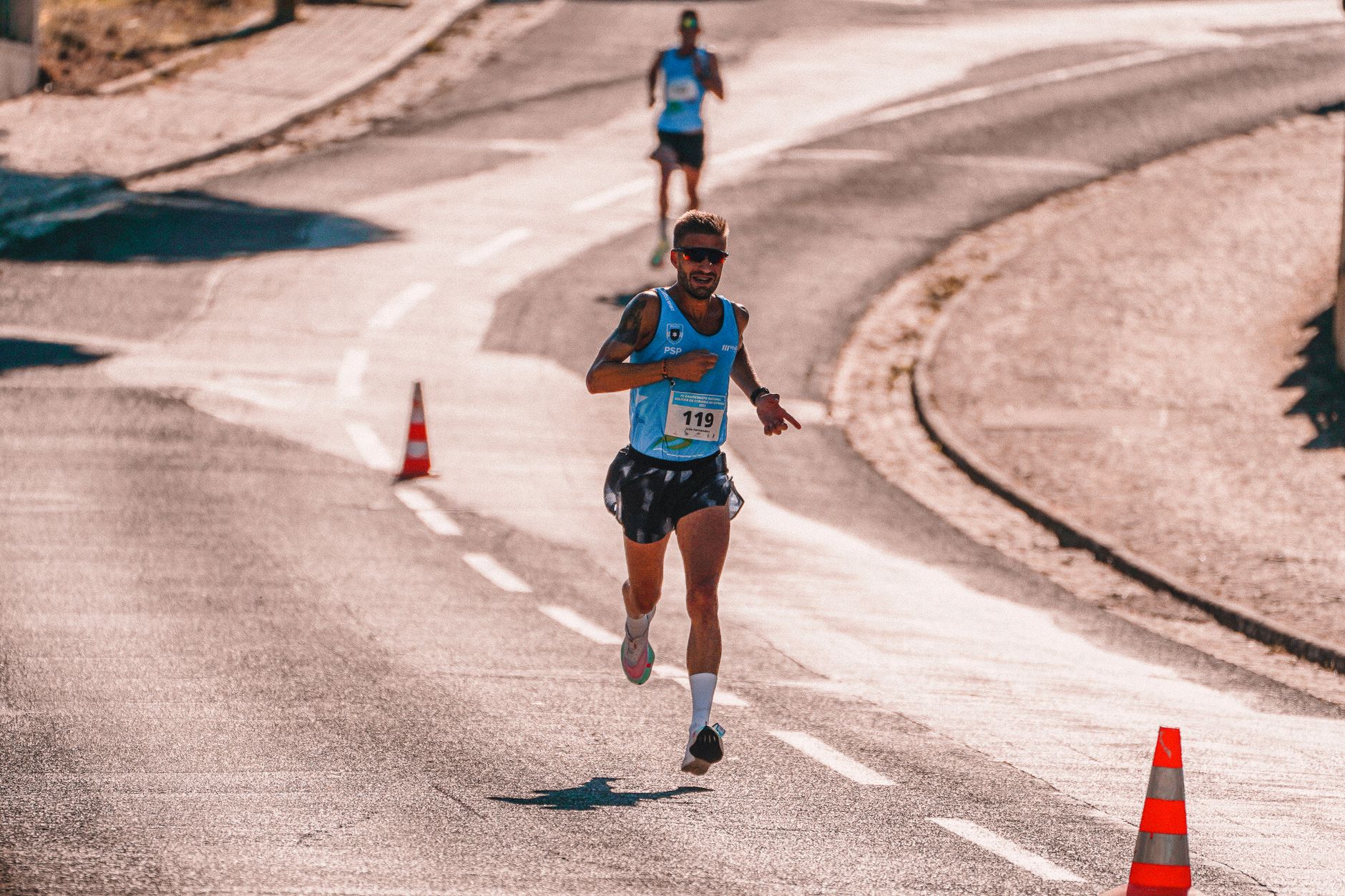
Getting proper fit matters more than most runners realize when choosing seamless socks. Even seamless construction won’t prevent blisters if the sock is too loose and bunches up inside your shoe, or so tight it restricts circulation. Your socks should feel snug without binding, with the heel sitting securely in place and no excess fabric at the toe box. For long efforts, you want consistent contact between foot and sock throughout the entire run without pressure points. The process of finding your right fit involves trying on socks with the shoes you’ll actually wear for your long efforts, ideally with any inserts or custom orthotics you use. Some runners go up a half-size in socks compared to their street shoe size to account for running shoe fit and foot swelling.
Others find that their normal sock size feels right because running shoes already have more internal volume than casual shoes. There’s no universal rule—the comparison is between testing multiple options versus guessing. Buying a single pair of new seamless socks to test before committing to several pairs for your training is money well spent. The tradeoff is between perfect fit and practical convenience. Ordering many different seamless socks in slightly different sizes and styles until you find the ideal one requires time and potentially returning unused socks. Taking the shortcut of just buying whatever your running buddy recommends might save time but risks poor fit. For long-distance running where blisters can derail your race or training, the more thorough testing approach pays off.
Common Problems and How Seamless Socks Address Them
The most common complaint from runners using traditional socks during long efforts is blister formation on the second or third toe, which corresponds exactly to where standard sock seams sit across the toe box. Switching to seamless socks eliminates this specific pressure point for most runners. However, seamless socks don’t prevent all blister causes—poor shoe fit, friction from wrinkled insoles, or excessive toe motion inside loose shoes can still create problems regardless of sock seam placement. Another issue runners encounter is heat buildup in the forefoot during long efforts, particularly when using thick-padded seamless socks. The padding that provides comfort during a half marathon can create a pressure cooker effect during a trail marathon where your foot is working hard for hours. Some runners solve this by choosing lightweight seamless socks for ultra-distance events despite losing some cushioning.
The warning here: don’t assume that thicker always means better for long efforts. Test your sock choice in training runs of similar duration to your goal race, not just in shorter efforts. Heel slippage is another sneaky problem that seamless socks can introduce if they’re not engineered correctly. A seamless heel still needs a secure fit that prevents your heel from sliding forward with each step. This is where the quality of the flat-knit matters—a poorly constructed seamless sock might have loose material in the heel area that shifts around during long runs. Read reviews specifically mentioning heel security and look for options with reinforced heel areas if you’ve had slippage problems in the past.
Transitioning to Seamless Socks for Training
When switching from traditional to seamless socks for the first time, don’t use them for your long run immediately. Introduce them during shorter runs or your easy-day efforts to see how your feet respond. Your skin has adapted to whatever sock type you’ve been using, and the pressure distribution changes when you switch to seamless construction. Some runners experience excellent results from day one, while others need a brief adjustment period of a few runs before the benefits become obvious.
Keep your old traditional socks on hand during the transition period so you can compare the blister-formation patterns. If you do develop a blister in a new seamless sock but not in your old socks, the issue might be fit or material rather than the seamless construction itself. Track which socks were used for which runs, and note when and where any blister hotspots develop. This data helps you identify whether the specific brand, size, or material of seamless sock works for your feet.
The Future of Sock Technology for Distance Running
Seamless sock technology has steadily improved over the past decade as more manufacturers enter the space and running-specific research advances. The next evolution includes anatomical designs where the knit pattern actually varies across different areas of the foot—thicker padding under the ball of the foot, thinner material at the arch, and strategic moisture-wicking placement at high-sweat zones. These refinements offer the benefit of seamless construction with increasingly sophisticated cushioning that adapts to where your foot actually needs support and where it needs breathability.
The outlook for distance runners is that seamless socks will continue becoming the norm rather than the premium option. As manufacturing processes improve and competition increases, prices are gradually declining while quality remains stable. For anyone planning to run distances of 10 miles or longer with any regularity, switching to seamless socks represents one of the simplest and most effective injury-prevention steps available.
Conclusion
Seamless socks address one of the most persistent problems in distance running—blister formation caused by seam friction—through construction methods that eliminate or minimize pressure points across the foot. For any run lasting longer than 90 minutes, the difference between a seamed and seamless sock becomes noticeable, and for race distances like half marathons or ultramarathons, that difference becomes critical. The investment in quality seamless socks is minimal compared to the derailment caused by a blister on race day or during key training runs.
Your next step is to identify which seamless sock option fits your climate, foot shape, and budget, then test them during shorter training runs before using them for your most important efforts. Pay attention to blister patterns and comfort cues during these test runs, and don’t hesitate to try different brands or styles until you find the option that works for your feet. The combination of seamless construction with the right material and fit provides the foundation for comfortable long-distance running.
Frequently Asked Questions
Are seamless socks worth the extra cost?
Yes, for any running effort longer than 10 miles. The blister prevention alone justifies the higher price, especially when you factor in the physical impact and lost training time from a damaged foot. One blister that sidelines you for a week costs more than a season’s worth of quality seamless socks.
Can I use regular athletic socks if I’m just running 5K?
For shorter distances under one hour, traditional socks are usually fine. Seamless socks become critical once your run duration extends beyond 90 minutes, when foot swelling and friction compounds enough to cause problems. Most runners starting distance training should make the transition to seamless options rather than waiting for blister pain to convince them.
How do I know if a sock is truly seamless?
Check for seams across the toe box specifically, and look at the heel and arch areas as well. Seamless socks should have visible stitching only at the cuff or minimal whip stitches that sit nearly flush with the fabric. Read reviews mentioning actual blister experience with those socks rather than trusting marketing language alone. When in doubt, return socks that have problematic seams rather than trying to make them work through your long runs.
Should I buy seamless socks in my normal shoe size?
Sock size depends on your running shoe fit and individual foot shape, not necessarily your street shoe size. Larger feet or wider feet might need the next size up to prevent binding, while some runners go up a half-size to account for the swelling that happens during long efforts. Try socks on with the actual running shoes you’ll race in whenever possible.