
Trail Running vs Treadmill for Joint Health as You Age

Compare treadmill joint loading with trail risks to protect aging knees without giving up running.
Compare treadmill joint loading with trail risks to protect aging knees without giving up running.
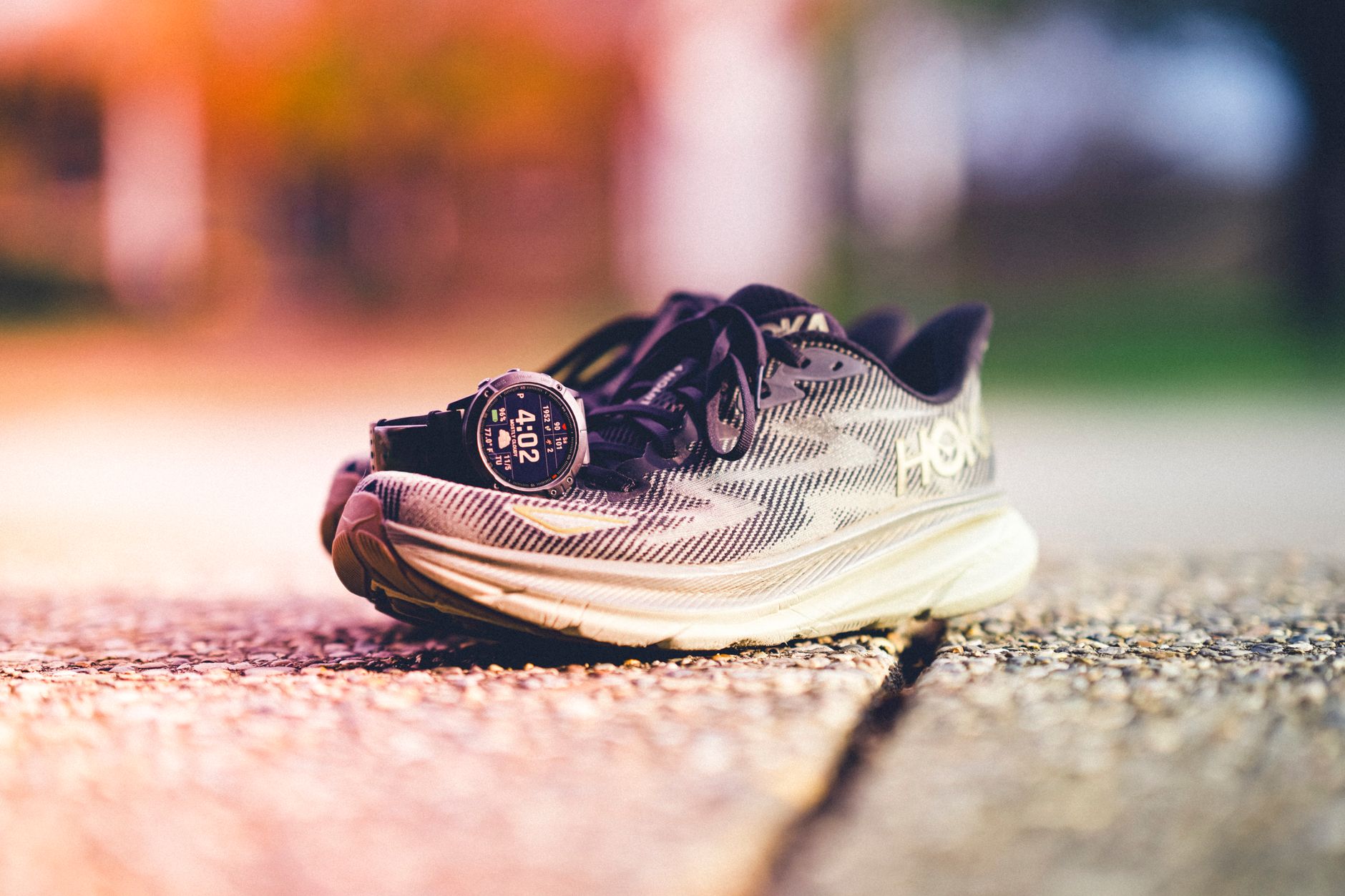
Use Forerunner VO2 max, heart-rate, and recovery trends to protect steady aerobic training for years.
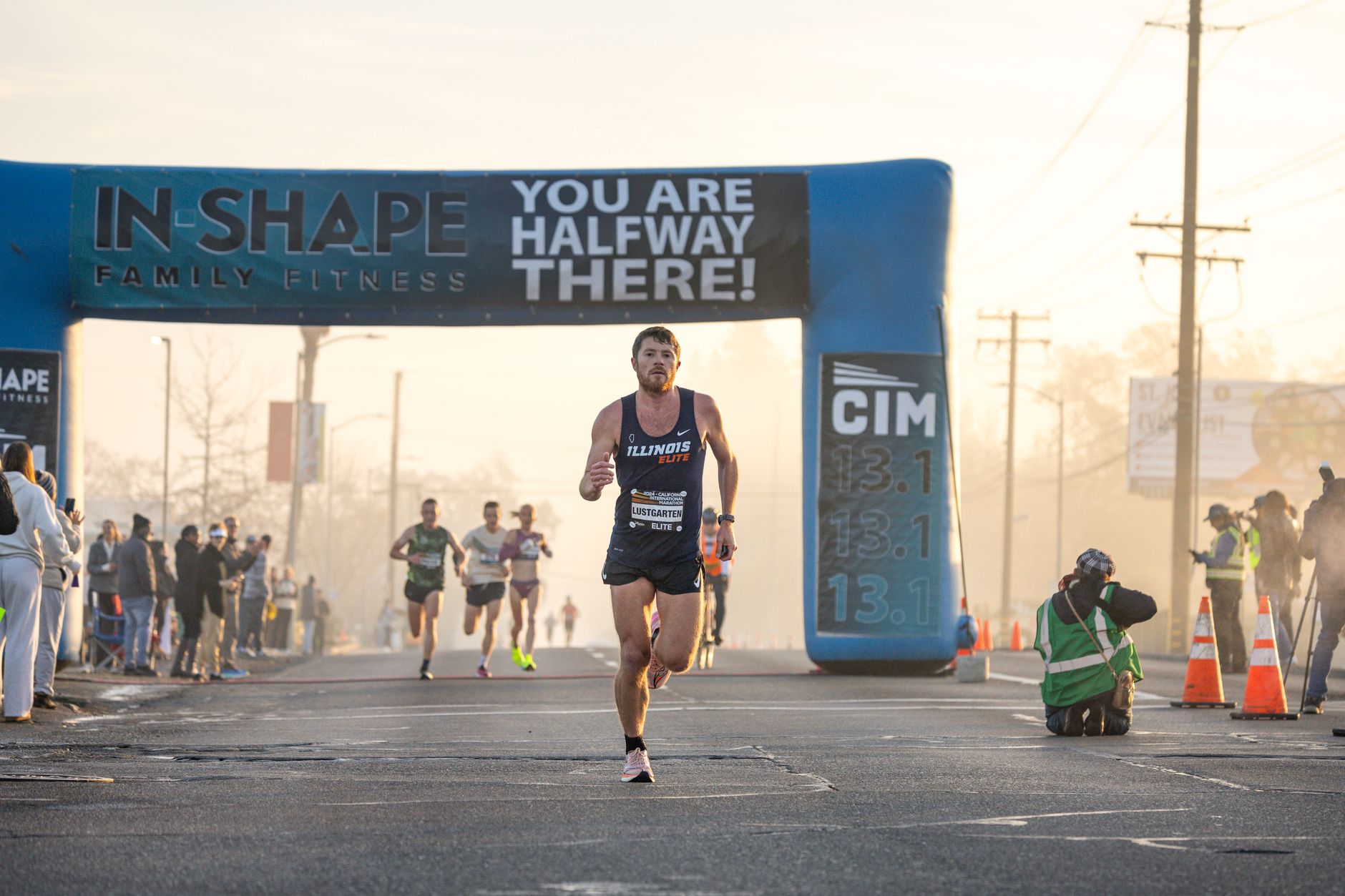
Learn the small weekly mileage linked to living longer and how to split it into easy runs.

Take 5% quicker steps at the same pace to cut knee and hip impact and extend your comfortable distance.

Find the 30-40mm stable trainer setup that protects joints and keeps marathon training steady after 50.

See how little running links to lower death risk and how to fit short runs into your week.

Many people with low bone density can keep running, but fracture history and fall risk change the answer. Here is what the guidelines say about impact, strength, balance and spine safety.

Usual walking speed, timed over a few meters, is linked with survival in large studies of adults 65 and older. Here is how it is measured, the cut-points researchers use, and what the number cannot tell you.
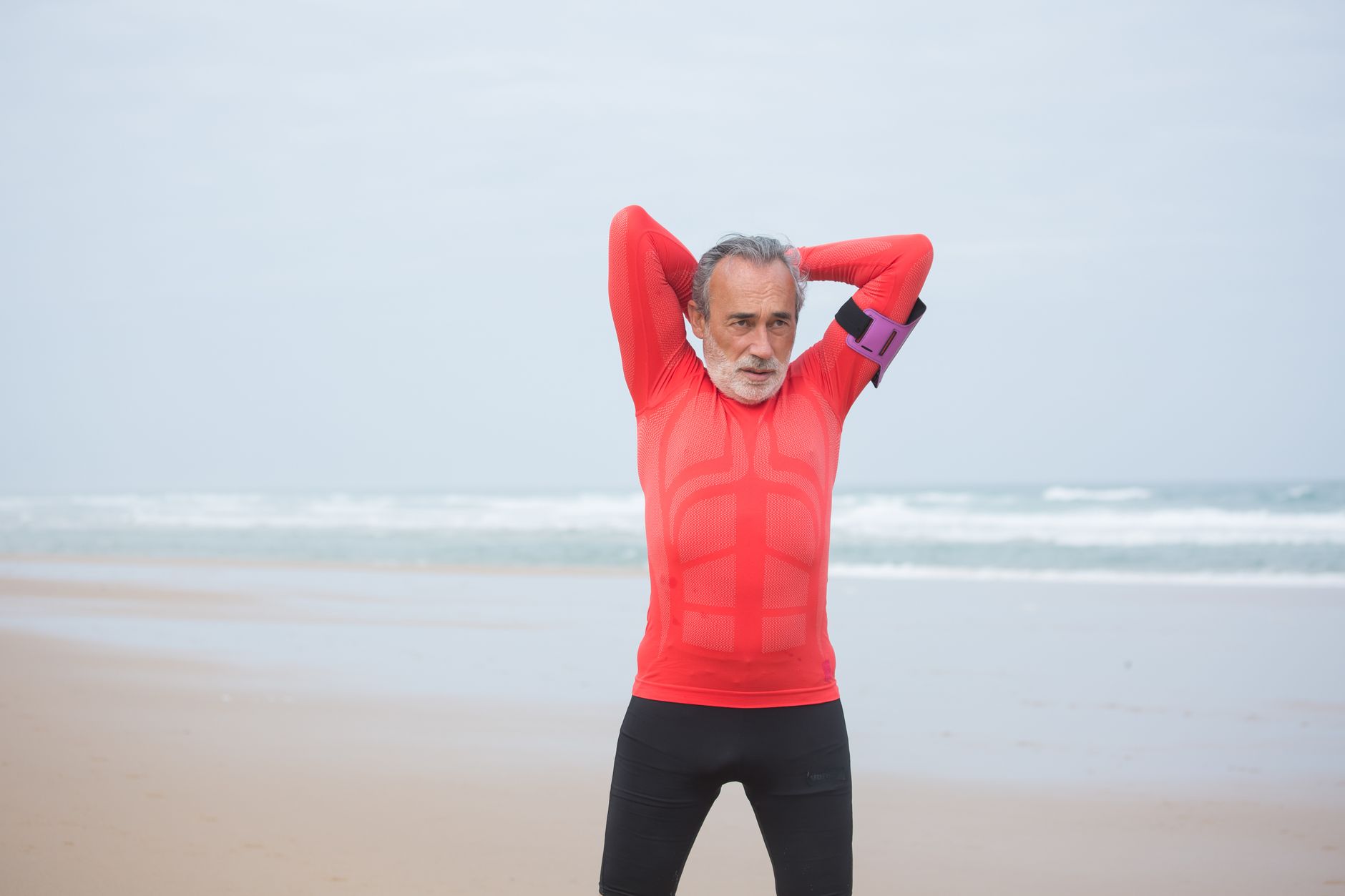
See how little running extends life, where extra speed stops helping, and what weekly mix protects runners.
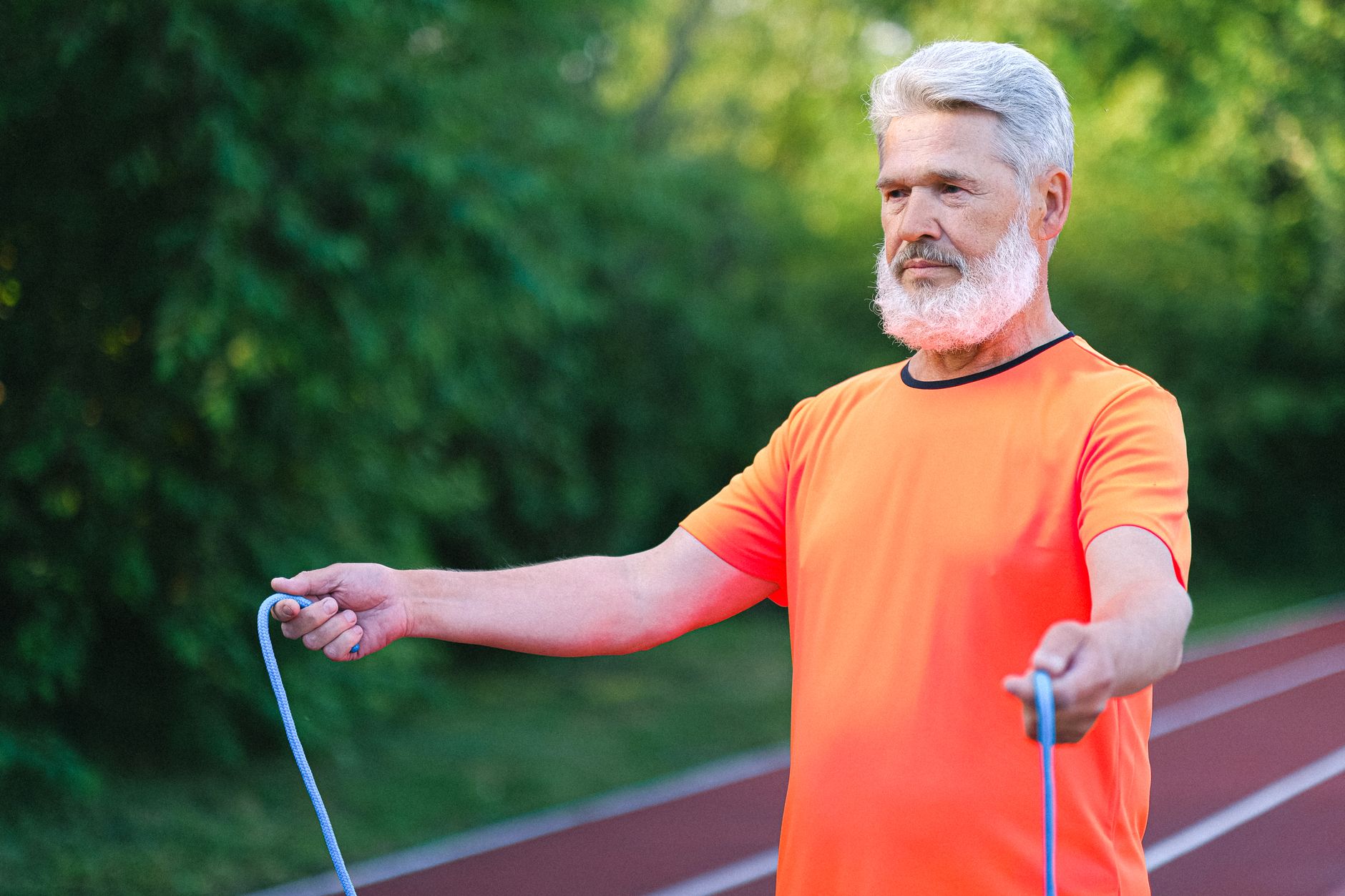
Learn target ranges for ApoB, A1c, and hs-CRP and how runners can test without false alarms.