Yes, you can run with arthritis. The key is starting slowly, choosing low-impact running methods, and listening to your body’s signals. Many runners with osteoarthritis or rheumatoid arthritis successfully maintain regular running routines by modifying their approach—using proper footwear, adjusting pace and distance, and incorporating adequate recovery time between sessions. Sarah, a 52-year-old with mild osteoarthritis in her knees, began running by alternating walk-run intervals three times per week.
After six weeks, she was able to run for 15 minutes continuously at a comfortable pace. Her experience shows that arthritis doesn’t eliminate running as an option, but it does require intentional planning and patience. Running with arthritis works differently than running without it. Joint inflammation typically worsens with high-impact activity, so the strategy involves building tolerance gradually rather than pushing through pain. Your joints need time to adapt to new stress, and skipping this adaptation phase increases injury risk.
Table of Contents
- Can Running Actually Be Safe With Arthritis?
- Choosing the Right Running Surface for Arthritic Joints
- How Much Rest and Recovery Do Arthritic Joints Need?
- Getting Started With a Safe Running Plan
- Footwear, Orthotics, and Other Equipment Considerations
- Understanding When Rest Days Are Non-Negotiable
- Strengthening the Muscles That Protect Arthritic Joints
Can Running Actually Be Safe With Arthritis?
running puts three to five times your body weight through your joints with each stride, which makes this question legitimate. However, research from the Arthritis Foundation and multiple orthopedic studies shows that moderate running does not accelerate joint damage in people with arthritis—provided they follow a structured progression. The distinction matters: uncontrolled running with poor form can aggravate arthritis, but controlled running with proper technique protects joints. The difference lies in how you distribute impact. A 180-pound person running at 10 minutes per mile applies roughly 540 to 900 pounds of force through each knee with every footfall. Walking applies 1.2 times body weight—significantly less.
By combining walking and running intervals initially, you reduce cumulative impact while building the muscular support needed to stabilize joints. Someone with moderate arthritis might run for two minutes, walk for three minutes, and repeat this cycle five times in a 25-minute session. Timing matters, too. Morning stiffness in arthritis can last 30 minutes to an hour after waking. Running after this period—say, late morning or afternoon—often feels easier because synovial fluid has already mobilized in the joint, providing better lubrication and cushioning. Running immediately after waking produces more discomfort and higher injury risk.
Choosing the Right Running Surface for Arthritic Joints
running surfaces range dramatically in their impact absorption. Concrete sidewalks transmit nearly 100% of the impact force directly to your joints. Asphalt reduces this by about 20%. Treadmills with modern cushioning absorb 40% of impact. Soft trails with packed earth or mulch reduce impact by 50% or more. For someone with arthritis, surface choice directly affects how your knees, hips, and ankles feel during and after running. Most runners with arthritis benefit from starting on treadmills or tracks.
A treadmill belt compresses slightly with each footfall, absorbing energy that concrete cannot. Outdoor track surfaces vary—synthetic rubber tracks perform better than asphalt. The limitation here is practical accessibility; not everyone has consistent access to a well-maintained track or treadmill. If you’re running outdoors on sidewalks, you’ll need to run shorter distances or use walk-run intervals more conservatively than someone with access to softer surfaces. Grass and trail running offer excellent cushioning but introduce new problems. Uneven terrain requires more active joint stabilization, which can fatigue muscles around the joint faster than controlled surfaces. A trail with hidden roots or rocks can cause ankle rolls or knee tracking issues that aggravate arthritis. If trail running appeals to you, start with well-maintained, flat trails and progress to more technical terrain only after your joints have adapted for several weeks.
How Much Rest and Recovery Do Arthritic Joints Need?
A runner without arthritis might tolerate running five days per week without issues. Someone with arthritis typically needs at least one or two full rest days weekly, often more during the first month. Your body is not just adapting to running impact; it’s managing an inflammatory condition while adding new stress. These processes compete for your healing resources. Between running sessions, perform active recovery activities that don’t aggravate joints. Swimming, cycling on a stationary bike, or gentle yoga keep your body moving without the impact stress of running.
A 30-minute swim between running days improves cardiovascular fitness and strengthens muscles around arthritic joints without applying impact. This cross-training approach maintains fitness gains while allowing joints to recover from running-specific stress. Anti-inflammatory response varies by individual and by arthritis type. Someone with rheumatoid arthritis might experience joint inflammation that peaks 6 to 12 hours after running, while osteoarthritis inflammation may build more gradually over several days. If you notice swelling or increased stiffness three days after a run, your recovery interval is too short. Many runners with arthritis find that two days between running sessions works better than three running days weekly.
Getting Started With a Safe Running Plan
Begin with a 12-week progression that prioritizes consistency over distance. Week one involves three sessions of walk-run intervals: three minutes walking, one minute running, repeated six times. This exposes your joints to running impact in manageable doses. Most people complete this week without increased pain, which signals that the intensity is appropriate. Each week, increase the running intervals by one minute while decreasing the walking intervals by one minute. By week four, you’re running four minutes and walking two minutes in each cycle.
By week eight, you’re running 10 minutes continuously with walking breaks as needed. This gradual approach allows muscles to strengthen and synovial fluid production to increase alongside joint adaptation. Someone who skips this progression—someone who runs 20 or 30 minutes continuously in week two—risks inflammatory flare-ups that set back progress by weeks. Track how you feel 24 and 48 hours after each session. Pain that returns to baseline within a few hours is acceptable. Pain that persists or worsens over the following day signals that you pushed too hard and need to reduce either duration or intensity at the next session. Soreness is normal; joint pain that feels sharp or localized is a warning signal to back off.
Footwear, Orthotics, and Other Equipment Considerations
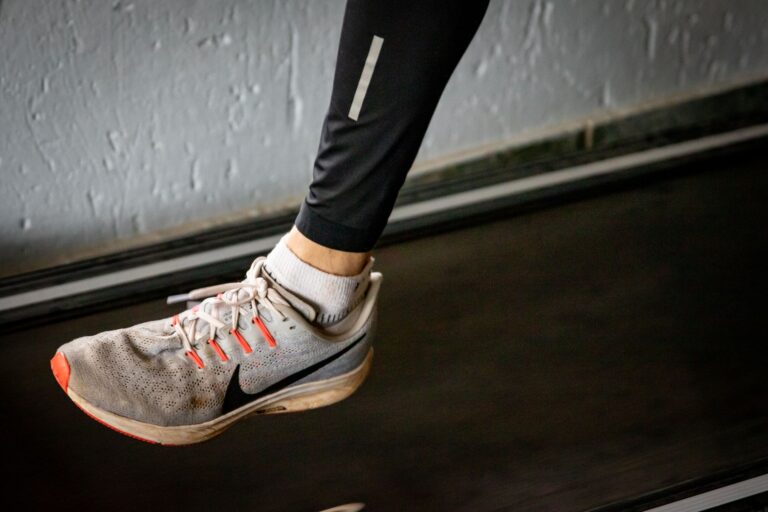
Running shoes designed for stability and cushioning reduce impact stress compared to regular athletic shoes. Shoes with medial posts (extra support on the inner foot) help control pronation, which affects how force travels through the knee and hip. For arthritis, shoes with moderate cushioning in the heel and forefoot absorb impact better than minimalist shoes, which transmit more direct force to joints. Many runners with arthritis benefit from custom orthotics or over-the-counter inserts that control foot motion and alignment. Flat feet or high arches both change how impact forces travel through the kinetic chain.
An orthotic that aligns your foot properly can reduce compensatory stress on an arthritic knee by 10 to 20%, which compounds significantly over thousands of footfalls. The limitation is cost—custom orthotics range from $300 to $800, while over-the-counter options cost $50 to $150 and work adequately for many people. Compression sleeves around the knee or ankle provide proprioceptive feedback that helps your nervous system coordinate muscle activation more effectively. They do not reduce impact directly, but they can reduce pain perception and improve stability, which some runners find psychologically and physically beneficial. Others find compression sleeves uncomfortable or unnecessary. Try before committing to regular use.
Understanding When Rest Days Are Non-Negotiable
Inflammatory flares happen. A flare might last a few days or a week, depending on your arthritis type and what triggered it. When a flare occurs, skip running entirely until inflammation subsides. Returning to running during a flare dramatically extends recovery time and can cause lasting joint irritation. One runner with rheumatoid arthritis kept pushing through a flare, running 20 minutes twice weekly, and ended up needing four weeks of complete rest instead of the three days a proper rest would have required.
Modify your rest-day activities when a flare starts. Move from running or cross-training to gentle walking or complete rest. Ice your joints for 15 minutes after a flare-triggered rest day to manage inflammation. Some people find over-the-counter nonsteroidal anti-inflammatories helpful; others don’t. Talk with your rheumatologist or physician about what anti-inflammatory strategy works best for your specific condition.
Strengthening the Muscles That Protect Arthritic Joints
Quadriceps strength directly reduces stress on the knee during running. Stronger quads stabilize the kneecap and distribute impact force more evenly across the joint surface. Two-minute wall sits, bodyweight squats, and step-ups strengthen quads without impact stress. Dedicating 10 minutes three times per week to strength work reduces running-related knee pain by 20 to 30% in many runners with arthritis.
Hip and glute strength matters equally. Weak hip muscles force the knee to work harder to stabilize the pelvis during running, increasing compensatory stress. Clamshells, side-lying leg raises, and lateral band walks target hip abductors. A runner who incorporates hip strengthening for six weeks typically notices reduced knee pain during running and fewer rest days required between sessions. The strengthening work prevents compensation patterns that accelerate arthritis progression in other joints.