
Training for Runners August 2026 Update: What Changed, Why It Matters, and What to Watch Next
Use August's runner research to protect training continuity, question injury alerts, and set a realistic health baseline.

Use August's runner research to protect training continuity, question injury alerts, and set a realistic health baseline.

See what the Wegovy label, exercise evidence, REDs risk, and compounding proposal mean for runners.
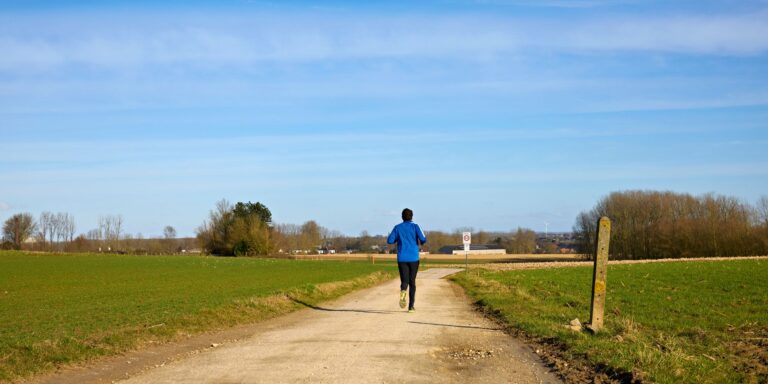
Balance running, workload, sleep, strength, heat, air quality, and warning signs with this practical longevity guide.

Use training targets, recovery checks, injury warnings, and environmental rules to make safer running decisions.

Use sleep targets, nap evidence, workout-timing limits, and warning signs to make better running decisions.
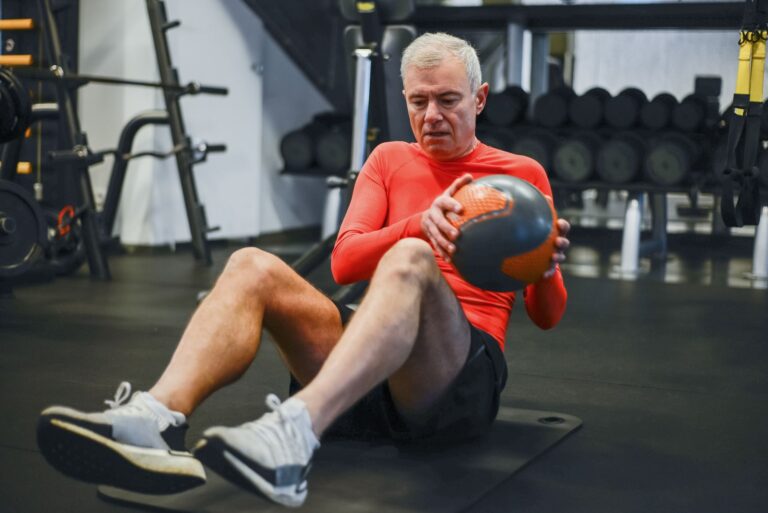
Learn what new runner-longevity evidence supports, what it cannot prove, and how to make safer training and race choices.

Use August's evidence to judge injury alerts, recovery, glucose monitoring, and weather-related race risks.

Use sleep, soreness, fatigue, travel, and warning signs to make safer day-to-day running decisions.
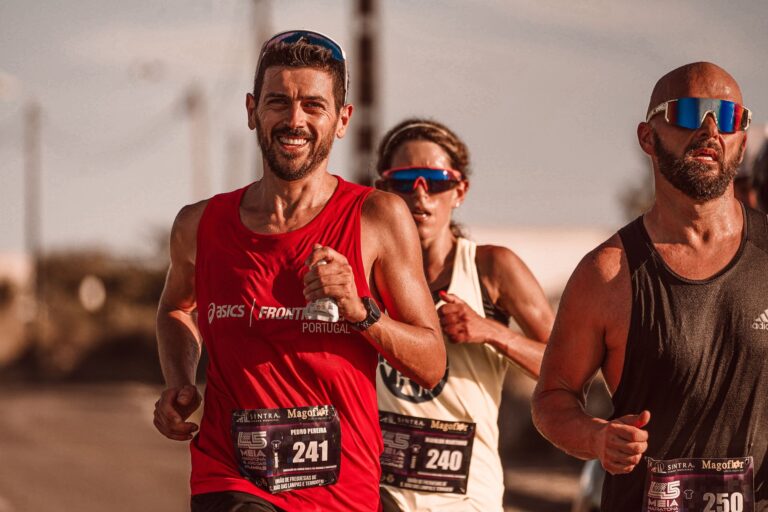
See what 2026 longevity research changes for runners, where evidence is limited, and how to adjust training safely.

Use 2026 evidence to judge runner wearables, injury apps, recovery choices, illness data, heat, and air quality.

Learn which 2026 sleep findings matter for injury awareness, ultra recovery, tracking, travel, and race-week decisions.

New studies clarify how lost sleep affects endurance, mechanics, attention, and injury risk—and where uncertainty remains.