
Healthy 80-year-olds share a handful of non-negotiable habits: they move their bodies consistently, maintain active social circles, sleep well, eat relatively simple diets, and engage their minds regularly. These patterns aren’t dramatic or trendy. They’re mundane and unglamorous—which is precisely why they work. Take Robert, who is 84 and still runs three miles twice a week.
He attributes this not to exceptional genetics, but to forty years of showing up for his runs, dinner with friends every Thursday, and refusing to retire completely from his architectural consulting work. The science backs this up. Longitudinal studies of centenarians and healthy octogenarians reveal surprisingly consistent commonalities that transcend nationality, wealth, and starting fitness levels. What separates people who reach 80 and remain vibrant from those who don’t isn’t one single factor, but rather a clustering of practices that reinforce each other. The encouraging news: these practices are available to anyone willing to start, regardless of current age or condition.
Table of Contents
- How Do Active Octogenarians Maintain Physical Fitness?
- The Social Connection That Healthy 80-Year-Olds Cannot Live Without
- Mental Engagement and Cognitive Reserve in Aging Well
- Sleep Quality and Consistency as a Foundation
- Diet Patterns That Support Longevity
- Medical Engagement and Health Awareness
- Resilience, Adaptability, and Attitude
- Conclusion
- Frequently Asked Questions
How Do Active Octogenarians Maintain Physical Fitness?
Physical activity stands as the single strongest predictor of healthy aging. Healthy 80-year-olds rarely sit for more than an hour at a time, and most engage in some form of structured exercise three to five times per week. This doesn’t mean running marathons. It means walking, swimming, cycling, strength training, or a combination of these—performed consistently over decades. The consistency matters more than intensity.
Someone who walks briskly for thirty minutes most days will be in better shape at 80 than someone who ran hard for five years and then stopped. The practical threshold is surprisingly modest. Research on the Blue Zones—regions where people live longest and healthiest—shows that healthy elders average about three to four hours of moderate daily activity, much of it incidental (gardening, shopping, climbing stairs) rather than formal exercise. However, there’s a critical distinction: those who maintain muscle mass and cardiovascular fitness typically add intentional strength training at least twice per week. A warning here: starting a vigorous exercise program without medical clearance can be risky for someone who has been sedentary for years. A baseline checkup is necessary before ramping up intensity.
The Social Connection That Healthy 80-Year-Olds Cannot Live Without
Isolation is a silent killer for older adults. Healthy octogenarians maintain robust social networks—not through social media, but through regular in-person contact with family, friends, and community members. They attend clubs, volunteer, participate in group activities, or maintain consistent dinner plans with friends. These aren’t occasional interactions; they’re woven into the weekly rhythm of life. Studies show that socially isolated older adults have mortality rates comparable to smoking fifteen cigarettes a day. The mechanism is both biological and psychological.
Social engagement reduces inflammation markers in the blood, improves immune function, and provides motivation to maintain other healthy behaviors. It also offers purpose and accountability. When you have a walking group meeting every Tuesday, or grandchildren expecting your help on Saturdays, you’re more likely to stay active and engaged. One limitation to keep in mind: forced social engagement doesn’t provide the same benefit as genuine connection. An 80-year-old who dreads family dinners won’t receive the same protective effects as one who genuinely looks forward to them. Quality of relationships often matters more than quantity.
Mental Engagement and Cognitive Reserve in Aging Well
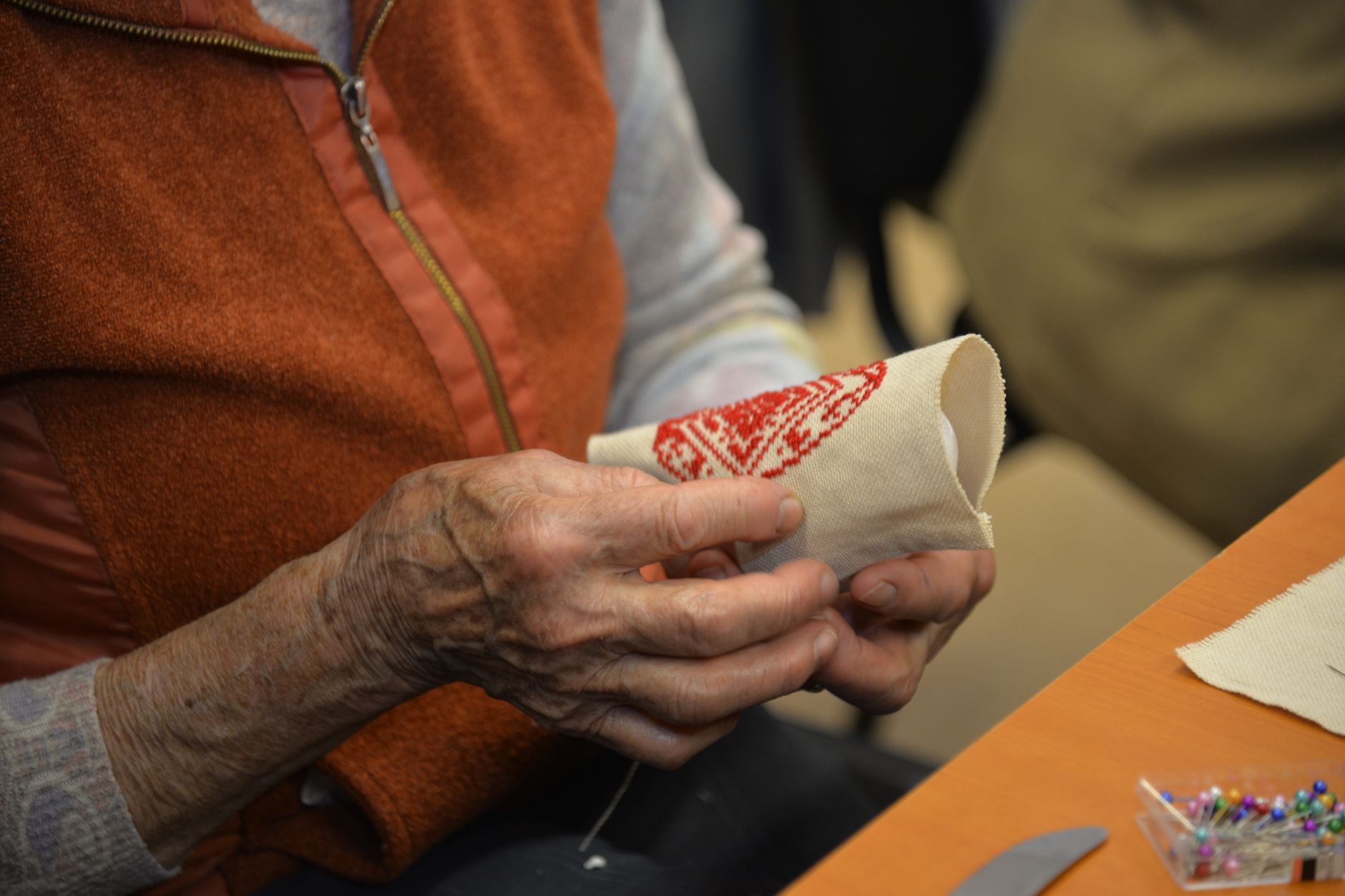
Healthy octogenarians keep their minds active through work, hobbies, learning, or creative pursuits. Many continue working part-time well into their 80s—not out of financial necessity alone, but because having a role and responsibility protects cognitive function. Others take up new pursuits: learning languages, taking art classes, diving into history, mentoring younger people. This cognitive stimulation creates what researchers call “cognitive reserve,” a buffer against age-related mental decline.
The brain behaves like a muscle: it atrophies without use and strengthens with challenge. Healthy 80-year-olds are rarely passive consumers of entertainment; they’re engaged in activities that require problem-solving, learning, or creative thinking. This can be formal education, but it’s equally effective when informal—a chess club, woodworking workshop, or volunteer position teaching others. A notable example is Grandma Moses, who didn’t begin painting until age 78 and continued creating until 101. This isn’t exceptional talent; it’s the protective effect of sustained cognitive engagement combined with purpose.

Sleep Quality and Consistency as a Foundation
Healthy 80-year-olds prioritize sleep with the same discipline they bring to exercise. They maintain consistent sleep schedules, aim for six to eight hours nightly, and take sleep problems seriously rather than dismissing them as inevitable age-related decline. While sleep architecture does change with age—lighter, more fragmented sleep becomes more common—healthy elders have addressed any medical factors (sleep apnea, reflux, medication side effects) that might interfere with rest. The comparison is striking: those who sleep poorly age faster cognitively and physically.
Poor sleep accelerates cognitive decline, weakens immune function, and increases fall risk—a major cause of disability in older adults. The tradeoff many face is that good sleep hygiene requires discipline: no screens after dinner, a cool dark bedroom, consistent wake times even on weekends. For someone used to late-night television and variable bedtimes, the adjustment is real. However, the payoff is substantial. Within two weeks of improved sleep habits, many 80-year-olds report better mood, sharper thinking, and more energy for activities they enjoy.
Diet Patterns That Support Longevity
Healthy octogenarians eat simply and consistently—usually a diet centered on vegetables, whole grains, legumes, and modest amounts of fish or poultry. They rarely eat processed foods, limit sugar, and maintain moderate portion sizes. This isn’t about following the latest diet trend; it’s about patterns sustained for decades. The Mediterranean diet, which emphasizes olive oil, fish, vegetables, and whole grains, appears in multiple studies of long-lived populations. One critical warning: older adults sometimes sacrifice nutrition to save money or out of habit.
A common pitfall is relying on convenience foods, which tend to be high in sodium and low in nutrients. Another limitation: dietary changes made at 80 can’t fully reverse years of poor eating. However, improvements in diet still yield benefits at any age, particularly for cardiovascular health, inflammation, and energy levels. A practical tradeoff exists between perfection and sustainability. Healthy 80-year-olds aren’t rigid dieters. They allow themselves treats and flexibility, which makes their eating patterns sustainable across decades rather than abandoned after a few months.

Medical Engagement and Health Awareness
Healthy octogenarians maintain regular contact with healthcare providers, know their key health numbers (blood pressure, cholesterol, blood sugar), and take prescribed medications consistently. They’re neither hypochondriacs who obsess over minor symptoms nor resisters who ignore warning signs. This balanced awareness allows them to catch problems early and manage chronic conditions effectively.
Many have had hypertension, high cholesterol, or other common conditions for years or decades, but treat them actively rather than accepting decline as inevitable. A specific example: someone diagnosed with high blood pressure at age 60 who begins antihypertensive therapy and maintains it for twenty years will likely reach 80 with better cardiovascular function than someone who ignored the diagnosis. The difference isn’t dramatic year-to-year, but compounds significantly over two decades. This highlights an often-overlooked aspect of healthy aging: it’s rarely about extraordinary measures at 80, but rather the compound effect of consistent management and prevention across many years.
Resilience, Adaptability, and Attitude
Healthy octogenarians share a notable psychological trait: flexibility and resilience in the face of setbacks. They experience losses—friends passing, physical limitations, reduced independence—but adapt their activities and goals rather than surrendering to despair. Many report that what they thought would devastate them at an earlier age becomes manageable with perspective and time. They’ve developed what researchers call “adaptive capacity”—the ability to adjust expectations and find satisfaction in what remains possible rather than obsessing over what’s no longer.
This adaptability often extends to their relationship with their own bodies. A healthy 80-year-old who can no longer run may switch to cycling or walking, and find genuine satisfaction in that. This isn’t giving up; it’s strategic flexibility that allows continued engagement and physical activity. The forward-looking aspect of aging well is recognizing that the specifics of how you stay active may change, but the commitment to remain active can persist indefinitely.
Conclusion
Healthy 80-year-olds aren’t outliers with superhuman genetics or secrets unknown to the rest of us. They’re ordinary people who made consistent choices across many decades: they moved their bodies regularly, maintained social connections, engaged their minds, slept well, ate reasonably, managed their health proactively, and adapted when necessary. These practices reinforce each other. Exercise improves sleep and mood, which supports social engagement and cognitive function. Social connection motivates continued activity and provides stress management. The combination is more powerful than any single factor alone.
The takeaway isn’t that you need to transform yourself tomorrow. It’s that the time to begin these practices is whenever you’re reading this—whether you’re 30, 50, or 70. Small, consistent choices compound over decades. If you want to be vital at 80, start now with one: a regular walk, a standing social commitment, or a goal to learn something new. The healthy octogenarians of today didn’t reach their 80s through perfection or willpower. They did it by showing up, repeatedly, for the practices that work.
Frequently Asked Questions
Is it too late to start exercising if I’m already in my 70s?
No. Studies show that people who begin exercise in their 60s and 70s still gain substantial health benefits, including improved strength, cardiovascular fitness, and independence. The key is medical clearance and a gradual approach, not a sudden intensity ramp.
Do healthy 80-year-olds have exceptional genetics?
While genetics play a role, they account for roughly 25-30% of longevity and aging trajectories. The majority factor is lifestyle choices—activity, diet, sleep, and social engagement. This means most people have much more control over their aging outcomes than they realize.
What’s the minimum amount of exercise needed to see health benefits?
Research suggests that 150 minutes of moderate activity per week is a reasonable target for most older adults, but even smaller amounts provide measurable benefits. Consistency matters more than hitting a specific number.
Can poor sleep habits at 80 be reversed?
Yes. Addressing sleep barriers like apnea, reflux, or medication side effects, along with consistent sleep hygiene, often improves sleep quality within weeks. However, the best approach is preventing poor sleep habits earlier in life.
Is a specific diet required to age healthily?
There’s no single perfect diet. What matters is consistency—a diet centered on whole foods, vegetables, and legumes, with minimal processed food and excess sugar. This can look different in different cultures and still be effective.
What’s the role of purpose and meaning in healthy aging?
Purpose and meaning have measurable effects on longevity and health outcomes, comparable to physical exercise. This is why continued work, volunteering, hobbies, or other engaging activities are so prevalent among healthy older adults.


