Recording every workout matters because it transforms your running from guesswork into a data-driven practice that reveals patterns you cannot see from memory alone. When you log each session, you create an objective record of what you actually did—pace, distance, how you felt, conditions—which becomes the foundation for smart training decisions. A runner who recalls “I think I’ve been doing 5 miles a few times a week” has no real basis for deciding whether to increase mileage or adjust pace; a runner with six months of workout logs can see exactly what worked, what led to injury, and what produced the fitness gains they felt. The second reason recording matters is that your memory is unreliable in ways that matter for your health.
Studies in exercise science show that people consistently underestimate or overestimate the intensity and duration of their workouts, often by margins that seem small but compound over weeks. A runner might remember a Tuesday run as “pretty easy,” but the data shows it was 85% of max heart rate—pushing harder than intended. That same runner might recall a Thursday session as “tough,” when the numbers show it was a comfortable aerobic pace. These gaps between perception and reality mean training without logs leads you to repeat mistakes and miss opportunities.
Table of Contents
- How Does Tracking Workouts Improve Your Training Quality?
- Why Does Consistent Recording Matter More Than Training Perfection?
- What Does Your Workout Data Reveal About Progress?
- How Should You Choose What Data to Record?
- What Mistakes Do Runners Make When Recording Workouts?
- Using Your Logs to Prevent Injury and Burnout
- The Future of Workout Tracking and Your Running
- Conclusion
- Frequently Asked Questions
How Does Tracking Workouts Improve Your Training Quality?
tracking workouts allows you to see your actual fitness trajectory and adjust your training plan with precision instead of intuition. When you have a log spanning weeks or months, you can answer questions that feel obvious only after you have the data: Are my easy runs actually easy? How much harder is my long run compared to my tempo work? Am I increasing mileage too fast? A runner who kept logs noticed they had added 15 percent more weekly volume in four weeks—a jump that explained the knee soreness they’d been experiencing. Without that record, they would have blamed the soreness on the running route or their shoes. The value goes beyond just volume.
Your logs reveal what conditions, paces, and effort levels make you feel strong versus drained. One runner’s logs showed that runs after poor sleep never felt good, even when the pace was manageable—a discovery that made her prioritize sleep over extra training sessions. Another runner’s data showed that runs on days following strength training led to slower paces but better perceived recovery afterward. These individual patterns are invisible without tracking; they only emerge when you compare many workouts side by side.
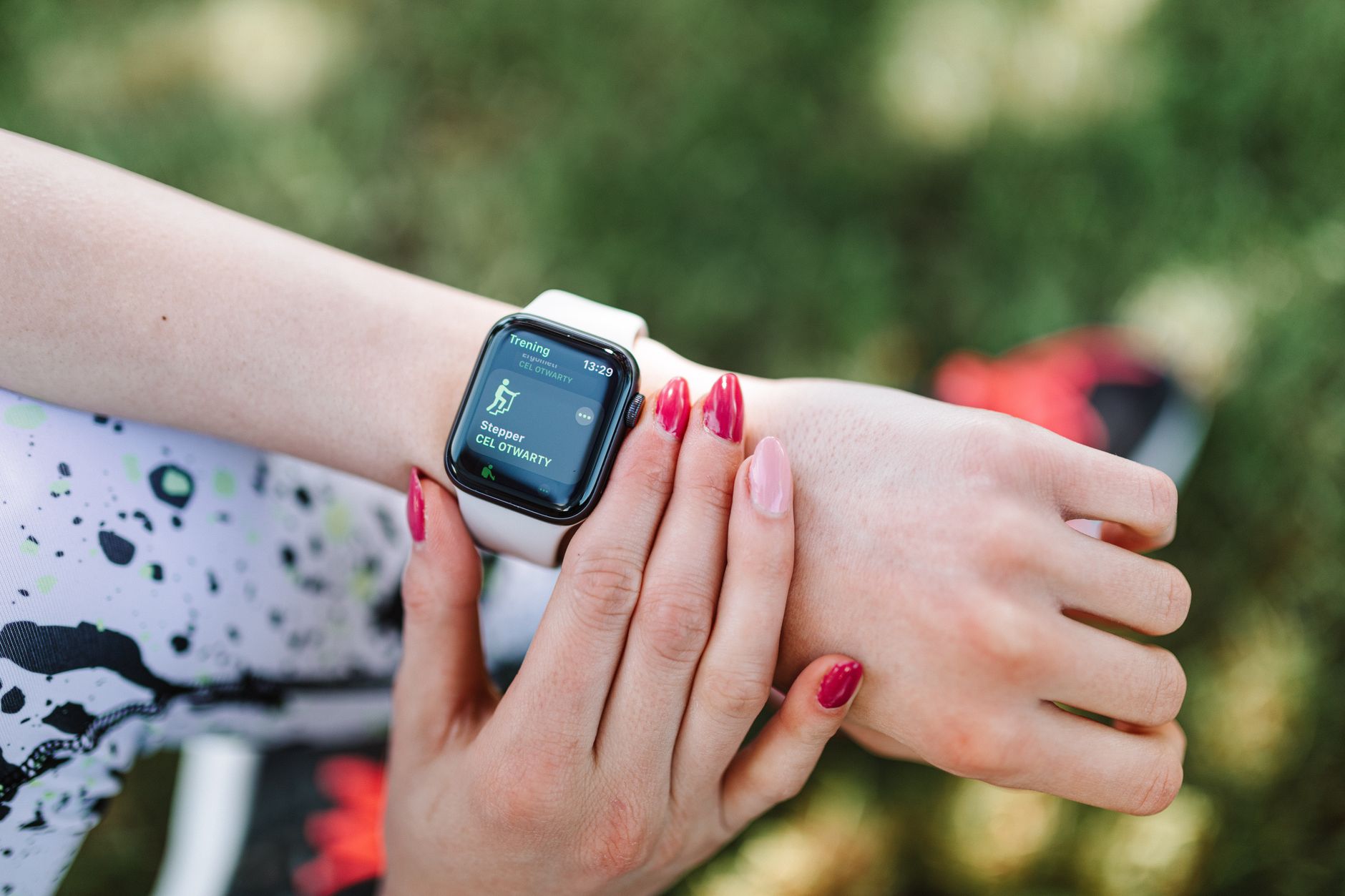
Why Does Consistent Recording Matter More Than Training Perfection?
The reality that surprises many runners is that recording your workouts consistently matters more than whether your training plan itself is perfect. A mediocre plan that you track thoroughly will produce better results than a elite-level training program you follow haphazardly without logging, because tracking forces you to stay honest and make adjustments. When you know you are recording a workout, you run it with more intention. When you have to review the log later, you think more carefully about what the workout accomplished.
A significant limitation of relying on your memory instead of logs is that you miss the opportunity to learn from what didn’t work. Runners often forget the workouts that led to minor injuries or overuse problems, then repeat the same mistake months later. A log creates accountability and pattern recognition that prevents this cycle. However, the discipline of tracking does require a time investment—entering data, reviewing it regularly—and some runners find this tedious. The key is finding a system simple enough that you maintain it; a half-kept log with spotty entries loses its value quickly.
What Does Your Workout Data Reveal About Progress?
Your logs create a visible record of progress that you actually feel but cannot easily quantify without data. One runner’s logs from January through June showed that her easy-pace runs, which started at 10:15 per mile, had gradually dropped to 9:45 per mile without her consciously trying to speed up—evidence of real fitness improvement. Another runner noticed that his long runs, which left him wrecked for a full day in March, only required half a day of recovery by September, demonstrating improved aerobic fitness and running economy.
Beyond performance metrics, your logs show you recovery patterns and when rest is actually working. A runner might log five runs a week, then look back and notice the weeks when she added a rest day to the schedule correlated with feeling stronger in the following week. This feedback loop is what allows you to personalize your training approach instead of blindly following generic advice. The logs become your own training textbook—written in your data, about your body, specific to your conditions and lifestyle.

How Should You Choose What Data to Record?
The practical challenge of recording workouts is deciding what information actually matters and what is noise. Some runners track heart rate zones, cadence, and elevation gain for every run; others record just distance and time. The answer depends on what questions you need your data to answer. If you are chasing a specific goal—a faster 10K, a half-marathon, reduced injury—you need data related to that goal. A runner building aerobic base needs to know her easy pace and how much of her volume is in the aerobic zone; a runner doing speed work needs to track pace and recovery between intervals.
A practical starting point is to record these five things consistently: date, distance, time (or average pace), perceived effort (easy, moderate, hard), and how you felt afterward (tired, strong, energized, sore). This takes minimal time but gives you the data to spot patterns. More specific metrics like heart rate, elevation, or splits are valuable if you have a way to capture them without adding significant friction to your process. The tradeoff is simple: more detailed tracking reveals more insights but only if you actually maintain the system. A runner who logs five variables on 50 runs has more actionable information than a runner who tried to track fifteen variables on only 20 runs before quitting the system.
What Mistakes Do Runners Make When Recording Workouts?
One common mistake is confusing the volume of data with useful data. A runner might record everything—GPS coordinates, weather conditions, sunset time, breakfast eaten—but fail to review the logs or draw any conclusions from them. The numbers sit in an app, unused and unexamined. Recording without reflection wastes the time you spend logging and defeats the purpose. To avoid this, set a weekly review habit: spend five minutes each week looking at your training, noting patterns, and adjusting your next week’s plan based on what you see. Another pitfall is being too perfectionistic about data accuracy in ways that prevent tracking altogether.
A runner might skip logging a workout because she did not have her watch or could not remember the exact distance. This is backward; an approximate log on 95 percent of workouts is infinitely more valuable than a perfect log on only half your workouts. Most phone apps and simple spreadsheets are good enough—they do not need to be professional-grade or use advanced analytics. The goal is creating a historical record you can review and learn from, not producing data for a research paper. Finally, some runners fall into the trap of trusting their logs over common sense. If your log says you should do a 15-mile long run this week but you feel completely recovered, listen to your body—logs inform decisions; they do not replace judgment.

Using Your Logs to Prevent Injury and Burnout
One of the highest-value uses of workout logs is identifying the early warning signs of overtraining before it becomes a problem. When you track consistently, you notice when your pace is dropping on easy runs despite effort, when your resting heart rate is elevated, or when you are tired even after easy workouts. A runner who reviewed his logs noticed that in the two weeks before his injury, his perceived effort had increased on all runs even though the planned paces stayed the same—a warning signal he missed at the time. In retrospect, the data was there; he just had not been reading it carefully.
Your logs also create a realistic picture of your capacity. This prevents the cycle of too-much-too-soon that injures many runners. When you can see your actual volume progression week to week, it is harder to rationalize a jump from 25 to 35 miles per week in a month. The data makes it obvious when you are pushing the edge.
The Future of Workout Tracking and Your Running
Workout logging has moved from pen-and-paper diaries to sophisticated apps and wearables, but the core value remains unchanged: you learn more from data than from memory. As wearable technology improves, runners will have access to more granular information—muscle strain, load balancing between legs, glycogen depletion patterns—but the insight still depends on whether you actually use the data to make decisions. The runners who will benefit most from better tools are those who already have the discipline to review their existing logs and adjust their training accordingly.
The most successful runners tend to think of their workout logs as a conversation with their body over time. Each workout is a question—can I run faster today, should I ease back, am I recovering well?—and the logs provide the honest answer. That feedback loop, built on consistent recording, is what separates training from running-based guessing.
Conclusion
Recording every workout matters because it transforms running from a feel-based activity into a practice where you make decisions based on evidence. A few months of consistent logging will show you your actual fitness level, your realistic pacing, your recovery patterns, and the conditions under which you feel strongest. This information is impossible to gather any other way—you cannot see your own progress without a baseline, and you cannot identify your patterns without seeing many data points. Start tracking this week with something simple: a phone app, a basic spreadsheet, or a running watch.
Record at minimum your distance, time, and how you felt. Review it weekly. Within a month, you will be making training decisions that are smarter than anything you could have done from memory alone. That is the real reason recording every workout matters.
Frequently Asked Questions
Do I need a fancy running watch or app to track workouts?
No. A simple spreadsheet or free app works just as well. The data itself is what matters, not the platform. Expensive watches add features like advanced metrics and GPS accuracy, but they are not required to start tracking and seeing patterns.
How often should I review my workout logs?
At least weekly, ideally during your weekly training planning session. A 5-10 minute review where you spot patterns and adjust your upcoming week’s plan is enough to get value from your data.
What if I miss logging a few workouts?
Do not worry about perfection. An 80% complete log is vastly better than no log at all. Log what you can and keep the system sustainable; consistency over months beats a perfect but abandoned log.
Can I use my smartwatch data automatically instead of manually logging?
Yes, if your watch syncs to an app. However, you still need to review the data and think about what it means. Automatic syncing saves time on entry but does not eliminate the need for reflection and analysis.
How will tracking change my training approach?
It likely will reduce your weekly mileage initially because you will see patterns of overtraining you did not realize existed. That reduction protects you from injury and often improves your performance. Most runners find their training becomes more intentional and better aligned with their actual fitness level.
Is there such a thing as tracking too much data?
Yes. If you spend more time recording metrics than running, your tracking system is too complex. Keep it simple enough to maintain for a year—distance, time, and effort are the baseline. Add more only if those three variables do not answer your questions.