
You’re absolutely never too old to start running. Whether you’re 55, 65, or older, your body retains the capacity to adapt to running and improve cardiovascular fitness. Consider Margaret, a 62-year-old accountant from Ohio who hadn’t run since high school. After sitting at a desk for forty years, she decided to try couch-to-5K. Within twelve weeks, she completed her first 5K without stopping.
Her experience isn’t unusual—it’s the norm for people who start running later in life. The science supports what Margaret discovered: age alone doesn’t prevent running. Research from universities across North America shows that people who start running in their 50s, 60s, and 70s experience significant improvements in aerobic capacity, bone density, and cardiovascular health. Your muscles still respond to training. Your heart still gets stronger. The main difference between a 30-year-old runner and a 65-year-old runner isn’t potential—it’s usually just a matter of patience and smart programming.
Table of Contents
- Can Your Aging Body Actually Handle Running?
- Age-Related Changes You Should Understand
- Heart Health and Cardiovascular Adaptation
- Getting Started: The Beginner’s Blueprint for Older Runners
- Common Issues When Aging and Running Collide
- Nutrition and Recovery: What Changes With Age
- Building a Running Life That Lasts
- Conclusion
- Frequently Asked Questions
Can Your Aging Body Actually Handle Running?
The short answer is yes, but with adjustments. your aerobic system works the same way at any age. When you run, your heart rate increases, your muscles demand more oxygen, and your cardiovascular system adapts by improving blood flow and oxygen delivery. This adaptation process happens whether you’re 25 or 75. However, there are real differences in recovery and durability. A 30-year-old might bounce back from a hard workout in hours.
A 60-year-old typically needs more recovery time—not because running is dangerous, but because tissue repair happens more slowly with age. Cartilage in your joints takes longer to adapt to impact. Your tendons require longer to strengthen. A 65-year-old runner I know, David, initially tried running every other day and developed tendinitis. When he switched to three times weekly with a full rest day between hard workouts, his injuries stopped. This isn’t a reason to avoid running—it’s a reason to structure training differently.

Age-Related Changes You Should Understand
Your joints need time to prepare for running impact, especially if you’ve been sedentary. The cartilage in your knees, ankles, and hips isn’t “worn out” just because you’re older, but it does respond more slowly to new stresses. If you jump from zero running to five times weekly, you’re likely to develop tendinitis, bursitis, or stress reactions in your bones. The limitation here is crucial: patience becomes a requirement, not optional. Bone density decreases with age, particularly after 60 and especially in women going through or past menopause.
This means your skeleton is less resistant to the impact stress of running. But here’s what matters: running itself builds bone density. A recent study tracked people who started running in their 60s and found bone density improvements in their legs and hips—the exact areas impacted by running. The tradeoff is that you need to progress gradually to let your bones adapt without getting injured during that adaptation period. Starting with walk-run intervals and increasing running time by 10 percent weekly protects your bones while allowing them to strengthen.
Heart Health and Cardiovascular Adaptation
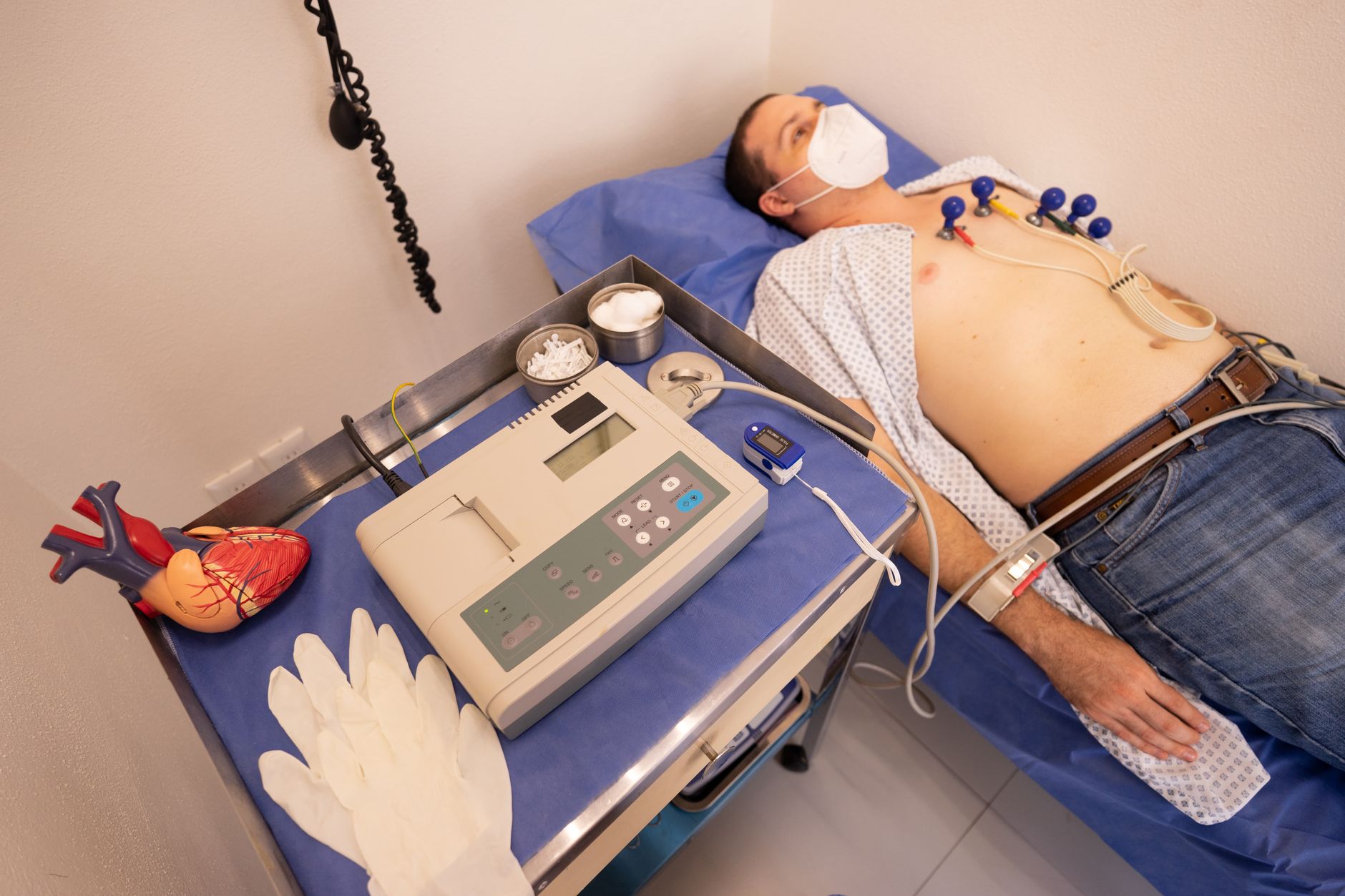
Your cardiovascular system is where running delivers its biggest benefits for older adults. Your heart is a muscle that weakens without use. Running strengthens it. A 70-year-old beginning runner can improve their maximum oxygen uptake (VO2 max) by 15-25 percent within months, which is remarkable and directly translates to living longer and having more energy in daily life. The risk of a cardiac event during or after starting running does exist, particularly if you have underlying heart disease or multiple risk factors like diabetes, high blood pressure, or a family history of heart problems. But this isn’t a reason to avoid running—it’s a reason to get clearance from your doctor before starting.
Once cleared, gradual progression is safe. A 58-year-old named Raymond had a minor heart attack at 55. After cardiac rehabilitation, his doctor recommended exercise. Running, started slowly and built progressively, became his primary treatment. Three years later, his heart function was better than it had been in decades. His experience shows that running can happen after cardiac events, but medical supervision in the early stages matters.
Getting Started: The Beginner’s Blueprint for Older Runners
Starting right is everything. The couch-to-5K program, which alternates walking and running in nine weeks, is specifically designed for beginners regardless of age. It works because it forces you to progress slowly. A typical week includes three sessions. Each session has you walking for a bit, then running for 60-90 seconds, then walking again. No one gets injured on couch-to-5K because the progression is so gentle.
The tradeoff in starting this way is time. You won’t be running continuously for five full kilometers immediately. You’ll spend weeks working up to that. Impatient runners often skip ahead, run too fast, or add mileage too quickly—and that’s where injuries happen. Patience-based progression takes twelve weeks, but it works. Compare this to someone who tries to “just go run for thirty minutes” their first day and ends up with shin splints: the slower route reaches the same destination without pain.
Common Issues When Aging and Running Collide
The most common injury in older beginning runners isn’t knees—it’s the Achilles tendon. This thick cord at the back of your ankle absorbs tremendous force when you run. In older adults, it’s often tight and less elastic. If you jump into running without gentle warm-ups and stretching, it reacts angrily. Warning: ignoring Achilles tendon pain early leads to rupture, which requires surgery and months of recovery. Early signs are minor tightness or slight pain at the back of your heel. If you notice this, immediately reduce running volume, add extra warm-up time, and do calf stretches daily.
Another significant issue is that running exposes existing but silent problems. A 67-year-old runner named Helen started training for a 10K and developed severe knee pain. Investigation revealed arthritis she didn’t know she had. This seems like running caused it, but arthritis usually developed over years without symptoms. Running revealed it. The limitation here is that some people do have joint damage that makes running uncomfortable or impossible. Not everyone can run. Some people are better served by cycling or swimming, which give the same cardiovascular benefits with less impact.

Nutrition and Recovery: What Changes With Age
Your muscles need more protein to repair properly as you age. A 25-year-old runner can often get by on modest protein intake. A 60-year-old runner sees better recovery with protein at every meal. That means breakfast isn’t just cereal—it’s eggs and toast, or yogurt and nuts. After running, especially harder efforts, having protein and carbs within an hour speeds recovery.
Sleep also becomes more critical. A younger runner might recover from a poor night’s sleep more easily. An older runner loses a night of sleep and feels it for days. This isn’t weakness—it’s how recovery physiology works at different ages. Most older runners report they need seven to nine hours of consistent sleep to handle their training without getting sick or injured.
Building a Running Life That Lasts
Starting running in your 60s or later means you’re not training for an Olympic trial—you’re building a practice you can sustain for decades. This changes how you approach the sport. Instead of training for one big marathon, many older runners focus on consistency: running three times weekly forever rather than building to twelve times weekly for a race. This sustainable model suits aging bodies better and actually delivers more health benefit than aggressive periodized training.
The future of running for older adults is promising because society is finally recognizing that we’ve been wrong about aging. Your grandmother didn’t run marathons, so we assumed you couldn’t. Now we have data showing that 70-year-olds complete ultramarathons, 80-year-olds set age-group records, and people who start running at 60 often run for the next twenty years without serious injury. The limiting factor was never your age—it was the mistaken belief that age was a limit.
Conclusion
You’re never too old to start running because your body still works. Your cardiovascular system still adapts. Your muscles still respond to training. Your bones still strengthen under appropriate stress. The only requirement is progression done at the pace your aging tissues can handle, which is typically slower than a younger runner but not dramatically so.
Starting at 50, 60, 70, or beyond is completely reasonable and will improve your health, energy, and longevity. Your next step is simple: schedule a checkup with your doctor, get clearance to exercise, then commit to a beginner program like couch-to-5K. You’ll be surprised at how quickly your body responds and how good you’ll feel. Thousands of people older than you are out running right now. The question isn’t whether you’re too old—it’s whether you’re ready to start.
Frequently Asked Questions
I have arthritis. Can I still run?
Some runners with arthritis run comfortably; others find it too painful. Swimming and cycling often work better for arthritic joints. The best option is trying a beginner program and observing your joints’ response. If pain increases over several weeks of gradual training, arthritis may make running unsuitable, but low-impact alternatives exist.
How fast should I run as an older beginner?
Slow enough that you can hold a conversation. Most older beginning runners run at 11-13 minute per mile pace initially, which is completely normal and appropriate. Speed comes later, if you want it. Many runners never prioritize speed and instead enjoy running comfortably for extended time.
Do I need special shoes for running at my age?
You need shoes suited to your foot type and gait, not your age. A running store can analyze your gait and recommend appropriate shoes. This matters more for older runners because poor shoe support increases injury risk, but it’s about fit, not about “senior” shoes.
How many days per week should I run?
Three days per week is ideal for older beginning runners. This allows adequate recovery time between sessions while still providing cardiovascular stimulus. Six days weekly, which younger runners might handle, often causes overuse injuries in older athletes.
What if I get injured starting to run?
Rest the area for several days and see if pain resolves. If it persists beyond a week or is severe, see a doctor. Most running injuries respond to reduced volume and sometimes modified movements. Don’t push through pain that’s worsening—back off, let it heal, then resume gradually.
Is it expensive to become a runner?
Minimally. Good running shoes are $120-150, which are the main expense. A basic running outfit costs thirty dollars. After that, running is free. This makes running one of the most affordable ways to exercise, especially compared to gym memberships or fitness classes.


