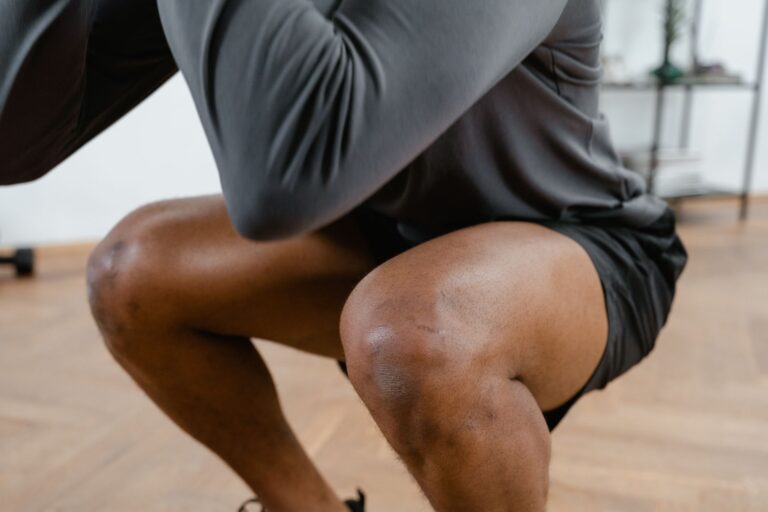
Every activity counts toward better health, even if it doesn’t feel intense or look like traditional exercise. A short walk to your car, climbing stairs at work, or standing while doing dishes all contribute to your daily movement total and provide measurable benefits to your cardiovascular system, bone density, and metabolic health. The misconception that only structured, vigorous workouts matter has held many people back from recognizing that their daily routines are already building blocks of fitness.
Research from major health institutions, including findings from the American Heart Association, shows that accumulated movement throughout the day—what researchers call “incidental activity” or “non-exercise activity thermogenesis” (NEAT)—significantly impacts long-term health outcomes. A person who moves consistently in small increments often achieves comparable cardiovascular benefits to someone who does one intensive workout, provided the total volume reaches meaningful levels. The key is understanding that health improvements are cumulative and that your body doesn’t distinguish between a thirty-minute walk and six five-minute walking breaks in terms of the health signal it receives.
Table of Contents
- Why Does Every Movement Matter to Your Overall Fitness?
- The Science of Accumulated Activity and Health Improvements
- How Daily Activities Build Cardiovascular Health
- Building a Sustainable Movement Practice from What You Already Do
- The Risk of Replacing Planned Exercise with Daily Activity
- Real-World Examples of Activity Accumulation
- The Future of Understanding Movement and Health
- Conclusion
Why Does Every Movement Matter to Your Overall Fitness?
Movement, regardless of intensity, activates your muscles, elevates your heart rate, and triggers metabolic changes that compound over time. When you’re active throughout the day, you’re improving insulin sensitivity, which reduces your risk of type 2 diabetes. You’re also building and maintaining muscle mass, which naturally declines with age unless you use your muscles regularly.
The beauty of recognizing that every activity counts is that you don’t need a gym membership or athletic ability to reap these benefits. A practical example illustrates this clearly: someone who parks farther away at the grocery store, takes the stairs instead of the elevator, stands while working, and walks during lunch breaks might accumulate 10,000 to 12,000 steps without ever intentionally exercising. Compare this to a sedentary person who sits all day and does one 30-minute treadmill session—the active person is likely getting more consistent cardiovascular stimulation and metabolic benefit. This is why researchers increasingly focus on daily activity patterns rather than treating exercise as separate from “real life.”.

The Science of Accumulated Activity and Health Improvements
The human body responds to movement volume, not just intensity. your bones strengthen when subjected to stress and impact, which happens during any weight-bearing activity—walking, cooking while standing, or even fidgeting. Your cardiovascular system adapts to consistent movement by becoming more efficient at delivering oxygen, which reduces resting heart rate over time. Studies have shown that people with high daily activity levels but no structured exercise program often have better metabolic markers than sedentary people who exercise intensely but spend the rest of the day sitting.
One important limitation to understand is that very light activity has diminishing returns. Casual movement throughout the day is genuinely beneficial, but if you only move lightly and never challenge your cardiovascular system or strength, you’ll plateau in your fitness gains. An office worker who takes frequent walking breaks gets some benefit, but they’ll see greater improvements if they occasionally include more challenging activity, like a faster walk or climbing stairs with purpose. The takeaway isn’t that you should abandon structured exercise if you’re currently doing it—rather, it’s that the days you can’t do a formal workout aren’t wasted if you stay generally active.
How Daily Activities Build Cardiovascular Health
Cardiovascular health improves through any sustained elevation of your heart rate, and this doesn’t require running. Gardening, housework, carrying groceries, and playing with children all increase heart rate and blood pressure in healthy ways. People in occupations that involve consistent physical demands—retail workers who stand and move all day, parents who chase toddlers, farmers—often develop cardiovascular resilience even without intentional training.
Consider the example of two middle-aged women: one is a retired librarian who joined a running group and runs three times a week; the other is a teacher who never runs but is constantly moving between classrooms, standing during lessons, and walking the school grounds. Both see improvements in their blood pressure and resting heart rate. The teacher might not have the running-specific adaptations that make distance running easier, but her cardiovascular system is still becoming more efficient. However, she would likely improve faster if she occasionally added some deliberate intensity to her daily movement, rather than relying entirely on steady-paced daily activity.

Building a Sustainable Movement Practice from What You Already Do
The practical advantage of recognizing that every activity counts is that it makes health improvements feel achievable and sustainable. Instead of viewing fitness as something that requires major lifestyle restructuring or expensive gym memberships, you can work with your existing routine. The parent who is too busy for scheduled workouts can recognize that their daily chaos—the running around, the stress, the movement—is already contributing to their health.
A useful comparison is between perfection and consistency: an ideal fitness plan that you abandon after three weeks because it’s unrealistic is worse than a moderate plan you maintain for years. By building on existing daily activities rather than adding entirely new ones, you make health improvements feel less like a burden. You might set intentions like taking stairs instead of elevators, or parking farther away, or doing gardening instead of hiring someone—these tiny shifts compound. The tradeoff is that passive activity alone won’t make you an athlete or produce the specialized fitness adaptations of dedicated training, but for general health, it’s remarkably effective.
The Risk of Replacing Planned Exercise with Daily Activity
One warning: understanding that every activity counts should not become an excuse to abandon intentional exercise if you’ve been doing it. Some people use this information to justify a sedentary lifestyle, reasoning that they’ll be fine with just their daily activity. The research supports daily activity, but it doesn’t support relying exclusively on incidental movement if you’re trying to build fitness, maintain muscle into older age, or prepare for endurance activities like running.
A sedentary person who adds light daily activity will improve significantly, but a previously fit person who replaces running or strength training with only daily activity will lose fitness. Another limitation is that very light, consistent activity doesn’t build the same kind of strength or bone density that resistance training does. An older adult who walks daily is doing something valuable for cardiovascular health, but they also need some weight-bearing activity with greater intensity or resistance work to prevent the muscle loss and bone density decline that increases fracture risk. The practical wisdom is: every activity does count, but it counts more when it’s part of a rounded approach that includes some intentional challenge.

Real-World Examples of Activity Accumulation
A 45-year-old accountant who sits at a desk noticed his health markers declining—elevated cholesterol, creeping weight gain, poor blood pressure. Rather than overhauling his life, he made small changes: he walked for 15 minutes at lunch, stood at his desk during calls, took the stairs instead of the elevator, and did 10 minutes of stretching at night. Over six months, his cholesterol dropped 20 points, he lost 12 pounds, and his blood pressure improved. He never ran a mile or went to a gym, but he accumulated roughly 8,000 to 10,000 steps daily through these small changes.
Contrast this with a retired person who bought a treadmill with intentions of exercising but found that sitting at home, even with the treadmill present, led to weight gain and declining health. This person needed more structured activity because their daily life had become sedentary. Once they committed to a consistent walking program and some light resistance work, their health improved dramatically. Both examples illustrate different ways that activity counts: the busy accountant benefited from organizing existing movement, while the retiree needed to create new movement intentionally.
The Future of Understanding Movement and Health
As wearable technology becomes more prevalent, we’re getting more granular data about how daily movement patterns affect health. Research is increasingly focused not just on step counts or exercise minutes, but on movement variety, frequency of sitting breaks, and total daily energy expenditure.
This shift supports a broader definition of health-promoting activity and will likely continue to validate that consistent, varied movement matters more than occasional intense efforts. The trend suggests that future health guidance will move away from the “exercise or bust” mentality toward a more nuanced understanding of how a full day of varied movement—some intense, some moderate, some light—creates the healthiest outcomes. For people interested in running or structured fitness, this doesn’t diminish the value of training; it simply acknowledges that the human body is designed for varied movement throughout the day, and optimizing this works together with, rather than against, dedicated training.
Conclusion
Every activity does count toward better health because your body responds to movement volume and variety, not just to formal exercise sessions. Walking, climbing stairs, standing, and general daily movement genuinely improve cardiovascular health, metabolic function, and long-term health outcomes when accumulated over time. The practical benefit of understanding this is that you can build better health from what you already do in your day, making fitness improvements feel sustainable rather than like a complete lifestyle overhaul.
That said, recognizing that every activity counts shouldn’t lead to abandoning intentional exercise if you’ve been doing it, nor should it convince you that only light activity is sufficient if you have specific fitness goals or are aging and need to preserve muscle and bone. The most complete approach combines the foundation of daily movement with occasional intentional activity that challenges your cardiovascular system and maintains strength. Your regular walking, your taking the stairs, your standing at your desk—these all matter, and they form the base of a healthy life.