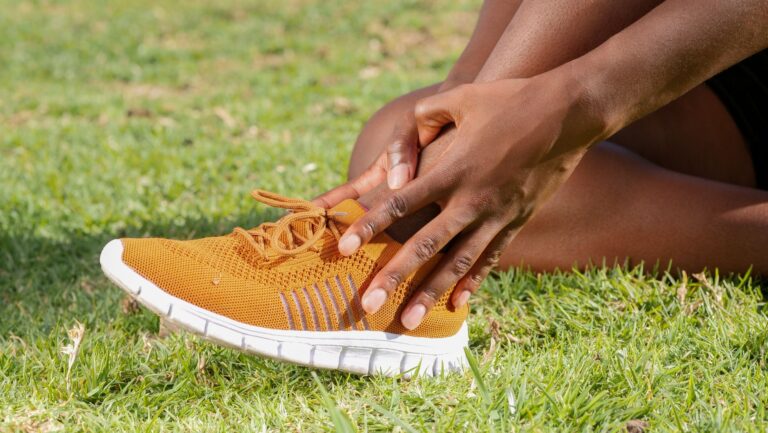
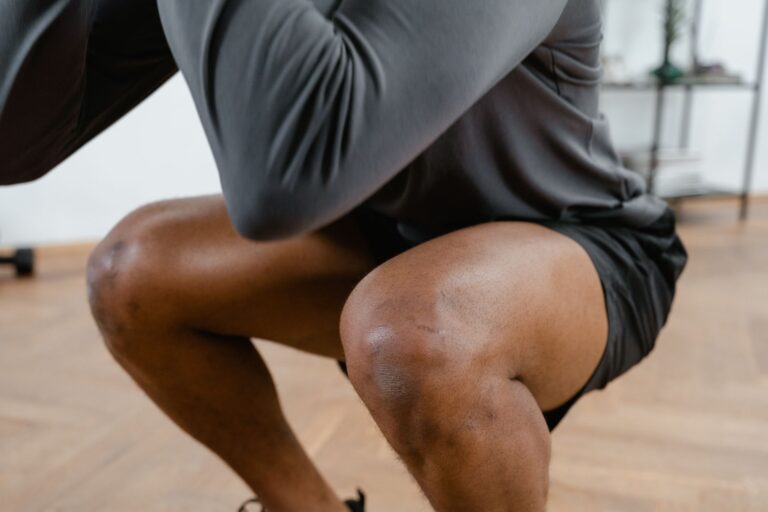
The best sports for healthy aging are those that combine cardiovascular benefit, strength maintenance, low injury risk, and sustainable long-term participation. Walking, swimming, cycling, tennis, and golf—when practiced consistently—deliver measurable improvements in heart health, bone density, and cognitive function for people over 50. A 65-year-old runner in Boulder, Colorado who switched from high-impact marathons to a mix of swimming and recreational cycling reported both improved knees and maintained aerobic fitness, showing that the “best” sport depends on individual health status and previous injury history.
Rather than chasing the most intense workouts, healthy aging through sports prioritizes consistency, enjoyment, and injury prevention. Research from the American Heart Association shows that older adults who engage in moderate sports activity three to four times weekly have 30% lower cardiovascular mortality than sedentary peers. The key is finding activities you’ll actually do year after year, not ones that sound impressive or deliver quick results.
Table of Contents
- Which Sports Deliver the Most Benefits for Aging Bodies?
- The Reality of High-Impact Sports Like Running and Tennis
- Sports That Improve Balance and Cognitive Function
- Practical Guidelines for Starting a Sport After 50 or 60
- Overtraining and Burnout in Older Athletes
- Cross-Training for Injury Prevention and All-Around Fitness
- Technology and Wearables for Safe Aging in Sports
- Conclusion
- Frequently Asked Questions
Which Sports Deliver the Most Benefits for Aging Bodies?
walking stands as the most accessible and protective sport for aging. It requires no equipment, minimal injury risk, and produces measurable bone and heart health gains. A brisk 30-minute walk, defined as a pace where you can talk but not sing, burns 150 calories for an average adult and strengthens core muscles essential for balance. Unlike running, walking distributes impact forces more evenly and allows older adults to build aerobic capacity without cartilage stress in knees and hips. Swimming ranks second because it removes gravity’s load while still building strength and endurance.
The resistance of water engages major muscle groups without joint impact, making it especially valuable for people with arthritis or those recovering from knee or hip surgery. A 70-year-old with moderate osteoarthritis can swim 20 laps three times weekly and maintain muscle tone that land-based exercise would compromise. The limitation is accessibility—not everyone lives near a pool, and membership fees deter some from starting. Cycling and rowing offer similar advantages to swimming: full-body engagement with lower joint stress than running. Stationary cycling is safer for balance than road cycling in older populations, reducing fall risk. The tradeoff is that these activities require some fitness baseline to begin safely; an untrained 60-year-old cannot jump into 45-minute cycling sessions without building up over weeks.
The Reality of High-Impact Sports Like Running and Tennis
running remains excellent for aging athletes but carries real injury risks that improve with age awareness. The impact force of running is 2.5 to 3 times body weight with each stride, meaning a 180-pound runner experiences 450 to 540 pounds of force per step. For people with prior knee injuries, weak hip stabilizers, or inadequate recovery, this translates to overuse injuries that sideline training for months. A 62-year-old distance runner in Seattle who continued 35-mile training weeks developed a patellofemoral problem that required six weeks of physical therapy and reduced running volume. Tennis delivers cardiovascular and coordination benefits but demands lateral agility that declines with age. The quick directional changes, jumping, and intense intervals build explosive power and reaction time—valuable for fall prevention.
However, sudden pivoting injures knees and ankles in unprepared athletes, and competitive tennis among older players produces shoulder and rotator cuff injuries. Recreational doubles play is safer than competitive singles because it reduces sprint demands and court coverage requirements. Warning: Overuse injuries accumulate silently in running and tennis. Pain that feels minor during sport often worsens overnight or after a second session, signaling tissue damage. Older athletes often ignore early warnings because they remember tolerate higher pain thresholds from younger years. The limitation is that both sports require weeks of reduced activity to heal, whereas swimming and walking allow continued training even during minor injury recovery.
Sports That Improve Balance and Cognitive Function
Tai chi and balance-focused activities stand apart because they directly address fall risk, which kills or permanently disables more older adults than any sport-specific injury. Fall-related hip fractures cause long-term disability in 50% of cases. Practicing tai chi just two to three times weekly for 12 weeks improves balance control and reduces fall risk by 40% according to studies at Portland State University. The slow, deliberate movements train proprioception—your body’s sense of position in space—without cardiac demand. Golf and lawn bowling develop fine motor control and walking distance while maintaining social engagement, a factor that protects cognitive health as much as physical activity. A 74-year-old playing golf twice weekly walks 4 to 6 miles and makes hundreds of precise arm movements that keep neural pathways active.
The limitation: golf requires significant upfront equipment investment and course access, and the payoff is lower if you use a golf cart instead of walking the course. Walking nine holes burns roughly half the calories of walking 18 holes while pushing a cart. Rock climbing and bouldering, often overlooked for aging populations, develop grip strength and problem-solving cognition. Climbing requires planning sequences, assessing risk, and adapting technique—cognitive tasks that maintain neural plasticity. Indoor climbing facilities offer controlled environments where 60-year-olds climb safely on padded floors and adjustable routes. The downside is the learning curve; most older beginners require professional instruction and take 4 to 8 weeks to feel confident.
Practical Guidelines for Starting a Sport After 50 or 60
Begin with a medical clearance from your doctor, especially if you have history of heart disease, diabetes, or haven’t exercised regularly in years. A 58-year-old with controlled hypertension and a family history of heart attack should get cardiac screening before starting running; a simple treadmill stress test takes 20 minutes and clarifies whether you can progress safely. This step prevents the scenario where someone has a cardiac event during enthusiastic training. Choose sports that match your current fitness baseline, not your high school or college fitness level. A former college swimmer returning to the pool after 30 years shouldn’t jump back to 40-minute sessions; starting with 15 to 20 minutes twice weekly, then adding duration and frequency every two to three weeks, allows adaptation without injury.
The tradeoff is patience—building back to competitive or high-intensity fitness takes 12 to 16 weeks, which frustrates people accustomed to quick results. Invest in proper footwear or equipment early. Running shoes designed for your gait pattern cost $120 to $180 but prevent knee pain that leads to quitting. A $300 bike fit for cycling addresses saddle height and stem length, preventing lower back and knee issues. Cheap gear seems economical until it causes injury that ends the sport entirely. Experienced coaches or sports medicine physical therapists can assess movement patterns and recommend gear adjustments specific to your body.
Overtraining and Burnout in Older Athletes
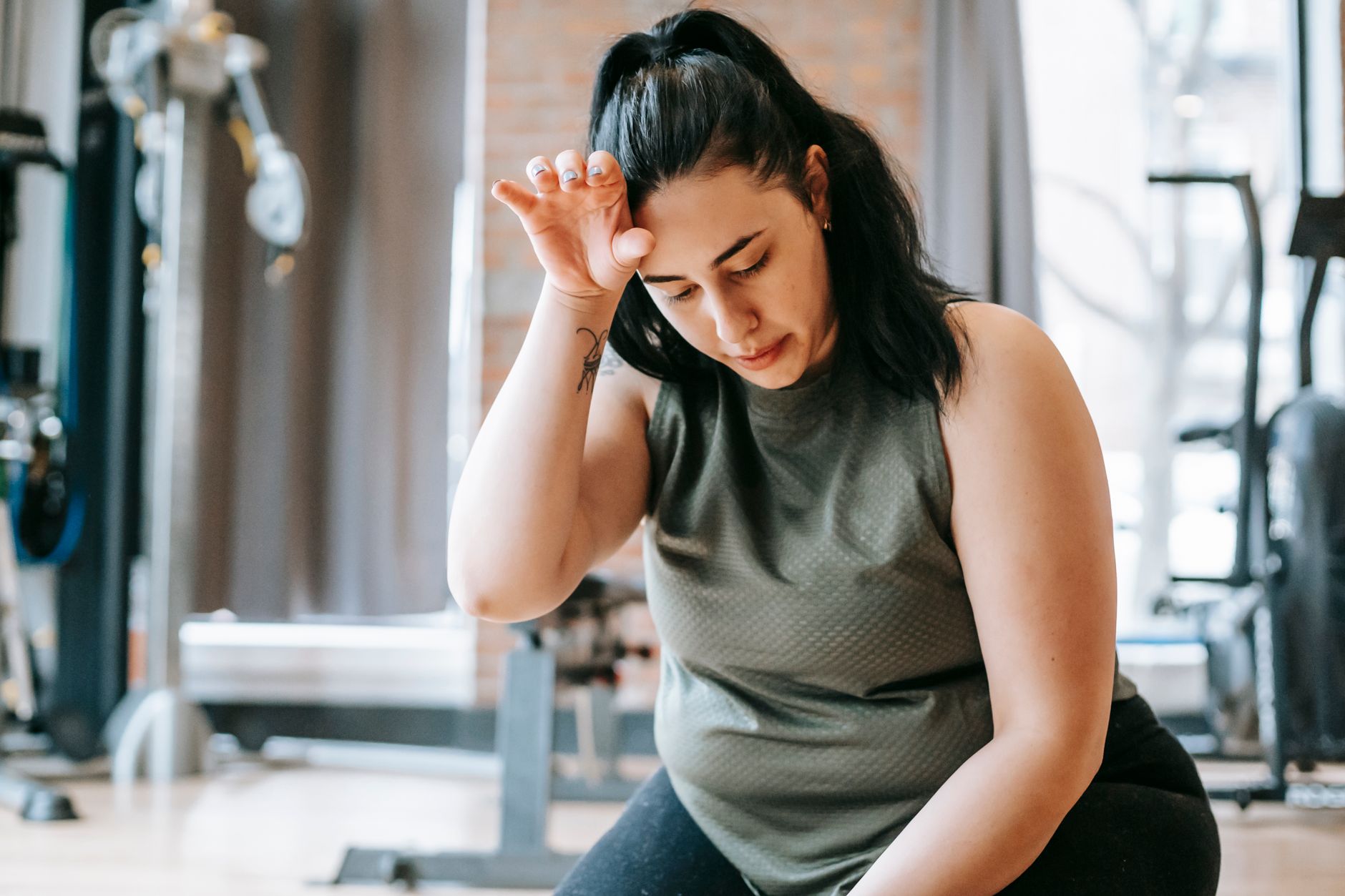
Older adults often overtrain because they feel pressure to maximize fitness quickly, mistaking intensity for effectiveness. Training more than six days weekly without variation in intensity or sport type increases injury risk dramatically and compromises recovery. A 66-year-old runner who runs 40 miles weekly at competitive paces is more likely to develop stress fractures, tendinitis, and burnout than someone who runs 25 miles with variety in intensity, distance, and cross-training. Reduced recovery capacity after 55 means that the same training load produces injury in older athletes that younger athletes tolerate. Recovery week discipline separates sustainable sports participation from burnout. One week every four to eight weeks should drop volume by 40 to 50% and lower intensity, allowing accumulated fatigue to dissipate and tissue repair to accelerate.
This feels counterintuitive—most people skip hard weeks when feeling tired—but reduced-volume weeks are when adaptations solidify. The limitation is that recovery weeks feel like wasted training time, particularly for competitive-minded older athletes who worry about losing fitness. Warning signs of overtraining include resting heart rate elevation of 5 to 10 beats above baseline, persistent fatigue, sleep disruption, mood changes, and elevated injury risk. A 61-year-old marathoner training for a fall race might interpret fatigue as “getting fit” rather than “getting injured,” continuing hard workouts until acute injury forces a break. The pattern repeats: burnout, rest, then too-rapid return to intensity. Prevention requires honest self-assessment and willingness to reduce training volume at the first signs.
Cross-Training for Injury Prevention and All-Around Fitness
Combining two or three sports prevents the overuse patterns that arise from single-sport focus. A runner who adds swimming or cycling once or twice weekly gives running muscles recovery time while maintaining aerobic fitness. This reduces impact load on knees and hips by 15% compared to running every session, a meaningful difference over months and years. A 67-year-old triathlete reports zero knee problems despite 20+ years of endurance training, whereas running-only peers deal with recurrent knee issues.
Strength training once or twice weekly becomes increasingly important after 55 because muscle loss accelerates. Bodyweight exercises like modified push-ups, squats, and planks, or light resistance training, maintain strength for daily activities like rising from chairs and carrying groceries. Swimming alone doesn’t preserve leg strength needed for hiking or stairs; cycling alone doesn’t maintain upper body function. Combining sports with targeted strength work addresses this gap with minimal additional time commitment.
Technology and Wearables for Safe Aging in Sports
Heart rate monitors and smartwatches help older athletes train safely by providing objective data about exertion level. A 64-year-old training for a half-marathon can use heart rate zones to ensure workouts stay within aerobic range rather than pushing into anaerobic stress that requires longer recovery. Training by feel alone can be unreliable; perceived effort varies based on sleep, hydration, and stress, but heart rate objectively reflects physiological load.
The limitation is data misinterpretation—some athletes become obsessed with metrics and ignore how they actually feel, leading to training decisions driven by numbers rather than health. Looking forward, as longevity increases and sports medicine understanding deepens, participation in adapted sports after 70 will become normalized. Current research suggests that athletes who maintain consistent, moderate sports participation in their 60s and 70s preserve aerobic capacity that would otherwise decline 8 to 10% per decade. The future of healthy aging includes more older adults doing sports they genuinely enjoy rather than suffering through joyless exercise obligation.
Conclusion
The best sports for healthy aging are those that align with your current fitness level, enjoy sustainable participation, and combine cardiovascular benefit with injury prevention. Walking, swimming, cycling, tai chi, and recreational tennis offer proven benefits when approached with realistic volume and proper recovery. Start with medical clearance, invest in proper form and equipment, and prioritize consistency over intensity—this is the foundation that transforms sport from a goal into a lifelong practice. Your next step depends on your current situation.
If sedentary, start with walking 20 to 30 minutes, three days weekly, building to five days over a month. If already active, explore a second complementary sport to reduce single-sport overuse. If recovering from previous injury or illness, consult a sports medicine professional or physical therapist before returning to higher-impact activities. The athletes who report the highest quality of life after 70 are those who started building sustainable habits in their 50s and 60s—the time to begin is now.
Frequently Asked Questions
Is running safe for people over 65?
Running is safe for many people over 65 with proper training progression, adequate recovery, and attention to injury signals. However, individual knee and hip health varies significantly. Someone with a history of knee problems or arthritis should run lower volumes and cross-train with swimming or cycling. Starting with a running analysis or gait assessment by a physical therapist clarifies whether your running mechanics increase injury risk.
How often should older adults do sports to see health benefits?
Three to five sessions weekly of moderate-intensity activity (where you can talk but not sing) produces measurable cardiovascular and bone health benefits. Less frequent activity provides some benefit, but consistency matters more than single sessions. Someone doing sports twice weekly will see benefits if those sessions continue for months and years.
Can someone start competitive sports at 60 or 65?
Yes, but progression should be gradual and guided by experienced coaches or instructors. Starting competitive sports requires building fitness over 12 to 16 weeks and learning proper technique to avoid injury. Many older adults compete in running races, tennis leagues, and cycling events without injury when they’ve trained appropriately and listened to their bodies.
What’s the difference between sports and exercise for aging?
Sports involve competition, specific skills, or games (tennis, running races, golf) and provide social engagement and cognitive challenge alongside physical activity. Exercise is structured movement focused primarily on fitness. Both have aging benefits, but sports often provide greater motivation and long-term adherence because enjoyment drives participation rather than obligation.
Should older athletes use supplements or special diets for sports performance?
Basic nutrition—adequate protein, hydration, and whole foods—supports aging sports performance without expensive supplements. Older athletes need slightly more protein (1.0 to 1.2 grams per kilogram body weight) to preserve muscle. Beyond that, supplements marketed to older athletes rarely deliver benefits; focus on consistent training, recovery, and basic nutrition instead.
How do I know if I’m overtraining?
Track resting heart rate daily—an increase of 5 to 10 beats above baseline signals overtraining. Also notice persistent fatigue, sleep disruption, mood changes, or increased injury frequency. If these appear, reduce training volume by 30 to 40% for one to two weeks and reassess. Proper recovery is when fitness improves, not during the hard training itself.