If you run regularly in humid climates, you know that standard earbuds are a liability. The combination of sweat and moisture degrades both the audio quality and the lifespan of your equipment, often leaving you with a single pair of earbuds lasting only a few months instead of years. Sweatproof earbuds are specifically designed to handle the moisture assault that comes with running in high-humidity environments—they feature sealed connectors, water-resistant materials, and special coatings that prevent internal corrosion and short circuits. For runners training in places like Florida, Southeast Asia, or during humid summer months anywhere, sweatproof earbuds aren’t a luxury; they’re a necessity if you want audio gear that actually survives the season.
The key difference between sweatproof and standard earbuds is the ingress protection (IP) rating, which measures how well a device resists water and solid particles. Most sweatproof earbuds carry an IP rating between IP54 and IPX7, meaning they can withstand significant moisture exposure without immediate failure. A runner in Miami or Houston who switches from regular earbuds to sweatproof models will notice an immediate difference: no more crackling during humid runs, no audio cutting out after weeks of use, and no corrosion visible on the charging contacts. However, sweatproof doesn’t mean waterproof—there’s a critical distinction you need to understand before making your purchase.
Table of Contents
- What Makes Earbuds Sweatproof in Hot, Humid Conditions?
- The Humidity Problem: Why Standard Earbuds Fail in Wet Climates
- IP Ratings Explained: Finding the Right Protection Level for Your Climate
- Choosing Between In-Ear, Over-Ear, and Open-Design Options
- The Battery and Charging Challenge in Humidity
- Sound Quality in Humid Climates: What to Expect
- Future Developments and Long-Term Durability Trends
- Conclusion
- Frequently Asked Questions
What Makes Earbuds Sweatproof in Hot, Humid Conditions?
Sweatproof earbuds achieve their durability through several design features working in concert. The speaker drivers are encased in water-resistant membranes that allow sound to pass through while blocking liquid. The charging contacts are gold-plated or coated with materials that resist corrosion from salts in sweat. The seams where components connect use silicone gaskets and hydrophobic adhesives to create barriers against moisture penetration.
Additionally, many sweatproof earbuds use nano-coating technologies on internal circuits that repel water at the molecular level, creating a protective shield even if moisture somehow reaches those components. The distinction between different IP ratings matters significantly in humid climates. An IPX4-rated earbud (splash-resistant) will handle sweat during a normal run but may fail if you use it during a heavy rainstorm. An IPX6 or IPX7-rated earbud (water-resistant to submersion depths) offers much better insurance against humid conditions combined with unexpected weather. For example, a runner training in Singapore using IPX4 earbuds might experience audio problems during the frequent monsoon-season downpours, while IPX7 earbuds would handle that stress without issue.
The Humidity Problem: Why Standard Earbuds Fail in Wet Climates
Standard earbuds weren’t designed to handle consistent moisture exposure, and humidity in enclosed ear canals creates a perfect environment for degradation. When you exercise in humid conditions, your ears produce moisture that gets trapped around the earbud. This moisture creeps into components, causing several failure modes. The first is corrosion of the charging contacts—you’ll notice the earbuds won’t charge or charge intermittently after a few weeks. The second is internal rust on the speaker drivers, which manifests as crackling, distortion, or complete audio dropout in one ear.
The third, less obvious problem, is the growth of bacteria and fungus inside the earbud cavity due to the warm, moist environment—this can cause ear infections even before the earbud physically fails. This is not a minor inconvenience in humid climates. A runner in New Orleans or coastal regions will find that standard earbuds purchased in spring are non-functional by early summer. The problem accelerates if you wash your earbuds immediately after running to remove sweat—ironically, the moisture from rinsing compounds the issue for non-sealed designs. Sweatproof earbuds don’t completely eliminate this risk, but they dramatically slow it. The sealed construction and coatings might extend the life from 3-4 months to 2-3 years, a meaningful difference when you factor in cost and the frustration of constantly replacing broken gear.
IP Ratings Explained: Finding the Right Protection Level for Your Climate
The IP rating system consists of two digits: the first indicates solid particle protection (0-6), and the second indicates liquid protection (0-9). For sweatproof earbuds, only the second digit matters. IPX4 means protection against splashing water from any direction. IPX5 adds protection against water jets from any angle. IPX6 handles powerful water jets. IPX7 means the earbud can be submerged in up to 1 meter of water for 30 minutes.
IPX8 goes deeper, rated for continuous submersion. Your climate and running habits should determine your target rating. If you run in a consistently humid environment but rarely get caught in rain, IPX4 is the minimum you should consider, though IPX5 provides noticeably better confidence. If you run in areas with frequent afternoon thunderstorms or during monsoon seasons, you want IPX6 or higher. A runner in Phoenix during summer (dry heat) might be fine with IPX4, but the same runner who occasionally trains during monsoon season should step up to IPX6. It’s tempting to always buy the highest rating, but there’s a real tradeoff: higher IP ratings often correlate with larger, heavier earbuds and shorter battery life due to the more robust sealed construction. For pure sweat exposure without rain, IPX5 typically offers the best balance.

Choosing Between In-Ear, Over-Ear, and Open-Design Options
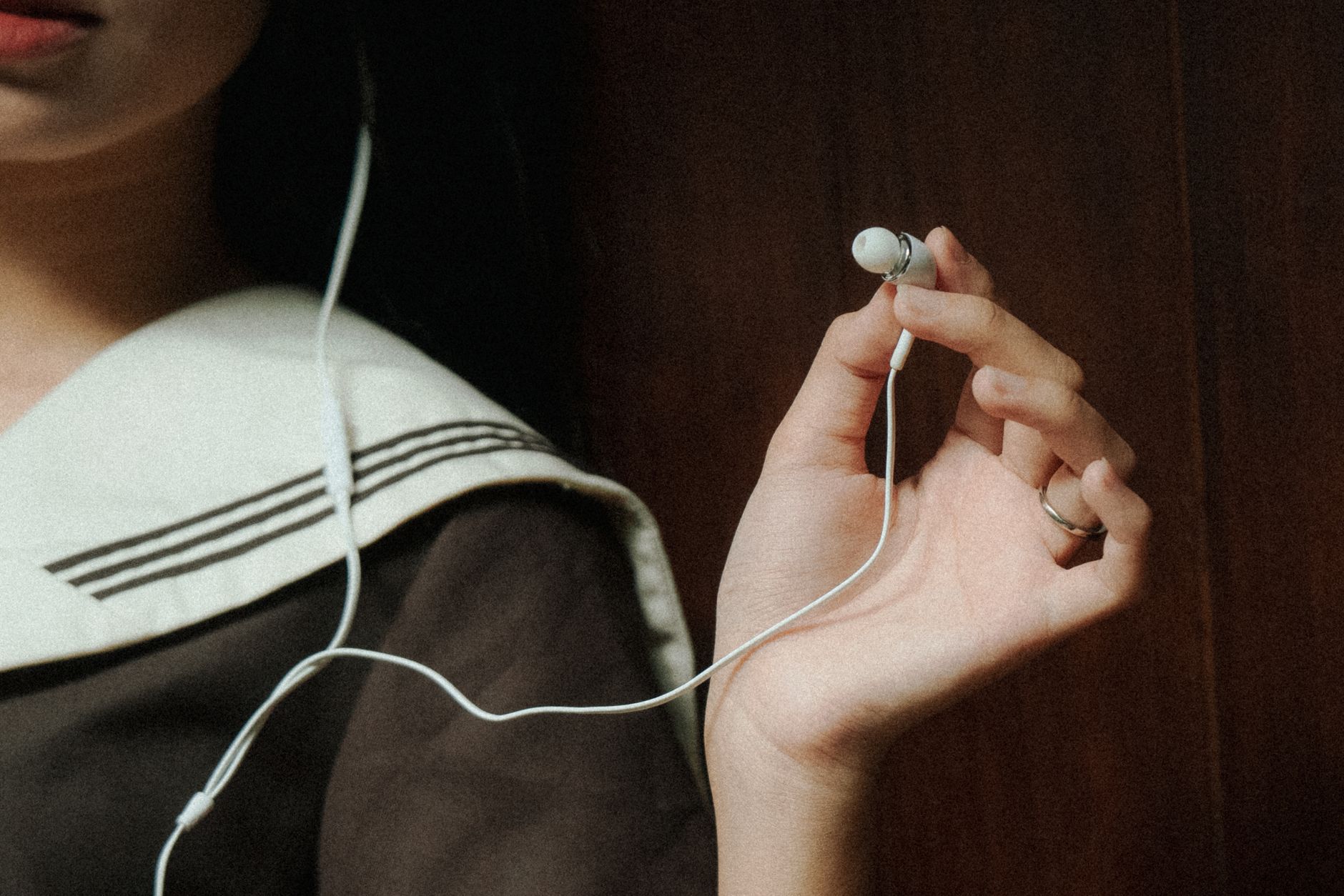
In-ear sweatproof earbuds dominate the running market because they’re secure, prevent moisture from pooling, and offer decent isolation. However, not all in-ear designs are equally sweatproof. The key variable is the fit: a loose fit allows sweat to bypass the seal and pool against your skin, while a snug fit with the right ear tip size maximizes the protective benefit. Most serious runners need to experiment with multiple ear tip sizes (the silicone rubber pieces that create the seal) to find the one that works for their ear canal shape. This matters because a poor fit can render even an IPX7 earbud less protective than a well-fitted IPX5 model.
Over-ear and hook-style sweatproof earbuds are growing in popularity for humid climate runners because they offer superior stability during intense workouts and better moisture drainage. Instead of sitting directly in the ear canal, the sweat flows down and away from the earbud itself. The tradeoff is visibility—over-ear designs are bulkier and more noticeable, which some runners dislike. Open-design earbuds, which let ambient sound in, are generally poor choices for humid climates because the openness allows moisture to reach the drivers more easily. A runner choosing between a standard in-ear sealed design and an open earbud should recognize that in-ear sealed designs offer considerably better sweatproof performance in humid conditions, even if the open design sounds slightly better during casual use.
The Battery and Charging Challenge in Humidity
One of the most frustrating failure points for sweatproof earbuds is the charging case and charging contacts. Even with gold-plating, corrosion can develop on charging contacts over time in humid climates. The charging case itself must also resist moisture, or water will damage the earbuds while they’re stored. Many runners in humid regions experience a pattern: the earbuds function fine during workouts, but charging becomes intermittent or fails entirely after a few months. This suggests moisture accumulation in the charging contacts despite the IPX rating.
To extend the life of sweatproof earbuds in humid climates, allow them to dry completely before placing them in the charging case—this might mean 30-60 minutes of air drying if you run in extreme humidity. Store the case in a dry location, ideally with a small desiccant packet (silica gel) inside to absorb ambient moisture. Some runners use a small ziplock bag with a packet of silica gel to store their earbuds between runs, which provides significant insurance against humidity damage. One limitation of even the best sweatproof earbuds: the charging pins are still vulnerable because they must remain exposed to connect with the case. No amount of sealing can completely eliminate this vulnerability. Battery capacity also tends to degrade faster in humid environments, so expect sweatproof earbuds to hold a full charge for perhaps 80% as long as their rated lifespan in temperate climates.
Sound Quality in Humid Climates: What to Expect
A common misconception is that sweatproof earbuds sacrifice audio quality for durability. In reality, the relationship is more nuanced. The water-resistant membrane covering the speaker driver does affect sound slightly—bass frequencies can sound slightly less punchy, and treble might seem slightly rolled-off compared to an open, uncoated speaker. However, modern water-resistant membranes are thin enough that this effect is minimal with quality engineering.
The real audio degradation happens after a standard earbud has been exposed to humidity for weeks; crackling, distortion, and dropout are far worse than any intentional acoustic tradeoff made for durability. For runners who prioritize both sweatproof reliability and sound quality, the solution is to choose a brand with good engineering rather than the cheapest sweatproof option. A $150-200 sweatproof earbud from an established audio brand will sound noticeably better than a $40 knockoff with the same IP rating. The build quality and materials used in the protective coatings vary significantly between brands, meaning two IPX5 earbuds might have very different real-world durability in humid environments. A runner in high-humidity conditions should plan on replacing the ear tips (the replaceable silicone rubber seals) every 3-6 months, as these degrade faster and are inexpensive to replace.
Future Developments and Long-Term Durability Trends
The sweatproof earbud market is evolving rapidly, with manufacturers exploring more durable materials and better moisture barriers. Some newer models use graphene coatings and ceramic-based hydrophobic treatments that promise superior long-term humidity resistance. Solid-state batteries, which eliminate the liquid electrolytes found in traditional lithium-ion cells, could eventually make sweatproof earbuds far more durable in humid climates—though these batteries are still emerging technology and not yet common in consumer earbuds.
The trend is clearly toward better humidity protection without sacrificing audio quality or adding bulk, suggesting that sweatproof earbuds bought in 2027 or later will likely outperform current models. For runners dealing with humid climates today, the best approach is to view sweatproof earbuds as consumable technology with a expected lifespan of 2-3 years rather than investing in premium models expecting decade-long durability. Maintenance practices (drying before storage, using desiccants, replacing ear tips regularly) extend that lifespan meaningfully. As climate change intensifies humidity in many regions, sweatproof earbuds will shift from a specialty product for tropical runners to something approaching a necessity for anyone training outdoors in summer months.
Conclusion
Sweatproof earbuds for humid climates are a worthwhile investment for serious runners, delivering 3-5 times longer lifespan than standard models when matched to your specific climate and workout patterns. The key is understanding IP ratings, choosing the right fit and design for your ear shape, and maintaining your earbuds properly between runs. An IPX5 or higher rated earbud with secure in-ear fit and good sealing will handle the moisture assault that degrades standard earbuds within weeks.
Before buying, consider your specific climate: tropical and monsoon regions demand at least IPX6, while dry climates with occasional humidity can manage with IPX5. Expect to spend $100-300 on quality sweatproof earbuds, with the understanding that regular ear tip replacement and proper drying routines will be part of your maintenance schedule. For runners in Florida, the Gulf Coast, Southeast Asia, or anywhere with persistent humidity, sweatproof earbuds aren’t an optional upgrade—they’re the baseline for audio gear that won’t become a monthly replacement expense.
Frequently Asked Questions
Can I use regular earbuds if I dry them immediately after running?
Not reliably. While immediate drying helps, moisture penetrates sealed components and corrodes contacts even with cleaning. Sweatproof earbuds have coatings and construction that active runners in humid climates depend on; drying extends regular earbud life slightly but doesn’t approach the durability of designed-for-sweat models.
How often should I replace the ear tips on sweatproof earbuds?
In humid climates, replace ear tips every 3-6 months or when you notice degradation in fit or seal. The silicone rubber breaks down faster in wet conditions and loses its water-resistant properties as it ages. This is inexpensive maintenance that keeps your earbuds functioning reliably.
Are “waterproof” earbuds the same as sweatproof?
No. Waterproof typically means the earbud can handle submersion (IPX7/8), which is more protection than most runners need. Sweatproof starts at IPX4 and means the earbud handles sweat and splashes reliably. IPX5-6 covers both sweat and light rain. IPX7-8 is waterproof and unnecessary unless you’re swimming, though some runners prefer the extra margin.
Will sweatproof earbuds prevent ear infections from humidity exposure?
Sweatproof earbuds don’t eliminate risk entirely, but they reduce it by keeping the earbud cavity drier and preventing moisture accumulation. The sealed design and water-resistant materials lower the chance of bacterial growth significantly compared to regular earbuds. Good hygiene—drying earbuds completely before storage—is still important.
What’s the real-world lifespan of sweatproof earbuds in humid climates?
Expect 2-3 years with proper maintenance (drying, ear tip replacement, desiccant storage). This is 5-10 times longer than standard earbuds in the same conditions. Cheaper models may degrade faster, while premium sweatproof earbuds sometimes reach 3-4 years before battery degradation forces replacement.
Is there a significant price difference between IPX5 and IPX7 sweatproof earbuds?
Yes, typically $30-100 more for IPX7. The additional sealing and construction quality add cost. For humid-climate runners who rarely swim, IPX5 offers better value and similar real-world durability for sweat-focused use. IPX7 provides insurance if you encounter unexpected water exposure.