Sleep Apnea and Running: Can Regular Cardio Workouts Reduce Symptoms?
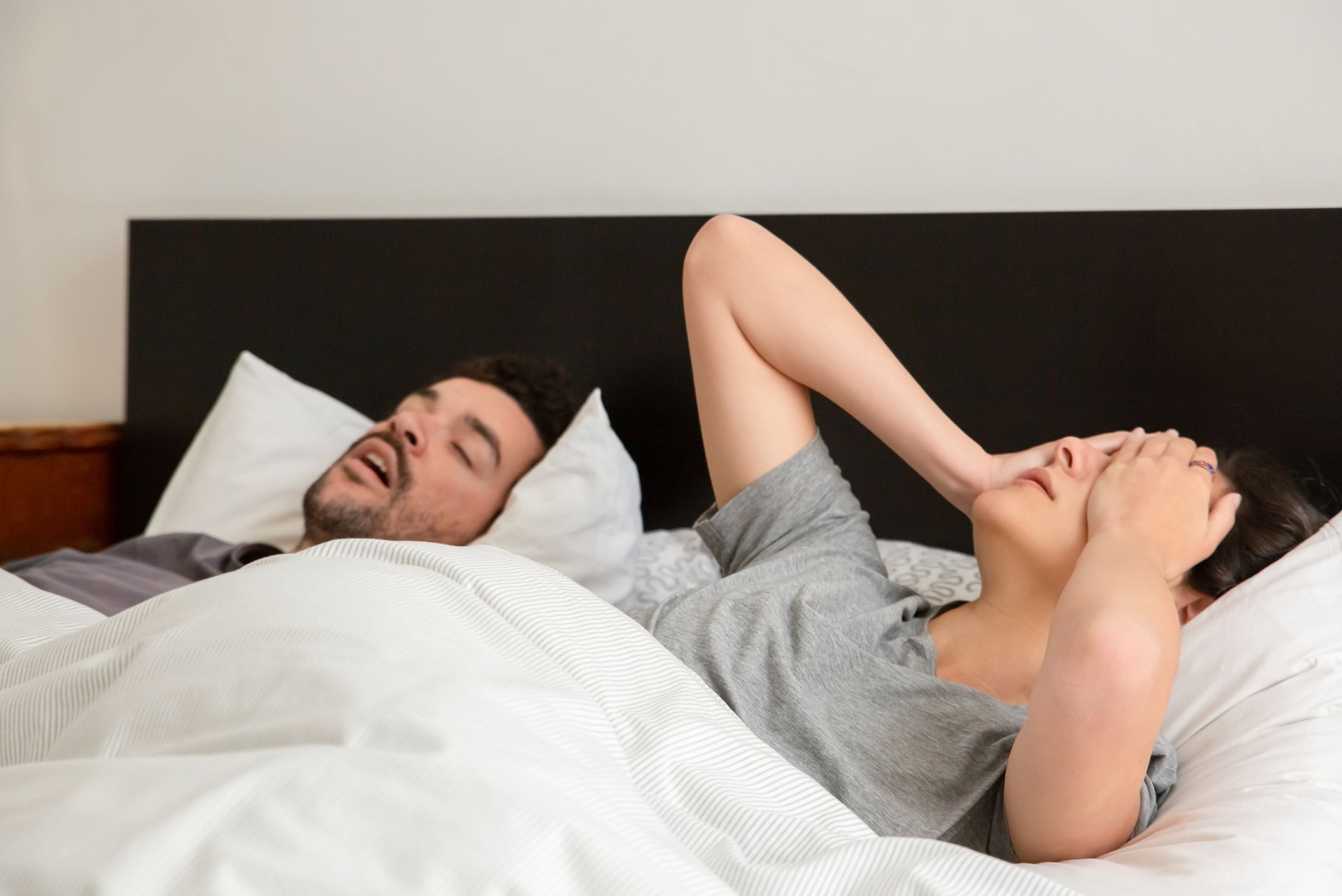
See how steady running plus strength training can ease apnea symptoms while supporting medical care.
See how steady running plus strength training can ease apnea symptoms while supporting medical care.
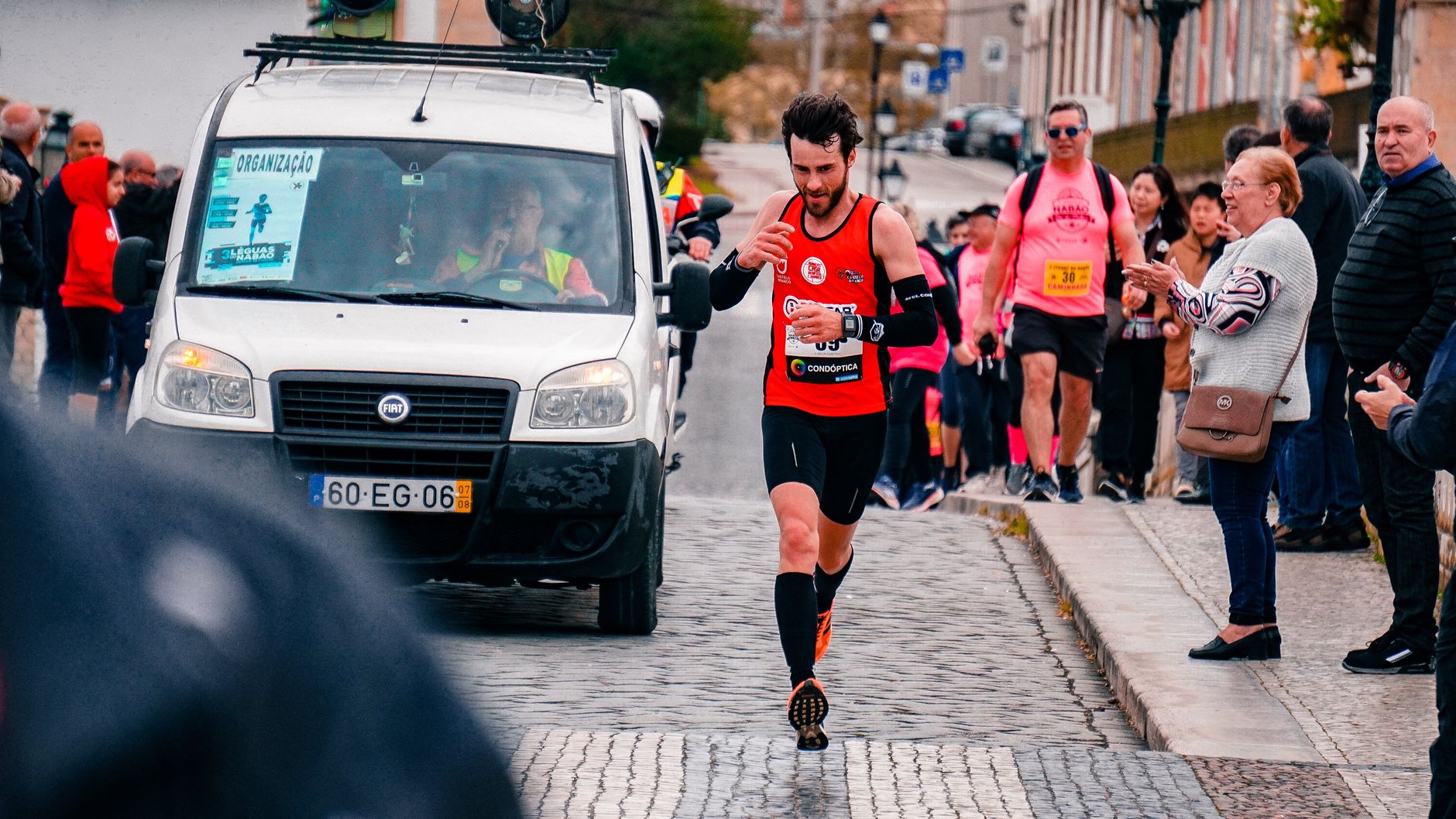
Set a 20-minute early-afternoon alarm and leave 30 minutes before running to lift recovery without harming sleep.
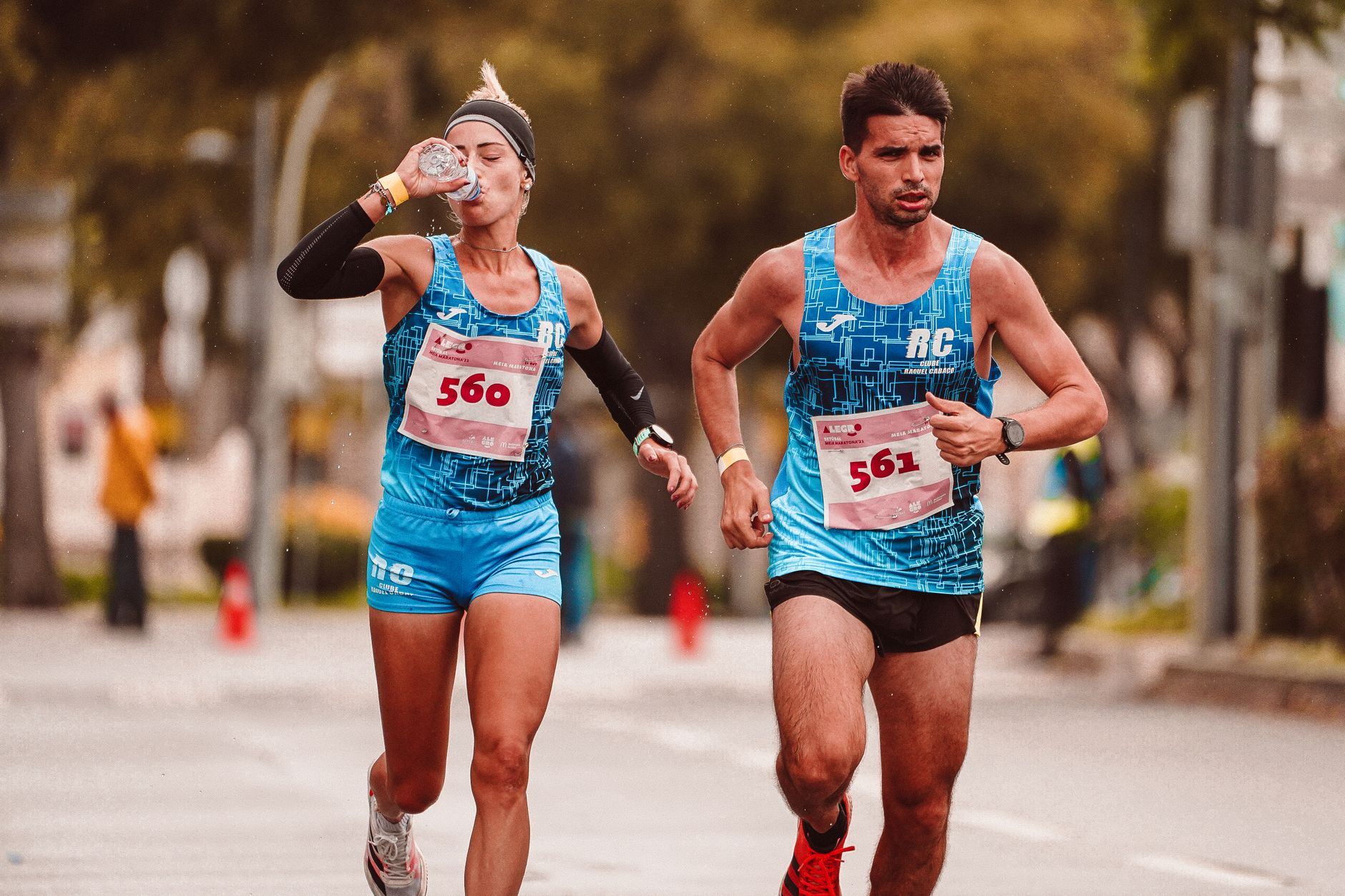
Learn how much magnesium runners need, when food beats pills, and what helps cramps and sleep.

Find the lowest melatonin dose for runners, ideal bedtime timing, and ways to dodge next-day grogginess.
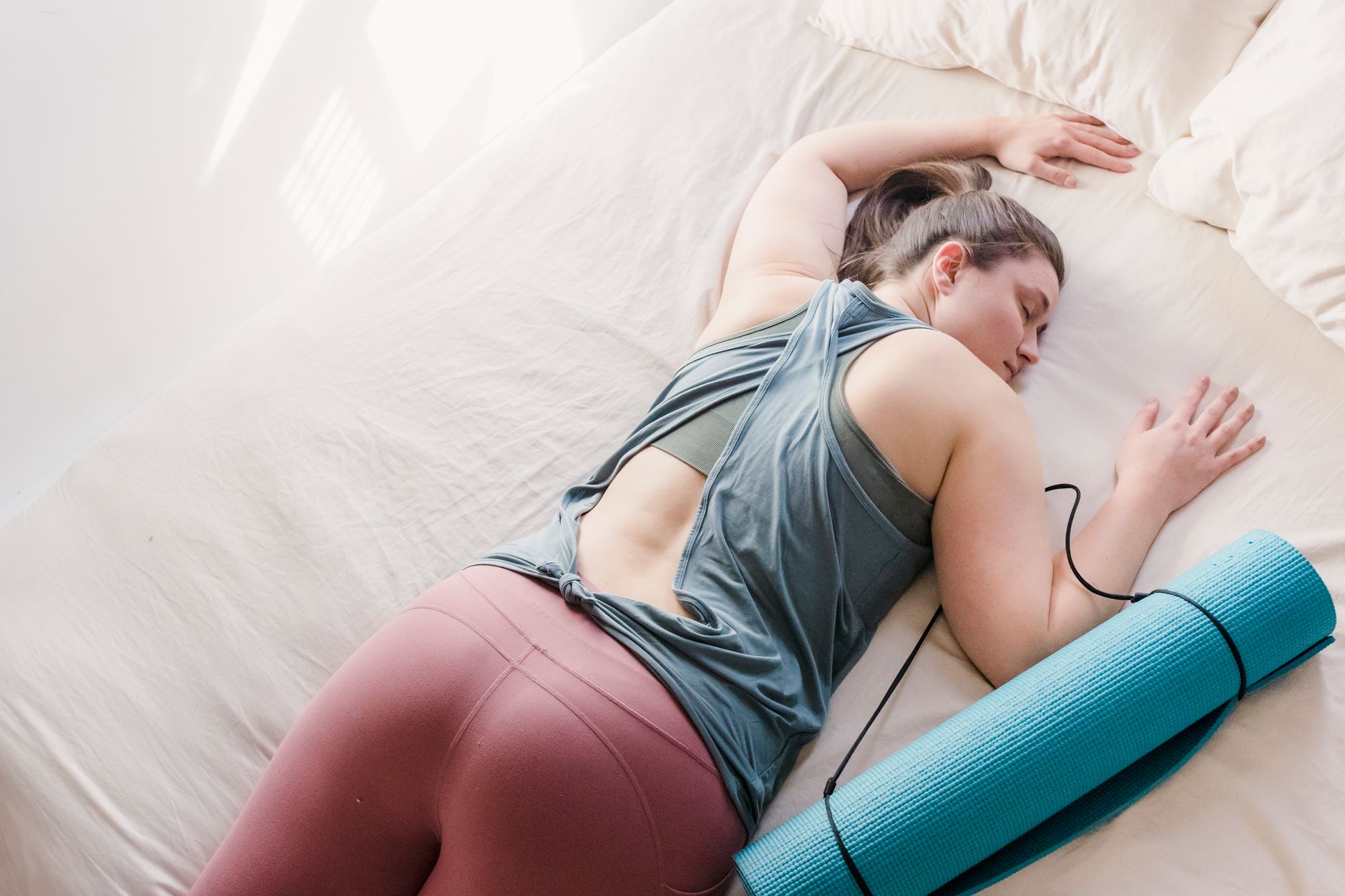
Match sleep hours to weekly mileage and workout intensity to recover faster and lower injury risk.

Cool your body, calm leg pain, and darken your room to fall asleep faster after 26.2 miles.
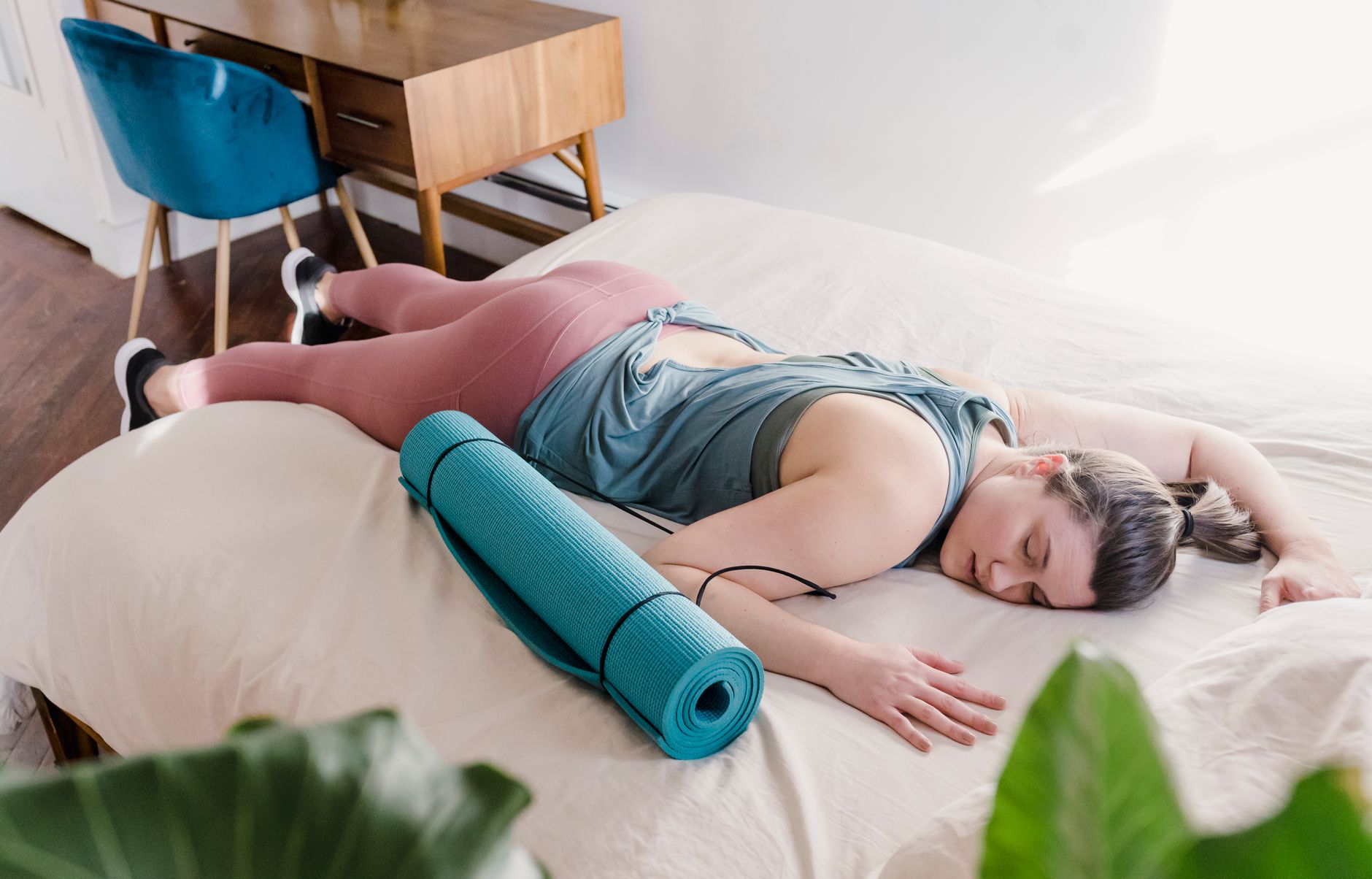
Bank sleep all week, shift bedtime early, and race Chicago rested after one restless night.
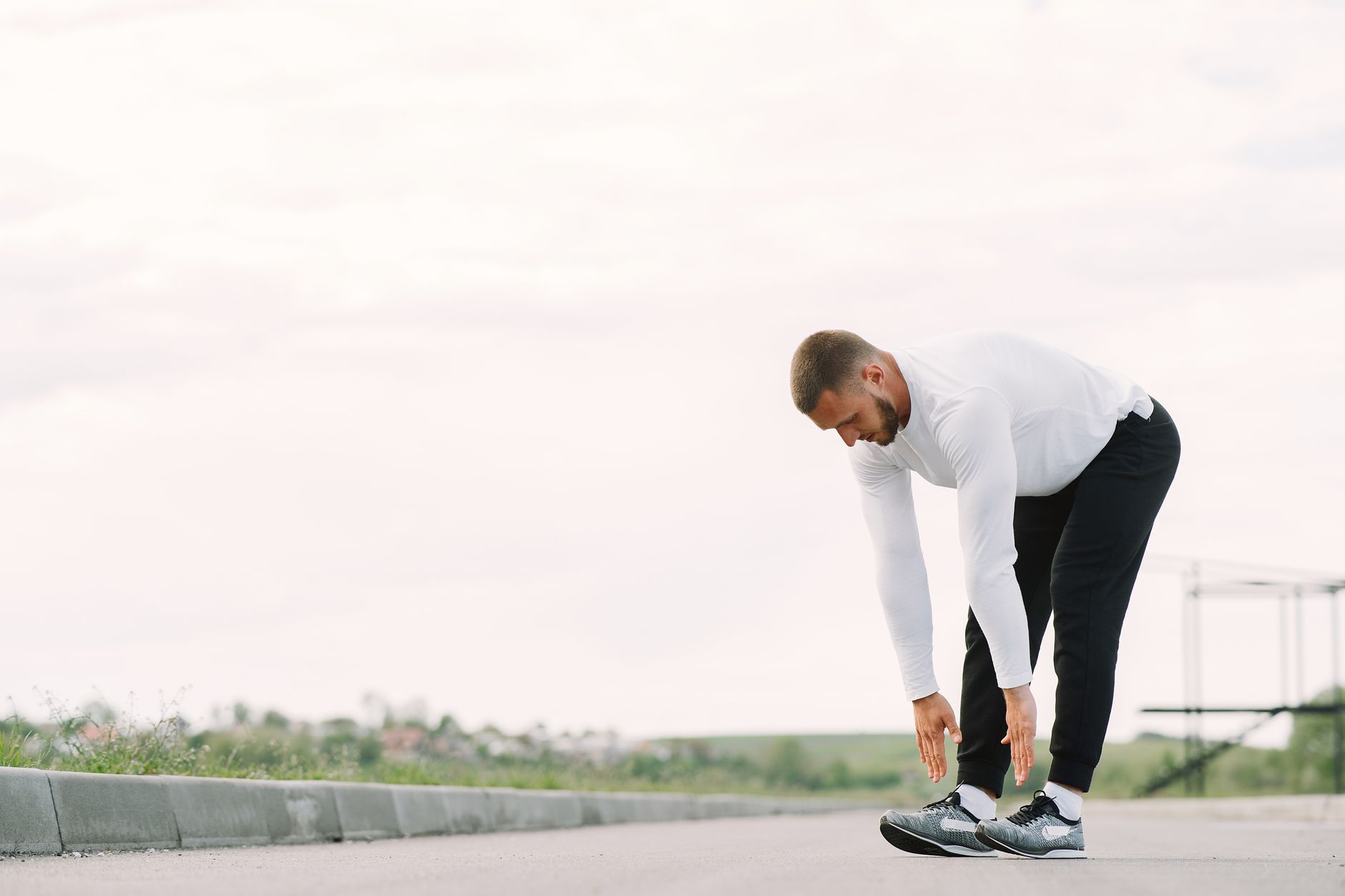
Find the run time you can keep, plus simple intensity and bedtime rules that protect sleep quality.

Keep your wake time steady, use morning light, and make evening runs visible after the Nov. 1 clock change.
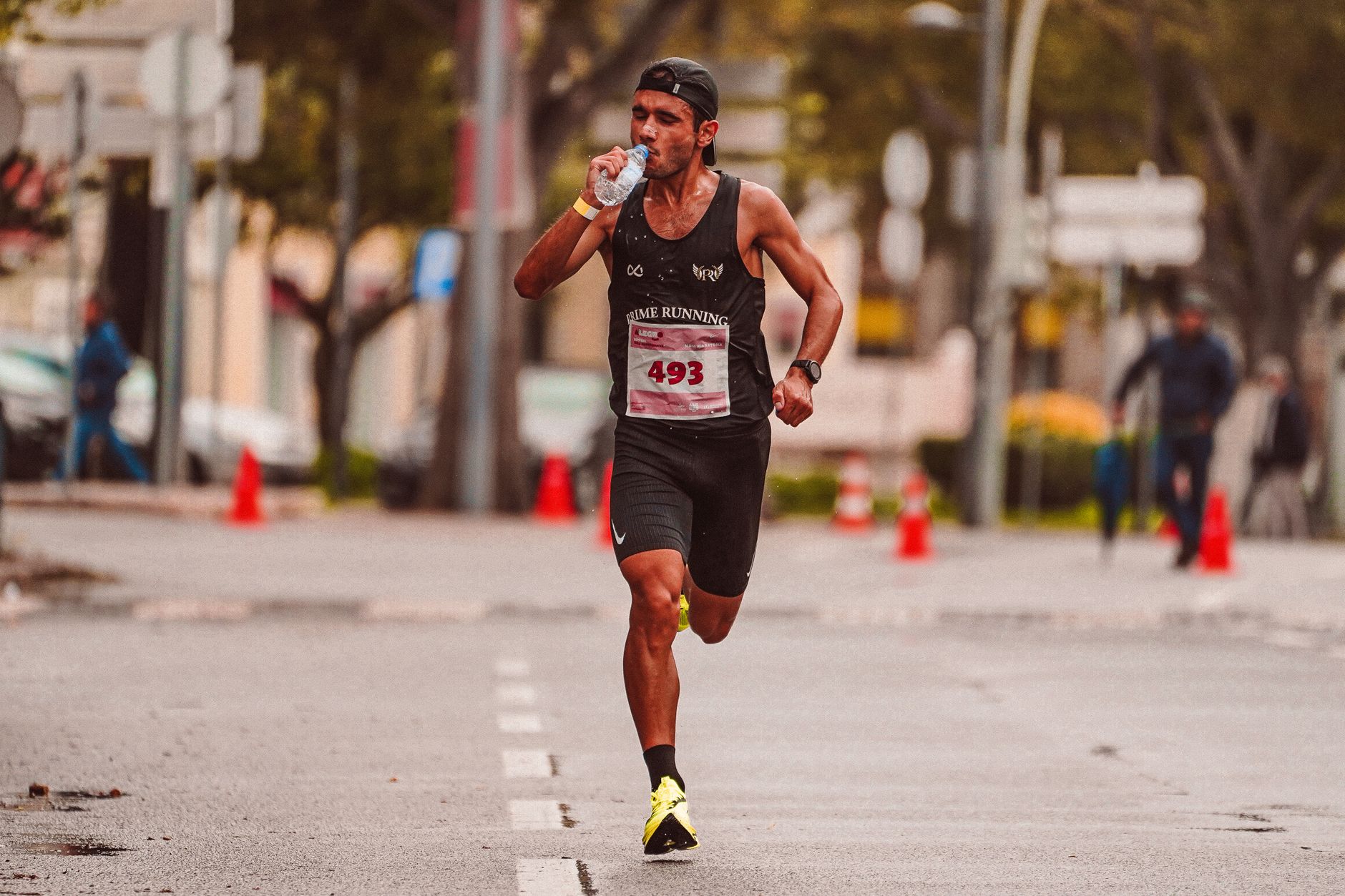
Use the fall-back hour wisely: set sleep, alarms and wave plans for a calmer November 1 start.