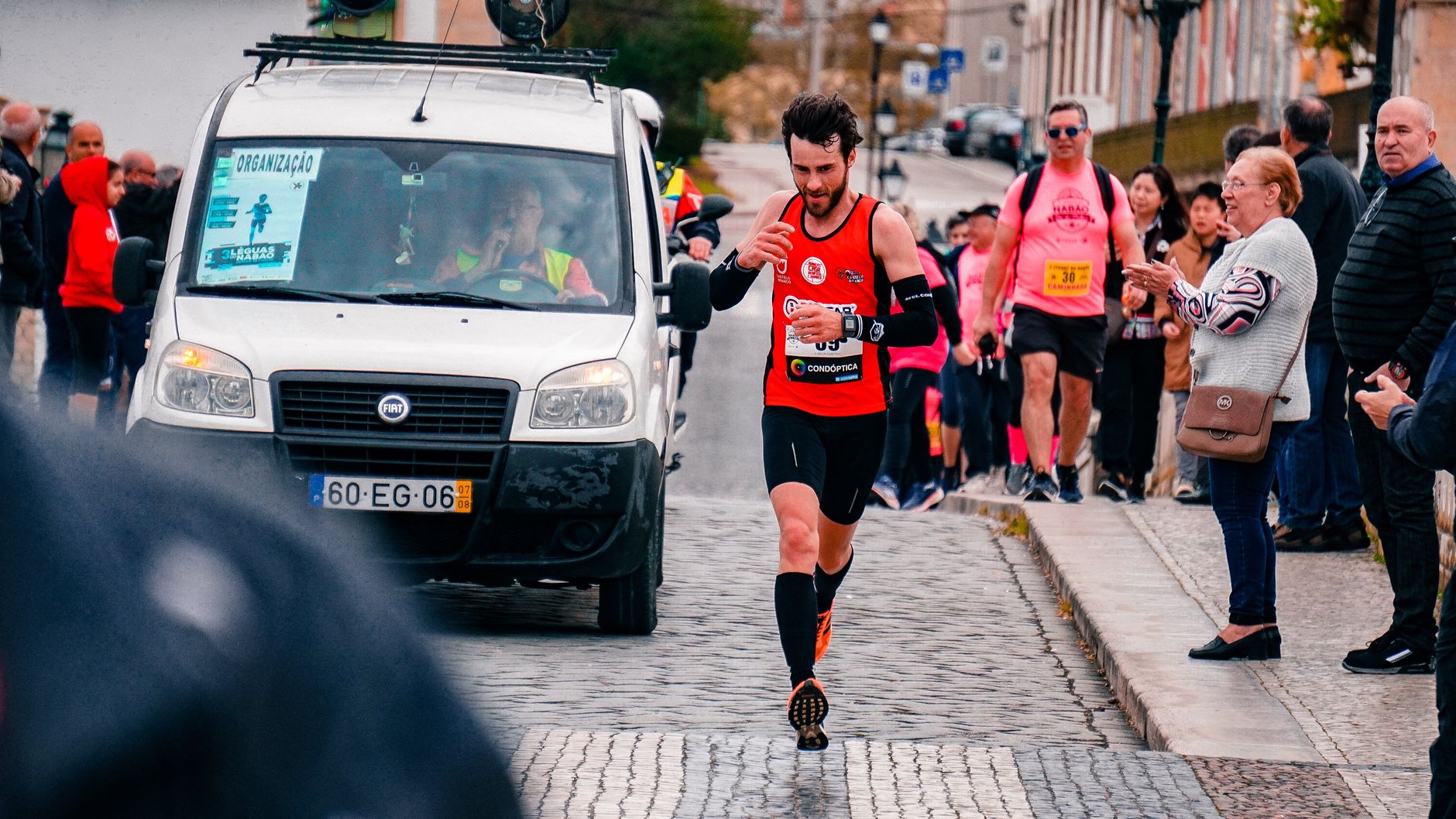
Runners recover best with a 20- to 30-minute nap in the early afternoon. It restores alertness and mood without hurting night sleep.
A power nap means a short daytime sleep that stays in light sleep. Light sleep lets you wake easier with less grogginess. The Sleep Foundation explains this benefit in its power-nap guide.
Medical information disclaimer: This article is for general educational purposes only and does not provide medical advice, diagnosis, or treatment. Always consult a physician or other qualified health professional about symptoms, medications, tests, or treatment decisions.
Table of Contents
- Why 20 to 30 minutes works best
- When a 90-minute nap helps more
- How to time naps around runs and bedtime
- What short sleepers should do differently
Why 20 to 30 minutes works best
A 20- to 30-minute nap avoids deep sleep. You wake clearer and return to training sooner. Mood and focus often lift after even one short nap.
Longer light naps can drift into deep sleep. Waking from deep sleep brings heavy grogginess. For most training days, the short window gives recovery with the least cost.
When a 90-minute nap helps more
A 90-minute nap can include a full cycle of deep and REM sleep. The Sleep Foundation notes that cycle supports physical recovery and memory. It needs more time plus a buffer to wake fully.
Use it on rest days or after very short nights. Choose a quiet, dark room and allow extra time before duties. Do not expect it to replace regular nightly sleep.
How to time naps around runs and bedtime
A 2021 athlete review found 20- to 90-minute naps from about 13:00 to 16:00 can aid performance, fatigue, mood, and nighttime sleep, as summarized in the Gatorade Sports Science Institute practitioner guide for athletes. Early-afternoon timing fits the natural circadian dip.
Late naps push bedtime later. Harvard Health Publishing warns that late-afternoon or evening naps make falling asleep harder and advises avoiding naps after about 3 p.m., as explained in its nap and nighttime sleep guidance.
- Set an alarm for 20 to 30 minutes.
- Nap in the early afternoon, ideally before 3 p.m.
- Keep lights low, room cool, and phone silent.
- Leave about 30 minutes awake before running so sleep inertia fades.
What short sleepers should do differently
In 11 trained male runners, a 20-minute afternoon nap about 90 minutes before evening exercise did not raise endurance overall. Runners sleeping under 7 hours improved most and felt less effort. The result points to catch-up value after a short night.
Adults ages 18 to 60 need at least 7 hours nightly, according to CDC guidance. So treat naps as a supplement after short nights, not a fix for ongoing loss. Keep the run at least 30 minutes after waking and use longer naps rarely.