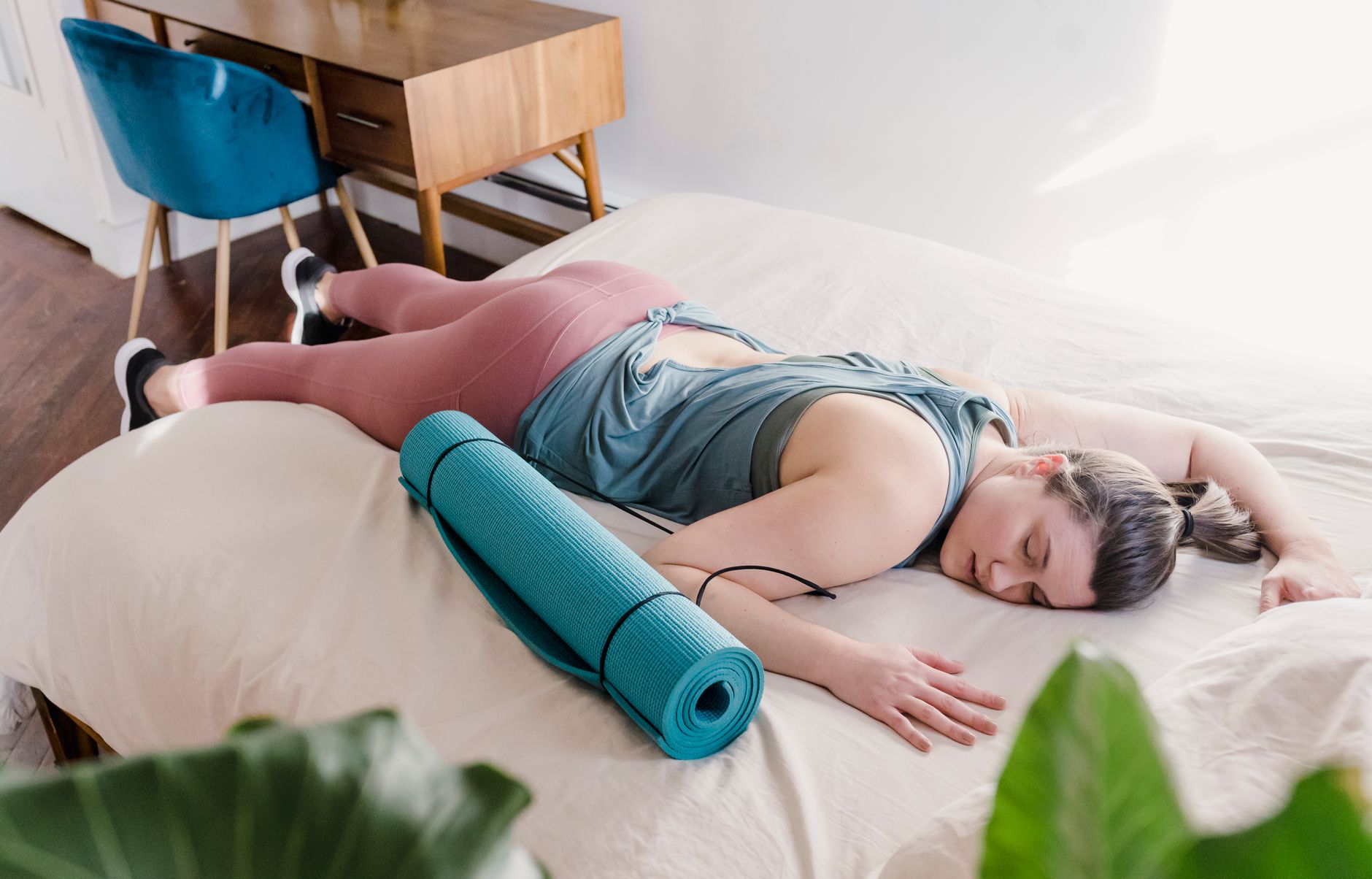
You can still run well after a restless night before the Chicago Marathon. According to Mint Lounge, reporting on race-season coaches and sports scientists, one fragmented night does not significantly impair aerobic endurance performance race-day sleep strategies. Sleep banking means spending extra time in bed earlier in the week to buffer one short night. Start that work now, move bedtime earlier each day, and treat the whole race week as your sleep plan.
Medical information disclaimer: This article is for general educational purposes only and does not provide medical advice, diagnosis, or treatment. Always consult a physician or other qualified health professional about symptoms, medications, tests, or treatment decisions.
Table of Contents
- Shift Early for the Grant Park Start
- Bank Sleep When It Counts
- Build a Hotel Room That Lets You Sleep
- Watch Caffeine, Chocolate, Nicotine, and Alcohol
- What If You Lie Awake the Night Before?
Shift Early for the Grant Park Start
Chicago demands an early wake-up from Grant Park. Athletics Weekly notes the 2025 wheelchair divisions started at 7:20–7:21 a.m. CT and elites at 7:30 a.m. CT 2025 Chicago Marathon start guide.
Out-of-town runners should shift bedtime and wake-up earlier during race week. Move both a little earlier each day rather than forcing one big change. Get bright light soon after waking and dim the lights after dinner. By Friday, your body already expects sleep before nerves hit.
- Set the alarm earlier in small steps through the week
- Take a short morning walk outside for daylight
- Keep meals, naps, and bedtime on the new schedule
Bank Sleep When It Counts
Banking sleep means extending time in bed for several nights before an expected short night. The Sleep Foundation reports that extra 60–90 minutes, or up to about 10 hours in bed, improves next-day alertness and limits loss during brief deprivation. Aim for full nights all week, not just Saturday. CDC guidance says adults ages 18–60 need at least 7 hours for health.
The Sleep Foundation advises athletes to get 7–9 hours nightly, plus extra sleep before travel and heavy competition. That week-long pattern matters for racing sharp. In the Suffolk Back Yard Ultra-marathon study, higher average sleep scores over the 7 days before the race correlated with better post-race thinking speed and faster reaction time peer-reviewed PLOS ONE study. Go to bed with a surplus, not a debt.
Build a Hotel Room That Lets You Sleep
Make the strange room feel familiar and boring. An athlete sleep-hygiene review in the International Journal of Sports Medicine recommends a consistent bed and wake time, plus a cool, dark, and quiet bedroom.
Keep workouts to daytime and avoid a hard late-night sweat. Skip heavy late meals and switch screens off for a calm wind-down. Pack what creates that setting anywhere.
- Bring earplugs, an eye mask, and your own pillowcase
- Set the thermostat cool and close blackout shades
- Charge the phone across the room and use an alarm clock
Watch Caffeine, Chocolate, Nicotine, and Alcohol
What you consume in the evening changes how you sleep. CDC workplace-sleep guidance tells people to avoid caffeine, chocolate, and nicotine for 5 or more hours before planned sleep CDC NIOSH sleep guidance. Finish alcohol several hours before bed.
Alcohol may make you drowsy at first, but CDC notes it fragments sleep in the second half of the night. That broken second half hurts an early alarm most. Keep dinner light, familiar, and finished early. Save coffee for the morning, skip the evening chocolate dessert, and choose water or milk with dinner.
What If You Lie Awake the Night Before?
Do not turn one bad night into a crisis. The same coaches and scientists say worry about not sleeping harms race-day mindset more than the lost sleep itself. Stay in bed, breathe slowly, and let rest count. Avoid clock-watching and scrolling results or weather.
If your mind races, get up briefly under dim light, then return to bed. Remind yourself that weekly sleep carries you. Good sleep also supports staying healthy for the start. A survey of 425 recreational runners led by Eindhoven University of Technology linked shorter and poorer sleep with nearly double the injury risk, though the observational design cannot prove sleep loss caused injuries. Lay out your bib, set one alarm, then lights out.