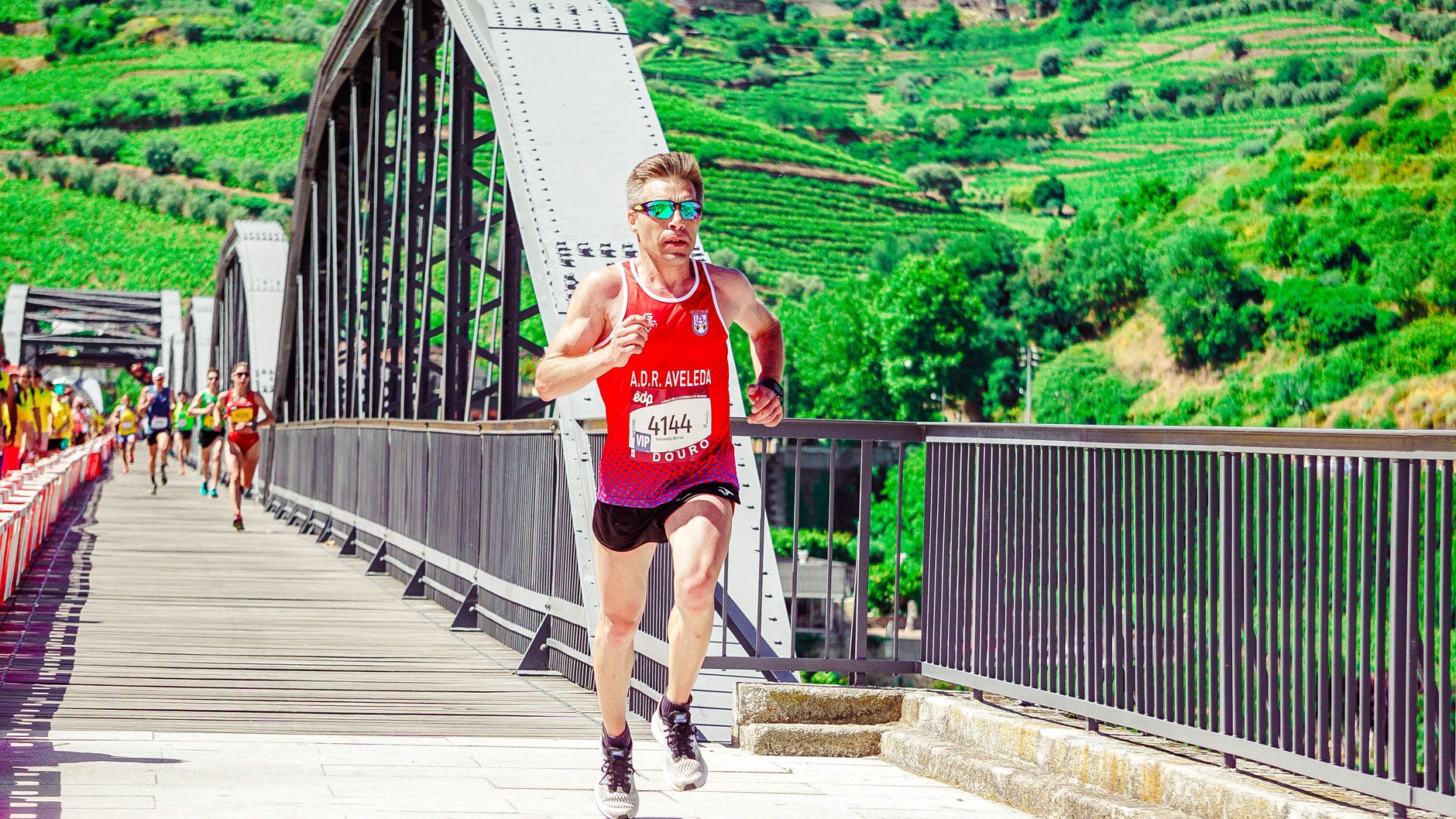
Runners can't sleep after a marathon because the body stays stressed long after the finish. Cortisol remains high, the fight-or-flight system stays active, heart rate and body heat stay up, and leg soreness keeps waking them. Post-race insomnia means trouble falling asleep or staying asleep on race night. It hits tired finishers who expect deep sleep and instead lie alert, warm, and sore.
Medical information disclaimer: This article is for general educational purposes only and does not provide medical advice, diagnosis, or treatment. Always consult a physician or other qualified health professional about symptoms, medications, tests, or treatment decisions.
Table of Contents
- Why does exhaustion still feel wired?
- How do heat and heart rate block sleep?
- Why does leg pain peak at bedtime?
- What helps you fall asleep faster?
Why does exhaustion still feel wired?
Prolonged hard running keeps the sympathetic fight-or-flight system switched on. Adrenaline and mental arousal can continue for hours, which delays sleep onset even when you feel spent, according to Dr. Abhinav Singh of the Indiana Sleep Center in this Advnture interview.
That arousal is mental as well as physical. You may replay aid stations, splits, or a late-race surge while lying still. The result is a wired-tired state. Your muscles want rest, but your brain and pulse act as if the race is still on.
How do heat and heart rate block sleep?
Sleep usually follows an evening drop in core body temperature. After a marathon, elevated heart rate and core temperature oppose that drop.
Early-night sleep then comes late or stays shallow. Many runners feel warm, restless, and lightly asleep for the first hours. A cool shower, light bedding, and a cool room help the body make the downward shift.
Why does leg pain peak at bedtime?
Whole-body ache keeps runners awake because soreness, micro-tears, and inflammation raise arousal. Every shift to ease one leg can wake you again. That timing is normal for delayed-onset muscle soreness.
Soreness often starts 6-12 hours after hard exercise, peaks at 24-72 hours, and reflects microtrauma plus short-term inflammation, according to this Banner Health sports-medicine article. Marathon impact centers on calves, quads, and hamstrings. Pressure from sheets, stairs to the bedroom, walking to the bathroom, and finding a comfortable position can all sting. Propping pillows to unload sore spots often feels better than lying flat.
What helps you fall asleep faster?
A calm, cool routine lowers arousal and pain before bed. Canadian Running Magazine runner-insomnia guidance recommends steps such as those in this runner-insomnia guide.
Responses vary widely because post-race evidence is often small, observational, or based on activity trackers. Pain, cortisol, heat, caffeine, travel, and race excitement can combine differently for each runner, according to a 2023 narrative review in Frontiers in Neurology in this Frontiers in Neurology review. Pick two actions tonight: cool the room to a crisp setting and set out water, pain relief, and pillows before you get into bed.
- Finish a full cool-down and keep hydrating after the race
- Treat pain early rather than waiting until bedtime
- Make the bedroom cool, dark, and quiet
- Avoid caffeine and alcohol near bedtime