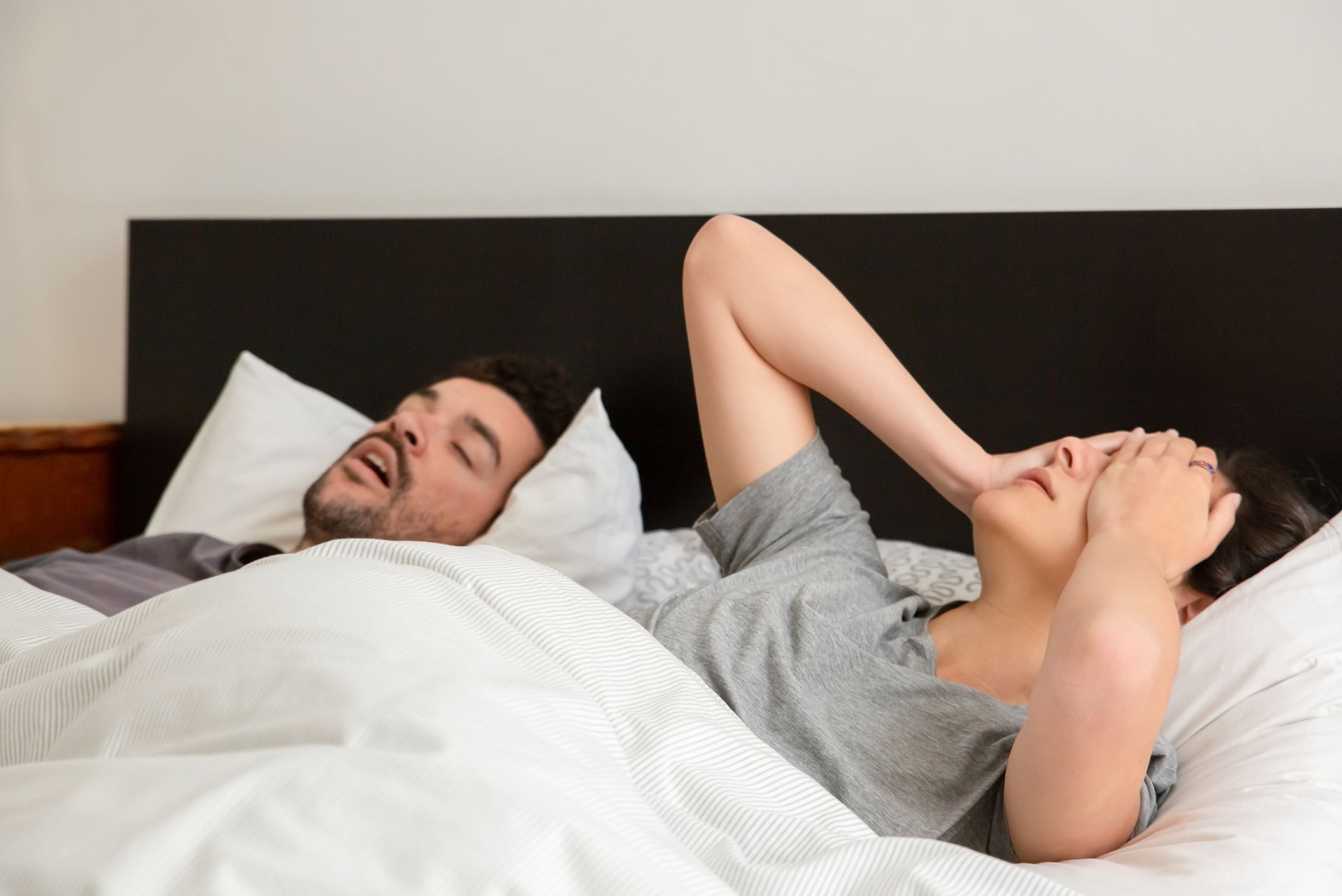
Yes, regular cardio workouts like running can reduce sleep apnea symptoms. Obstructive sleep apnea causes repeated pauses or shallow breathing during sleep, and exercise training lowers their frequency. A meta-analysis published in Lung found exercise training significantly reduced apnea-hypopnea index with minimal body-weight change, plus better oxygen uptake, sleep efficiency and daytime sleepiness.
This matters for runners who snore loudly or feel sleepy during the day. Regular training improves fitness and daytime function. It works best alongside prescribed care, not instead of it.
Medical information disclaimer: This article is for general educational purposes only and does not provide medical advice, diagnosis, or treatment. Always consult a physician or other qualified health professional about symptoms, medications, tests, or treatment decisions.
Table of Contents
- What improvement can you expect?
- Does an active routine lower risk?
- Will running cure apnea?
- How should runners combine training and treatment?
What improvement can you expect?
A systematic review in Frontiers in Physiology found exercise lowered AHI by about 6.65 events per hour and raised minimum oxygen saturation. Combined aerobic plus resistance training reduced AHI more than aerobic exercise alone. For a runner with moderate apnea, that drop can mean fewer night-time awakenings and steadier oxygen.
It can also mean less daytime sleepiness and better focus on easy runs. You will still have apnea events after training. The goal is fewer events and better function, not zero events.
Does an active routine lower risk?
Researchers tracked more than 155,000 Ontario Health Study adults. Reported in the Journal of Clinical Sleep Medicine, more walking and vigorous activity was linked with about 10 percent lower apnea risk. That modest increase fits a run-walk routine well.
Short weekday runs plus a longer weekend run count. A 12-week trial in the Journal of Clinical Sleep Medicine studied 43 sedentary overweight adults with moderate-to-severe untreated apnea. Moderate aerobic plus resistance training improved selected daytime functioning versus low-intensity stretching.
Will running cure apnea?
A 16-week diet-plus-exercise program improved snoring, daytime sleepiness, vigilance, mood and quality of life. The diet-plus-exercise program report from the Journal of Clinical Sleep Medicine, reported via ScienceDaily, concluded the program was unlikely to eliminate apnea alone.
The American Academy of Sleep Medicine recommends dietary-induced weight loss and exercise as behavioral options to improve AHI in obese patients with apnea. The guidance was summarized in the European Respiratory Review in June 2017.
How should runners combine training and treatment?
A diagnosis and treatment page from Mayo Clinic still lists CPAP, oral appliances, treatment of related conditions and weight loss as core apnea care. Runners should use regular cardio to support prescribed therapy, not replace it.
Keep using CPAP or an oral appliance exactly as prescribed. Talk with your clinician before raising mileage if sleepiness affects driving or work. Bring your training log and sleep notes to the visit so care can match your running load.
- Track snoring, morning headaches and daytime sleepiness for two weeks
- Seek prompt evaluation for loud snoring or persistent sleepiness
- Pair 3 to 4 easy runs with two full-body strength sessions