

Moisture-wicking socks are designed with synthetic or merino wool fibers that pull sweat away from your skin and move it to the outer layers of the sock where it can evaporate, keeping your feet dry during running. If you’re a runner dealing with sweaty feet, switching to moisture-wicking socks can significantly reduce blisters, fungal infections, and general discomfort during workouts. Unlike cotton socks, which absorb moisture and hold it against your skin, moisture-wicking materials actively transport sweat outward, creating an environment where your feet stay relatively dry even during intense training sessions. The difference becomes obvious on your first long run.
A runner wearing regular cotton socks might finish a 10-mile run with waterlogged feet, wrinkled skin, and hot spots that threaten to become blisters. The same runner in quality moisture-wicking socks will have damp socks but dry skin, with dramatically reduced friction and chafing. The distinction matters because moisture trapped against your skin creates the perfect conditions for blisters, athlete’s foot, and toenail fungus—all common problems among serious runners who neglect sock choice. Choosing the right moisture-wicking socks, however, requires understanding how different materials work, what thickness suits your climate, and which brands actually deliver on their promises rather than just marketing claims. This guide covers what you need to know to keep your feet healthy and blister-free.
Table of Contents
- How Do Moisture-Wicking Socks Actually Work?
- Synthetic vs. Merino Wool Moisture-Wicking Socks
- Thickness and Cushioning Considerations
- Choosing the Right Fit and Size for Your Running
- Blisters, Hot Spots, and Moisture-Wicking Limitations
- Washing and Maintenance for Longevity
- The Evolution of Running Sock Technology
- Conclusion
- Frequently Asked Questions
How Do Moisture-Wicking Socks Actually Work?
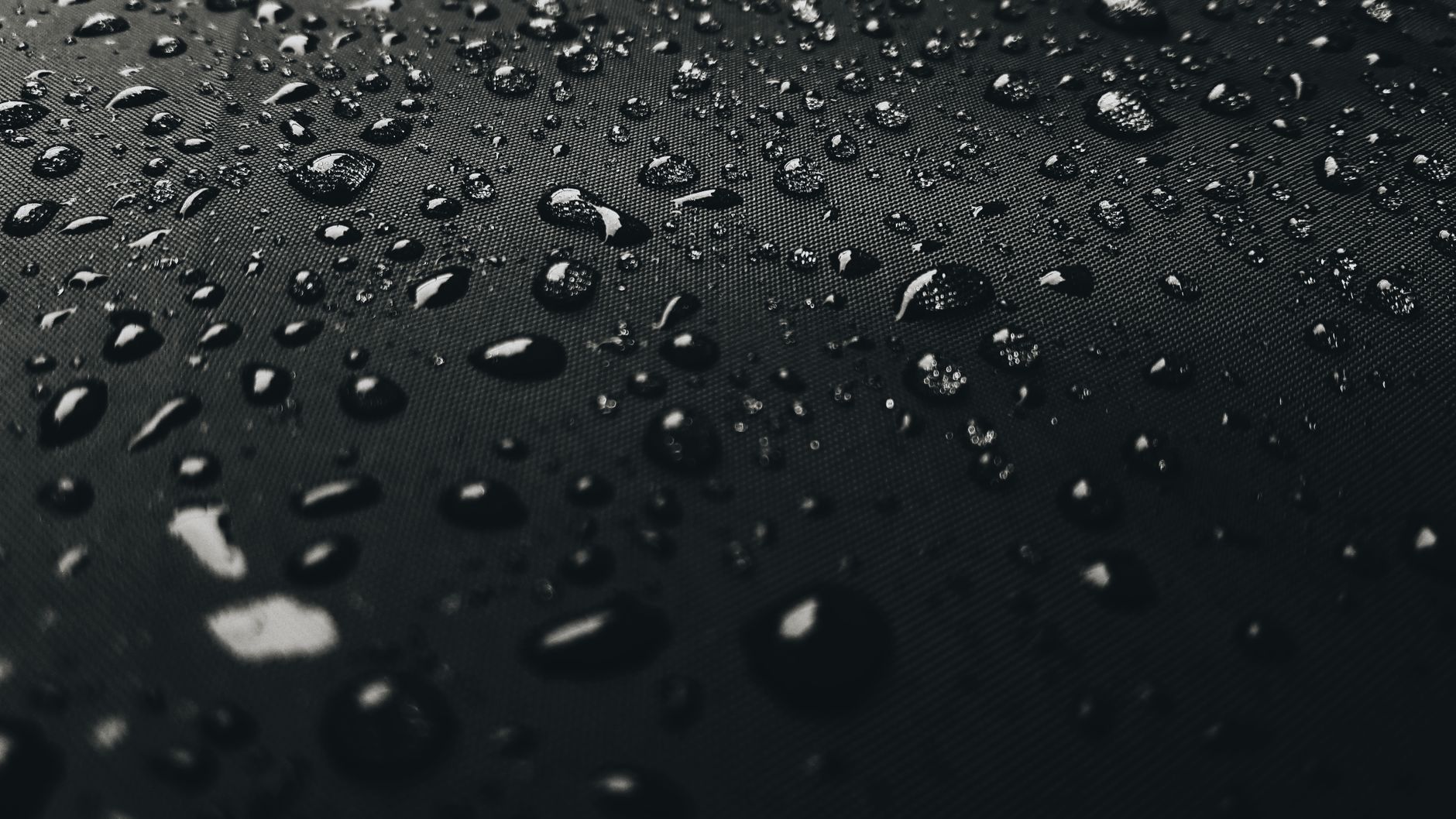
Moisture-wicking socks use the principle of capillary action to move liquid away from your skin. The most common moisture-wicking materials are polyester, polypropylene, nylon, and merino wool. Each has a molecular structure that repels water rather than absorbs it. When sweat touches these fibers, it doesn’t soak in the way it would with cotton. Instead, the sweat spreads across the surface and travels along the fibers toward the outside of the sock. The outer layers of the sock are typically less densely woven, allowing moisture to evaporate more readily into the air. Merino wool works slightly differently from synthetics.
It’s naturally hydrophobic at the fiber level while still being hygroscopic, meaning it can hold moisture vapor without making you feel wet. Merino wool socks can absorb up to 30 percent of their weight in moisture while still feeling dry to the touch. Synthetic materials like polyester achieve moisture-wicking primarily through capillary action rather than moisture absorption. In a practical comparison, a runner wearing merino wool socks on a 5-mile run might have barely damp feet, while a runner in synthetic polypropylene socks will have noticeably wetter socks but equally dry skin. The construction of the sock matters just as much as the material. A sock knit with proper density—tighter in high-friction areas like the heel and ball of the foot, looser on the instep—will wick moisture more effectively than a uniformly dense sock. Cheap moisture-wicking socks sometimes use a thin synthetic blend that technically wicks but lacks durability or cushioning, leading to premature wear and inadequate protection during long runs.
Synthetic vs. Merino Wool Moisture-Wicking Socks
Synthetic moisture-wicking socks, typically made from polyester, polypropylene, or nylon, are usually cheaper, dry faster than merino wool, and perform well in hot, wet conditions. They’re durable and maintain their moisture-wicking properties wash after wash. The main limitation is that synthetics can trap odor-causing bacteria more readily than merino wool, which has natural antimicrobial properties. A runner who wears synthetic socks daily might notice that their shoes start smelling worse than they would with merino wool, even with regular washing. Merino wool socks offer superior temperature regulation and odor resistance. Merino naturally resists bacteria growth, so your socks and shoes won’t develop that persistent stench even with frequent use.
Merino also insulates better when wet, making it the better choice for cool or rainy conditions. The downside is cost—quality merino wool socks run $15 to $25 per pair, compared to $8 to $12 for good synthetics. Merino also pills more easily with rough treatment and requires gentler washing to maintain longevity. A runner in a warm climate might get better value from synthetic socks, rotating several pairs to keep feet fresh. A trail runner in cooler conditions or someone who runs multiple times per week will likely benefit more from merino wool despite the higher price per pair. Neither material is inherently superior; the choice depends on your climate, budget, and frequency of running.
Thickness and Cushioning Considerations
Moisture-wicking socks come in three main thicknesses: ultralight, lightweight, and midweight. Ultralight socks are minimal and let you feel the ground, making them popular for track runners and racing. They offer less cushioning and may not provide enough protection during long road runs, where impact forces are sustained. A 5K racer might appreciate the responsiveness of ultralight socks, but a marathon runner would likely experience more foot pain and potential injury with the same socks over 26 miles. Lightweight socks provide a balance of protection and ground feel, making them ideal for most training runs. Midweight socks offer maximum cushioning and blister protection, beneficial for long runs and trail running where terrain is variable.
The trade-off is that thicker socks retain slightly more moisture initially, though good moisture-wicking socks still dry effectively. Some runners make the mistake of assuming thicker always means better blister protection, but an ill-fitting thick sock creates more friction than a well-fitting thin one. Your shoe fit also matters. Socks that are too thick can cause your shoes to fit too snugly, restricting blood flow and paradoxically increasing blister risk. Many runners need to size up their shoes if switching from cotton to midweight moisture-wicking socks. Getting this wrong—keeping your original shoe size but adding thicker socks—defeats the purpose of upgrading your sock technology.
Choosing the Right Fit and Size for Your Running
Proper fit is essential for moisture-wicking socks to work effectively. A sock that’s too loose will bunch in your shoe, creating friction points that lead to blisters despite the moisture-wicking properties. A sock that’s too tight restricts circulation and can cause cramping in your toes or arch. Most quality running sock brands size their socks by shoe size, accounting for foot volume variations between men’s and women’s running populations. Crew-length socks cover the calf and are the most popular choice among distance runners because they protect against chafing from shoe collars and provide more coverage for trail running where debris can enter low-cut socks. Quarter-length socks, which end above the ankle, are lighter and cooler, preferred by sprinters and track runners.
No-show socks work for some casual runners but offer minimal coverage and blister protection for serious training. A runner switching from cotton athletic socks to performance moisture-wicking socks should try crew-length first to ensure adequate coverage and protection. Buy multiple pairs and test them on short runs before committing to a brand. Different manufacturers fit differently—one brand’s medium might feel tight while another’s feels loose. Testing before a long run prevents discovering mid-race that your new socks bunch or slip, issues that can derail even well-trained runners. Budget at least $15 to $30 for trying two or three pairs before settling on what works for your feet.
Blisters, Hot Spots, and Moisture-Wicking Limitations
Even with moisture-wicking socks, blisters happen if your shoes don’t fit properly or if you significantly increase your mileage too quickly. Moisture-wicking socks reduce blister risk by keeping skin dry, which decreases friction, but they’re not a cure for structural shoe problems. A runner in shoes that are too small will still develop blisters despite wearing premium merino wool socks. The sock is one variable in a larger equation that includes shoe fit, running surface, and training progression. Hot spots—areas of irritation that precede blisters—are a warning sign that something in your setup isn’t working. If you develop hot spots even in moisture-wicking socks, the problem is likely shoe fit, increased mileage, or a seam issue in the sock itself.
Some cheaper moisture-wicking socks have thick seams on the toe box that create pressure points. Premium brands minimize seams or position them away from high-friction areas. Addressing hot spots early, before they become blisters, is critical—this means either changing shoes, reducing mileage temporarily, or trying a different sock brand. One limitation runners discover is that moisture-wicking socks don’t perform well if your shoe drainage is poor. If water gets into your shoe during a rainy run and can’t drain out, even the best moisture-wicking socks will become saturated. Shoe choice matters as much as sock choice for wet-weather running.
Washing and Maintenance for Longevity
Moisture-wicking socks require slightly different care than regular socks to maintain their performance. Wash in warm water with regular detergent, but avoid fabric softener, which coats the fibers and reduces their wicking ability. Merino wool socks benefit from wool-specific detergent and cooler water to prevent shrinkage and pilling. Air-drying is better than machine drying for both synthetics and merino because heat degrades the elastic fibers that provide compression and fit.
A runner who trains six days a week needs at least eight to ten pairs of socks to allow proper laundering without running out. Wearing the same socks repeatedly without washing, even though they wick moisture, allows bacteria and fungal spores to multiply. This is a common mistake among dedicated runners—they’ll invest in premium socks but then wear them too frequently without adequate drying time between uses. The result is increased risk of athlete’s foot despite having technically superior sock technology.
The Evolution of Running Sock Technology
Running sock technology continues to improve, with brands now incorporating copper-infused fibers for additional antimicrobial properties and strategic padding zones designed around biomechanical impact data. Some newer socks include graduated compression elements that improve blood flow without requiring a full compression sock. These advances address specific runner needs, though the core moisture-wicking principle remains unchanged.
For most runners, a straightforward moisture-wicking sock in merino wool or a quality synthetic blend provides everything needed. The incremental improvements in newer technologies are refinements rather than revolutionary changes. A runner focusing on fundamentals—proper shoes, correct sock material, adequate pairs for rotation, and appropriate training progression—will solve most foot problems without needing the latest specialty sock technology.
Conclusion
Moisture-wicking socks address one of the most common sources of discomfort in running: wet, friction-prone feet. By pulling sweat away from your skin, they significantly reduce blisters, fungal infections, and general foot fatigue. The choice between synthetic and merino wool depends on your climate and budget, but both materials work far better than cotton for serious runners.
Thickness, fit, and proper rotation matter as much as the material itself. Start by replacing your cotton athletic socks with a quality moisture-wicking option—either a synthetic blend for economy or merino wool for maximum performance. Test them on training runs before long efforts, ensure your shoe fit accommodates the new sock thickness, and maintain a rotation of at least eight pairs to allow proper drying between runs. This single change often prevents the foot problems that derail runners far more effectively than any expensive gear upgrade.
Frequently Asked Questions
How often should I replace my moisture-wicking socks?
Quality moisture-wicking socks typically last 300 to 500 miles of running before losing elasticity and support. A runner logging 40 miles per week should replace a pair every 4 to 6 months with regular use.
Can I wear moisture-wicking socks for everyday activities, or should I save them for running?
Moisture-wicking socks work well for everyday wear and will keep your feet drier during any activity. Many runners wear them daily to maintain foot health, though some prefer to reserve the most expensive merino pairs for actual running to extend their lifespan.
Do moisture-wicking socks prevent athlete’s foot completely?
Moisture-wicking socks significantly reduce the conditions that allow athlete’s foot to develop, but proper foot hygiene, dry shoes, and regular sock rotation are equally important. If fungal infection develops, treat it with antifungal medication while also addressing the underlying moisture issue.
Should I size up in my shoes when switching to thicker moisture-wicking socks?
If switching from thin cotton to midweight moisture-wicking socks, you may need to size up a half-size. Test this on short runs before committing, as improper fit negates any performance benefit.
Are expensive moisture-wicking socks worth the cost compared to budget brands?
Premium socks offer better durability, superior materials, and more strategic construction, justifying higher cost for runners training seriously. For casual runners, mid-range socks often provide good value.
Can I wear the same moisture-wicking socks on consecutive days?
No. Even though moisture-wicking socks dry faster than cotton, wearing the same pair on back-to-back days without adequate drying allows bacteria and fungal growth. Always rotate pairs.