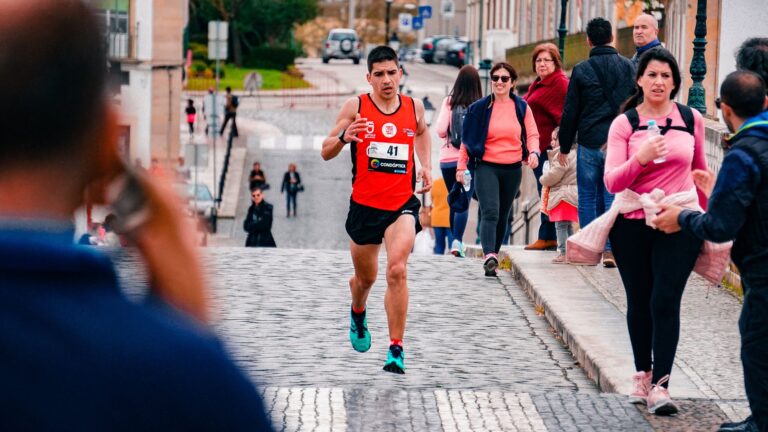
Garmin’s Intensity Minutes algorithm is fundamentally a heart rate-based measurement system that quantifies exercise intensity by comparing your current heart rate to your resting heart rate baseline. The technology works by recognizing when you spend time in moderate or vigorous physical activity and converting that time into a standardized metric—with vigorous activity counting twice as much as moderate effort, aligned with how fitness scientists weight cardiovascular benefits.
For example, a 20-minute run where you spend 15 minutes at vigorous intensity would earn approximately 30 intensity minutes, while the same run at moderate intensity would earn only 15. What makes this algorithm distinct is its dual-input design: it primarily relies on heart rate data from your device’s optical sensor or a connected chest strap, but automatically falls back to analyzing your steps per minute when heart rate data is unavailable or unreliable. This flexibility allows the system to function across different activities and situations, whether you’re sprinting on a treadmill with a chest monitor or doing casual cardio when your wrist sensor signal weakens.
Table of Contents
- How Does Garmin Measure Exercise Intensity Without Making You Guess?
- Understanding Heart Rate Zones and Why Vigorous Activity Counts Double
- The Critical Role of Your Resting Heart Rate Baseline
- Chest Straps Versus Wrist Sensors—Why Hardware Choice Matters
- The 10-Minute Minimum Requirement and Other Important Limitations
- When Garmin Falls Back to Step-Based Intensity Calculation
- Garmin’s Recent Updates and the Stability of Intensity Minutes Technology
- Conclusion
How Does Garmin Measure Exercise Intensity Without Making You Guess?
The core calculation compares your current heart rate against your unique resting heart rate—the lowest average heart rate your device records during rest periods—creating a personalized measurement rather than applying one-size-fits-all guidelines. This approach accounts for individual differences in fitness level, age, and cardiovascular health. When your heart rate climbs into either moderate or vigorous zones, Garmin’s algorithm begins tracking intensity minutes, but only if you sustain that effort for at least 10 consecutive minutes; shorter bursts of intensity don’t count, which prevents the system from inflating activity metrics from brief spikes.
When heart rate data is unavailable or the sensor signal is poor, the algorithm pivots to a steps-per-minute analysis to estimate intensity. This is particularly useful during activities where optical sensors struggle, like swimming or water activities, or when you’re wearing your device loosely. However, the steps-per-minute method is less precise than direct heart rate measurement and works best for activities with predictable cadence patterns like running or walking. A runner maintaining a high cadence might earn intensity minutes based on steps alone, even if their actual cardiovascular effort is moderate.

Understanding Heart Rate Zones and Why Vigorous Activity Counts Double
Garmin’s intensity algorithm uses a straightforward two-zone system: moderate intensity (Zone 3) earns you one intensity minute for every minute spent in that zone, while vigorous intensity (Zone 4 and above) earns you two intensity minutes per minute. Moderate intensity typically corresponds to 60-70% of your heart rate reserve or about 64-76% of your maximum heart rate—the pace where you can hold a conversation but feel challenged. Vigorous intensity sits at 77-93% of maximum heart rate, representing hard effort where speaking in full sentences becomes difficult.
This two-to-one multiplier isn’t arbitrary; it reflects established cardiovascular science. The World Health Organization and major fitness institutions recognize that one minute of vigorous-intensity exercise provides approximately twice the cardiovascular benefit of one minute at moderate intensity. So if you complete a 30-minute workout with 10 minutes at vigorous intensity and 20 minutes at moderate intensity, you’ll earn 40 total intensity minutes: 20 from the vigorous portion and 20 from the moderate portion. The limitation here is important: your device’s ability to accurately place you in the correct zone depends entirely on the quality of its heart rate data, and wrist-based optical sensors can misclassify intensity if they’re not positioned correctly or if poor circulation affects the reading.
The Critical Role of Your Resting Heart Rate Baseline
Your resting heart rate serves as the foundation for the entire intensity calculation system—it’s the anchor point against which all activity is measured. Garmin devices calculate resting heart rate as the lowest average heart rate recorded during rest periods, typically overnight or during sedentary portions of the day. A person with a resting heart rate of 50 beats per minute will have different absolute heart rates corresponding to moderate and vigorous zones compared to someone with a resting rate of 70 bpm, even if their fitness levels are similar. This personalization is why Garmin’s system works better than fixed heart rate thresholds that don’t account for individual variation.
Because your resting heart rate naturally fluctuates based on stress, sleep quality, training load, and even seasonal factors, Garmin’s algorithm uses rolling averages rather than a single static number. If you’ve been under stress or haven’t slept well, your resting heart rate might temporarily elevate, which would shift your zone boundaries slightly upward. This is actually helpful because it prevents the system from over-counting intensity minutes during periods when your cardiovascular system is already taxed, but it also means your intensity minute earnings can vary from day to day for the same physical effort. Most runners notice that their intensity minutes increase by 5-15% during deload weeks when resting heart rate drops and recovery improves.

Chest Straps Versus Wrist Sensors—Why Hardware Choice Matters
While optical sensors built into smartwatch faces are convenient, chest strap heart rate monitors provide significantly more accurate and consistent data for intensity minute calculations. Chest straps use electrocardiogram-style sensors that detect electrical signals from your heart directly, whereas wrist-based optical sensors measure blood flow changes through the skin. A chest strap will give you reliable heart rate data whether you’re in cold temperatures, have poor peripheral circulation, or are wearing loose clothing. The comparison matters because you might easily earn 50 intensity minutes from a 10-mile run with a chest strap, while the same run with a wrist sensor might register only 35-40 intensity minutes due to sporadic signal loss and underestimated heart rate.
The trade-off is comfort and convenience versus accuracy. Most runners find chest straps uncomfortable during warm-weather runs and they’re easy to forget, while wrist sensors are integrated into devices you already wear. If you rely on wrist optical sensing, proper fit is non-negotiable: the band must be snug but not cutting off circulation, positioned about half an inch above your wrist bone, and consistently in the same location. Movement, sweat, and tattoos all affect optical sensor accuracy. For serious training where intensity minute tracking informs your periodization and recovery decisions, a chest strap eliminates variables and ensures your data is trustworthy.
The 10-Minute Minimum Requirement and Other Important Limitations
Garmin requires 10 consecutive minutes of sustained moderate or vigorous intensity before any minutes count toward your daily total. This threshold prevents the algorithm from gaming the system through interval work, where you might do eight 30-second efforts with brief rest periods and spike your intensity minutes despite limited actual aerobic stimulus. However, this rule can be frustrating for high-intensity interval training workouts, where you might complete a brutal session of six 90-second sprints but earn zero intensity minutes because no single effort sustains for 10 minutes. Another significant limitation is that the algorithm can’t always distinguish between different types of exertion at similar heart rate levels.
Walking at a very high intensity uphill might place you in vigorous zones by heart rate, earning you intensity minutes, but the actual cardiovascular load and training stimulus differ substantially from running at the same heart rate. This is why intensity minutes serve as a useful reference metric but shouldn’t be your only measure of training quality. Conversely, cyclists and swimmers often find that Garmin underestimates their intensity minutes compared to runners at the same heart rate, because the device’s algorithm is optimized for running patterns and step cadence. If you use multiple sports, be prepared for inconsistencies in how intensity is calculated across different activities.
When Garmin Falls Back to Step-Based Intensity Calculation
When your device has insufficient heart rate data—perhaps due to a loose band, tattoos, or water resistance limitations—it switches to analyzing steps per minute to estimate intensity. This fallback method works reasonably well for running and walking because there’s a strong correlation between cadence and cardiovascular intensity in these activities. A runner maintaining 180+ steps per minute is almost certainly at moderate or vigorous intensity, while a walker at 120 steps per minute is typically in moderate zones. However, the steps-per-minute method completely fails for non-running activities like cycling, rowing, or elliptical training where high heart rate and low step count can coexist.
A practical example: you go for a 5-mile run without wearing your chest strap, and your wrist sensor signal drops intermittently in cold weather. Your device might show that you earned 22 intensity minutes based on steps per minute, but when you later review the data on a warm day with better optical sensing, you see that your heart rate data confirms you actually earned 28 intensity minutes. The discrepancy occurs because cadence-based estimation lags behind what your heart rate revealed. If you consistently get unreliable wrist sensor readings during your primary training times, investing in a chest strap is the clearest solution.
Garmin’s Recent Updates and the Stability of Intensity Minutes Technology
As of 2025-2026, Garmin has not announced specific updates or changes to the Intensity Minutes algorithm itself, suggesting the core calculation method has reached a stable, well-validated form. Instead, Garmin’s recent smartwatch updates in February 2026 focused on complementary features like Fitness Coach improvements, sleep alignment optimization, lifestyle logging enhancements, and gear tracking capabilities. This stability is actually reassuring for runners: your intensity minute data from this year remains comparable to next year’s data without algorithmic shifts that would make historical comparisons meaningless.
The future of Garmin intensity tracking will likely involve integration with other metrics rather than fundamental algorithm changes. Expect stronger correlation between intensity minutes, recovery data, and training load recommendations, creating a more holistic training feedback system. As artificial intelligence and machine learning improve Garmin’s ability to filter noise from wrist-based optical sensors, the accuracy gap between chest straps and wrist sensors may narrow, making consistency more achievable across different hardware setups.
Conclusion
Garmin’s Intensity Minutes algorithm represents a practical, personalized approach to quantifying exercise intensity by comparing real-time heart rate to your individual resting baseline, with vigorous activity counting double to reflect true cardiovascular benefit. The system works across different scenarios through its dual reliance on heart rate data and step-based fallbacks, though accuracy depends heavily on proper hardware fit and data quality.
Understanding how the 10-minute minimum threshold works, why your resting heart rate matters, and when your device switches to step-based calculation will help you interpret your intensity minute totals more accurately and make better training decisions. To get the most from Garmin’s intensity tracking, establish a consistent hardware setup—ideally a chest strap for serious training—monitor how your resting heart rate fluctuates with stress and recovery, and remember that intensity minutes are one useful metric among many, not the sole measure of training quality. Track your data over weeks and months rather than obsessing over daily numbers, and cross-reference intensity minutes with perceived exertion and actual performance improvements to validate whether the system is working well for your unique physiology and training style.