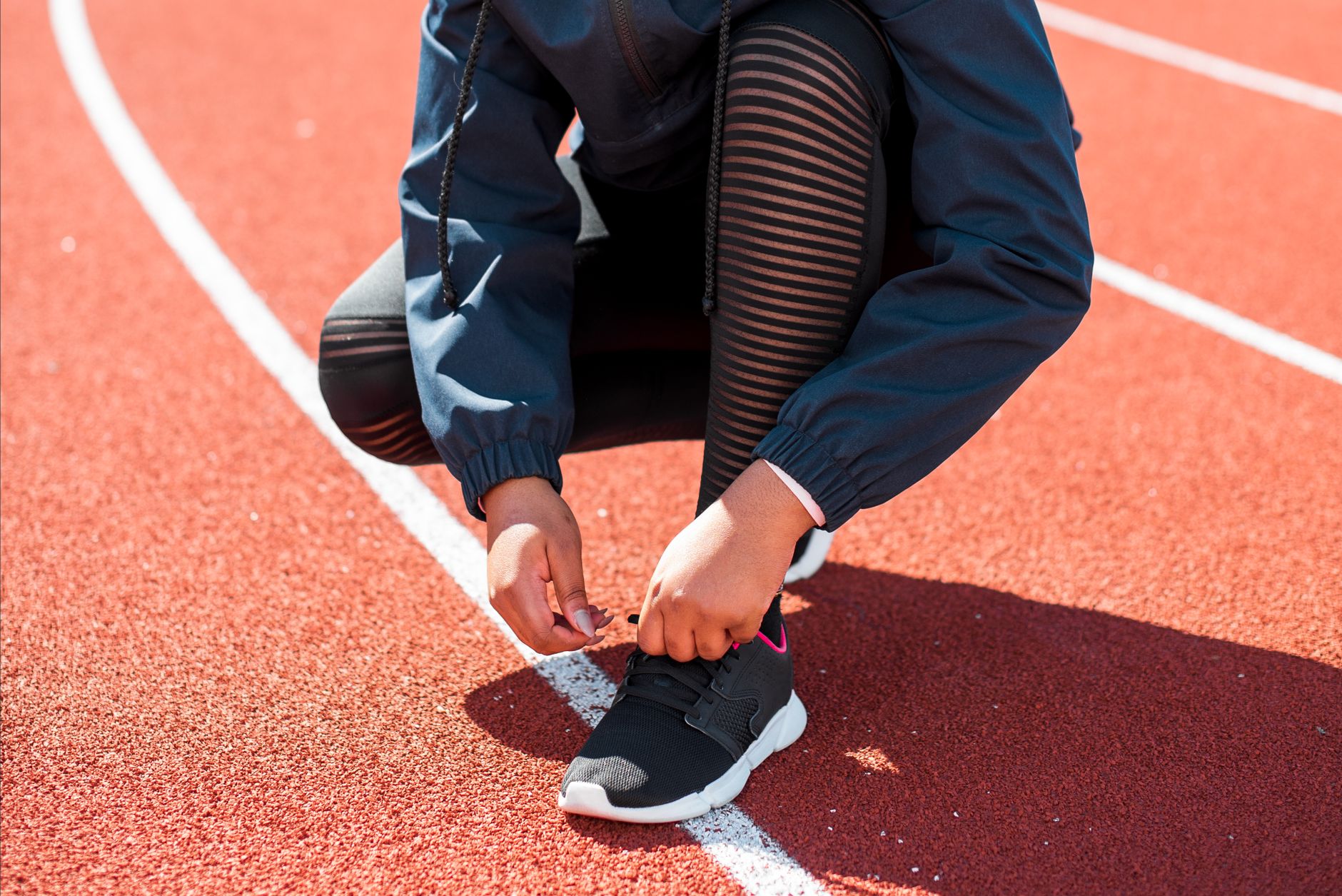
The best 2026 running plan pairs the right road shoe with a short warm-up, a focused session, and easy recovery. For regular road training, testers named Puma Velocity Nitro 4 best daily runner, HOKA Clifton 10 best cushioned, and ASICS Novablast 5 most versatile.
A daily runner is a durable road shoe made for everyday training miles. Use cushion for easy days and responsive shoes for faster work. Keep the routine steady across the week to build fitness without overload.
Medical information disclaimer: This article is for general educational purposes only and does not provide medical advice, diagnosis, or treatment. Always consult a physician or other qualified health professional about symptoms, medications, tests, or treatment decisions.
Table of Contents
- Which shoe fits your main run?
- How should you warm up?
- How do you spread sessions across the week?
- What helps on recovery days?
Which shoe fits your main run?
Men's Journal's 2026 update names three standouts for men's road training. It rates Puma Velocity Nitro 4 best daily runner, HOKA Clifton 10 best cushioned, and ASICS Novablast 5 most versatile, as listed in Men's Journal 2026 men's road-shoe roundup. Choose the daily runner for regular miles, max cushion for tired legs, and the versatile pair when one shoe must do it all. Nike describes its Vomero 18 as a max-cushion everyday shoe with light ZoomX foam over responsive ReactX foam.
Canadian Running Magazine describes Hoka Bondi 9 as a neutral max-cushion shoe for easy miles and recovery days. Use these soft options when legs feel flat, and save firmer daily shoes for quicker sessions. If shoes feel unstable, short, or painful after two trial runs, switch size or model. Replace a pair when foam feels dead or tread looks smooth, even if the upper looks clean.
How should you warm up?
Human Kinetics advises a run warm-up of at least 5-20 minutes that lifts heart rate toward 74-86% of maximum, as explained in Human Kinetics warm-up excerpt. Both high- and low-intensity warm-ups beat skipping the warm-up for performance. Start easy, then add strides or hills to reach steady breathing. ScienceDaily, reporting a George Mason runner study, found 3-5 minutes of static stretching right before running neither prevents nor causes injury.
The same study linked injury to prior injury, higher BMI, and changed routine. Do not rely on a quick stretch to stay safe. Build warmth in order so the first mile feels smooth. Keep effort relaxed until breathing deepens, then move.
- Walk 2 minutes, then jog easy
- Add 4 short pickups with walk-back rest
- Finish with leg swings and two practice starts
How do you spread sessions across the week?
CDC advises adults to get at least 150 minutes of moderate aerobic activity each week plus muscle work on 2 days, as stated in CDC adult activity guidelines. Spread the running across the week rather than packing it into one weekend. Add two short strength sessions for legs, hips, and trunk.
Place hard runs with an easy day between them. Keep most miles at a talkable pace that lets you finish fresh. Log shoes, sleep, and soreness for two weeks. Adjust the next week when fatigue lingers past one easy day.
What helps on recovery days?
For easy recovery days, Treeline Review picks On Cloudsurfer 2 as a runnable recovery shoe, noted in Treeline Review recovery-shoe roundup. Wear it for slow jogs, walks, and errands that keep blood moving. Keep the pace easy enough to breathe through your nose. OOFOS Australia says its OOahh slides use OOfoam to absorb 37% more impact.
Save slides for after the run, since they are post-run wear and not running shoes. Change out of wet shoes fast, eat soon, and sleep on time. Skip a recovery jog when pain changes how you walk. Take a rest day or walk instead, then resume when movement feels normal.
1 thought on “Best Running Shoes 2026 Workout Guide: Warm-Up, Session, and Recovery”
Comments are closed.