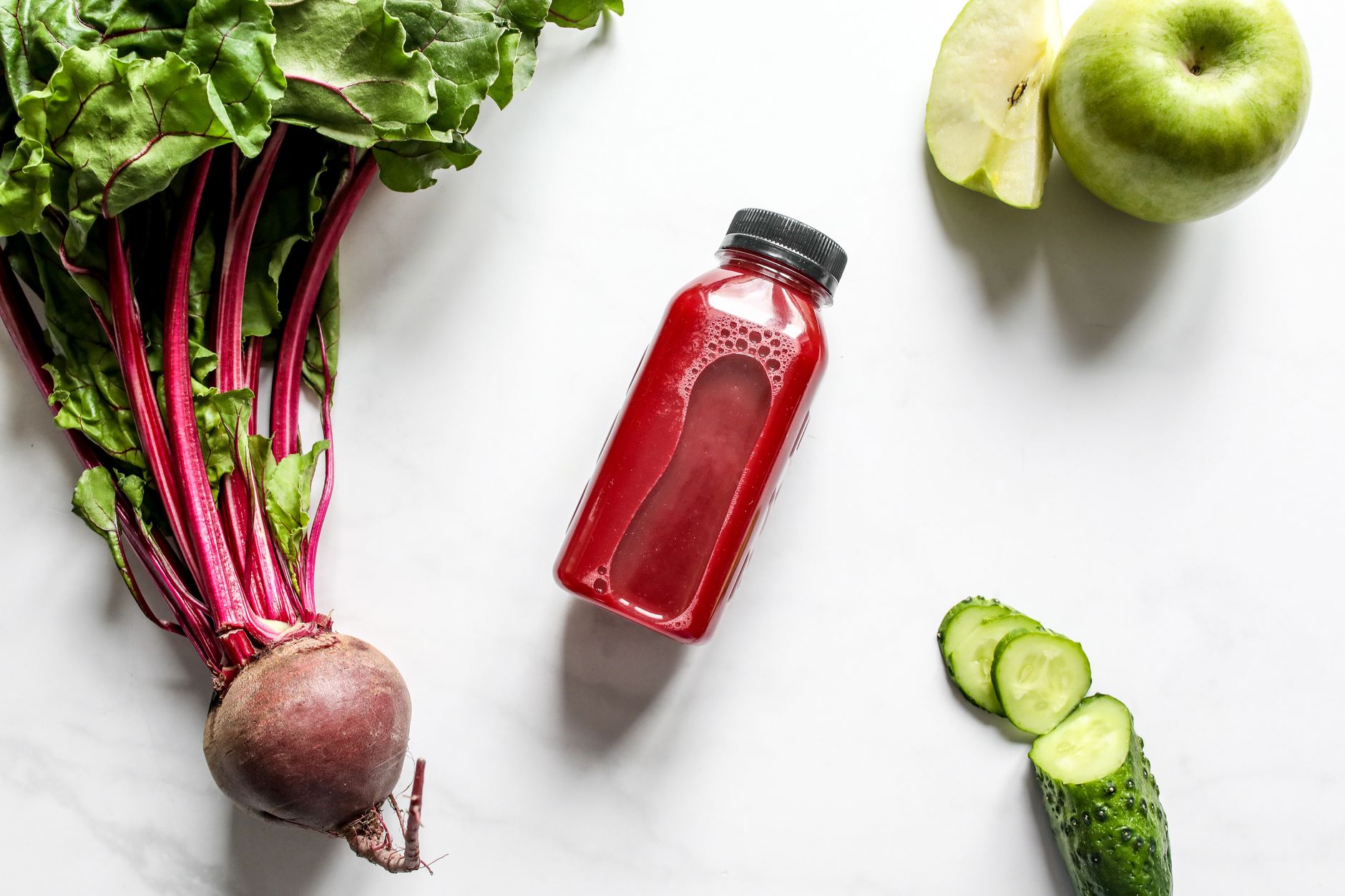
This guide shows when to drink beetroot juice, how to warm up, how to run the session, and how to recover. Dietary nitrate is a natural compound in beetroot juice that mouth bacteria change into nitrite and then nitric oxide. The Running Industry Alliance summary of a 180-study review explains that nitric oxide widens vessels and improves blood flow. In that review, the saving equals about 3-5% lower oxygen cost during steady running.
Medical information disclaimer: This article is for general educational purposes only and does not provide medical advice, diagnosis, or treatment. Always consult a physician or other qualified health professional about symptoms, medications, tests, or treatment decisions.
Table of Contents
- What beet juice does for runners
- How much to drink and when
- How to warm up for the timed effort
- How to pace the workout session
- How to recover after hard running
What beet juice does for runners
A 2021 Nutrients systematic review and meta-analysis found time-trial gains of about 1-3% for efforts under 40 minutes. The same review found 4-25% longer time-to-exhaustion.
The review points to the strongest effects in endurance and intermittent high-intensity exercise, as recognized by the IOC. That makes beet juice most useful for tempo runs, intervals, and short races.
How much to drink and when
The Quality in Sport review of the Silva et al. 2022 meta-analysis identifies 5-14.9 mmol nitrate, about 310-925 mg, taken at least 150 minutes before exercise.
That acute dose best supports performance gains. In practice, runners often use about 140 mL of concentrated juice with about 12.5 mmol nitrate near 3 hours pre-run. The Leeds Beckett University treadmill study repository links that timing to peak plasma nitrite and nitric oxide availability.
- For one hard run, take the single pre-run dose 150 minutes to 3 hours before.
- For a key race, load daily with 500-plus mg nitrate for 3-6 days, plus a pre-race dose.
- Skip antibacterial mouthwash around dosing because it kills the bacteria that start nitrate conversion.
- A Sports journal study reported faster recreational 10-km times after 420 mL daily for 3 days plus a dose 2 hours pre-test.
How to warm up for the timed effort
Keep a normal warm-up of about 10 minutes before the timed part. Jog easy, add short strides, then settle breathing before starting the clock.
The Leeds Beckett University study used that pattern before testing beet juice against placebo. Runners warmed up for 10 minutes, then ran 1,500-m or 10,000-m time trials.
How to pace the workout session
Pick a session under 40 minutes when chasing a time gain. Try a tempo run, a 5-km time trial, or short intervals with brief rests.
Run the first half controlled, then press if breathing stays steady. Nitrate helps most when demand stays high but sustainable, including repeated hard efforts.
How to recover after hard running
An Ulster University publication record reports less muscle soreness after concentrated beetroot juice following intense exercise. Diastolic pressure was lower at 15 minutes post-training in that work.
Lactate, systolic pressure, and heart rate did not change at that check. Benefits look smaller for elite athletes and longer events.