
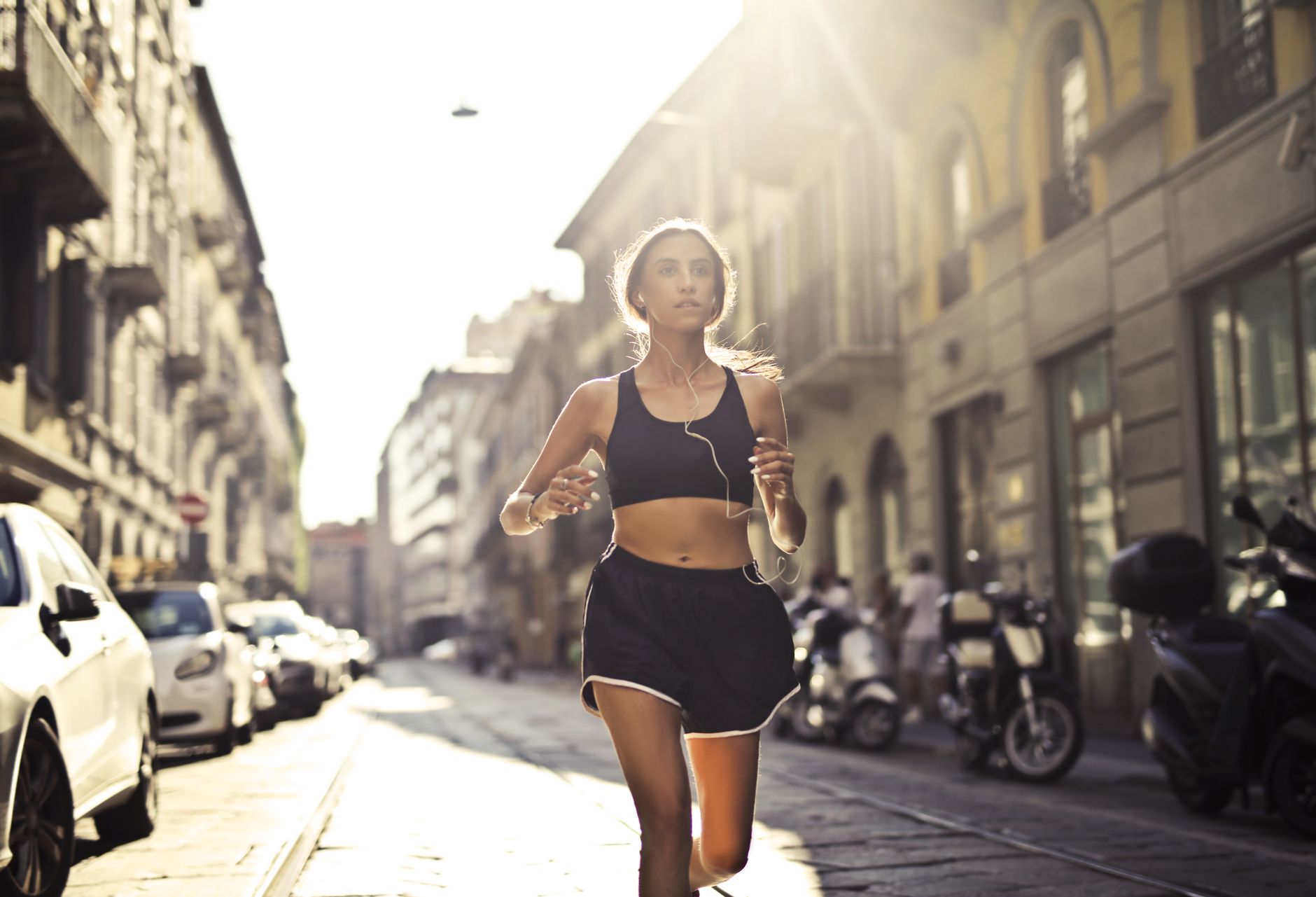
This headlamp running workout pairs a 5–10 minute warm-up, a focused night run, and an easy cool-down for recovery. Headlamp running means running after dark with a head-worn lamp that lights the path and helps others see you. It suits road runners and trail runners who train before sunrise or after sunset. The steps below cover setup, brightness, visibility, footing, and recovery.
Medical information disclaimer: This article is for general educational purposes only and does not provide medical advice, diagnosis, or treatment. Always consult a physician or other qualified health professional about symptoms, medications, tests, or treatment decisions.
Table of Contents
- Warm up and fit your lamp before sunset
- What brightness do you need?
- How do you stay visible to traffic?
- How do you adjust for flat light?
- How do you cool down?
Warm up and fit your lamp before sunset
NHS Inform advises 5–10 minutes of light cardio plus dynamic moves before running. Its warm-up and cool-down guidance lists lunges and leg swings, noting cold muscles are less pliable and injury-prone. REI guidance shared via PeakGearGuide recommends testing all headlamp modes before sunset.
It also recommends adjusting straps to fit over a hat without bouncing. That same guidance advises carrying roughly twice the battery capacity you expect to need. A dead lamp on dark terrain is a common emergency.
- Walk or jog lightly for 5 minutes, then add lunges and leg swings.
- Test each headlamp mode before sunset.
- Fit straps over your hat and jog briefly to check for bounce.
What brightness do you need?
Advnture testing finds about 225 lumens on high for 1.5 hours suffices for roads and easy trails. Lumens measure light output.
Faster or technical night running generally needs a brighter beam. Petzl Sport News reports ultrarunners prefer a bright, lightweight, bounce-free lamp. They say it reduces the effort of foot placement and advise several practice night runs to adapt to beam and shadows.
How do you stay visible to traffic?
The National Highway Traffic Safety Administration warns white clothing alone does not guarantee drivers can see pedestrians after dark. Its pedestrian safety guidance recommends reflective or retroreflective materials plus a headlamp or flashlight. Retroreflective fabric bounces headlights back toward drivers.
Black Diamond information shared via REI notes red LED and strobe modes preserve night vision. Those modes also increase being seen by traffic, which helps for group running and road crossings. Strobe means a rapid flashing signal.
How do you adjust for flat light?
An August 2025 headlamp selection guide notes a headlamp lights only a narrow field. That narrow beam flattens depth perception.
The same guide notes this limit holds even with 400–800 lumens. It recommends slowing pace, shortening stride, and choosing familiar, well-lit routes at night.
How do you cool down?
Brooks Running recommends cooling down with easy jogging or walking after the session. Its recovery guidance suggests 5–10 minutes, especially after long runs, rather than stopping abruptly.
Keep the effort easy until breathing steadies. Keep moving for the full 5–10 minutes instead of stopping at your door.