
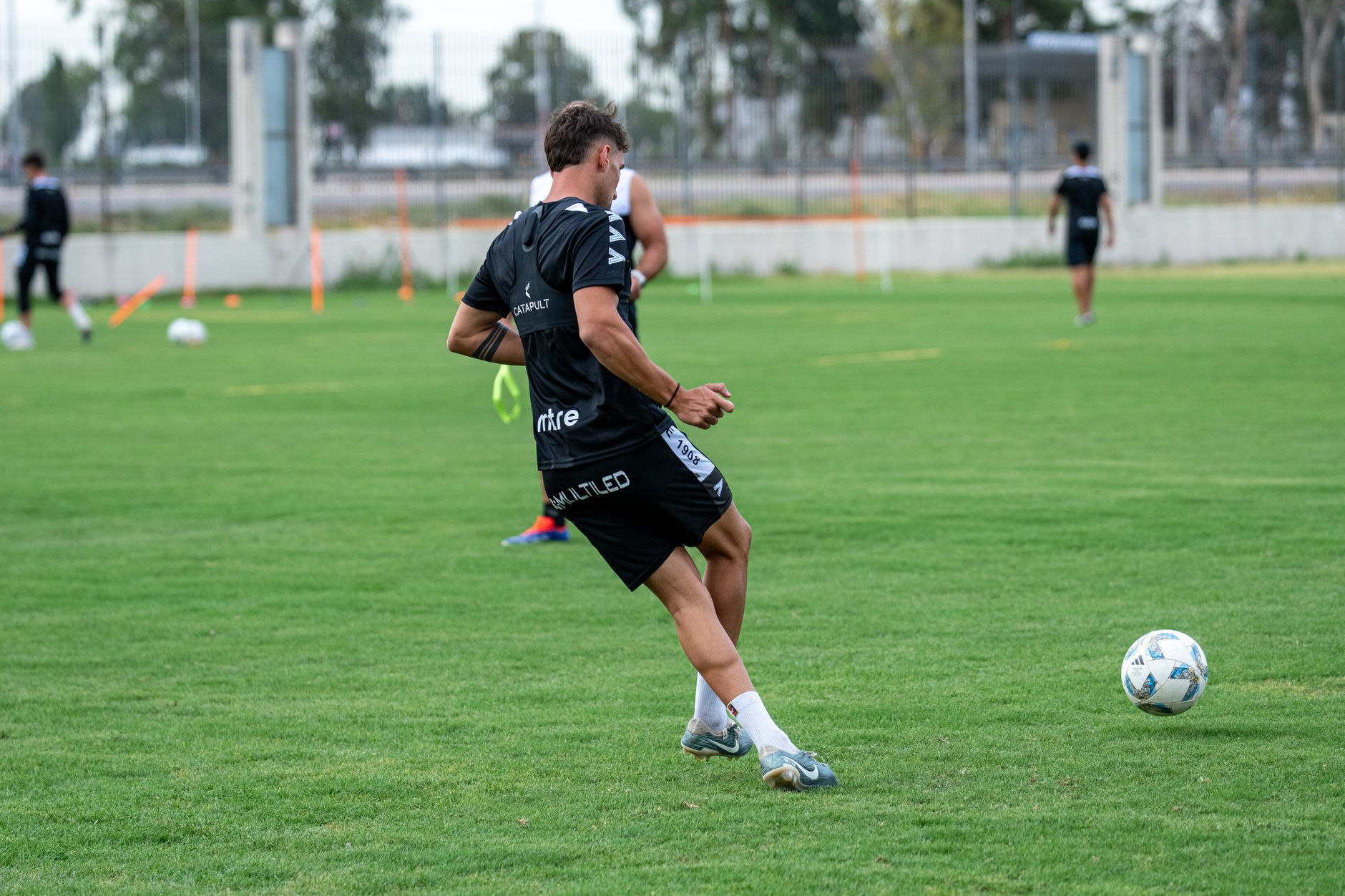
Soccer training for adults is a structured program designed to improve your playing ability, fitness, and tactical understanding of the game—whether you’re returning to the sport after years away or picking it up for the first time. Unlike recreational pickup games, formal training typically involves coaching on technique, conditioning work focused on sport-specific movements, and drills that build both individual skills and team coordination. For example, an adult training program might include a warm-up focusing on dynamic stretching, a technical session working on ball control and passing accuracy, a tactical exercise simulating game situations, and a cool-down with recovery work. The appetite for adult soccer training has grown substantially.
As of June 2026, approximately 8.2% of Americans—roughly 25.5 million people—play indoor or outdoor soccer. Among those considering organized sport, one in four adults are eyeing summer league play, with 9% currently participating in leagues and 11% planning to join. This surge reflects a broader shift in how adults approach fitness: soccer offers something that treadmills and weight rooms don’t—competition, teamwork, and the pure enjoyment of sport. The global soccer training camps market alone is valued at $5.74 billion and is projected to grow at a compound annual rate of 16.87% through 2033, a testament to how seriously adults are taking skill development.
Table of Contents
- Why Are Adults Increasingly Drawn to Structured Soccer Training?
- The Physical Benefits of Adult Soccer Training
- What Does Adult Soccer Training Actually Look Like?
- Choosing Between Casual Training and Competitive League Programs
- Common Training Challenges Adults Face
- The Social and Mental Benefits Beyond Fitness
- The Future of Adult Soccer Training and Market Growth
- Conclusion
Why Are Adults Increasingly Drawn to Structured Soccer Training?
Adults are turning to soccer training for reasons that go well beyond simple nostalgia. Generational data reveals that 47% of Gen Z adults (ages 18-24) and 31% of Millennials (ages 25-34) express interest in recreational sports leagues. For adults balancing demanding careers and limited free time, soccer offers an efficient workout that combines multiple fitness dimensions in one activity. Unlike isolated strength training or cardio work, soccer simultaneously builds aerobic capacity, explosive power, agility, and mental focus in a 90-minute session that feels more like play than obligation.
The outdoor soccer participation landscape shows this trend clearly: nearly 14.1 million players ages six and older currently play outdoor soccer, representing an 8.1% year-over-year increase and a 23% jump since 2018. Adults are no longer an afterthought in the soccer world. In fact, adult programs now comprise 40% of the overall soccer training market, compared to 60% for youth and teen programs. This reflects a genuine shift in market demand—organizations now offer adult-specific training that acknowledges the different needs, recovery rates, and motivations of players over 25.

The Physical Benefits of Adult Soccer Training
The cardiovascular adaptations from soccer training are measurable and significant. A nationwide study examining recreational soccer’s effects found that participants improved their Yo-Yo IE1 performance—a metric measuring aerobic capacity and repeated-sprint ability—by 41%. Beyond that single metric, the research documented improved agility, better postural balance, and a meaningfully reduced risk of cardiovascular disease, falls, and fractures. These improvements carry real-world implications: for a 45-year-old office worker, regular soccer training translates to better cardiovascular resilience, reduced falls risk (particularly important as aging progresses), and stronger bones. What distinguishes soccer from other cardiovascular activities is the intensity variability. Soccer demands both sustained aerobic effort and explosive anaerobic bursts within the same session.
This intermittent pattern triggers different physiological adaptations than steady-state running. For bone health specifically, soccer improves bone mineral content and density in middle-aged and older adults, even among those with no previous soccer experience. This matters because bone density tends to decline with age, particularly after 50; soccer’s multi-directional movements and impact create the stimulus bones need to maintain density. A significant caveat: adults returning to soccer after years away often underestimate the injury risk. The demand for rapid directional change, which makes soccer so effective for fitness, also creates a higher injury rate than steady-state activities like cycling. Appropriate progression—building back gradually rather than jumping into competitive play—is essential.
What Does Adult Soccer Training Actually Look Like?
Most formal adult soccer training happens in two delivery models. Offline coaching—traditional hands-on instruction with a coach present—remains the dominant delivery method, but online training is growing rapidly as an alternative. A typical offline session might run 60 to 90 minutes and follow a structured progression: a dynamic warm-up (10-15 minutes), technical skill work emphasizing specific areas like first touch or passing (20-30 minutes), tactical training through small-sided games or position-specific drills (20-30 minutes), and a cool-down with light stretching (5-10 minutes). Online training, meanwhile, offers recorded instruction, video analysis of your own play, and remote coaching feedback—useful for players who can’t access local programs or prefer flexibility. For an adult returning to soccer, a typical first six weeks might focus on building aerobic base and technical fundamentals rather than tactical complexity.
Week one might involve basic fitness assessment and simple ball work. By week three, you’d likely be doing more ball-focused drills and light possession work. By week six, small-sided games or league play becomes realistic. The progression seems straightforward, but the reality is more nuanced: adults recover differently than teenagers and have different injury patterns. A 35-year-old hamstring injury recovers differently than a 16-year-old’s, requiring different training modifications and timelines.
Choosing Between Casual Training and Competitive League Programs
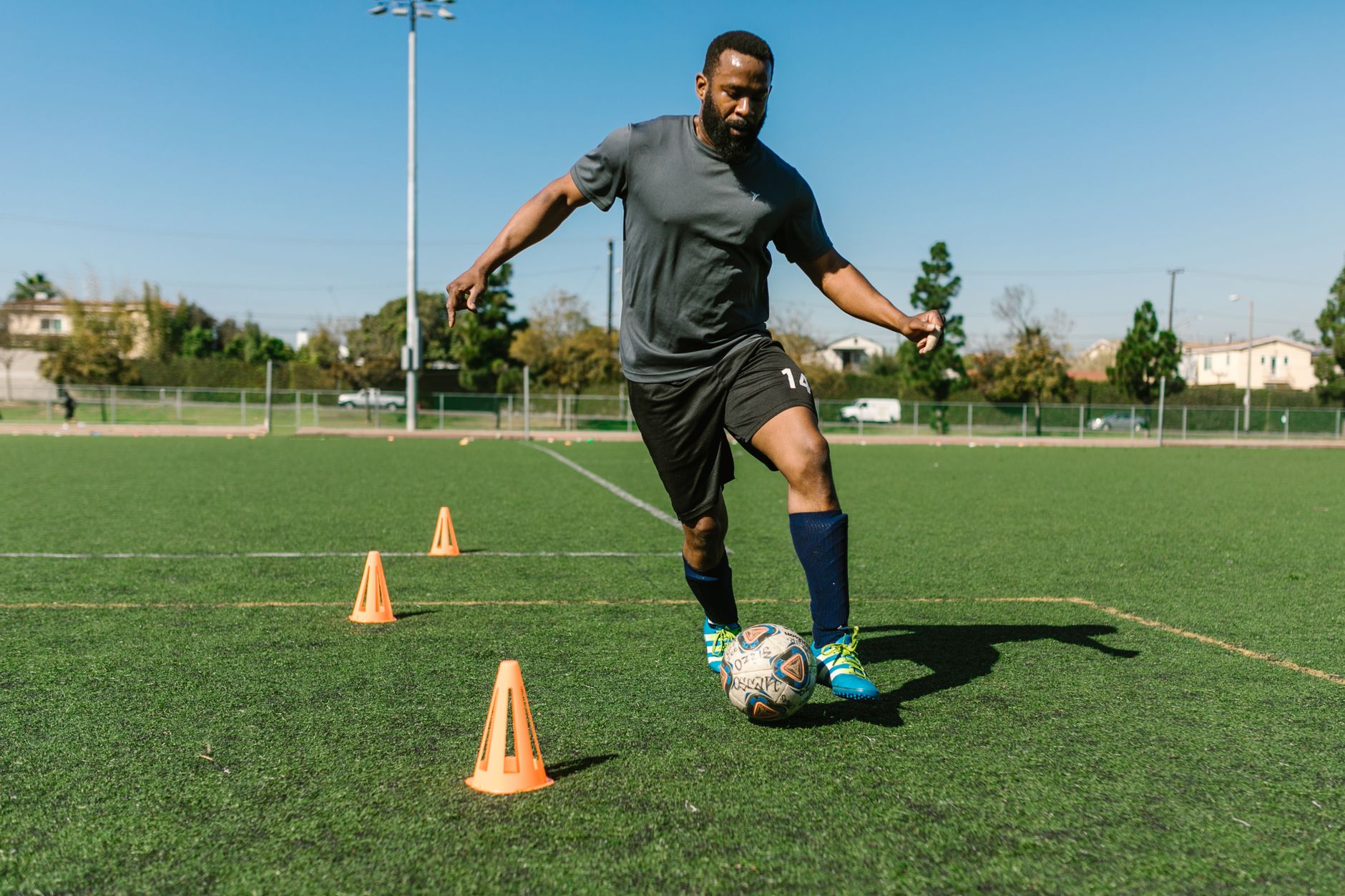
Two distinct pathways exist for adult soccer training. The casual training route involves regular coaching sessions—perhaps once or twice per week—with friends in recreational games, primarily for fitness and enjoyment. The competitive league route combines training with organized competition, typically 8 to 12 games per season in divisions based on skill level. Each has tradeoffs. Casual training offers lower commitment, lower cost, less injury risk, and more flexibility if you need to miss sessions. Competitive leagues drive faster skill development, provide structured schedule accountability, and offer the satisfaction of measured progress (league rankings, playoff advancement).
However, competitive play increases injury risk, demands consistent attendance, and requires a higher baseline fitness level to avoid looking lost on the field. The choice often depends on your motivation. If you’re training primarily for fitness and stress relief, casual training with friends once or twice weekly meets the need perfectly. If you’re chasing improvement or enjoying competition, league play justifies the additional commitment. One practical consideration: competitive players typically need additional individual work beyond practice—extra conditioning, home-based skill work, or injury prevention exercises. Many adults underestimate this additional time commitment, discovering mid-season that merely attending twice-weekly practice isn’t enough to stay competitive.
Common Training Challenges Adults Face
Injury prevention is the primary training concern for adults. Adults lack the recovery capacity of teenagers; a hamstring strain that a 16-year-old resolves in two weeks might take an adult four to six weeks. Many training programs are designed with youth in mind, using high-intensity intervals without adequate recovery days. Overtraining isn’t about being tough—it’s the leading cause of both acute injuries and overuse injuries in adult recreation soccer. A sensible adult training program includes at least one to two full rest days per week, modifies intensity on consecutive training days, and includes dedicated injury-prevention work (core stability, hip mobility, ankle strengthening) beyond the sport-specific drills.
Ongoing clinical trials (2025-2026) are specifically examining core stability training’s effects on endurance, kinetic chain function, and dynamic balance—areas where adults often show gaps compared to youth players. The research suggests that structured core work significantly improves performance and reduces injury risk, yet many adult pickup leagues skip this entirely. Another frequent challenge: progression rate. Some adults, remembering their youth playing ability, try to progress too quickly. Playing 90 intense minutes twice weekly after years away is a recipe for injury. A safer adult progression typically builds to that level over 8 to 12 weeks, with careful attention to how your body responds.

The Social and Mental Benefits Beyond Fitness
Soccer training taps into something a solo workout can’t: belonging to a team with shared purpose. The mental health benefits—stress reduction, social connection, sense of accomplishment—often matter as much as the cardiovascular improvements. For adults navigating work stress, family obligations, and life’s natural pressures, a weekly session with teammates provides structure, regular social interaction, and an activity where performance is immediate and tangible. You either scored or you didn’t.
You made that pass or you didn’t. This concrete feedback and the escape it represents often explains why adults continue training even after initial fitness goals are met. Many adult soccer communities are explicitly built around this social dimension. Leagues and training groups often include post-game meals, team chat groups, and recreational-level divisions designed as much for camaraderie as competition. The financial commitment to league play (typically $100-300 per season) often pays returns in friendships and social integration that extend well beyond the field.
The Future of Adult Soccer Training and Market Growth
The adult soccer training market is still in growth phase. The $5.74 billion global market value and 16.87% CAGR projection through 2033 reflects broader recognition that adults constitute a legitimate, valuable segment of soccer training rather than an afterthought. Investment in adult-specific programming, coaching education for adult-focused instruction, and technology-enabled training delivery suggest that accessibility will continue improving. More cities are establishing adult-focused leagues and training programs rather than assuming adult soccer is simply “youth league for grown-ups.” Looking forward, the convergence of online coaching tools, wearable fitness tracking, and sophisticated performance analytics will likely make adult training more personalized and efficient.
A coach reviewing your session data can identify specific weaknesses—your deceleration capability, your directional change speed, your work-rate distribution—and tailor training accordingly. For an adult with limited time, this efficiency matters. The barrier to starting remains low: a ball, a field, basic shoes, and a commitment to show up. The diversity of entry points—casual training groups, competitive leagues, online coaching, in-person camps—means nearly any adult can find a path that fits their circumstances.
Conclusion
Soccer training for adults is fundamentally different from youth training: it requires attention to recovery, progression, and injury prevention, while simultaneously offering significant cardiovascular benefits, bone health improvements, and the irreplaceable value of team sport. The growing popularity of adult soccer—with 25.5 million Americans playing and one in four considering league play—reflects that serious athletes and casual fitness seekers alike have discovered that soccer delivers more than just exercise. It delivers competition, community, and the joy of continuous improvement. If you’re considering adult soccer training, start conservatively.
Find a beginner-friendly league or a coach experienced with adult progression. Give yourself 8 to 12 weeks to build capacity before pushing intensity. Add a dedicated injury-prevention routine alongside your training sessions. The payoff—improved fitness, bone density, balance, cardiovascular health, and a community of people you’ll see every week—makes the modest investment of time and cost worthwhile.