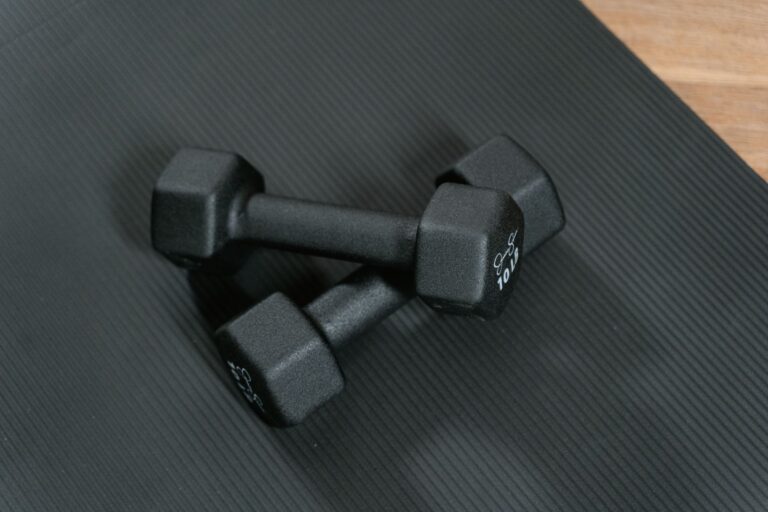
Circuit training for cardio combines short bursts of cardiovascular exercise with minimal rest periods, moving rapidly between different stations or exercises to keep your heart rate elevated throughout the entire workout. Unlike traditional steady-state running or cycling, circuit training layers resistance movements with aerobic work, creating a dual benefit: you build cardiovascular endurance while simultaneously strengthening muscles and burning calories. For example, you might spend 45 seconds on a rowing machine, immediately transition to jump squats, then move to a medicine ball slam, repeat the cycle two or three times, and finish with a final round of sprints—all without extended breaks between movements. This approach has gained traction among runners and fitness enthusiasts because it delivers measurable cardiovascular improvements in less time than conventional cardio alone.
Research shows that participating in circuit training three times per week at 60–80% of your heart rate reserve produces significant cardiorespiratory responses, increasing oxygen utilization efficiency and overall aerobic capacity. The American Council on Exercise confirms that the minimal rest periods inherent to circuit design trigger meaningful cardiovascular adaptations in the body. Circuit training appeals to people who want efficiency without sacrificing results. Whether you’re a runner looking to build speed and strength or someone seeking a time-efficient cardio alternative, understanding how circuits work and how to structure them properly can transform your training and help you avoid common pitfalls.
Table of Contents
- How Does Circuit Training Improve Your Cardiovascular Fitness?
- What Weight Loss and Body Composition Changes Can You Expect?
- How Short Can a Circuit Training Session Be and Still Be Effective?
- How to Design and Execute a Circuit Workout Correctly
- What Are Common Mistakes That Reduce Circuit Training’s Effectiveness?
- Who Benefits Most from Circuit Training?
- Circuit Training as a Growing 2026 Fitness Trend
- Conclusion
How Does Circuit Training Improve Your Cardiovascular Fitness?
The cardiovascular benefits of circuit training stem from sustained elevated heart rates combined with the intensity demanded by moving between exercises. When you perform circuits at moderate to high intensity with minimal rest, your heart must pump harder to deliver oxygen to your muscles, which strengthens cardiac output over time. One of the most concrete measures of this improvement is increased VO2max—your body’s ability to utilize oxygen during exercise—which research has shown increases by approximately 6.2–6.3% with consistent circuit training participation. A 2026 retrospective cohort study examining circuit training in older adults found that sustained participation over multiple years was associated with favorable cardiovascular profiles, suggesting that these benefits compound over time and remain stable in aging populations.
The key mechanism is that minimal rest periods in circuits create a continuous demand on your cardiovascular system, preventing heart rate from dropping significantly between movements. This sustained stress forces your heart to adapt, much like a runner improves through interval training, but circuits accomplish this while building muscular strength simultaneously—something steady-state cardio alone cannot do. One important limitation to keep in mind: the cardiovascular benefit depends on exercise selection and intensity. If your circuit includes very low-impact movements or too-long rest periods between stations, you may not achieve the same heart rate elevation needed for optimal cardiovascular adaptation. To get genuine cardiorespiratory benefits, experts recommend working at an intensity where you should be able to maintain only a brief conversation—not comfortable enough for a chat, but not so hard you cannot speak at all.

What Weight Loss and Body Composition Changes Can You Expect?
Circuit training produces measurable changes in body composition that go beyond typical cardio. A study of 22 women performing circuit training three times per week showed an average weight loss of 2 kilograms (approximately 4.5 pounds) after just nine weeks. This result reflects both fat loss and the metabolic boost that resistance-based circuits provide, along with increased lean muscle that raises resting metabolic rate. A 2024 systematic review and meta-analysis of resistance circuit training in older adults found improvements not only in body composition and muscle strength but also in cardiorespiratory endurance, blood pressure, and functional autonomy—meaning people could perform daily activities more easily. The body composition benefit comes from circuit training’s unique combination of resistance and cardiovascular demand.
Unlike steady-state running, which burns calories during the workout but provides minimal strength stimulus, circuits elevate your metabolic rate both during and after exercise. This afterburn effect, known as excess post-exercise oxygen consumption (EPOC), means your body continues burning calories at an elevated rate for hours after your session ends—a distinct advantage for weight loss compared to traditional cardio alone. One important caveat: the weight loss results cited here came from participants performing circuits three times per week with proper form and adequate nutrition. If you perform circuits sporadically, eat in a caloric surplus, or select exercises that minimize resistance demand, you will not see the same body composition changes. Additionally, beginners sometimes lose motivation when results come gradually, expecting immediate changes in the first week or two—realistic expectations are that meaningful changes in body composition typically take 8–12 weeks of consistent effort.
How Short Can a Circuit Training Session Be and Still Be Effective?
One of circuit training’s greatest advantages is time efficiency. Research demonstrates that circuits as short as 7 minutes can improve muscular endurance in both males and females, making this style of training accessible to people with genuinely busy schedules. A four-week intervention using 6-minute daily mobile-based circuit training sessions improved strength and quality of life in young, untrained adults, suggesting that even minimal circuit exposure triggers measurable adaptations if performed consistently. For running-focused athletes, this efficiency solves a common problem: adding a strength and cardio-building component without losing 90 minutes to training each day.
A runner might perform a 15-minute circuit twice weekly on non-running days, targeting leg strength and aerobic capacity simultaneously, while preserving time for longer runs on other days. This hybrid approach builds functional fitness without the time burden of separate cardio and strength sessions. The trade-off with very short circuits is that you are limited in exercise volume and may not achieve the same total stimulus as a longer session. A 7-minute circuit works well for maintenance and convenience, but if your goal is substantial cardiovascular adaptation or significant muscle building, a 20–30-minute circuit performed two to three times weekly will deliver greater results. The sweet spot for most people balances time availability against training goals: 20–30 minutes is long enough for meaningful stimulus but short enough to fit most schedules.

How to Design and Execute a Circuit Workout Correctly
An effective circuit alternates between different muscle groups and energy systems to maximize intensity while minimizing excessive fatigue in any single area. A practical design might look like: one minute on a rowing machine (full-body cardio), followed by 45 seconds of dumbbell squats (lower-body strength), then 45 seconds of push-ups (upper-body strength), and 30 seconds of rest before repeating the cycle two or three times. The idea is to keep your heart rate elevated while allowing specific muscles brief recovery—your legs rest while you row, your chest rests while you row, and so on. Experts recommend starting with a trainer in one-on-one or small group settings to ensure proper form, particularly if you are new to resistance training. Poor form during squats, lunges, or overhead movements can lead to injury, especially when you are fatigued from the cardio component.
A trainer can also help you select appropriate weights and exercise variations that suit your current fitness level, preventing the common mistake of choosing exercises that are either too easy (resulting in insufficient stimulus) or too difficult (leading to form breakdown and injury risk). The intensity should be moderate—challenging enough that you feel the work but sustainable enough to maintain for the duration. If you are gasping for breath after 30 seconds and unable to continue, you have gone too hard and will not be able to complete the circuit. If you feel barely challenged, you need to increase weight, speed, or reduce rest periods. Most people require 2–3 full circuits at moderate intensity to achieve the cardiovascular and strength benefits documented in research, meaning a typical effective session runs 20–30 minutes including minimal transitions between exercises.
What Are Common Mistakes That Reduce Circuit Training’s Effectiveness?
The most common mistake is allowing rest periods to become too long, which defeats the purpose of the circuit format. If you rest for two or three minutes between exercises, your heart rate drops significantly, and you lose the continuous cardiovascular stimulus that makes circuits effective. Beginners sometimes take extended breaks because they are recovering from the previous exercise, but this actually reduces the adaptations your body undergoes. Instead, move to a different exercise immediately—the change of movement pattern allows fatigued muscles to partially recover while maintaining elevated heart rate. A second frequent error is poor exercise selection or execution. Some people create circuits that are too similar in movement pattern—for example, a jumping lunge, burpee, and jump squat all primarily tax the legs and anterior chain. A better design rotates between pushing, pulling, and lower-body movements so that one area recovers while another works.
Similarly, rushing through movements with poor form to “keep up” with the pace defeats the purpose and increases injury risk. It is better to perform eight controlled squats than fifteen sloppy ones. Another pitfall is ignoring individual fitness level. A complete beginner should not attempt the same circuit as someone who has trained for years. Starting with a trainer or following a beginner-specific program helps you establish proper movement patterns and build work capacity gradually. Jumping into advanced circuits often leads to either injury or burnout when progression feels too steep. Choose exercises and rest periods that challenge you but allow completion of all prescribed repetitions and rounds with maintained form.

Who Benefits Most from Circuit Training?
Circuit training benefits a broad population, but it is particularly valuable for runners and distance athletes who want to build strength and power without adding lengthy extra training sessions. A runner performing circuits twice weekly can expect improvements in leg strength, explosive power, and work capacity that translate to faster speeds and better injury resilience. Older adults also show exceptional results, as documented in the 2024 meta-analysis showing improvements in functional autonomy and cardiovascular health—circuits help maintain muscle mass and bone density that naturally decline with age.
People with limited time availability find circuits especially useful because they condense multiple training benefits into one session. Someone working long hours or juggling family responsibilities can achieve cardiovascular, strength, and metabolic benefits with 20–30 minutes of circuit training two to three times weekly, which is more time-efficient than separate cardio and strength days. Additionally, circuits suit people who find steady-state cardio mentally tedious; the constant variety and intensity changes keep engagement high and time passes quickly.
Circuit Training as a Growing 2026 Fitness Trend
Functional fitness training—which includes circuits, along with yoga and Pilates—cracked the top ten fitness trends for the first time in 2026, climbing from #12 in 2025 according to the American College of Sports Medicine’s worldwide fitness trends forecast. This rise reflects growing awareness that fitness benefits extend beyond aesthetics and into daily functionality, injury prevention, and sustainable long-term health.
Circuits exemplify this shift: they build not just a cardiovascular system but also strength, balance, and work capacity that matter in real life. The trend toward circuits and functional fitness suggests that the fitness landscape is moving away from single-modality training—endless treadmill sessions or strength days with no cardio—toward integrated approaches that demand and develop the whole body. As more people recognize that circuit training delivers both cardiovascular and strength improvements in less time, adoption will likely accelerate, particularly among busy professionals and aging populations seeking efficient, effective training.
Conclusion
Circuit training for cardio delivers measurable improvements in cardiovascular fitness, including a 6.2–6.3% increase in VO2max, along with significant gains in weight loss, body composition, and muscular strength—all in time frames as short as 20–30 minutes per session, three times weekly. Research from 2024 and 2026 confirms that these benefits apply broadly to different age groups and fitness levels, and that even very short sessions of 6–7 minutes produce meaningful adaptations when performed consistently.
The key to success is proper exercise selection, appropriate intensity (moderate, sustainable pace), and correct form, which is why starting with professional guidance is valuable. If you are a runner looking to build strength and explosiveness, someone with limited training time, or an older adult seeking to maintain functional capacity, circuit training deserves a place in your program. Start conservatively, focus on movement quality, and progress gradually—circuits are demanding but rewarding, and the combination of cardiovascular, strength, and metabolic benefits makes them one of the most efficient training formats available today.