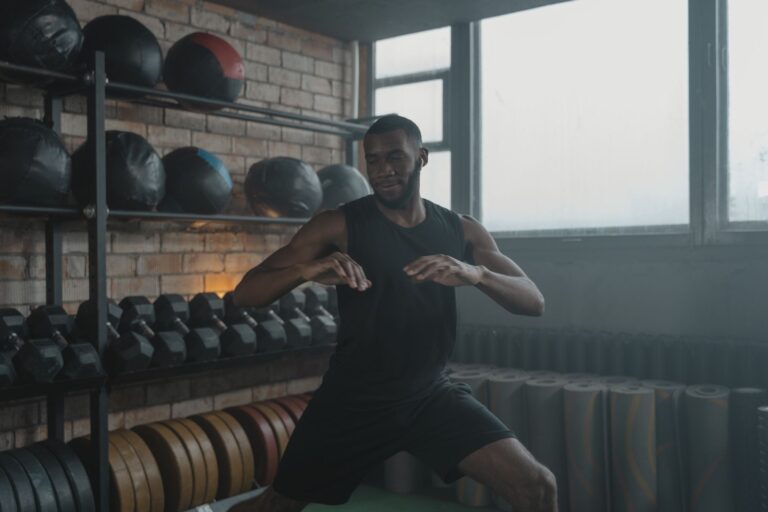
Aerobic dance workouts are structured exercise routines that combine rhythmic movement with music to elevate your heart rate and build cardiovascular endurance. Unlike traditional running or stationary cycling, aerobic dance integrates choreographed steps and body movements set to upbeat music, making the cardiovascular challenge feel more like dancing than formal exercise. Whether you’re attending a Zumba class at your local gym, following a YouTube tutorial of high-energy dance cardio at home, or participating in a structured aerobics session, these workouts deliver measurable improvements in heart health, calorie burn, and aerobic capacity.
The appeal of aerobic dance lies in its dual nature: it trains your cardiovascular system while offering psychological benefits that traditional steady-state cardio sometimes lacks. Research from the Journal of Sports Medicine shows that participants in dance-based aerobic workouts have similar or greater improvements in VO2 max compared to treadmill running, yet report higher enjoyment and lower perceived exertion. This paradox—working just as hard while feeling like you’re having more fun—explains why aerobic dance has sustained popularity for decades and continues to attract both fitness beginners and experienced athletes looking to diversify their training. A typical hour-long aerobic dance class burns 350 to 550 calories depending on intensity and body weight, placing it squarely in the moderate-to-vigorous intensity range that the American Heart Association recommends for cardiovascular health.
Table of Contents
- What Makes Aerobic Dance Effective for Cardiovascular Fitness?
- Aerobic Dance Formats and Their Cardiovascular Demands
- How Aerobic Dance Compares to Running for Cardiovascular Training
- Starting an Aerobic Dance Program: Progression and Safety
- The Mental and Motivation Challenges in Sustaining Aerobic Dance
- Aerobic Dance and Cross-Training Benefits for Runners
- The Future of Aerobic Dance and Hybrid Fitness Trends
- Conclusion
- Frequently Asked Questions
What Makes Aerobic Dance Effective for Cardiovascular Fitness?
Aerobic dance workouts elevate your heart rate by requiring continuous movement over extended periods, typically 30 to 60 minutes. The constant rhythm and choreography force your cardiovascular system to adapt to sustained demand without the monotony some people experience during straight running. Your heart, lungs, and blood vessels respond to this repeated stimulus by becoming more efficient at oxygen delivery and utilization—the same physiological adaptations you’d achieve on a treadmill or elliptical. The intensity varies within a single class, which can be an advantage over steady-paced running. Moves that emphasize large muscle groups—like side steps, lunges, and arm swings combined with direction changes—engage more muscle simultaneously and spike heart rate faster than isolated leg movement.
For someone training for a 5K or 10K, aerobic dance offers interval-like benefits without the joint impact of repeated sprints. A 2020 study published in the American Journal of Health Promotion found that recreational dancers improved their aerobic capacity by 15% over 12 weeks, matching the gains from traditional steady-state cardio. However, there’s a limitation: the choreography and focus required means many people work at a lower intensity than they think they are. You might step in the wrong direction, pause to reset, or unconsciously reduce intensity while concentrating on foot patterns rather than cardiovascular effort. Beginners often report that their perceived exertion—how hard they feel they’re working—is lower than their actual heart rate, which can lead to underestimating the workout’s difficulty.
Aerobic Dance Formats and Their Cardiovascular Demands
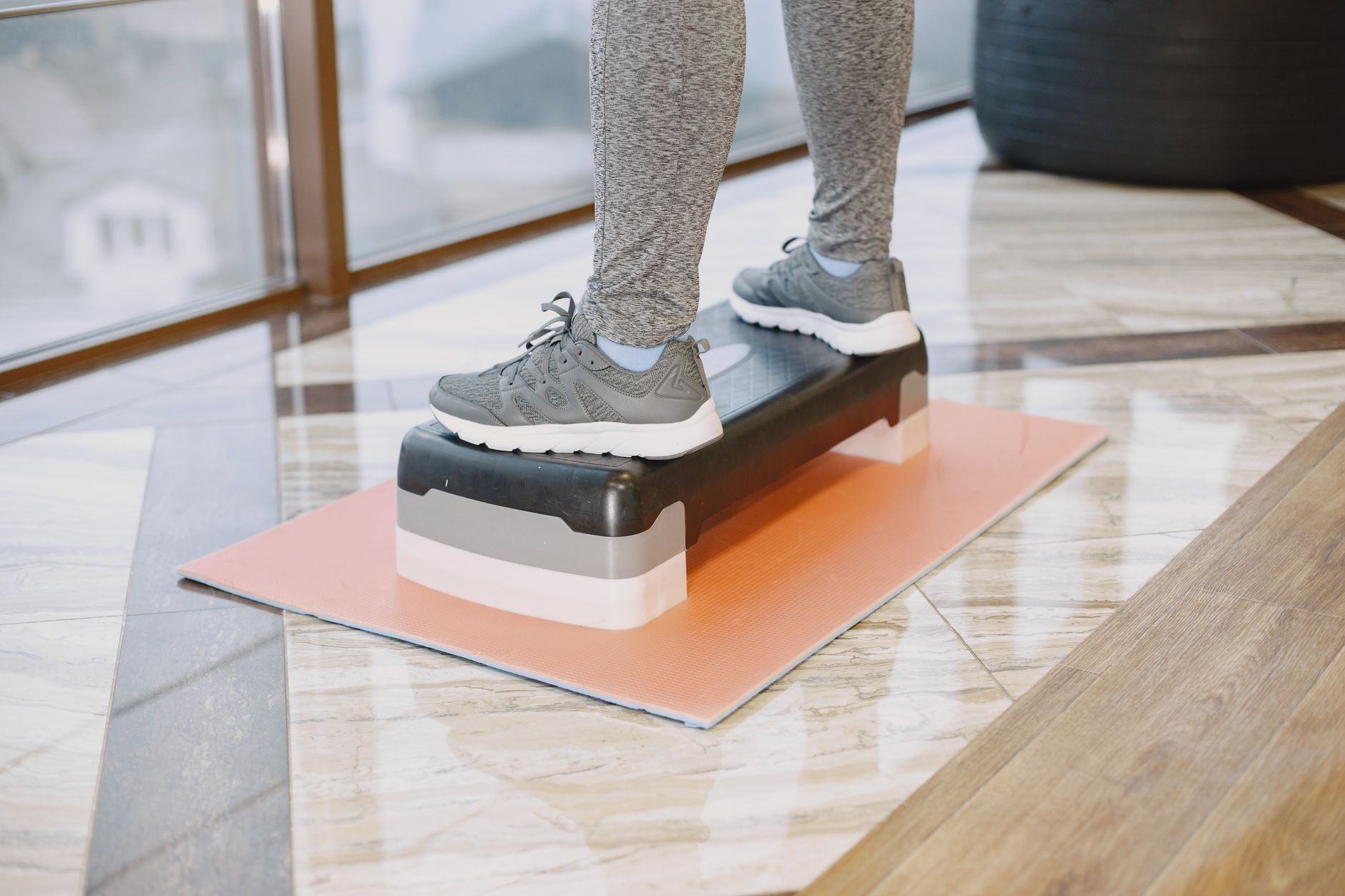
Aerobic dance encompasses several distinct formats, each with different intensity profiles and skills required. Zumba uses Latin rhythms and relatively simple choreography, making it accessible to newcomers while still delivering cardiovascular stress. Hip-hop dance classes integrate sharper, more angular movements with heavier emphasis on upper body, engaging stabilizer muscles that running neglects. Ballroom-style aerobics follows structured patterns and partners, while freestyle “cardio dance” (often found in boutique studios) prioritizes personal expression over perfect choreography. The format you choose matters for long-term adherence.
Someone who dislikes hip-hop music might find a Zumba class unbearable, while another person might find Zumba too simplistic and abandon it for the technical challenge of salsa-based aerobics. BodyCombat and other cardio kickboxing formats add striking motions alongside footwork, increasing the upper-body cardiovascular component—useful if you’re looking to distribute the training stimulus beyond your legs, which matters if you’re also running several days per week. One significant downside is sustainability of choreography-based classes. Mastering a routine takes mental effort; once you’ve memorized the choreography, the cognitive load drops, and some people report that the workout feels less engaging. This is why many instructors change choreography regularly or rotate between multiple routines. Alternatively, freestyle formats avoid this problem entirely, though they can feel less organized and may not provide as clear a progression for beginners.
How Aerobic Dance Compares to Running for Cardiovascular Training
Aerobic dance and running both develop aerobic capacity, but through different mechanisms and with different impacts on your body. Running is a repetitive motion that primarily stresses your legs, heart, and lungs in a predictable pattern; this simplicity is both an advantage (easier to measure progress, lower cognitive demand) and a disadvantage (higher repetitive impact on joints, greater risk of overuse injuries). Aerobic dance distributes impact more evenly through constant directional changes and varied stepping patterns, reducing the cumulative stress on any single joint. For calorie expenditure, a vigorous aerobic dance session and a moderate-paced 5-mile run are roughly equivalent—both around 500 to 600 calories for an average-weight adult.
However, aerobic dance often feels less exhausting because you’re distracted by music and choreography, whereas running demands either focused mental effort or consistent pacing discipline. Many runners use aerobic dance as an active recovery session on easy-run days because the cardiovascular demand is clear but manageable, and the change of pace reduces mental fatigue. The trade-off: running builds leg-specific strength and power in ways that aerobic dance does not. If you’re training for a distance running event, aerobic dance supplements your aerobic base but cannot fully replace running-specific training. Conversely, someone interested purely in cardiovascular health without running goals might actually prefer aerobic dance because it’s lower impact and offers greater variety.

Starting an Aerobic Dance Program: Progression and Safety
If you’re a runner considering adding aerobic dance to your training, begin with lower-impact styles like Zumba or ballroom-based aerobics rather than high-intensity jump-based classes like BodyCombat or cardio hip-hop. Two to three sessions per week, spaced at least one day apart from your hardest running workouts, integrates well into most training plans. The first few sessions will feel uncoordinated; this is normal and typically resolves within 2 to 3 weeks as your brain adapts to the choreography. A practical example: Sarah, a 10K runner, added one 45-minute Zumba class per week to her routine. After four weeks, she noticed improved leg turnover in her easy runs and felt less mental fatigue during recovery days.
She eventually increased to two classes per week on non-running days, using them as her primary easy-day activity while keeping hard running intervals and long runs separate. Her aerobic capacity improved, and she reported enjoying Zumba enough to continue it even after reaching her race goals. Start at a lower intensity than you think you should. Many instructors offer modifications—stepping instead of jumping, reduced range of motion, slower tempo—and using them initially is not a weakness. Your joints, tendons, and ligaments need time to adapt to the new movement patterns, even if your aerobic system is already trained from running. Jumping-based formats can increase injury risk if you haven’t done them before; wait at least three to four weeks of regular classes before attempting high-intensity jump-heavy sessions.
The Mental and Motivation Challenges in Sustaining Aerobic Dance
Aerobic dance’s primary strength—the music and choreography—also creates its biggest sustainability challenge for some people. If you dislike the music style, the instructor’s personality, or the gym environment, quitting becomes tempting. Unlike running, where you can simply step outside, aerobic dance typically requires joining a class or committing to a structured program at home. The motivation structure differs from running, too. Runners can measure progress through pace, distance, and race times—concrete metrics that feel rewarding. Aerobic dance progress is subtler: better stamina during class, smoother choreography execution, or the ability to follow the instructor without always watching.
Without clear metrics, some people feel they’re not making progress, even though their cardiovascular fitness is improving. Keeping a simple log—noting intensity level, how you felt, and any improvements in choreography or endurance—helps make progress tangible. One warning: the “fun factor” can disappear if the class becomes rote or if you compare yourself to experienced dancers. Beginners often feel self-conscious in group classes and worry about looking uncoordinated. Studios and instructors vary widely in how welcoming they are to beginners; finding the right environment takes trial and error. Online classes and home workouts eliminate this social anxiety but reduce the external accountability that keeps some people consistent.

Aerobic Dance and Cross-Training Benefits for Runners
For runners, aerobic dance offers genuine cross-training advantages beyond cardiovascular conditioning. The multidirectional movement strengthens stabilizer muscles in your ankles, hips, and core—muscles that running alone doesn’t fully develop. This improved stability can reduce injury risk, particularly for runners prone to ankle rolls or hip pain. Additionally, the coordination demands activate your neuromuscular system differently than running, providing cognitive variety that some people find mentally restorative.
A specific example: Marcus, a marathon runner, suffered recurring shin splints despite proper running form and gradual progression. Adding two weekly aerobic dance classes strengthened his hip abductors and external rotators, improving his pelvic stability during running. Within eight weeks, his shin pain resolved. The aerobic dance wasn’t fixing a running problem directly; rather, it addressed an underlying imbalance that running alone had never corrected.
The Future of Aerobic Dance and Hybrid Fitness Trends
Aerobic dance continues to evolve with technology and changing fitness preferences. Virtual reality dancing, online instructor-led classes, and AI-powered motion tracking are expanding accessibility beyond traditional group fitness studios. These innovations address one of aerobic dance’s historical limitations—the requirement to attend a physical location at scheduled times.
With home-based options, consistency becomes easier for people balancing busy schedules or living in areas without quality studios. Hybrid fitness programs that combine running, strength training, and dance-based cardio are gaining traction among serious amateur athletes. Rather than viewing these as separate disciplines, forward-thinking training plans integrate them strategically: running develops running-specific power and economy, strength work builds resilience, and aerobic dance provides high-intensity cardiovascular stimulus without the impact. This balanced approach addresses weaknesses in single-sport training while maintaining enjoyment and reducing burnout.
Conclusion
Aerobic dance workouts deliver legitimate cardiovascular benefits comparable to traditional steady-state cardio, with the added advantages of lower impact, higher enjoyment for many people, and meaningful cross-training value for runners. They elevate heart rate, improve aerobic capacity, and burn significant calories—all while engaging your mind through choreography and music. The key is finding a format and environment that you genuinely enjoy, since sustainability depends on showing up consistently.
If you’re a runner looking to expand your training beyond running or diversify your easy-day activities, starting with one to two aerobic dance sessions per week offers measurable returns without disrupting your running schedule. The mental and physical break from repetitive running motion alone may be worth the effort. Start conservatively, choose a format that appeals to you, and give yourself at least four weeks to adapt to the choreography before judging whether it’s a good fit. Your cardiovascular system will adapt quickly; your enjoyment and consistency are the real measures of success.
Frequently Asked Questions
Will aerobic dance interfere with my running training?
No, if scheduled appropriately. Place aerobic dance sessions on easy-run days or as recovery activity, separate from your hardest running workouts. Most runners benefit from adding one to two sessions per week without any negative impact on running performance.
How much does aerobic dance improve VO2 max?
Regular aerobic dance (three to four sessions per week) typically improves VO2 max by 12 to 20% over 8 to 12 weeks, similar to running. The magnitude depends on intensity and consistency.
Is aerobic dance safe if I have joint problems?
Lower-impact formats like Zumba and ballroom-based classes are generally safer than jumping-heavy formats. However, start gradually and modify movements as needed. Consult a physical therapist if you have a specific joint concern.
Can I learn choreography if I’m uncoordinated?
Yes. Most people adapt to choreography within three to four weeks. Beginners’ classes and instructors who teach at slower tempos help. Focus on intensity rather than perfect form during your first month.
What’s the best way to track progress in aerobic dance?
Keep a simple log noting the class type, intensity level (on a 1-10 scale), how you felt, and any improvements in endurance or choreography recall. Objective measures like resting heart rate improvements over weeks also reflect progress.