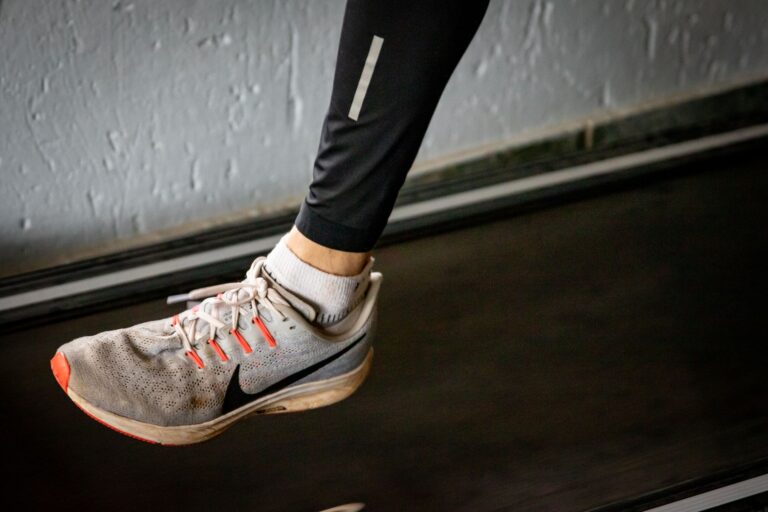
Functional fitness workouts are exercise programs designed to train your muscles to work together and prepare them for daily tasks and athletic movements. Rather than isolating individual muscle groups on machines, functional fitness emphasizes compound movements that mimic real-world activities like lifting, pushing, pulling, and carrying. If you’ve ever struggled to haul groceries up a flight of stairs or felt your lower back strain when bending to pick something up, functional fitness directly addresses those weak points by building strength and stability in the patterns your body actually uses. The core philosophy behind functional fitness is that strength should be practical and transferable.
For runners, this means developing the stabilizer muscles, explosive power, and core endurance that prevent injuries and improve performance on the road or trail. A functional workout might include movements like kettlebell swings, single-leg deadlifts, medicine ball rotations, and farmer’s carries—exercises that challenge your body in three-dimensional space rather than just forward and backward motion. What separates functional fitness from traditional strength training is the emphasis on movement quality, balance, and multi-planar work. You’re not trying to bench press the heaviest weight possible; you’re building a body that’s resilient, mobile, and capable of handling the demands of both running and life.
Table of Contents
- What Makes Functional Fitness Different From Traditional Strength Training?
- Core Elements of Functional Fitness Training
- How Functional Fitness Prevents Running Injuries
- Structuring a Functional Fitness Program for Runners
- Common Mistakes in Functional Fitness Training
- Equipment Versus Bodyweight Functional Training
- The Future of Functional Fitness in Running Training
- Conclusion
- Frequently Asked Questions
What Makes Functional Fitness Different From Traditional Strength Training?
Traditional gym work often isolates muscle groups—bicep curls, leg extensions, chest presses on machines—which is efficient for building size and strength in specific areas. Functional fitness, by contrast, prioritizes movement patterns and engages multiple muscle groups simultaneously. A barbell back squat, for example, engages your quads, glutes, hamstrings, core, and stabilizer muscles all at once, whereas a leg extension machine primarily targets the quadriceps in isolation. For runners, this difference matters considerably. running demands coordination between your anterior chain (front of body), posterior chain (back of body), and lateral stabilizers.
A runner who only does leg extensions and chest presses is leaving significant gaps in their fitness profile. Functional workouts address those gaps by building the interconnected strength you actually need. Studies comparing functional training to traditional resistance training show that functional approaches produce greater improvements in dynamic balance and fall prevention—crucial for injury-free running. The practical advantage is time efficiency. A single functional exercise like a push-up to overhead press requires far more from your body than doing bicep curls and then shoulder presses separately. This means you can accomplish more work in less time, which is valuable for runners balancing training with other fitness priorities.
Core Elements of Functional Fitness Training
Functional fitness typically builds around seven primary movement patterns: push, pull, squat, hinge, carry, lunge, and rotation. These patterns form the foundation of virtually all human movement and sport. A well-designed functional program ensures you’re competent and strong across all of them, preventing the muscle imbalances that accumulate from repetitive sports like running. However, there’s an important limitation to understand: functional fitness isn’t a replacement for sport-specific training. Runners still need to run, and they need to run regularly to build aerobic capacity, running economy, and the specific adaptations that occur in the running-specific musculature.
Functional fitness is best viewed as a complementary component that builds the foundational strength and stability that protect against injury and enhance running performance. Many runners make the mistake of thinking that functional training can replace some of their running volume, which typically leads to detraining and lost fitness. The other consideration is progression and load management. As you become stronger, functional exercises need to become more challenging—through added weight, reduced stability, increased volume, or greater range of motion. Without systematic progression, you’ll plateau quickly and stop seeing benefits.
How Functional Fitness Prevents Running Injuries
Running is a repetitive, impact-based sport that stresses specific tissues over and over. The glutes, hip stabilizers, and core are particularly vulnerable to weakness-related injuries because runners tend to develop strength imbalances—the quads often overdevelop while the glutes and hip abductors lag behind. This imbalance is a primary driver of runner’s knee, IT band syndrome, and hip pain. Functional fitness addresses these weak links by building glute strength through movements like single-leg deadlifts, Bulgarian split squats, and lateral band walks, as well as core stability through planks, pallof presses, and bird dogs.
A runner who performs these movements consistently will notice improved hip stability and reduced knee pain within 6-8 weeks. The external rotation strength and hip stability developed through functional training also improves proprioception—your body’s awareness of its position in space—which reduces the likelihood of overuse injuries. An example: a runner dealing with chronic IT band tightness might spend months foam rolling and stretching, seeing minimal improvement. Adding a functional strength program focused on glute strength and hip stability often resolves the issue entirely, because the tightness was a symptom of underlying weakness, not the primary problem.

Structuring a Functional Fitness Program for Runners
An effective functional program for runners doesn’t need to be complicated. Two to three sessions per week, performed after an easy run or on a separate day, is sufficient for most runners. Each session should hit multiple movement patterns: for example, a lower body day might include a squat pattern, a hinge pattern, a carry, and a rotation, taking 30-40 minutes total. The tradeoff between time and benefit becomes important here. A high-frequency functional program—5-6 days per week—might build slightly more strength, but it competes with your running training and recovery.
Most runners see the best results with a moderate frequency (2-3 days per week) that maintains running volume while systematically building strength. Another consideration is programming intensity. Functional exercises using bodyweight or moderate loads are generally lower risk and more sustainable than heavy barbell lifting, which is one reason they’re suitable for runners who need to preserve recovery for running workouts. A sample week might look like: Monday (moderate run + functional upper body), Wednesday (functional lower body), Friday (moderate run + core and carry work). This preserves your harder running sessions while ensuring consistent functional strength development.
Common Mistakes in Functional Fitness Training
One widespread mistake is poor movement quality in the pursuit of more weight or more reps. A sloppy kettlebell swing, where your arms are doing the work instead of your hips and posterior chain, is nearly useless and likely to cause injury. Functional fitness demands that you prioritize movement quality above all else. Lighter weight with perfect mechanics beats heavy weight with compensation patterns every time. This is where many online programs fail—they show an exercise but don’t emphasize the critical cues that make it effective.
Another pitfall is treating functional fitness as a complete workout program. Runners who add 20 minutes of functional training to their running routine and think they’ve handled all their fitness needs are missing out on aerobic capacity development, anaerobic power, and sport-specific adaptations. Functional fitness is a supplement that makes you more resilient and powerful, not a replacement for running volume or running-specific workouts. Overuse is also a risk. Adding functional training too abruptly or progressing too quickly can lead to tendinitis and overuse injury, even though the intention is to prevent injury. A conservative approach—starting with lighter loads and fewer reps, then building over weeks—is wiser than trying to catch up by doing too much too soon.

Equipment Versus Bodyweight Functional Training
Functional exercises can be performed with just your bodyweight—push-ups, pull-ups, pistol squats, handstand holds—or with minimal equipment like dumbbells, kettlebells, or resistance bands. Bodyweight training has the advantage of accessibility and safety; you’re unlikely to injure yourself doing push-ups or lunges. However, progression becomes limited eventually. You can do 50 perfect push-ups, but at that point adding load—through a weight vest or using a dip belt—is necessary to keep building strength.
Equipment-based functional training allows for better load management and more precise progression. A runner who can’t yet do a pull-up can use a resistance band to reduce load, then gradually work toward unassisted pull-ups. Dumbbells and kettlebells offer similar advantages: you can increase load in small increments as you get stronger, ensuring consistent progress. For most runners, a mix of bodyweight and light-to-moderate equipment (dumbbells, bands, kettlebells) is ideal.
The Future of Functional Fitness in Running Training
Functional fitness training has transitioned from a niche approach to a mainstream component of serious running programs. More coaches, physical therapists, and strength specialists are recognizing that runners need more than just running volume—they need the foundational strength and movement quality that functional training builds.
This shift has been driven by research showing clear injury prevention benefits and performance improvements. Looking forward, expect to see even greater integration of functional principles into running training programs, particularly at the amateur level where injury prevention is critical. The tools and exercises will likely evolve as well; periodized functional programs that vary intensity, volume, and exercise selection based on the running calendar will become more common, allowing runners to prioritize strength during base-building phases and maintain it during peak racing periods.
Conclusion
Functional fitness workouts serve a specific but crucial role in a runner’s training: building the foundational strength, stability, and movement quality that prevent injuries and improve running performance. Unlike traditional gym training that isolates muscles, functional fitness prepares your body for real-world demands through compound movements and multi-planar challenges. When performed consistently and with attention to movement quality, functional training can reduce chronic pain, improve running economy, and add years to your running career.
The key is viewing functional fitness as a complement to your running training, not a replacement. Two to three sessions per week, structured around primary movement patterns and progressed systematically, is sufficient for most runners to see significant benefits. Start conservatively, prioritize movement quality, and let the consistency compound over months and years. The strength you build will pay dividends in every run you take.
Frequently Asked Questions
How many times per week should runners do functional fitness workouts?
Two to three sessions per week is optimal for most runners, allowing enough stimulus for strength development while preserving recovery for running. More than that typically competes with running training and recovery capacity.
Can functional fitness replace some of my running training?
No. Functional fitness complements running training but cannot replace running itself. Running develops aerobic capacity and running-specific adaptations that functional training cannot provide. Think of it as an add-on, not a substitute.
What’s the best equipment to start with?
Bodyweight exercises are a great starting point and require no equipment. As you progress, a set of dumbbells, a kettlebell, and resistance bands offer enough variety and progression options for most functional training needs.
How long does it take to see results from functional fitness?
Most runners notice improvements in strength and stability within 4-6 weeks of consistent training. Injury prevention benefits and performance improvements typically become apparent within 8-12 weeks.
Is functional fitness safe for injured runners?
Functional fitness can support recovery from many running injuries, but it depends on the specific injury. Work with a physical therapist or qualified trainer to modify exercises appropriately for your situation.
Do I need a trainer to do functional fitness?
Not necessarily, but working with a trainer for the first few sessions to learn proper form is valuable. Many functional exercises can be performed safely with video guidance and attention to movement quality once you understand the basics.