Long indoor runs expose poor shoe fit faster than almost any other running scenario, creating a pressure-cooker environment where minor fit issues transform into significant problems within the span of a single workout. The controlled, unchanging nature of treadmill and indoor track surfaces eliminates the variability that outdoor terrain provides, forcing your feet into repetitive, identical motion cycles that amplify every friction point, pressure spot, and stability flaw in your footwear. What might feel like a perfectly acceptable shoe during a casual outdoor jog can reveal itself as fundamentally incompatible with your foot anatomy after 45 minutes on a treadmill belt. The significance of this phenomenon extends beyond temporary discomfort.
Runners who train indoors frequently, whether due to weather constraints, safety concerns, or preference, often experience accelerated development of blisters, black toenails, neuromas, and plantar fascia irritation compared to those who run primarily outdoors. Understanding why indoor environments create this accelerated feedback loop allows runners to make more informed footwear decisions before problems develop into injuries that sideline training for weeks or months. By the end of this article, you will understand the biomechanical and environmental factors that make indoor running such an effective litmus test for shoe fit, learn to identify early warning signs of poor fit before they become injuries, and gain practical strategies for selecting and testing footwear specifically for indoor training. Whether you are a treadmill devotee, an indoor track regular, or someone who occasionally moves workouts inside during inclement weather, this knowledge will help you avoid the painful lessons that poorly fitted shoes teach during extended indoor sessions.
Table of Contents
- Why Do Indoor Runs Reveal Shoe Fit Problems More Quickly Than Outdoor Running?
- The Biomechanics of Poor Shoe Fit During Extended Treadmill Sessions
- How Temperature and Humidity Accelerate Fit Problems Indoors
- Identifying Warning Signs of Poor Shoe Fit During Indoor Runs
- Common Shoe Fit Mistakes That Indoor Running Exposes Rapidly
- The Role of Sock Choice in Indoor Shoe Fit Performance
- How to Prepare
- How to Apply This
- Expert Tips
- Conclusion
- Frequently Asked Questions
Why Do Indoor Runs Reveal Shoe Fit Problems More Quickly Than Outdoor Running?
The answer lies in the fundamental difference between indoor and outdoor running surfaces and environments. When running outdoors, every stride encounters slightly different terrain, even on seemingly uniform sidewalks or roads. Subtle grade changes, surface irregularities, turns, and the natural variation in foot placement distribute stress across different areas of your foot and shoe with each step. This variability acts as a pressure-release valve, preventing any single friction point or stress area from receiving concentrated, continuous loading. Indoor running eliminates this protective variability almost entirely. treadmill belts present an absolutely uniform surface with consistent texture, cushioning response, and zero grade variation during steady-state running.
Indoor tracks, while offering some turning variety, still provide far more uniform conditions than any outdoor route. The result is that your foot moves through an identical motion pattern thousands of times per hour, with the same contact points experiencing the same pressures in the same sequence repeatedly. A hot spot that might dissipate naturally during an outdoor run where terrain changes slightly every few strides instead receives sustained, concentrated friction that rapidly progresses to blister formation. Temperature and humidity compound this effect significantly. Indoor facilities, particularly those with treadmills, tend to have reduced air circulation compared to outdoor environments where natural wind provides cooling. Studies measuring foot temperature during treadmill running show that in-shoe temperatures can reach 35 to 40 degrees Celsius after 30 minutes, significantly higher than typical outdoor running temperatures. This heat increases foot swelling, intensifies moisture accumulation, and softens skin, all of which amplify the consequences of any fit deficiency.
- Repetitive motion cycling loads identical pressure points thousands of times per session
- Absence of terrain variability eliminates natural stress distribution across the foot
- Elevated in-shoe temperatures accelerate swelling and skin breakdown
The Biomechanics of Poor Shoe Fit During Extended Treadmill Sessions
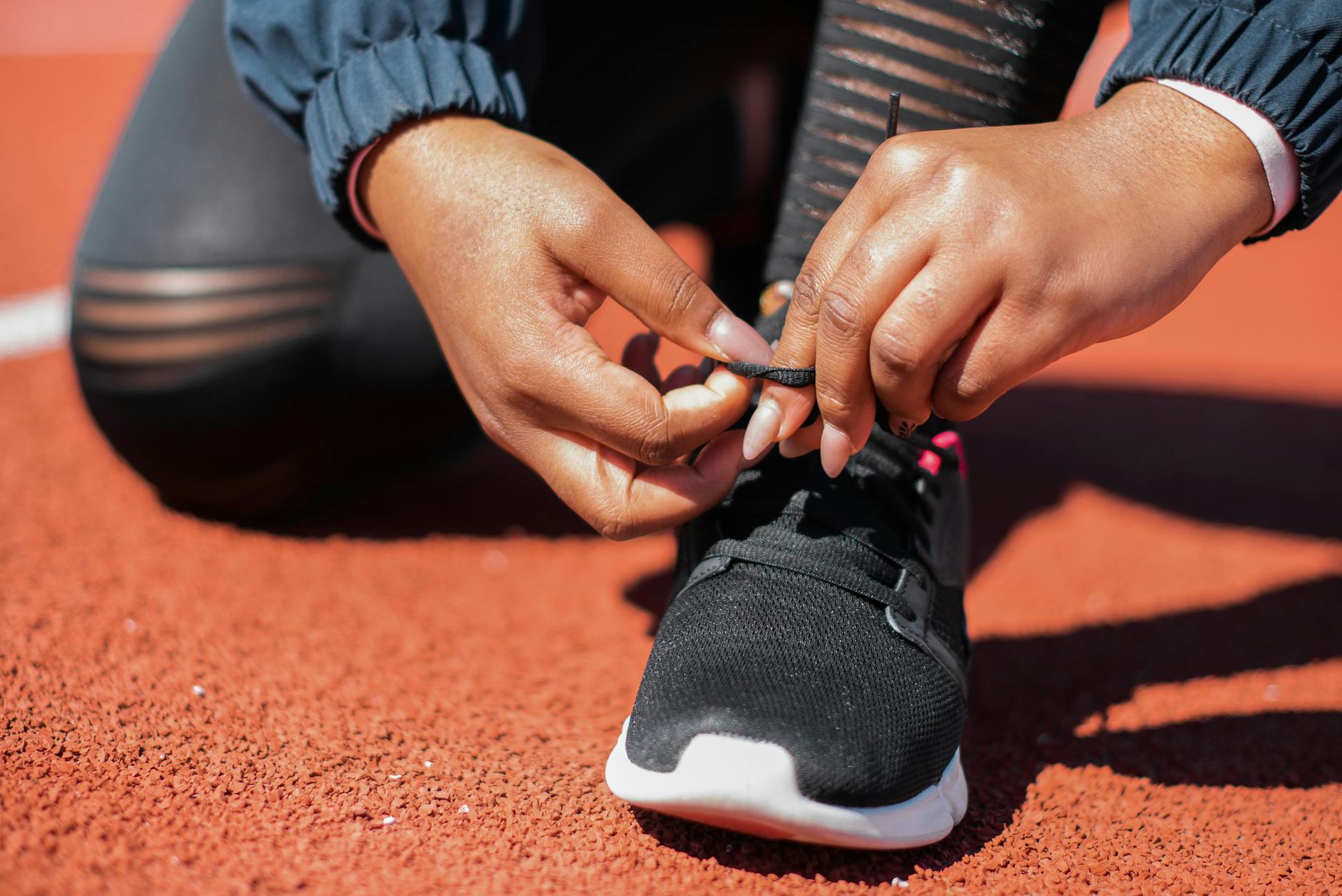
Understanding how your foot interacts with your shoe during prolonged indoor running reveals why fit problems escalate so rapidly. During each running stride, your foot undergoes a complex sequence of movements including heel strike, midfoot loading, forefoot push-off, and toe clearance. In a properly fitted shoe, these movements occur with minimal internal friction and appropriate stabilization. When fit is compromised, the shoe either restricts natural movement or allows excessive internal sliding, both of which create problems that compound with each stride. Heel slippage represents one of the most common fit issues that indoor running exposes. During outdoor running, slight heel movement often goes unnoticed because the foot naturally adjusts to terrain changes.
On a treadmill, consistent heel slippage creates a sawing motion against the heel counter that produces blisters within 20 to 30 minutes of continuous running. Similarly, a toe box that provides adequate room for short outdoor runs may prove insufficient during longer indoor sessions when foot swelling increases volume by 5 to 8 percent, causing toe compression and subsequent black toenails or nerve irritation. The belt mechanics of treadmill running also alter foot loading patterns compared to ground running. Research published in the Journal of Biomechanics indicates that treadmill running produces slightly different ground reaction force patterns, with some studies showing increased vertical loading rates. While these differences are relatively small, they change how the foot settles into the shoe and can expose fit issues that remain dormant during overground running. runners frequently report that shoes performing adequately outdoors feel noticeably different on treadmills, often tighter in the midfoot or less stable during the push-off phase.
- Heel counter friction intensifies without terrain-induced foot position changes
- Foot swelling during indoor runs can increase volume by 5 to 8 percent
- Treadmill belt mechanics produce subtly different loading patterns than ground running
How Temperature and Humidity Accelerate Fit Problems Indoors
The thermal environment of indoor running spaces deserves specific attention because it fundamentally changes how your feet interact with your shoes. Most indoor running occurs in climate-controlled spaces that, while comfortable for general activity, create challenging conditions for feet encased in shoes during vigorous exercise. Without natural wind cooling that outdoor runners experience, heat generated by muscular activity and friction accumulates rapidly within the shoe. Research from the American College of Sports Medicine demonstrates that foot temperature during treadmill running can exceed core body temperature by several degrees, creating a localized heat stress that affects both tissue mechanics and shoe fit dynamics. As foot temperature rises, blood vessels dilate to facilitate cooling, increasing foot volume. The sock and shoe materials also retain heat, creating a positive feedback loop where elevated temperature causes swelling, which increases friction, which generates more heat.
A shoe that fits well in cool, dry conditions may become significantly too tight after 30 minutes of indoor running, compressing the forefoot and midfoot in ways that outdoor running rarely produces. Moisture accumulation presents an equally significant challenge. The average foot contains approximately 250,000 sweat glands, more per square inch than any other body part. During vigorous exercise, feet can produce over 200 milliliters of sweat per hour. Outdoors, air movement helps evaporate this moisture, but indoor environments with still air allow sweat to saturate socks and shoe linings quickly. Wet skin has a higher friction coefficient than dry skin, meaning that the same amount of shoe movement against the foot produces more shear stress when moisture is present. This explains why runners often develop blisters during indoor runs that never occur during equivalent outdoor sessions.
- Foot temperature during indoor running can exceed 38 degrees Celsius after extended sessions
- Feet produce over 200 milliliters of sweat per hour during vigorous indoor exercise
- Wet skin exhibits significantly higher friction coefficients than dry skin
Identifying Warning Signs of Poor Shoe Fit During Indoor Runs
Recognizing early indicators of fit problems allows intervention before minor discomfort becomes injury. The feedback that indoor running provides, while potentially painful, offers valuable diagnostic information that outdoor running often masks. Learning to interpret these signals enables better footwear decisions and can save significant recovery time. Hot spots represent the earliest warning sign of friction-based fit problems. These areas of localized warmth, typically appearing on the heel, the ball of the foot, or the tips of toes, indicate excessive movement between the foot and shoe.
During outdoor running, hot spots may come and go as terrain changes alter foot position, but during indoor running, they persist and intensify. Any hot spot that develops before the 15-minute mark of an indoor run signals a significant fit issue that requires attention. Runners should note the specific location, as this information guides footwear adjustments, whether that means different lacing techniques, thicker or thinner socks, or different shoe sizes or models. Numbness or tingling in the forefoot during indoor running indicates compression of the metatarsal nerves, typically caused by a toe box that is too narrow or too shallow for the swelling that occurs during extended running. This symptom rarely appears during short runs or outdoor sessions where foot volume fluctuates more naturally but commonly develops during treadmill sessions exceeding 30 minutes. Similarly, the sensation of the foot sliding forward in the shoe during downhill treadmill settings, or even on flat settings, reveals inadequate heel lockdown that will eventually cause toenail trauma.
- Hot spots appearing before 15 minutes indicate significant fit deficiencies
- Forefoot numbness suggests toe box compression during swelling
- Forward foot sliding reveals inadequate heel lockdown mechanisms
Common Shoe Fit Mistakes That Indoor Running Exposes Rapidly
Several widespread shoe-fitting practices create particular problems during extended indoor sessions. Understanding these common mistakes helps runners avoid footwear choices that may seem adequate initially but fail under the sustained stress of indoor running. Purchasing shoes that fit perfectly at the time of fitting represents perhaps the most common error. Foot volume fluctuates throughout the day, with most people experiencing maximum swelling in the late afternoon and evening. Feet also require time to adapt to the increased blood flow and heat of running. A shoe that fits precisely when tried on in a store will almost certainly feel too tight after 30 minutes of treadmill running as foot volume increases. The general recommendation of leaving a thumb’s width between the longest toe and the front of the shoe applies even more stringently to indoor running, where swelling occurs more rapidly and more extensively than during outdoor sessions.
Relying on outdoor running experience to judge shoe fit leads many runners astray when they transition to indoor training. The forgiving nature of varied outdoor terrain masks fit issues that become immediately apparent indoors. A runner might cover hundreds of miles outdoors in a particular shoe model, believing it fits well, only to discover during their first extended treadmill session that significant problems exist. This explains why runners new to indoor training often experience unexpected blisters or discomfort despite wearing shoes they considered well-fitted. Ignoring last shape compatibility creates problems that indoor running exposes with particular clarity. Every shoe manufacturer uses specific last shapes, the foot forms around which shoes are constructed, that may or may not match an individual runner’s foot anatomy. A runner with a wider forefoot and narrower heel requires shoes built on a corresponding last, but many runners choose footwear based primarily on brand reputation, appearance, or cushioning characteristics without considering whether the fundamental shape matches their foot. Indoor running, with its unrelenting repetition, quickly reveals these mismatches through pressure points and friction areas that vary based on the specific incompatibility.
- Buying shoes that fit perfectly at purchase ignores natural foot swelling
- Outdoor running experience does not predict indoor running shoe performance
- Last shape mismatches create pressure points that intensify during repetitive indoor strides
The Role of Sock Choice in Indoor Shoe Fit Performance
While shoe fit receives primary attention, the interface between foot and shoe depends heavily on sock characteristics that become particularly important during indoor running. Sock selection that works well for outdoor runs may prove inadequate for the elevated temperature and moisture conditions of extended treadmill sessions. Moisture management capability determines how effectively socks maintain appropriate friction levels as sweating increases. Cotton socks, still worn by many recreational runners, absorb moisture and hold it against the skin, dramatically increasing friction and blister risk. Synthetic moisture-wicking fabrics or merino wool transport sweat away from the skin surface, maintaining more consistent friction levels throughout a run.
The difference between these materials becomes most apparent during indoor runs exceeding 45 minutes, where cotton socks may fully saturate while technical fabrics continue functioning effectively. Sock thickness also affects shoe fit, with padded running socks adding volume that must be accounted for when selecting shoe size. Seam placement and construction quality matter more during indoor running than outdoor sessions. A barely noticeable seam ridge can become a significant irritation source when the foot passes over it identically thousands of times during a treadmill workout. Seamless toe construction and flat-lock seams throughout the sock minimize these localized friction points. Runners who experience toe blisters specifically during indoor runs should examine their socks for seam placement across the toe box area before assuming shoe fit is the primary culprit.
How to Prepare
- **Perform fitting tests in the late afternoon or evening** when feet are naturally at their largest volume. This timing provides a more accurate representation of how shoes will fit during the latter portion of long indoor runs when heat-induced swelling reaches its maximum. Avoid morning shoe shopping or testing when feet are at their smallest.
- **Bring your actual running socks** to any fitting session and ensure they represent what you will wear during indoor training. The volume difference between dress socks worn to a store and technical running socks can exceed a half size in fit perception. If you use different sock weights for different conditions, test with the thicker option.
- **Simulate indoor conditions during home testing** by running on a treadmill for at least 20 minutes before making a keep-or-return decision on new shoes. Many retailers allow returns of unworn-looking shoes, and treadmill testing does not produce the visible wear that outdoor testing creates. This controlled test provides far more relevant fit information than walking around a store or running a short outdoor loop.
- **Pay attention to the first signs of discomfort** during test runs and note their exact location and timing. A hot spot at the 15-minute mark indicates a problem that will become significant during longer sessions. Document these observations to compare different shoe models or to guide adjustments like lacing modifications.
- **Test multiple lacing configurations** before concluding that a shoe does not fit properly. Heel lock lacing can eliminate heel slippage that causes blisters. Skipping eyelets over the midfoot can relieve pressure on the top of the foot. The window lacing technique provides relief for high arches. These adjustments can transform the fit of an otherwise problematic shoe and should be explored before abandoning a shoe model entirely.
How to Apply This
- **Schedule a dedicated indoor test session** for any new running shoe before committing to longer workouts in that footwear. This session should include at least 30 minutes of continuous running at your typical training pace, with attention to emerging hot spots, tightness, or instability during the final 10 minutes when swelling has maximized.
- **Maintain a fit journal** documenting your experiences with different shoe models during indoor runs. Note the specific issues encountered, the duration at which they appeared, and any modifications attempted. This record becomes valuable when selecting future footwear and helps identify patterns related to particular brands, models, or last shapes.
- **Adjust your expectations** when transitioning from outdoor to indoor training or when increasing indoor run duration. Shoes that performed well for 30-minute treadmill sessions may not accommodate the additional swelling and heat accumulation of 60-minute workouts. Consider having dedicated indoor training shoes in a slightly larger size than your outdoor footwear.
- **Implement a shoe rotation strategy** for regular indoor training that allows shoes to fully dry between sessions. The moisture accumulated during treadmill runs requires 24 to 48 hours to fully evaporate from shoe materials. Rotating between two or more pairs extends shoe life and ensures you always start workouts with dry footwear that provides consistent fit.
Expert Tips
- **Use body glide or similar lubricants** on known friction areas before long indoor runs. This preventive approach reduces shear stress even when shoe fit is not perfect and can provide enough protection to complete a training session without blister development while you work on longer-term fit solutions.
- **Consider shoe fit changes across training cycles.** Foot size can increase permanently with high-volume training, and temporary increases occur during periods of intense workload. Runners training for marathons often need to size up during peak mileage weeks. Indoor running during these periods will reveal this need more quickly than outdoor sessions.
- **Pay attention to asymmetry** between your feet when evaluating indoor running fit issues. Most people have slightly different-sized feet, and indoor running’s repetitive nature may create problems on only one side. Solutions include wearing different sock thicknesses on each foot, using insoles asymmetrically, or in significant cases, purchasing two different sizes.
- **Test shoes on incline settings** during treadmill evaluation, as this loading scenario reveals heel slippage and toe box compression issues that flat running may not expose. Even if you typically run flat, occasional incline testing provides valuable fit information.
- **Replace indoor running shoes based on midsole condition** rather than upper appearance. Treadmill running produces less visible wear on shoe uppers than outdoor running, but the cushioning and support systems degrade at similar rates. A shoe that looks nearly new but has accumulated 400 miles will not provide the same fit stability as when it was fresh, and indoor running will expose this degradation through new discomfort patterns.
Conclusion
The unique conditions of indoor running, including uniform surfaces, repetitive motion patterns, elevated temperatures, and reduced airflow, create an environment that rapidly exposes any deficiency in shoe fit. While this accelerated feedback can produce uncomfortable or even painful lessons, it also provides valuable information for runners willing to pay attention. The same factors that make indoor running challenging for poorly fitted shoes make it an excellent testing ground for evaluating new footwear and identifying subtle fit issues before they develop into significant injuries.
Approaching indoor running with awareness of these dynamics allows runners to make proactive footwear decisions rather than reactive ones. Testing shoes systematically under indoor conditions, allowing for the additional swelling that treadmill running produces, and monitoring early warning signs of fit problems all contribute to more successful equipment choices. The investment of attention and effort required to achieve proper shoe fit for indoor running pays dividends in reduced injury risk, more comfortable training sessions, and the ability to complete planned workouts without the interruption of preventable foot problems. Rather than viewing the demanding nature of indoor running as a limitation, consider it a tool for optimizing one of the most fundamental equipment choices every runner faces.
Frequently Asked Questions
How long does it typically take to see results?
Results vary depending on individual circumstances, but most people begin to see meaningful progress within 4-8 weeks of consistent effort. Patience and persistence are key factors in achieving lasting outcomes.
Is this approach suitable for beginners?
Yes, this approach works well for beginners when implemented gradually. Starting with the fundamentals and building up over time leads to better long-term results than trying to do everything at once.
What are the most common mistakes to avoid?
The most common mistakes include rushing the process, skipping foundational steps, and failing to track progress. Taking a methodical approach and learning from both successes and setbacks leads to better outcomes.
How can I measure my progress effectively?
Set specific, measurable goals at the outset and track relevant metrics regularly. Keep a journal or log to document your journey, and periodically review your progress against your initial objectives.
When should I seek professional help?
Consider consulting a professional if you encounter persistent challenges, need specialized expertise, or want to accelerate your progress. Professional guidance can provide valuable insights and help you avoid costly mistakes.
What resources do you recommend for further learning?
Look for reputable sources in the field, including industry publications, expert blogs, and educational courses. Joining communities of practitioners can also provide valuable peer support and knowledge sharing.