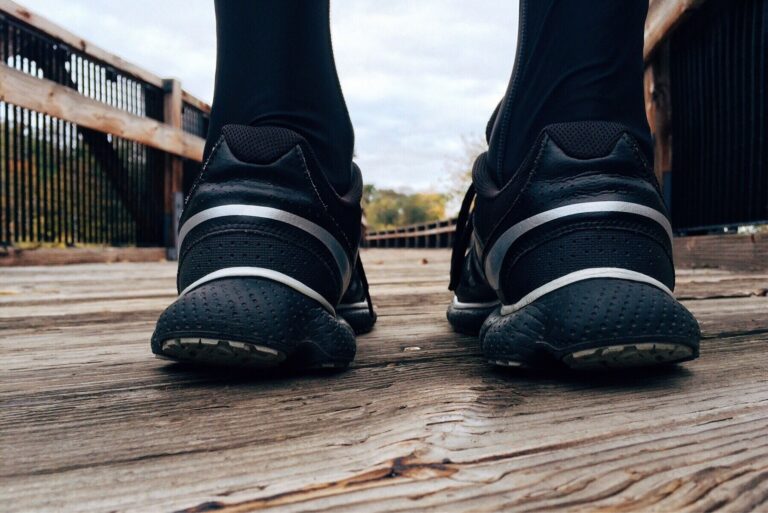
The best shoe feel for long treadmill runs contradicts what most runners assume when they step onto the belt for extended sessions. Conventional wisdom suggests that maximum cushioning equals maximum comfort over distance, leading countless runners to select the plushest, most heavily padded shoes they can find. Yet experienced treadmill runners and sports podiatrists increasingly point to a different conclusion: the optimal shoe feel for sustained treadmill running prioritizes responsive stability over cloud-like softness, and this counterintuitive finding is reshaping how serious runners approach their indoor footwear choices. This matters because treadmill running presents unique biomechanical demands that differ significantly from outdoor running.
The consistent, flat surface of a treadmill belt, combined with the slight give of the deck and the unchanging cadence most runners fall into, creates a repetitive stress pattern that amplifies minor fit issues over time. A shoe that feels perfectly comfortable during a 20-minute easy run can become a source of discomfort, hotspots, or even injury during a 90-minute long run. Understanding what actually works for extended treadmill sessions can mean the difference between building aerobic base effectively and dealing with nagging foot problems that derail training. By the end of this article, readers will understand why the running industry’s marketing of ultra-cushioned shoes for comfort may be misleading for treadmill-specific use, what shoe characteristics actually support long treadmill runs, and how to evaluate their current footwear against these criteria. The discussion covers the science behind treadmill biomechanics, practical selection guidelines, and expert insights from coaches who work with runners logging serious indoor miles.
Table of Contents
- What Shoe Feel Do Most Runners Expect for Long Treadmill Sessions?
- Why Treadmill Running Demands Different Shoe Characteristics Than Road Running
- The Responsive Stability Sweet Spot for Long Treadmill Runs
- How to Select the Best Shoe Feel for Your Treadmill Long Runs
- Common Mistakes When Choosing Treadmill Running Shoes
- How Shoe Feel Changes During Extended Treadmill Runs
- How to Prepare
- How to Apply This
- Expert Tips
- Conclusion
- Frequently Asked Questions
What Shoe Feel Do Most Runners Expect for Long Treadmill Sessions?
The prevailing assumption among recreational runners is that runs-and-how-shoes-play-a-role/” title=”Why Your Feet Go Numb on Long Treadmill Runs and How Shoes Play a Role”>long runs demand maximum cushioning. This belief stems from a reasonable intuition: more distance means more impact, and more impact should require more protection. Shoe manufacturers have reinforced this thinking through marketing campaigns that emphasize stack heights, proprietary foam technologies, and the sensation of running on clouds. Walk into any running store and ask for a shoe for long runs, and the sales associate will likely steer you toward the thickest-soled options in the lineup.
This expectation intensifies when runners consider treadmill-specific use. The perception that treadmills are harder on the body than outdoor surfaces””despite evidence suggesting the opposite””leads many to double down on cushioning. Runners often report feeling like they need extra protection from the monotonous pounding of belt running, assuming that the repetitive nature of the surface calls for enhanced shock absorption. Combined with the indoor environment where breathability feels less critical, runners frequently gravitate toward heavily cushioned trainers that prioritize softness above all other characteristics. The problem with this approach becomes apparent over time and distance:.
- Excessive cushioning creates instability that forces smaller stabilizing muscles to work harder throughout the gait cycle
- Ultra-soft midsoles compress unevenly as they heat up during long runs, changing the shoe’s feel mid-session
- Maximum cushion shoes often feature higher stack heights that increase the lever arm at the ankle, potentially contributing to fatigue
- The energy return from highly compressed foam diminishes over the course of extended runs, leaving runners feeling flat-footed in the final miles

Why Treadmill Running Demands Different Shoe Characteristics Than Road Running
Treadmill running creates a biomechanically distinct experience that most runners underestimate. The belt moves beneath the foot rather than the foot pushing off a stationary surface, which subtly alters muscle recruitment patterns. Research published in the Journal of Sports Sciences found that treadmill running produces slightly different ground reaction forces compared to overground running, with runners tending toward a more consistent, metronomic cadence on the belt. This consistency, while potentially beneficial for certain workouts, means that any shoe-related issues repeat identically with every stride rather than varying as they would on mixed outdoor terrain.
The treadmill deck itself provides a degree of shock absorption that road surfaces do not. Most quality treadmills feature cushioned decks designed to reduce impact forces by 15 to 40 percent compared to concrete or asphalt. This built-in cushioning effectively means that runners are stacking deck absorption on top of shoe absorption, which can result in an excessively soft system that actually hinders efficient running mechanics. Runners who select maximum shoes-on-long-treadmill-sessions/” title=”The Truth About Max Cushion Shoes on Long Treadmill Sessions”>cushion shoes for treadmill use may find themselves working against a spongy, unstable platform that saps energy and creates subtle balance challenges. Temperature and friction also play roles that outdoor runners rarely consider:.
- Treadmill running in climate-controlled environments leads to less moisture evaporation, increasing the likelihood of blisters in shoes with poor internal fit
- The consistent friction pattern of the belt against the outsole can heat up the midsole foam, changing its compression characteristics mid-run
- Without terrain variation to naturally alter foot strike, any shoe quirk or pressure point repeats thousands of times over a long session
The Responsive Stability Sweet Spot for Long Treadmill Runs
The shoe feel that actually supports long treadmill runs sits in a middle ground that running marketing rarely emphasizes. Rather than maximum cushion or minimal design, experienced treadmill runners consistently gravitate toward shoes offering what might be called responsive stability: enough cushioning to remain comfortable but firm enough to provide a consistent platform throughout the run. This means midsole foams that compress predictably without bottoming out, secure heel counters that prevent slippage, and overall construction that maintains its character from mile one to mile fifteen. Responsive stability manifests in specific, measurable characteristics.
Stack heights in the 28 to 34 millimeter range for the heel tend to offer sufficient protection without creating instability. Midsole durometers in the medium-firm range””roughly 40 to 50 on the Asker C scale””provide the blend of cushion and response that supports extended efforts. Heel-toe drops between 6 and 10 millimeters accommodate the natural gait patterns most runners adopt on treadmills without forcing adaptation. These specifications might sound technical, but they translate into a shoe that feels supportive without feeling dead, cushioned without feeling unstable. The key distinction lies in energy return versus pure shock absorption:.
- Pure shock absorption dissipates impact energy, requiring the runner to generate all forward propulsion independently
- Responsive cushioning returns a portion of that energy, reducing the muscular effort required to maintain pace
- Over long treadmill runs, even small differences in energy return compound into meaningful reductions in fatigue
How to Select the Best Shoe Feel for Your Treadmill Long Runs
Selecting appropriate footwear for long treadmill runs requires moving beyond brand loyalty and marketing claims toward systematic evaluation. Start by assessing your current shoes’ performance during extended sessions. Pay attention to where discomfort first appears, whether your feet feel hot or restricted, and whether the shoe’s character changes noticeably as the run progresses. These observations provide essential baseline data for evaluating alternatives.
The in-store or at-home trial process should specifically simulate treadmill conditions. When testing shoes, spend at least ten minutes running at your typical easy pace, noting not just initial comfort but how the shoe feels as your foot warms and swells slightly. Press firmly on the midsole with your thumb to gauge its resistance””you want noticeable give but not so much that your thumb easily reaches the outsole. Check that the heel counter holds your foot securely without excessive movement, as any slippage will amplify dramatically over thousands of strides. Practical selection criteria include:.
- Upper construction that provides secure lockdown without creating pressure points across the midfoot
- Outsole rubber that remains grippy on the treadmill belt’s textured surface rather than slick, hard compounds
- Weight in the 9 to 11 ounce range for most runners, balancing protection with efficiency
- Sufficient toe box volume to accommodate natural foot spread during long efforts without excess room that allows sliding
Common Mistakes When Choosing Treadmill Running Shoes
The most frequent error runners make is direct translation of outdoor shoe preferences to treadmill use without adjustment. A shoe that excels on varied road surfaces with changing grades and textures may underperform on the consistent, slightly cushioned treadmill belt. Runners who love their heavily cushioned road shoes often struggle to understand why those same shoes feel sluggish and unstable during long indoor sessions, attributing the problem to the treadmill itself rather than the shoe-surface interaction. Over-reliance on initial comfort leads many runners astray.
Shoes with extremely soft cushioning feel wonderful during the first few minutes, creating powerful positive impressions that override concerns about long-term performance. Running stores often allow only brief test runs, and even extended trials rarely last long enough to reveal how a shoe performs in the back half of a long run. This sampling bias means that the softest, most immediately comfortable shoes often win the purchase decision despite being suboptimal for their intended purpose. Additional common mistakes include:.
- Ignoring the treadmill’s built-in cushioning when selecting shoe cushioning level, resulting in an excessively soft combined system
- Choosing shoes based on pace-specific categories rather than duration””long run shoes need not be slow, heavy trainers
- Neglecting fit details like heel lockdown and midfoot security in favor of midsole technology
- Failing to rotate multiple pairs for long treadmill sessions, allowing foam breakdown to progress faster than it would with rotation
How Shoe Feel Changes During Extended Treadmill Runs
Understanding the temporal dynamics of shoe performance helps runners make better choices and set appropriate expectations. Midsole foams do not behave consistently across a long run””they compress, warm, and respond differently as the miles accumulate. EVA-based foams, still common in many running shoes, typically soften as they heat up, meaning a shoe that feels appropriately firm at the start may feel mushy by mile ten. Newer TPU-based foams like various proprietary blends maintain their characteristics more consistently but still exhibit some temperature-dependent behavior.
Foot physiology compounds these shoe changes. Feet swell during long runs, sometimes by as much as half a shoe size, as blood flow increases and fluid accumulates in the tissues. This swelling changes how the foot interacts with the shoe’s interior, potentially creating new pressure points or loosening previously secure fit. The combination of foot swelling and foam softening means that the shoe-foot system at minute sixty differs substantially from minute six, and runners need to account for this evolution when selecting and fitting shoes for long treadmill sessions.
How to Prepare
- **Audit your current shoes** by recording specific observations during your next few long treadmill runs. Note the mile markers where discomfort begins, describe the nature of any problems, and assess whether the shoe’s feel changes noticeably during the session.
- **Research shoes in the moderate cushioning category** using specifications rather than marketing descriptions. Look for stack heights between 28 and 35 millimeters, heel-toe drops in the 6 to 10 millimeter range, and midsole materials known for consistency rather than maximum softness.
- **Request extended trials whenever possible** from retailers or through brands’ return policies. A minimum of 30 minutes on the treadmill at your intended pace provides essential data that brief store tests cannot reveal.
- **Evaluate heel lockdown specifically** by performing forward leans and lateral movements while wearing prospective shoes. Any perceptible heel lift indicates potential issues that will worsen during long runs.
- **Test at your typical long-run pace** rather than faster tempos. Long treadmill runs typically occur at easy to moderate intensities, and shoe performance can vary significantly across different paces and cadences.
How to Apply This
- **Replace the notion of “cushioned equals comfortable”** with a more nuanced understanding that appropriate cushioning level depends on surface, duration, and individual biomechanics. For treadmill long runs specifically, moderate and responsive beats maximum and soft.
- **Build your treadmill shoe rotation** with two or three pairs offering similar responsive stability characteristics. Rotating shoes allows foam to recover between sessions and extends the useful life of each pair.
- **Pay attention to the shoe-treadmill interaction** during runs rather than defaulting to outdoor preferences. If your treadmill has adjustable deck cushioning, experiment with different settings to find the optimal combined softness level.
- **Reassess your treadmill shoe choice seasonally** or after approximately 300 miles of use. Midsole foam degrades with use, and shoes that initially provided excellent responsive stability may shift toward excessive softness as materials break down.
Expert Tips
- **Test new treadmill shoes during your longest planned sessions** rather than saving them for race day or peak workouts. Problems that emerge at mile twelve are better discovered in training.
- **Consider the temperature of your running environment** when selecting cushioning level. Gym treadmills in warm spaces cause faster foam softening than basement setups in cooler environments.
- **Prioritize midfoot security over initial heel feel** when evaluating shoes. Heel counter comfort adapts more readily than midfoot slippage, which tends to worsen rather than improve over time.
- **Avoid selecting treadmill shoes based on outdoor long run preferences** without treadmill-specific evaluation. The built-in deck cushioning fundamentally changes the optimal shoe cushioning level.
- **Replace treadmill shoes sooner than outdoor shoes** if you notice changing feel during long runs. The consistent surface loading pattern of treadmill running can accelerate midsole breakdown compared to varied outdoor terrain.
Conclusion
The best shoe feel for long treadmill runs challenges the intuitive assumption that maximum cushioning provides maximum comfort. The treadmill’s built-in deck cushioning, combined with the repetitive consistency of belt running, creates conditions where responsive stability outperforms ultra-soft designs over extended distances. Runners who understand this counterintuitive relationship can select footwear that supports their long indoor sessions rather than fighting against them, potentially transforming their experience of treadmill-based training.
Moving forward, approach treadmill shoe selection as a distinct decision from outdoor shoe choices. Test prospective shoes specifically on treadmills for extended periods, prioritize consistency and midfoot security, and remain skeptical of maximum cushioning marketing claims. The running industry’s emphasis on soft, plush shoes serves certain purposes well, but long treadmill runs demand a different approach””one that may feel less immediately impressive but delivers better performance when the miles add up.
Frequently Asked Questions
How long does it typically take to see results?
Results vary depending on individual circumstances, but most people begin to see meaningful progress within 4-8 weeks of consistent effort. Patience and persistence are key factors in achieving lasting outcomes.
Is this approach suitable for beginners?
Yes, this approach works well for beginners when implemented gradually. Starting with the fundamentals and building up over time leads to better long-term results than trying to do everything at once.
What are the most common mistakes to avoid?
The most common mistakes include rushing the process, skipping foundational steps, and failing to track progress. Taking a methodical approach and learning from both successes and setbacks leads to better outcomes.
How can I measure my progress effectively?
Set specific, measurable goals at the outset and track relevant metrics regularly. Keep a journal or log to document your journey, and periodically review your progress against your initial objectives.
When should I seek professional help?
Consider consulting a professional if you encounter persistent challenges, need specialized expertise, or want to accelerate your progress. Professional guidance can provide valuable insights and help you avoid costly mistakes.
What resources do you recommend for further learning?
Look for reputable sources in the field, including industry publications, expert blogs, and educational courses. Joining communities of practitioners can also provide valuable peer support and knowledge sharing.