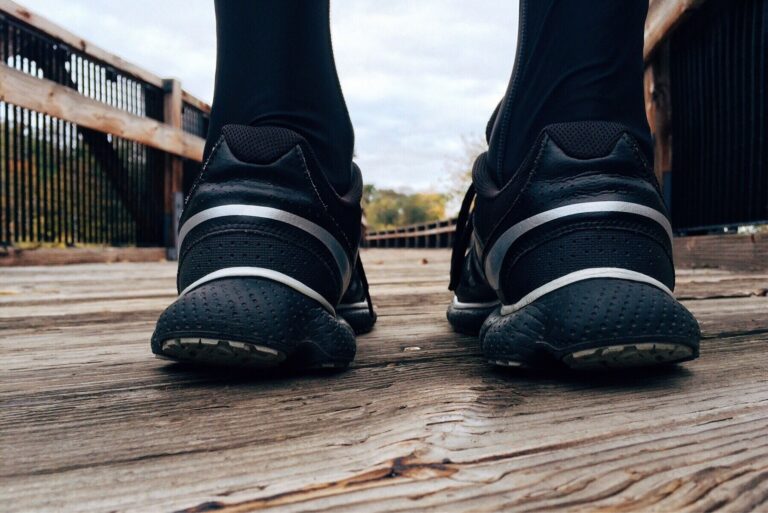
What treadmill runners should look for when choosing long run shoes differs significantly from the criteria used by outdoor runners or those focused on shorter distances. The controlled environment of indoor running creates unique demands on footwear, from the consistent surface characteristics of belt running to the thermal challenges of extended sessions without natural airflow. Understanding these distinctions helps runners avoid common pitfalls like premature fatigue, overheating feet, and the repetitive strain injuries that plague those who treat treadmill running as identical to road running. Long runs on a treadmill present a particular set of challenges that most runners underestimate. The belt surface, while cushioned, provides a more uniform impact pattern than varied outdoor terrain, meaning the same muscle groups and foot structures absorb stress in nearly identical ways stride after stride.
Over the course of 90 minutes or two hours, this repetition amplifies small problems into significant ones. A shoe that feels adequate for a 30-minute session may become uncomfortable or even painful when the duration doubles or triples. Additionally, the enclosed environment means heat buildup becomes a genuine concern, making breathability and moisture management critical rather than optional features. By the end of this article, readers will understand the specific cushioning needs for extended treadmill sessions, how to evaluate shoe breathability for indoor conditions, the importance of drop height and stability features for belt running, and how to properly fit shoes accounting for the foot swelling that occurs during long efforts. The goal is practical knowledge that translates directly to better shoe purchases and more comfortable, productive long runs.
Table of Contents
- Why Do Treadmill Long Runs Require Different Shoe Considerations?
- Cushioning and Midsole Technology for Extended Treadmill Sessions
- Breathability and Upper Materials for Indoor Running Conditions
- How to Choose the Right Drop and Stability Features for Belt Running
- Common Fitting Mistakes When Selecting Treadmill Long Run Shoes
- The Role of Shoe Weight in Treadmill Long Run Performance
- How to Prepare
- How to Apply This
- Expert Tips
- Conclusion
- Frequently Asked Questions
Why Do Treadmill Long Runs Require Different Shoe Considerations?
The biomechanics of treadmill running differ from outdoor running in ways that directly affect shoe requirements. Research from the Journal of Sports Sciences indicates that treadmill belts move beneath the foot rather than the foot pushing off stationary ground, subtly altering muscle activation patterns and ground contact characteristics. The belt’s slight give, typically between 2 and 4 millimeters depending on the treadmill model, means the foot experiences different forces than it would on concrete or asphalt. For short runs, these differences remain negligible. Extend the run beyond an hour, and they accumulate into factors that influence comfort, performance, and injury risk.
Temperature regulation presents another treadmill-specific challenge. Without forward motion generating airflow, feet heat up faster and more intensely during indoor runs. Studies measuring foot temperature during exercise show that treadmill runners experience 15 to 20 percent higher foot temperatures compared to outdoor runners at equivalent intensities. This heat increases foot swelling beyond what occurs outdoors, affects the performance of cushioning materials, and accelerates moisture accumulation. shoes designed primarily for outdoor use may lack the ventilation necessary to manage these conditions over long durations.
- The uniform surface eliminates the varied terrain that naturally distributes impact across different foot structures
- Lack of natural airflow makes breathability a primary rather than secondary concern
- The controlled environment allows for consistent pacing, which paradoxically increases repetitive stress on specific tissues
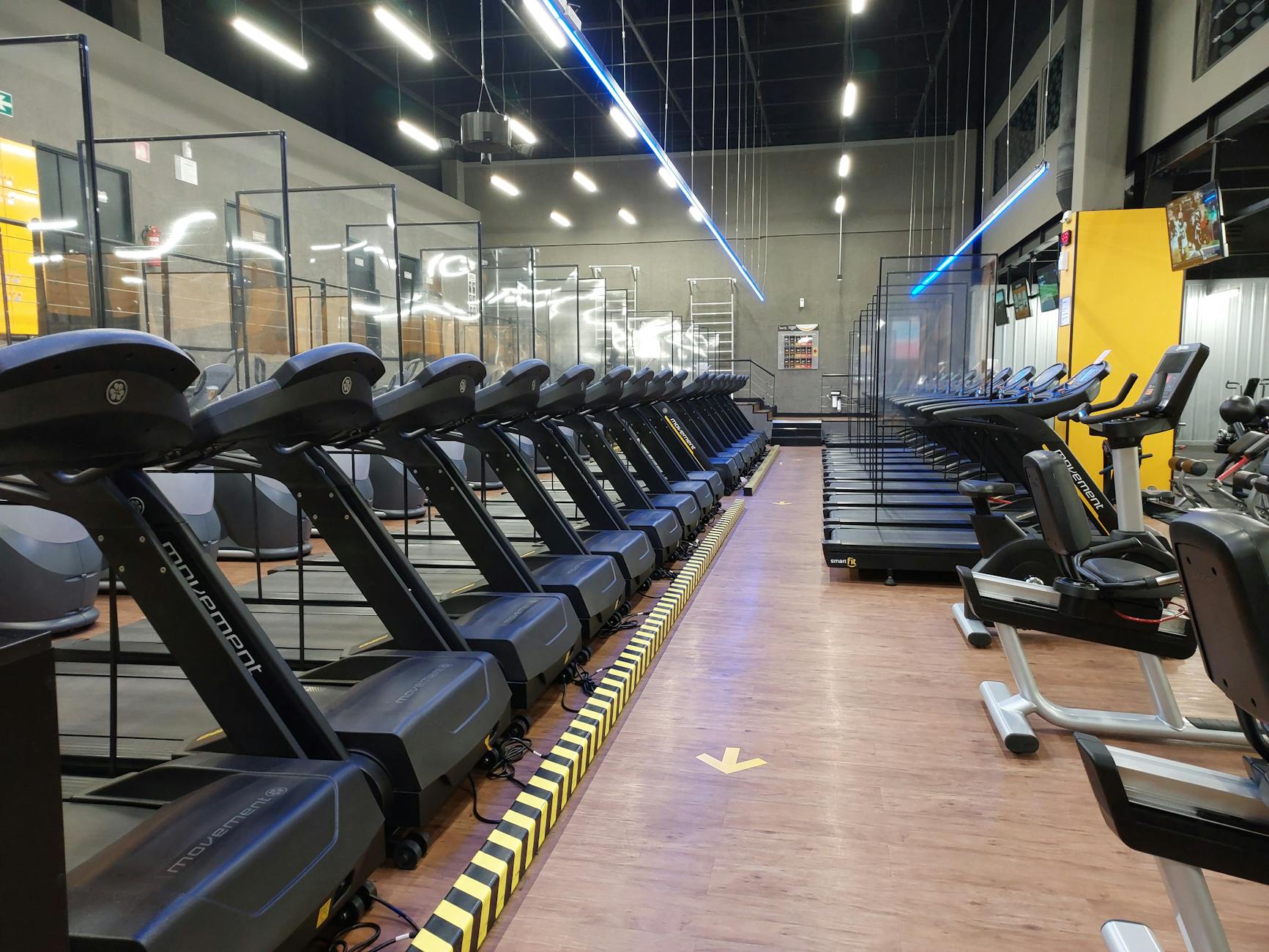
Cushioning and Midsole Technology for Extended Treadmill Sessions
Cushioning requirements for runningcardio.com/long-treadmill-runs-expose-bad-shoes-faster-than-outdoor-running/” title=”Long Treadmill Runs Expose Bad Shoes Faster Than Outdoor Running”>long treadmill runs prioritize durability and consistency over the responsiveness often sought in racing shoes. Midsole foams compress over time, and the repeated identical footstrikes of treadmill running accelerate this compression in localized areas. Premium cushioning compounds like Nike’s ZoomX, Adidas’s Lightstrike Pro, and ASICS’s FF Blast Plus maintain their properties longer under sustained use, making them worth the additional investment for runners logging serious treadmill miles. Budget foams may feel adequate initially but can lose 15 to 25 percent of their cushioning effectiveness within the first hour of use, recovering only after extended rest periods.
Stack height, the total thickness of material between foot and ground, deserves careful consideration for treadmill long runs. Higher stack heights of 30 millimeters or more provide additional cushioning that becomes valuable as runs extend past the one-hour mark. However, the trade-off involves reduced ground feel and potentially decreased stability. For treadmill running specifically, this trade-off tends to favor higher stacks because the predictable surface reduces the need for precise ground feedback. Runners transitioning from lower-profile shoes should increase stack height gradually, allowing proprioceptive systems to adapt.
- EVA foam compounds offer good durability but may feel firm during extended sessions
- TPU-based foams like Boost and React provide consistent cushioning but add weight
- PEBA foams deliver the best combination of light weight, responsiveness, and durability but come at premium prices
- Dual-density midsoles can address both cushioning and stability needs simultaneously
Breathability and Upper Materials for Indoor Running Conditions
The upper construction of a long run treadmill shoe requires more attention to airflow than most runners realize. Engineered mesh uppers with open weave patterns allow heat to escape and fresh air to circulate, preventing the sauna-like conditions that develop inside poorly ventilated shoes. Look for visible mesh zones across the toe box, midfoot, and even portions of the heel counter. Some manufacturers specify cubic centimeters of airflow per second in their technical specifications, with values above 50 cc/s indicating strong breathability.
Material selection extends beyond simple mesh to include moisture-wicking liners and quick-drying components. Synthetic materials generally outperform natural fibers for treadmill use because they absorb less moisture and dry faster during the run itself. Shoes with treated antimicrobial linings help manage the bacterial growth that thrives in warm, moist environments, extending the usable life of the shoe and reducing odor development. The sock liner or insole also plays a role; removable insoles that can be aired out between sessions help maintain freshness.
- Avoid leather or synthetic leather overlays that restrict airflow
- Bootie constructions trap more heat than traditional tongue designs
- Light-colored uppers absorb less radiant heat from overhead lighting

How to Choose the Right Drop and Stability Features for Belt Running
Heel-to-toe drop, the difference in stack height between the heel and forefoot, influences running mechanics in ways amplified by treadmill use. Lower drops of 4 to 6 millimeters encourage midfoot striking patterns, which some research suggests may be beneficial on the compliant treadmill surface. Higher drops of 10 to 12 millimeters support heel striking and may feel more natural for runners accustomed to traditional shoes. Neither option is inherently superior; the right choice depends on individual biomechanics and current injury status. What matters most is consistency.
Switching between dramatically different drops during a training block introduces variables that complicate adaptation. Stability features require nuanced evaluation for treadmill running. The flat, predictable belt surface reduces the need for aggressive motion control found in trail shoes or maximum stability road shoes. However, fatigue during long runs causes form breakdown that stability features can help manage. Medial posts, guide rails, and wider bases all contribute to maintaining alignment as miles accumulate. Runners with mild overpronation who function well in neutral shoes for shorter distances may benefit from light stability features when extending their treadmill sessions beyond 90 minutes.
- Test shoes at the end of a run when feet are tired and form has degraded
- Asymmetrical lacing can fine-tune fit without requiring stability shoe construction
- Rockered soles can reduce ankle joint stress during the consistent motion of belt running
- Consider rotating between shoes with different drop heights to vary stress patterns
Common Fitting Mistakes When Selecting Treadmill Long Run Shoes
Foot volume changes dramatically during extended running, and fitting shoes only in a rested state leads to predictable problems. Research measuring foot dimensions shows that feet can increase in length by 5 to 10 millimeters and in width by 4 to 8 millimeters over the course of a two-hour run. Fitting treadmill long run shoes requires accounting for this expansion, either by shopping later in the day after being on your feet or by deliberately selecting sizes with additional room in the toe box. A thumbnail’s width of space between the longest toe and the end of the shoe represents a minimum rather than a maximum for long run footwear.
Width options remain underutilized despite their importance. Standard widths accommodate roughly 60 to 70 percent of the population adequately, leaving a substantial minority in poorly fitting shoes. Wide and extra-wide options exist from major manufacturers but require active seeking. Narrow options prove equally important for runners whose feet swim in standard widths, leading to instability and blister-causing movement. The toe box specifically deserves attention separate from overall width; some shoes offer adequate forefoot room while remaining snug through the midfoot, an ideal configuration for long run stability with toe comfort.
- Thick running socks alter fit requirements; always fit shoes with intended race-day or training-day socks
- Lacing patterns can expand or contract the effective width of a shoe by several millimeters
- Afternoon fitting sessions better approximate foot size during actual runs
- Both feet should be measured; asymmetry of 5 millimeters or more is common

The Role of Shoe Weight in Treadmill Long Run Performance
Shoe weight accumulates as a factor during extended treadmill sessions in ways that shorter runs obscure. Each ounce of shoe weight requires additional energy expenditure with every stride, and over thousands of strides this adds measurable fatigue. Research published in Medicine and Science in Sports and Exercise calculated that a 100-gram increase in shoe weight correlates with approximately a 1 percent increase in energy cost. For a two-hour treadmill run at moderate pace, this translates to meaningful additional work. Lighter shoes in the 200 to 250 gram range per shoe offer advantages, though this must be balanced against cushioning and durability needs.
The weight-cushioning trade-off has improved dramatically with modern foam technologies. Shoes that would have weighed 350 grams or more a decade ago now achieve similar cushioning levels at 250 to 280 grams. Premium long run shoes from major manufacturers have converged on this weight range as optimal for extended efforts. Below 220 grams, compromises in cushioning durability become difficult to avoid. Above 300 grams, the accumulated energy cost becomes significant for runs exceeding 90 minutes.
How to Prepare
- **Assess your current running mechanics** by recording video of yourself on the treadmill from behind and from the side. Pay attention to foot strike pattern, any visible overpronation or supination, and how your form changes as you fatigue. This self-analysis identifies whether you need neutral or stability shoes and what drop height aligns with your natural stride.
- **Measure your feet accurately** using a Brannock device or printable measurement guide, measuring both feet in the afternoon after walking or light activity. Record length and width for both feet, noting any asymmetry. These measurements establish your baseline size, which you should then adjust upward by half a size to a full size for long run shoes.
- **Inventory your current shoes** and note their specifications including stack height, drop, weight, and midsole material. Assess what works and what causes problems during your longest runs. This information helps identify whether you need incremental changes or a fundamentally different approach.
- **Research current shoe models** from multiple manufacturers that meet your identified criteria. Read reviews specifically from runners who use them for long runs rather than general reviews that often focus on short test sessions. Create a shortlist of three to five candidates.
- **Plan your fitting session** for late afternoon or evening after spending time on your feet. Bring the socks you typically wear for long runs. If possible, schedule the fitting after a short treadmill session to simulate actual running conditions.
How to Apply This
- **Test candidates on a treadmill** if the store offers this option, running for at least 10 to 15 minutes per shoe rather than brief jogs around the store. Pay attention to hot spots, pressure points, and how the cushioning feels as you settle into your natural stride.
- **Implement a break-in period** of three to four shorter runs before attempting your first long run in new shoes. This allows the materials to conform slightly to your foot and reveals any issues before you commit to an extended session.
- **Rotate between two pairs** of long run shoes with slightly different characteristics once you identify effective options. This variation reduces repetitive stress and extends the functional life of both pairs.
- **Track shoe mileage** using a running log or app, retiring treadmill long run shoes after 400 to 500 miles regardless of visual appearance. Cushioning degradation often precedes visible wear.
Expert Tips
- **Replace insoles with aftermarket options** designed for running if the stock insoles feel flat or unsupportive. Quality insoles from brands like Superfeet or Currex can transform an adequate shoe into an excellent one for a fraction of the cost of new footwear.
- **Consider the treadmill surface** when selecting cushioning levels. Softer belt systems like those found in Woodway treadmills require less shoe cushioning than firm commercial gym treadmills, allowing lighter shoe choices without sacrificing comfort.
- **Test toe splay** by standing on the shoe insole outside the shoe. If your foot overhangs the insole edges, the toe box is too narrow regardless of how the shoe feels when stationary.
- **Pay attention to heel lockdown** independent of overall fit. A secure heel counter prevents the micro-movements that cause blisters during long runs without requiring an uncomfortably tight overall fit.
- **Evaluate noise levels** during your test runs. Excessive slapping sounds indicate poor fit or inappropriate cushioning response, while quiet footstrikes suggest efficient force absorption.
Conclusion
Selecting appropriate footwear for long treadmill runs involves understanding the specific demands this training format places on both runner and equipment. The combination of repetitive identical impacts, elevated temperatures, and extended duration creates requirements distinct from outdoor running or shorter indoor sessions. Cushioning durability, breathability, proper fit accounting for swelling, and appropriate stability features all merit careful consideration rather than assumption that any running shoe will suffice.
The effort invested in proper shoe selection pays dividends across every subsequent long run. Comfortable feet enable better focus on the mental and physical work of building aerobic endurance without the distraction of developing hot spots, cramped toes, or fatiguing cushioning. Runners who approach treadmill footwear systematically””assessing their mechanics, measuring accurately, testing thoroughly, and replacing appropriately””consistently report more productive and enjoyable long runs than those who treat shoe selection casually.
Frequently Asked Questions
How long does it typically take to see results?
Results vary depending on individual circumstances, but most people begin to see meaningful progress within 4-8 weeks of consistent effort. Patience and persistence are key factors in achieving lasting outcomes.
Is this approach suitable for beginners?
Yes, this approach works well for beginners when implemented gradually. Starting with the fundamentals and building up over time leads to better long-term results than trying to do everything at once.
What are the most common mistakes to avoid?
The most common mistakes include rushing the process, skipping foundational steps, and failing to track progress. Taking a methodical approach and learning from both successes and setbacks leads to better outcomes.
How can I measure my progress effectively?
Set specific, measurable goals at the outset and track relevant metrics regularly. Keep a journal or log to document your journey, and periodically review your progress against your initial objectives.
When should I seek professional help?
Consider consulting a professional if you encounter persistent challenges, need specialized expertise, or want to accelerate your progress. Professional guidance can provide valuable insights and help you avoid costly mistakes.
What resources do you recommend for further learning?
Look for reputable sources in the field, including industry publications, expert blogs, and educational courses. Joining communities of practitioners can also provide valuable peer support and knowledge sharing.