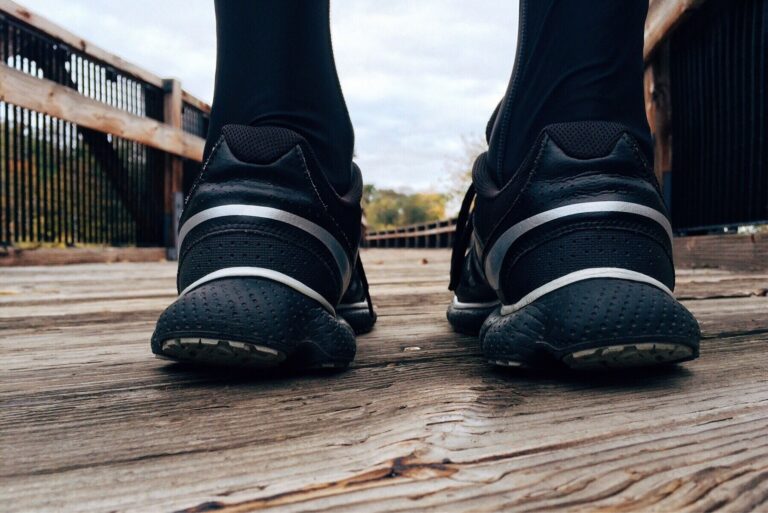
Experiencing numb feet on long treadmill runs is one of the most common yet perplexing complaints among runners, affecting an estimated 30-40% of those who regularly log miles on the belt. This uncomfortable sensation””ranging from mild tingling to complete loss of feeling””can turn an otherwise productive training session into an exercise in frustration. Understanding why your feet go numb on long treadmill runs and how shoes play a role requires examining the unique biomechanical demands of treadmill running, the physiology of nerve compression, and the critical relationship between footwear design and foot health. The treadmill presents a fundamentally different running environment than outdoor surfaces.
The consistent, unyielding surface beneath your feet, combined with the repetitive motion pattern that rarely varies, creates conditions where even minor fit issues or biomechanical inefficiencies become magnified over time. What might feel perfectly comfortable during a 20-minute easy run can become problematic at the 45-minute mark and unbearable by the time you hit an hour. This progressive nature of treadmill-induced foot numbness often leaves runners searching for answers in the wrong places, blaming everything from poor circulation to neurological conditions when the solution frequently lies in their choice of footwear and lacing technique. By the end of this article, you will understand the specific physiological mechanisms that cause foot numbness during treadmill running, recognize how different shoe characteristics contribute to or alleviate the problem, and possess practical strategies for preventing this issue from derailing your training. Whether you are a seasoned marathoner who has recently moved some training indoors or a newer runner building fitness on the treadmill, this information will help you identify the root causes of your discomfort and implement evidence-based solutions.
Table of Contents
- What Causes Your Feet to Go Numb During Long Treadmill Runs?
- How Running Shoes Directly Impact Foot Numbness on the Treadmill
- The Role of Foot Swelling and Blood Flow in Treadmill Running
- How to Choose Running Shoes That Prevent Foot Numbness
- Common Lacing Mistakes That Cause Numbness and How to Fix Them
- When Foot Numbness on the Treadmill Signals a Bigger Problem
- How to Prepare
- How to Apply This
- Expert Tips
- Conclusion
- Frequently Asked Questions
What Causes Your Feet to Go Numb During Long Treadmill Runs?
The primary culprit behind numb feet during treadmill running is nerve compression, specifically affecting the peripheral nerves that supply sensation to your feet. The most commonly affected nerves include the medial and lateral plantar nerves, which branch from the tibial nerve and run along the bottom of your foot, as well as the superficial peroneal nerve that crosses the top of the foot. When these nerves experience sustained pressure””whether from tight shoes, improper lacing, or repetitive impact””they respond by sending progressively weaker signals to your brain, resulting in the tingling and numbness you experience. Treadmill running amplifies nerve compression issues for several interconnected reasons.
First, the perfectly flat, unchanging surface eliminates the natural terrain variations that outdoor running provides. When you run outside, subtle changes in surface angle, texture, and firmness cause your foot to land slightly differently with each stride, distributing pressure across various points. On a treadmill, your foot strikes in nearly identical fashion thousands of times, concentrating pressure on the same nerve pathways repeatedly. This repetitive stress pattern is why runners who never experience numbness outdoors often develop symptoms exclusively on the treadmill.
- **Reduced foot movement variability**: The treadmill belt’s consistent speed and surface eliminate micro-adjustments your foot naturally makes on varied terrain, leading to sustained pressure on specific nerve pathways
- **Heat and swelling accumulation**: Feet swell approximately 4-8% during extended running as blood flow increases and temperatures rise; the enclosed treadmill environment often exacerbates this swelling compared to outdoor running where airflow provides cooling
- **Altered biomechanics**: Research published in the Journal of Sports Sciences indicates that runners tend to adopt a slightly different gait pattern on treadmills, often with increased dorsiflexion (toe lift) that can increase tension on the nerves crossing the top of the foot

How Running Shoes Directly Impact Foot Numbness on the Treadmill
The relationship between running shoes and foot numbness represents one of the most significant yet overlooked factors in treadmill comfort. A shoe that performs adequately for shorter runs or outdoor use may create problems during extended treadmill sessions due to the accumulated effects of minor fit issues. The toe box width, heel counter stiffness, midsole compression characteristics, and upper material all contribute to how much pressure your nerves experience over the course of a long run. Toe box design deserves particular attention when addressing treadmill-related numbness.
Traditional running shoe construction often tapers toward the front, compressing the metatarsal heads””the ball of your foot where five long bones converge before connecting to your toes. This compression affects the intermetatarsal nerves that run between these bones, potentially causing Morton’s neuroma-like symptoms during running. Studies from the American Academy of Podiatric Sports Medicine suggest that shoes with a toe box at least 10-12mm wider than the anatomical width of your forefoot significantly reduce the incidence of treadmill-related numbness. The flat treadmill surface provides no give to accommodate foot spread during the stance phase, making adequate toe box room even more critical than in outdoor running.
- **Midsole compression and nerve pressure**: As foam midsoles compress during a run, your foot sits progressively lower in the shoe, potentially increasing pressure from the upper; this effect is more pronounced on treadmills where consistent surface hardness accelerates midsole fatigue
- **Upper material flexibility**: Rigid synthetic uppers restrict natural foot expansion during running; mesh and knit constructions that allow 3-5mm of stretch accommodate swelling better during long treadmill sessions
- **Heel counter fit**: An overly loose heel counter causes the foot to slide forward with each stride, jamming the toes against the front of the shoe and compressing the digital nerves; this forward migration is exacerbated on treadmills due to the belt’s backward motion
The Role of Foot Swelling and Blood Flow in Treadmill Running
Understanding the vascular component of foot numbness provides essential context for addressing this issue effectively. During running, your cardiovascular system redirects blood flow toward working muscles, and your feet are no exception. The repeated impact of each foot strike stimulates blood vessel dilation in the plantar tissues, while the muscular contractions of your lower leg act as a pump driving blood into the foot. This increased blood volume, combined with the heat generated by continuous movement, causes measurable foot expansion that progresses throughout your run.
Research conducted at the University of Calgary’s Human Performance Laboratory documented average foot volume increases of 8-10% during 60-minute treadmill runs at moderate intensity. This expansion occurs primarily in the forefoot and around the ankle, exactly where nerves are most vulnerable to compression. The treadmill environment compounds this issue because the lack of forward progression means you are not generating the same airflow around your feet that outdoor running provides. Indoor facilities with inadequate ventilation or elevated temperatures accelerate swelling, and the radiant heat from treadmill motors positioned near the running deck can further warm the foot area.
- **Timing of swelling onset**: Most runners experience peak foot swelling between 30-45 minutes into a treadmill run, which often coincides exactly with the onset of numbness symptoms
- **Temperature regulation challenges**: Foot temperatures can increase by 5-8 degrees Celsius during treadmill running, contributing to both swelling and nerve sensitivity; moisture-wicking sock materials help but cannot fully compensate for inadequate shoe ventilation
How to Choose Running Shoes That Prevent Foot Numbness
Selecting appropriate footwear for treadmill running requires attention to specific features that differ somewhat from optimal outdoor running shoe characteristics. The goal is to accommodate the unique conditions of treadmill running””consistent surface, limited ventilation, and prolonged repetitive motion””while maintaining the support and cushioning your feet need. Begin your shoe selection process by getting professionally fitted later in the day when your feet have naturally expanded, ideally after walking or standing for several hours.
Request to have both feet measured, as asymmetry of 5-10mm between feet is common. Select your shoe size based on the larger foot and consider going up a half size from your standard shoe if you regularly run treadmill sessions exceeding 45 minutes. The old guideline of one thumb’s width between your longest toe and the end of the shoe remains valid, though for treadmill-specific use, slightly more room is preferable.
- **Prioritize toe box width over length**: A shoe with adequate length but a narrow toe box will still cause numbness; brands like Altra, Topo Athletic, and New Balance (in wider widths) offer anatomically-shaped toe boxes that allow natural toe splay
- **Evaluate upper construction**: Seek shoes with seamless knit or engineered mesh uppers that stretch with your foot; avoid shoes with rigid overlays across the midfoot or decorative elements that create pressure points
- **Consider stack height and cushioning**: Higher-stack shoes with substantial midsole cushioning provide more impact absorption, reducing the cumulative stress that contributes to swelling; however, ensure the additional foam does not compromise stability
- **Test lacing flexibility**: Shoes with asymmetric or staggered eyelet patterns allow for more lacing adjustments to relieve pressure over sensitive areas
Common Lacing Mistakes That Cause Numbness and How to Fix Them
Even the best-fitting running shoe can cause numbness if laced incorrectly, and this factor accounts for a surprising percentage of treadmill-related foot issues. Standard crisscross lacing, while adequate for many purposes, often creates excessive pressure across the dorsal (top) foot where the superficial peroneal nerve and extensor tendons are vulnerable. The treadmill’s unvarying surface means this pressure is applied identically with every stride, compounding its effects.
The “runner’s loop” or “heel lock” lacing technique addresses the common problem of heel slippage that leads to forward foot migration, but it must be implemented carefully to avoid creating new pressure points. This technique uses the extra eyelet holes at the top of the shoe to create loops that lock the heel in place without requiring the lower laces to be overly tight. However, many runners make the mistake of tightening all the laces uniformly after implementing a heel lock, negating the pressure-relieving benefits. The key is to keep the laces across the midfoot comfortably snug while allowing extra slack over the metatarsal region.
- **Window lacing for metatarsal relief**: Skip one set of eyelets over the area where you experience numbness, creating a “window” that reduces direct pressure; this technique is particularly effective for runners who feel numbness concentrated in the ball of the foot
- **Parallel lacing for overall pressure reduction**: Running laces straight across rather than crisscrossed distributes pressure more evenly and allows for easier adjustment of tension in specific zones
- **Progressive loosening during runs**: Consider stopping briefly at the 20-30 minute mark to slightly loosen your laces before swelling reaches its peak; this proactive approach can prevent numbness rather than requiring you to address it after onset
When Foot Numbness on the Treadmill Signals a Bigger Problem
While the majority of treadmill-related foot numbness cases stem from equipment and technique issues, persistent symptoms warrant professional evaluation. Certain underlying conditions can masquerade as simple compression-related numbness, and the repetitive nature of treadmill running may reveal problems that remain asymptomatic during other activities. Knowing when to seek medical attention helps distinguish between fixable mechanical issues and situations requiring clinical intervention.
Morton’s neuroma, a thickening of tissue around the nerve between the third and fourth metatarsal heads, commonly presents as numbness and burning during running that persists or worsens over time. Tarsal tunnel syndrome, analogous to carpal tunnel in the wrist, involves compression of the tibial nerve as it passes through a channel on the inner ankle. Peripheral neuropathy related to diabetes, vitamin B12 deficiency, or other systemic conditions may first become noticeable during the prolonged activity of treadmill running. If your numbness persists more than 10-15 minutes after finishing your run, occurs during activities other than running, is accompanied by visible swelling or color changes, or does not improve despite addressing shoe fit and lacing, consultation with a sports medicine physician or podiatrist is advisable.
How to Prepare
- **Assess your shoe fit standing, not sitting**: Put on your running shoes with the socks you will wear and stand on a hard surface for several minutes. Check that you can wiggle all toes freely, that no areas feel tight or constricting, and that your heel is secure without your foot sliding forward when you shift weight onto your toes.
- **Choose appropriate moisture-wicking socks**: Select socks made from synthetic blends or merino wool rather than cotton, which retains moisture and promotes swelling. Ensure the sock fits smoothly without bunching, and consider thinner socks if your shoes feel tight or thicker socks with compression features if your shoes have extra room.
- **Pre-loosen your laces strategically**: Before starting your run, loosen your laces slightly more than feels necessary while standing still. They will feel more secure once you begin running, and the extra slack accommodates the swelling that will develop. Pay particular attention to the laces over your midfoot.
- **Check your treadmill environment**: Note the temperature and ventilation in your running area. If possible, position a fan to direct airflow toward the treadmill, and avoid running directly next to heat sources or in enclosed spaces with poor air circulation. Room temperatures above 72°F (22°C) accelerate foot swelling.
- **Plan for mid-run adjustments**: Keep a small towel or your phone nearby as a reminder to check your lace tension at predetermined intervals. Set a mental note or timer to reassess how your feet feel at the 25-minute mark, before numbness typically sets in.
How to Apply This
- **Implement gradual treadmill run extension**: If you currently experience numbness at 40 minutes, do not immediately attempt to solve the problem during hour-long runs. Instead, make shoe and lacing adjustments, then test them on 30-minute runs where you should remain comfortable. Gradually extend duration as your solutions prove effective, adding 5-10 minutes per week.
- **Use the comparison method**: Run the same duration on the same treadmill on consecutive days, changing only one variable””shoes, lacing technique, sock thickness, or fan placement. This isolation allows you to identify which factors most significantly affect your numbness, providing clear direction for permanent solutions.
- **Incorporate periodic standing breaks**: During long treadmill runs, step off the belt every 20-30 minutes for 30-60 seconds of standing or gentle walking on the floor. This brief interruption redistributes pressure, allows blood flow patterns to normalize, and can prevent numbness from developing in the first place.
- **Monitor and record your symptoms**: Keep a simple log noting run duration, shoe worn, lacing technique, environmental conditions, and when (or if) numbness occurred. Patterns often emerge that identify your specific triggers, whether they relate to shoe age, temperature, or time of day.
Expert Tips
- **Rotate between two pairs of running shoes** on different treadmill days. Each shoe’s midsole compresses differently, and alternating ensures you are not subjecting your feet to identical pressure patterns every run. The midsole foam also recovers better with 24-48 hours between uses.
- **Replace running shoes based on treadmill miles, not calendar time**. Treadmill running produces more consistent midsole compression than outdoor running on varied surfaces. Most running shoes lose significant cushioning between 300-500 miles, and the flat treadmill surface provides no natural compensation for this degradation.
- **Try elastic or no-tie laces** designed for triathletes, which automatically adjust tension as your foot swells. These lacing systems maintain consistent security without creating pressure points, and they eliminate the need for mid-run adjustments.
- **Consider orthotics or insoles with metatarsal pads** if you experience numbness specifically in the ball of your foot. These pads sit just behind the metatarsal heads, spreading them slightly apart and relieving pressure on the intermetatarsal nerves.
- **Pay attention to your running form**, particularly if you notice yourself gripping with your toes or running with excessive dorsiflexion. A slight forward lean and midfoot strike pattern often reduces the nerve tension associated with aggressive heel striking.
Conclusion
Foot numbness during long treadmill runs represents a solvable problem for the vast majority of runners, though addressing it effectively requires understanding the interconnected factors of nerve physiology, footwear design, and treadmill-specific conditions. The key takeaways center on recognizing that treadmill running creates unique demands””repetitive identical impacts, limited ventilation, and no surface variation””that amplify minor fit issues into significant discomfort. Your shoes play a central role, and selecting footwear with adequate toe box width, breathable uppers, and appropriate cushioning forms the foundation of any prevention strategy. Equally important are the often-overlooked elements of proper lacing technique, sock selection, and environmental management.
Moving forward, approach your treadmill training with the same attention to equipment optimization that you would apply to outdoor running. Test different lacing patterns, evaluate your shoes honestly for wear and fit, and do not hesitate to make mid-run adjustments when early warning signs appear. If symptoms persist despite implementing these strategies, seek evaluation from a healthcare provider to rule out underlying conditions. Most runners who systematically address the factors outlined in this article find substantial improvement within a few weeks. The treadmill offers valuable training benefits””consistent pacing, controlled conditions, and accessibility regardless of weather””and eliminating foot numbness allows you to fully realize these advantages.
Frequently Asked Questions
How long does it typically take to see results?
Results vary depending on individual circumstances, but most people begin to see meaningful progress within 4-8 weeks of consistent effort. Patience and persistence are key factors in achieving lasting outcomes.
Is this approach suitable for beginners?
Yes, this approach works well for beginners when implemented gradually. Starting with the fundamentals and building up over time leads to better long-term results than trying to do everything at once.
What are the most common mistakes to avoid?
The most common mistakes include rushing the process, skipping foundational steps, and failing to track progress. Taking a methodical approach and learning from both successes and setbacks leads to better outcomes.
How can I measure my progress effectively?
Set specific, measurable goals at the outset and track relevant metrics regularly. Keep a journal or log to document your journey, and periodically review your progress against your initial objectives.
When should I seek professional help?
Consider consulting a professional if you encounter persistent challenges, need specialized expertise, or want to accelerate your progress. Professional guidance can provide valuable insights and help you avoid costly mistakes.
What resources do you recommend for further learning?
Look for reputable sources in the field, including industry publications, expert blogs, and educational courses. Joining communities of practitioners can also provide valuable peer support and knowledge sharing.