Understanding why lightweight shoes can backfire on long indoor runs requires examining the complex relationship between footwear design, running surfaces, and cumulative biomechanical stress. The minimalist running movement popularized the idea that less shoe equals better performance, and while this holds true for certain applications, indoor treadmill running presents unique challenges that many runners fail to consider. The repetitive, unchanging nature of treadmill surfaces combined with extended duration creates conditions where the perceived benefits of ultralight footwear can transform into measurable disadvantages. Indoor running has surged in popularity, with gym memberships and home treadmill ownership reaching historic highs. Runners gravitate toward lightweight shoes for the obvious appeal of reduced energy expenditure and that responsive, fast feeling underfoot.
However, the treadmill belt creates a fundamentally different running environment than outdoor terrain. The surface never changes, the cushioning remains constant, and the biomechanical patterns repeat with machine-like consistency for the entire duration of the run. This repetition amplifies every weakness in a shoe’s protective qualities. By the end of this article, readers will understand the specific mechanisms through which lightweight shoes can cause problems during extended indoor sessions, recognize the warning signs that their current footwear may be inadequate, and learn evidence-based strategies for selecting appropriate shoes for treadmill running. The goal is not to discourage lightweight footwear entirely but to provide the knowledge needed to make informed decisions based on running style, duration, and individual biomechanics.
Table of Contents
- Why Do Lightweight Running Shoes Fail During Long Indoor Runs?
- How Treadmill Surfaces Differ from Outdoor Running and Affect Lightweight Footwear Performance
- The Biomechanics of Indoor Running and Cumulative Stress on Feet
- Selecting the Right Shoes for Long Treadmill Runs and Indoor Training
- Common Problems and Warning Signs That Lightweight Shoes Are Backfiring
- The Role of Running Experience and Training Volume in Shoe Selection
- How to Prepare
- How to Apply This
- Expert Tips
- Conclusion
- Frequently Asked Questions
Why Do Lightweight Running Shoes Fail During Long Indoor Runs?
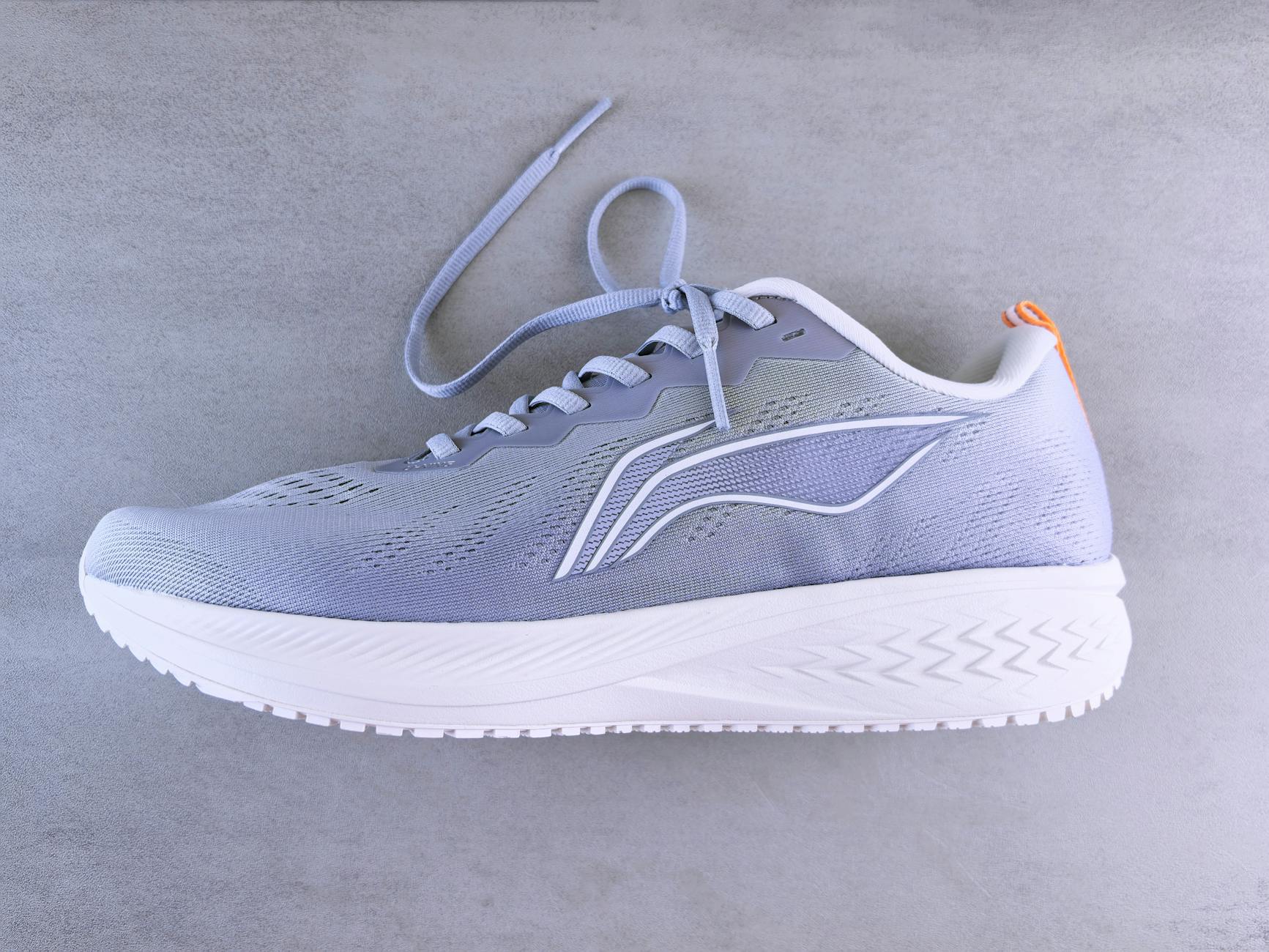
The primary reason lightweight running shoes fail during long indoor runs centers on their reduced midsole material and minimal cushioning systems. Manufacturers achieve weight reduction primarily by removing foam, reducing heel counters, and eliminating treadmill-runs/” title=”Stability vs Comfort What Wins During Long Treadmill Runs”>stability features. A typical lightweight trainer weighs between 6 and 8 ounces, compared to 10 to 12 ounces for a traditional running shoe. That 30 to 40 percent weight reduction comes at the cost of impact absorption capacity, which becomes increasingly relevant as mileage accumulates.
Treadmill belts provide consistent but relatively firm cushioning, typically offering about 15 to 20 percent more shock absorption than concrete. However, this modest improvement cannot compensate for inadequate shoe cushioning over extended periods. Research from the American College of Sports Medicine indicates that ground reaction forces during running reach 2.5 to 3 times body weight with each footstrike. Over a 60-minute treadmill run at moderate pace, a 150-pound runner experiences approximately 5,000 to 6,000 footstrikes, translating to millions of pounds of cumulative force that the shoe and body must absorb.
- Midsole compression occurs faster in lightweight shoes, with studies showing up to 40 percent cushioning degradation during runs exceeding 45 minutes
- The lack of heel counter support allows excessive rearfoot motion, increasing strain on the Achilles tendon and plantar fascia
- Reduced stack height means less material between foot and belt, amplifying vibration transmission through the lower extremity
- Minimal arch support in lightweight designs allows progressive arch collapse during fatigue, altering gait mechanics
How Treadmill Surfaces Differ from Outdoor Running and Affect Lightweight Footwear Performance
The treadmill presents a biomechanically unique running environment that interacts with lightweight footwear in unexpected ways. Unlike outdoor running, where terrain variations naturally alter stride mechanics, the treadmill belt forces identical movement patterns mile after mile. This consistency, often perceived as an advantage, actually concentrates stress on the same anatomical structures repeatedly. Outdoor runners unconsciously adjust their gait for pavement cracks, slight inclines, and surface texture changes. Treadmill runners receive no such variation. The belt’s motorized movement also changes the running dynamic. Rather than pushing off against a stationary surface, the runner must lift their foot before the belt carries it backward.
This subtle difference reduces posterior chain engagement and increases reliance on hip flexors and anterior tibialis muscles. Lightweight shoes, designed to enhance ground feel and natural movement, can exacerbate these altered mechanics by providing insufficient support during the modified footstrike pattern. Temperature represents another overlooked factor in the indoor environment. Gym treadmill areas often reach 72 to 78 degrees Fahrenheit with elevated humidity from multiple exercisers. These conditions cause foot swelling of approximately 4 to 7 percent during extended runs. Lightweight shoes, typically built with less accommodating upper materials and tighter fits for performance, become increasingly constrictive as the foot expands. The result is compression of metatarsal heads, potential nerve impingement, and altered weight distribution during the footstrike phase.
- The belt’s consistent speed eliminates natural pace variations that provide brief recovery moments for stressed tissues
- Indoor air quality and temperature accelerate foot fatigue compared to outdoor conditions
- Lack of visual terrain feedback reduces proprioceptive engagement, making supportive footwear more important for injury prevention
The Biomechanics of Indoor Running and Cumulative Stress on Feet
Understanding the biomechanical realities of treadmill running explains why shoe selection matters more for indoor sessions than many runners realize. Gait analysis studies reveal that treadmill running typically produces slightly shorter stride lengths and higher cadences compared to overground running at equivalent speeds. These modifications, while small individually, compound over long durations. The shortened stride increases footstrike frequency, meaning more impacts per mile, while the increased cadence often correlates with reduced flight time and harder landings. The fixed incline of most treadmill running, even when set at zero percent, does not replicate flat ground biomechanics. A zero percent grade actually simulates a slight downhill due to the lack of air resistance and the belt’s assistance in leg turnover.
Many runners compensate by setting a 1 to 2 percent incline to approximate outdoor effort, but this introduces a consistent uphill component that loads the calf complex and Achilles tendon differently than varied outdoor terrain. Lightweight shoes with minimal heel drop exacerbate this loading pattern by requiring greater ankle dorsiflexion range. Fatigue-related gait changes present perhaps the most significant risk factor during long indoor runs. As muscles tire, runners typically exhibit increased ground contact time, reduced knee flexion at landing, and greater vertical oscillation. These changes dramatically increase impact forces at the very time when the shoe’s cushioning has already degraded from repeated compression. A study published in the Journal of Biomechanics found that ground reaction forces increased by 12 to 15 percent during the final quarter of a 90-minute treadmill run compared to the initial quarter.
- Hip adduction increases during fatigue, placing greater stress on the iliotibial band and lateral knee structures
- Plantar pressure concentrations shift forward toward metatarsal heads as arch support fatigues

Selecting the Right Shoes for Long Treadmill Runs and Indoor Training
Choosing appropriate footwear for extended indoor running requires balancing the benefits of lightweight design against the protective requirements of repetitive stress management. The ideal treadmill shoe for runs exceeding 45 minutes should feature adequate midsole cushioning, typically at least 25 to 30 millimeters of stack height in the heel, combined with materials that resist compression fatigue. Modern foam technologies like Nike ZoomX, Adidas Boost, and Brooks DNA Loft offer excellent energy return while maintaining cushioning properties over extended periods. The concept of rotating between multiple pairs of running shoes gains particular importance for dedicated treadmill runners. Research from the Luxembourg Institute of Health found that runners who rotated among three or more pairs of shoes experienced 39 percent fewer running injuries than single-shoe runners.
This rotation allows midsole materials to fully recover between sessions while exposing the musculoskeletal system to varied support patterns. Including one well-cushioned option specifically for longer indoor runs provides targeted protection for those higher-stress sessions. Fit considerations differ between indoor and outdoor running shoes. The controlled environment eliminates concerns about debris protection, waterproofing, and aggressive outsole traction, allowing runners to prioritize comfort and support features. A slightly roomier toe box accommodates the foot swelling that occurs in warm indoor conditions, while a secure heel counter prevents excessive rearfoot movement during the consistent stride pattern. Many runners find that going up half a size in their dedicated treadmill shoes improves long-run comfort without sacrificing performance.
- Seek shoes with at least 8 millimeters of rubber outsole material to dampen belt vibration
- Consider stability features if you pronate, as treadmill running often exacerbates this tendency
- Prioritize breathable mesh uppers to manage moisture accumulation in climate-controlled environments
Common Problems and Warning Signs That Lightweight Shoes Are Backfiring
Recognizing the early warning signs that lightweight footwear is inadequate for your treadmill running prevents minor discomfort from progressing to genuine injury. The symptoms often develop gradually, making them easy to dismiss or attribute to other factors like training load increases. However, patterns emerge that specifically indicate shoe-related problems requiring footwear reassessment. Metatarsal pain represents one of the most common indicators of insufficient cushioning during treadmill runs. The ball of the foot absorbs tremendous force during the propulsive phase of gait, and lightweight shoes with minimal forefoot padding transmit excessive stress to these small bones.
Runners often notice a burning or aching sensation developing after 30 to 40 minutes that persists into the next day. Morton’s neuroma, an enlargement of nerve tissue between the third and fourth metatarsals, frequently develops in runners wearing lightweight treadmill shoes without adequate forefoot protection. Achilles tendon issues signal another category of lightweight shoe failure during indoor running. The reduced heel-to-toe drop common in minimalist designs requires greater calf muscle and tendon loading with each stride. Combined with the consistent incline often used to simulate outdoor effort and the elevated temperature causing tissue compliance changes, the Achilles complex faces sustained stress without the terrain variation that naturally modulates loading. Early symptoms include morning stiffness, localized tenderness, and a creaking sensation during ankle movement that indicates the warning signs of tendinopathy.
- Numbness or tingling in toes after 20 to 30 minutes suggests nerve compression from inadequate cushioning and foot swelling
- Lower back pain developing specifically during treadmill runs often indicates insufficient shock absorption
- Shin splints occurring primarily during indoor training may signal excessive vibration transmission through the lower leg
- Persistent calf tightness and reduced ankle mobility point to heel drop inadequacy for extended running
The Role of Running Experience and Training Volume in Shoe Selection
A runner’s experience level and weekly training volume significantly influence how their feet respond to lightweight footwear during treadmill sessions. Novice runners and those returning from extended breaks possess less developed connective tissue resilience and neuromuscular control compared to experienced athletes. These adaptations require months to years of progressive loading, and lightweight shoes remove a protective buffer that allows tissues to handle training stress safely during this development period. High-volume runners face a different calculation.
Those logging 50 or more miles weekly accumulate substantial repetitive stress that demands careful management. Even if individual treadmill sessions feel comfortable in lightweight shoes, the cumulative effect across multiple weekly sessions may exceed tissue tolerance. Research indicates that running injury risk increases significantly when weekly mileage increases by more than 10 percent, and inappropriate footwear compounds this risk by reducing the musculoskeletal system’s effective recovery capacity. Experienced runners often benefit from reserving lightweight shoes for shorter speed sessions while using more supportive options for volume-building treadmill runs.
How to Prepare
- Evaluate your current lightweight shoes by examining midsole compression. Press your thumb firmly into the foam and observe recovery time. Healthy midsole material should rebound within one to two seconds. Sluggish recovery indicates material degradation that compromises cushioning performance during extended runs.
- Track your treadmill sessions for two weeks, noting the duration at which discomfort first appears. Common patterns include foot fatigue at 35 to 45 minutes, knee discomfort at 50 to 60 minutes, or lower back tension after longer efforts. This data reveals your individual threshold for lightweight shoe tolerance.
- Assess your running form on video during both fresh and fatigued states. Most smartphones can capture adequate slow-motion footage from a side angle on an adjacent treadmill. Compare footstrike patterns, vertical oscillation, and arm swing between minutes 5 and 45 to identify fatigue-related changes that may indicate insufficient shoe support.
- Calculate your weekly treadmill mileage as a percentage of total running volume. If indoor running exceeds 50 percent of total miles, investing in dedicated treadmill footwear with appropriate cushioning becomes particularly important for injury prevention.
- Schedule a gait analysis at a specialty running store, specifying that you primarily run indoors on a treadmill. Many stores have treadmills for exactly this purpose and can provide recommendations based on your specific movement patterns rather than general shoe categories.
How to Apply This
- Implement a shoe rotation system that includes at least one pair of well-cushioned shoes specifically designated for treadmill runs exceeding 45 minutes. Reserve lightweight options for shorter speed sessions or as part of the rotation for moderate-duration runs.
- Adjust your treadmill incline strategy based on shoe heel drop. When wearing lightweight shoes with lower heel drops, reduce incline by 0.5 to 1 percent to decrease Achilles loading compared to your typical settings with more traditional footwear.
- Incorporate walking intervals during long indoor runs to allow periodic recovery of both midsole materials and lower extremity tissues. Research supports a 30-second walk break every 10 to 15 minutes for maintaining form quality without significantly impacting cardiovascular training stimulus.
- Monitor post-run symptoms systematically using a simple 1-to-10 scale for foot discomfort, leg fatigue, and joint stiffness. Track these metrics alongside shoe choice and run duration to identify patterns that inform future footwear decisions for specific workout types.
Expert Tips
- Replace treadmill-dedicated shoes based on time rather than mileage alone. Indoor shoes experience midsole compression from storage and temperature cycling even when not in use. Consider replacement every 8 to 10 months for regular users regardless of logged miles.
- Use the afternoon or evening for long treadmill runs when possible. Feet are naturally 4 to 8 percent larger later in the day, which better simulates the swollen state they will reach during extended running. This timing helps identify fit problems before they cause injury.
- Position a fan directly facing the treadmill to improve evaporative cooling and reduce foot swelling. Research indicates that targeted airflow can decrease perceived exertion by 5 to 10 percent while simultaneously reducing thermal stress on feet.
- Consider superfeet or aftermarket insoles that provide arch support and heel cushioning independent of the shoe’s built-in features. Quality insoles can transform a marginally adequate lightweight shoe into an acceptable long-run option.
- Break in new treadmill shoes with three to four short sessions of 20 to 30 minutes before attempting runs exceeding 45 minutes. This allows both the shoe materials and your feet to adapt to the specific demands of the pairing.
Conclusion
The relationship between lightweight running shoes and long indoor runs presents a nuanced challenge that rewards informed decision-making over blanket adherence to either minimalist or maximalist footwear philosophies. The treadmill environment amplifies certain stresses while eliminating the terrain variation that naturally protects against repetitive strain injuries. Understanding these dynamics empowers runners to select footwear that optimizes performance without compromising musculoskeletal health over the long term.
Successful indoor running requires honest assessment of individual needs, training goals, and physical responses to various footwear options. The goal is not to abandon lightweight shoes entirely but to deploy them strategically for appropriate applications while maintaining adequate protection for longer efforts. Runners who approach footwear selection with this evidence-based mindset typically find a sustainable balance that supports both performance ambitions and injury-free training consistency.
Frequently Asked Questions
How long does it typically take to see results?
Results vary depending on individual circumstances, but most people begin to see meaningful progress within 4-8 weeks of consistent effort. Patience and persistence are key factors in achieving lasting outcomes.
Is this approach suitable for beginners?
Yes, this approach works well for beginners when implemented gradually. Starting with the fundamentals and building up over time leads to better long-term results than trying to do everything at once.
What are the most common mistakes to avoid?
The most common mistakes include rushing the process, skipping foundational steps, and failing to track progress. Taking a methodical approach and learning from both successes and setbacks leads to better outcomes.
How can I measure my progress effectively?
Set specific, measurable goals at the outset and track relevant metrics regularly. Keep a journal or log to document your journey, and periodically review your progress against your initial objectives.
When should I seek professional help?
Consider consulting a professional if you encounter persistent challenges, need specialized expertise, or want to accelerate your progress. Professional guidance can provide valuable insights and help you avoid costly mistakes.
What resources do you recommend for further learning?
Look for reputable sources in the field, including industry publications, expert blogs, and educational courses. Joining communities of practitioners can also provide valuable peer support and knowledge sharing.