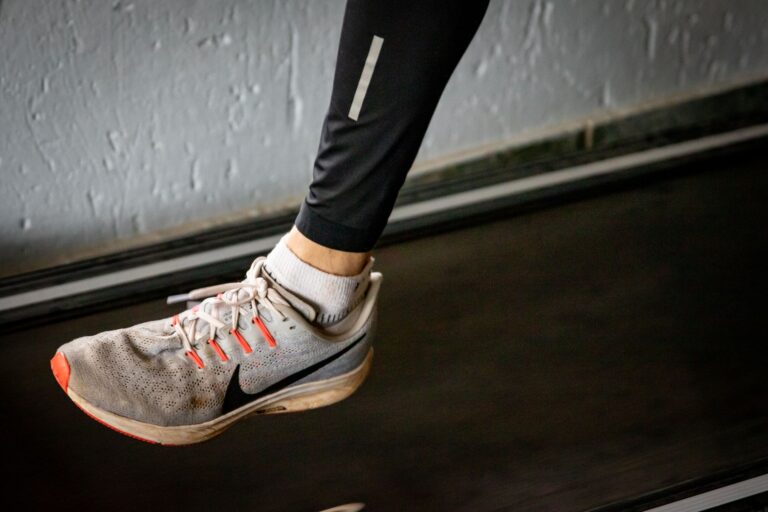
What happens to your running shoes after an hour on a moving belt is a question that matters far more than most runners realize, particularly as treadmill training becomes an increasingly common component of cardiovascular fitness routines. The interaction between your footwear and that continuously rotating surface creates a unique set of mechanical stresses that differ substantially from outdoor running. Understanding these dynamics can help you make smarter decisions about shoe selection, replacement timing, and overall training strategy. The treadmill presents a paradox for runners. On one hand, the cushioned deck and consistent surface seem gentler than concrete or asphalt.
On the other hand, the repetitive motion, heat buildup, and specific mechanical forces create wear patterns that can compromise your shoes in ways that are not immediately visible. Many runners who split their training between indoor and outdoor surfaces notice their shoes feeling different after extended treadmill sessions, yet few understand the underlying causes. By the end of this article, you will understand exactly how a one-hour treadmill session affects the structural integrity of your running shoes, from the midsole foam to the outsole rubber to the upper mesh materials. You will learn how to identify premature wear, why heat generation matters more than you think, and what steps you can take to extend the functional lifespan of your training footwear. Whether you are a dedicated treadmill runner or someone who occasionally moves workouts indoors during inclement weather, this knowledge will help you maintain optimal performance and reduce injury risk.
Table of Contents
- How Does One Hour on a Moving Belt Affect Running Shoe Cushioning?
- Outsole Rubber Degradation on Treadmill Surfaces
- Upper Material Stress and Moisture Accumulation
- How to Monitor Shoe Wear from Moving Belt Training
- Heat Buildup and Its Long-Term Effects on Shoe Lifespan
- Comparing Treadmill Belt Wear to Outdoor Surface Wear
- How to Prepare
- How to Apply This
- Expert Tips
- Conclusion
- Frequently Asked Questions
How Does One Hour on a Moving Belt Affect Running Shoe Cushioning?
The cushioning system in your running treadmill-runs-is-not-what-most-people-expect/” title=”The Best Shoe Feel for Long Treadmill Runs Is Not What Most People Expect”>shoes undergoes significant stress during a single hour of treadmill running. Modern running shoe midsoles are constructed from ethylene-vinyl acetate foam, thermoplastic polyurethane, or proprietary materials like Nike ZoomX or Adidas Boost. These foams work by compressing under load and rebounding to provide energy return. During sixty minutes of continuous running at a moderate pace, each shoe experiences approximately 5,000 to 6,000 compression cycles. This relentless loading and unloading generates internal friction within the foam structure, gradually breaking down the cellular walls that give the material its responsive feel. Heat plays a critical role in accelerating this breakdown.
Unlike outdoor running, where forward motion creates airflow around the shoe, treadmill running generates significant thermal buildup. Studies measuring shoe temperature during treadmill exercise have recorded midsole temperatures reaching 40 to 45 degrees Celsius after extended sessions. At these elevated temperatures, EVA foam becomes more pliable and loses some of its structural integrity. The foam essentially softens under heat stress, meaning those 5,000 compression cycles are occurring in material that cannot resist deformation as effectively as it would at cooler temperatures. The practical consequence is measurable compression set, which is the permanent deformation that remains after stress is removed. After an hour on the treadmill, your midsole foam does not fully recover its original thickness, even after resting overnight. This effect accumulates over multiple sessions, gradually reducing the cushioning protection your shoes provide.
- Compression cycles per hour range from 5,000 to 6,000 depending on cadence
- Midsole temperatures can exceed 40 degrees Celsius during extended treadmill sessions
- EVA foam loses approximately 15 to 20 percent of its shock absorption capacity over the lifespan of a shoe, with treadmill use accelerating this timeline

Outsole Rubber Degradation on Treadmill Surfaces
The outsole of your running shoe interacts with the treadmill belt in ways fundamentally different from road or trail surfaces. Treadmill belts are typically made from PVC or rubber composite materials with textured surfaces designed to provide grip. While this surface is smoother than asphalt, the continuous friction at the contact point creates unique abrasion patterns. The belt moves beneath your foot at whatever speed you have selected, creating a sliding friction component that does not exist when running on stationary ground. Rubber compound temperature dramatically affects wear rates. The coefficient of friction between your outsole rubber and the treadmill belt increases as both materials warm up.
This means the longer you run, the more grip the outsole provides, but also the faster it wears. High-carbon rubber outsoles used in durable training shoes can lose 0.3 to 0.5 millimeters of thickness during a single hour-long session on an aggressive treadmill belt. Over the course of a month with regular treadmill training, this adds up to visible wear patterns, particularly under the forefoot and heel strike zones. The wear distribution on treadmill-trained shoes often appears more even than road-trained shoes because the surface consistency eliminates the varied terrain stresses of outdoor running. However, this evenness can be deceptive. The absence of lateral forces from turns, cambers, and uneven surfaces means the outsole wears in a narrow track pattern, potentially compromising stability features faster than expected.
- Treadmill belts create continuous sliding friction unlike stationary ground contact
- Outsole rubber can lose 0.3 to 0.5 millimeters per hour-long session on aggressive surfaces
- Even wear distribution may mask accelerated degradation of stability components
Upper Material Stress and Moisture Accumulation
The upper portion of your running shoe, constructed from engineered mesh, knit textiles, or synthetic overlays, faces its own challenges during treadmill training. Indoor environments typically lack the ventilation of outdoor running, causing moisture from perspiration to accumulate within the shoe rather than evaporating. During an hour of moderate-intensity treadmill running, the average runner produces between 15 and 25 milliliters of sweat per foot. This moisture saturates the upper materials, weakening adhesive bonds and stretching mesh panels beyond their designed tolerances. Repeated wet-dry cycles accelerate material fatigue. When sweat-soaked shoes sit in a gym bag or locker without proper drying, the moisture penetrates deeper into the foam and textile layers.
The subsequent drying process, especially if accelerated by heat sources like radiators or direct sunlight, causes these materials to expand and contract irregularly. Mesh panels may develop permanent stretch in high-movement zones around the toe box and heel collar. Adhesive bonds between the upper and midsole can begin delaminating, creating that familiar feeling of your shoe sole separating from the rest of the structure. The toe box region experiences particular stress during treadmill running. The consistent flat surface encourages a more uniform foot strike pattern, concentrating flexion stress in the same location repeatedly. After an hour of running, the toe box area has bent thousands of times at exactly the same point, creating crease lines that eventually become permanent structural weaknesses.
- Sweat accumulation ranges from 15 to 25 milliliters per foot during one hour of indoor running
- Wet-dry cycles weaken adhesive bonds between shoe components
- Toe box flexion stress concentrates in identical locations due to surface consistency

How to Monitor Shoe Wear from Moving Belt Training
Tracking the condition of your running shoes requires more than visual inspection of the outsole. The cushioning degradation that occurs during treadmill training happens internally, within the midsole foam structure, where it cannot be seen. Developing a systematic approach to monitoring wear will help you identify when your shoes need replacement before performance suffers or injury risk increases. The press test provides useful baseline information. When your shoes are new, press your thumb firmly into the midsole and note how the foam responds. It should compress slightly and rebound immediately when you release pressure.
After every ten hours of treadmill use, repeat this test in the same location. When the foam takes noticeably longer to rebound, or when you can feel the firmer base layer beneath the cushioning, the midsole has degraded significantly. Most runners notice this change somewhere between 60 and 100 hours of treadmill use, depending on body weight and running intensity. Tracking mileage or time specifically for treadmill training helps predict replacement intervals. Shoes used primarily on treadmills typically need replacement 10 to 20 percent sooner than their rated mileage suggests because of the heat and repetition factors discussed earlier. If a shoe is rated for 400 miles and you run exclusively on treadmills, consider the effective lifespan closer to 320 to 360 miles. Keeping a simple log of your treadmill sessions, including duration and pace, allows you to monitor cumulative stress and plan shoe purchases accordingly.
- The press test can reveal internal foam degradation not visible externally
- Treadmill-specific mileage tracking should account for accelerated wear rates
- Consider replacement at 80 to 90 percent of rated outdoor mileage for primarily treadmill-used shoes
Heat Buildup and Its Long-Term Effects on Shoe Lifespan
Thermal stress represents one of the most underappreciated factors affecting running shoes during treadmill training. The combination of friction heat, body heat transfer, and limited airflow creates an environment that accelerates nearly every form of material degradation. Understanding how heat affects different shoe components helps explain why shoes used primarily on treadmills often feel dead before they look worn. The midsole foam experiences the most dramatic temperature fluctuations. During running, temperatures in the heel area can rise 15 to 20 degrees Celsius above ambient room temperature. Modern foam technologies like Nike React or Saucony PWRRUN are engineered to perform within specific temperature ranges.
When temperatures exceed these ranges, the foam becomes overly soft, reducing energy return and increasing compression set. When shoes are then stored in cool environments, the repeated heating and cooling cycles cause the foam cellular structure to develop micro-fractures, similar to how repeatedly bending a metal wire eventually causes it to break. Adhesive systems used in shoe construction are particularly vulnerable to heat stress. Most running shoes rely on heat-activated polyurethane adhesives to bond the outsole to the midsole and the upper to the lasting board. These adhesives are designed to cure at temperatures around 80 degrees Celsius and maintain flexibility at normal use temperatures. However, repeated exposure to elevated temperatures during treadmill running can soften these bonds, particularly in the forefoot region where flexion heat adds to friction heat. The result is premature delamination, sometimes appearing as just a slight gap at the toe that progressively worsens.
- Midsole temperatures can rise 15 to 20 degrees Celsius above ambient during treadmill running
- Heating and cooling cycles create micro-fractures in foam cellular structure
- Adhesive bonds may soften and delaminate when repeatedly exposed to elevated temperatures
Comparing Treadmill Belt Wear to Outdoor Surface Wear
The differences between treadmill and outdoor shoe wear extend beyond simple degradation rates to fundamental patterns of stress distribution. Outdoor running subjects shoes to varied forces including lateral shifts from uneven terrain, rotational stress from turns, and impact variations from changing surface hardness. Treadmill running eliminates most of this variability, concentrating all stress into a narrow, repetitive pattern that affects shoes differently than diverse outdoor training. Road running creates asymmetrical wear patterns because most roads have a slight camber for drainage, and runners naturally favor one side of sidewalks or paths. These variations, while seemingly minor, distribute wear across more of the shoe structure and engage different stability features during each run. Treadmill running, by contrast, provides perfect consistency.
Your foot lands in essentially the same position relative to your body for thousands of consecutive strikes, creating localized wear rather than distributed stress. This concentrated degradation can compromise cushioning in specific zones while adjacent areas remain nearly new. The cushioning perception also differs between surfaces. Treadmill decks provide additional shock absorption that combines with your shoe cushioning, potentially masking the feel of worn foam. Runners transitioning from treadmills to outdoor surfaces sometimes discover their shoes feel far more degraded than expected because the treadmill deck was compensating for lost midsole resilience. This makes external monitoring methods, like the press test and mileage tracking, more important for treadmill runners than for those who train primarily outdoors.
How to Prepare
- **Allow complete drying between sessions.** Remove shoes from gym bags immediately after workouts and place them in a well-ventilated area away from direct heat sources. Stuffing shoes with newspaper or cedar shoe trees accelerates moisture removal without damaging materials. Allowing 24 to 48 hours between uses gives foam adequate recovery time.
- **Rotate between multiple pairs.** Having two or three pairs of running shoes in rotation allows midsole foam to recover compression set between sessions. Studies on foam recovery suggest that 48 hours of rest restores approximately 95 percent of original cushioning properties, compared to only 60 percent recovery with 24-hour rest periods.
- **Inspect shoes systematically before each session.** Check for visible separation between the upper and midsole, uneven outsole wear that might affect gait, and asymmetrical compression in the heel counter. Catching early signs of degradation allows you to retire shoes before they contribute to injury.
- **Control environmental factors when possible.** If your gym allows temperature adjustment, cooler environments reduce heat stress on shoe materials. Positioning your treadmill near air conditioning vents or fans improves airflow around your shoes during running.
- **Track cumulative treadmill time separately from outdoor mileage.** Maintain a simple log noting date, duration, and average pace for each treadmill session. This data helps predict replacement timing more accurately than general mileage estimates.
How to Apply This
- **Adjust replacement intervals based on training distribution.** If more than 50 percent of your running occurs on treadmills, reduce your expected shoe lifespan by 15 to 20 percent. A shoe rated for 500 miles should be evaluated carefully around 400 miles of mixed use or 350 miles of predominantly treadmill use.
- **Choose shoes with heat-resistant foam technologies for dedicated treadmill use.** TPU-based foams like Adidas Boost and Nike React maintain structural properties at elevated temperatures better than traditional EVA compounds. While more expensive, these materials offer better durability for treadmill-heavy training programs.
- **Implement post-workout shoe care as non-negotiable routine.** Loosen laces completely after each session to release tension on the upper materials. Remove insoles to allow both the shoe and insole to dry independently. Consider antimicrobial sprays to prevent bacterial and fungal growth in the consistently moist environment.
- **Monitor your feet and lower legs for early warning signs.** Increased shin soreness, altered foot strike patterns, or new hot spots during treadmill sessions often indicate cushioning degradation before visible wear appears. Your body provides feedback about shoe condition that complements visual inspection.
Expert Tips
- **Match your treadmill shoe to the deck surface.** Newer treadmills with thick, cushioned decks pair well with lighter, less cushioned shoes because the machine provides shock absorption. Older treadmills with thin, firm belts demand shoes with robust midsole cushioning to compensate.
- **Avoid training in shoes immediately after purchasing.** Allow new shoes to rest for 24 hours after removal from packaging. The foam in newly manufactured shoes is often still off-gassing and stabilizing, and this brief rest period allows materials to reach equilibrium before being subjected to stress.
- **Consider dedicated treadmill shoes separate from outdoor trainers.** The different wear patterns mean shoes that feel worn on the treadmill may still have life for outdoor use, and vice versa. Maintaining separate pairs for each training environment can extend total useful lifespan.
- **Watch for outsole glazing, not just wear.** Treadmill belts can polish rubber outsoles to a smooth, shiny finish even without visible thickness reduction. This glazing reduces grip during outdoor use and can indicate excessive heat exposure.
- **Store shoes at moderate temperatures.** Leaving shoes in hot cars, near heating vents, or in direct sunlight accelerates foam degradation even when the shoes are not being worn. Room temperature storage in low humidity conditions preserves material properties between sessions.
Conclusion
The hour you spend running on a treadmill subjects your shoes to a specific combination of mechanical, thermal, and chemical stresses that differ meaningfully from outdoor training. Compression cycles, heat buildup, moisture accumulation, and concentrated wear patterns all contribute to accelerated degradation of cushioning, outsole rubber, and upper materials. Understanding these processes allows you to make informed decisions about shoe selection, maintenance, and replacement timing that protect both your investment and your body.
The practical implications extend beyond simple equipment management. Running in degraded shoes increases injury risk through reduced shock absorption and compromised stability. By monitoring your treadmill-specific training volume, implementing proper post-workout care routines, and recognizing the signs of internal wear that visual inspection cannot reveal, you can maintain the protective benefits your shoes are designed to provide. Whether you train exclusively indoors or use the treadmill as a supplement to outdoor running, treating your shoes as precision equipment rather than passive accessories will support your cardiovascular fitness goals for the long term.
Frequently Asked Questions
How long does it typically take to see results?
Results vary depending on individual circumstances, but most people begin to see meaningful progress within 4-8 weeks of consistent effort. Patience and persistence are key factors in achieving lasting outcomes.
Is this approach suitable for beginners?
Yes, this approach works well for beginners when implemented gradually. Starting with the fundamentals and building up over time leads to better long-term results than trying to do everything at once.
What are the most common mistakes to avoid?
The most common mistakes include rushing the process, skipping foundational steps, and failing to track progress. Taking a methodical approach and learning from both successes and setbacks leads to better outcomes.
How can I measure my progress effectively?
Set specific, measurable goals at the outset and track relevant metrics regularly. Keep a journal or log to document your journey, and periodically review your progress against your initial objectives.
When should I seek professional help?
Consider consulting a professional if you encounter persistent challenges, need specialized expertise, or want to accelerate your progress. Professional guidance can provide valuable insights and help you avoid costly mistakes.
What resources do you recommend for further learning?
Look for reputable sources in the field, including industry publications, expert blogs, and educational courses. Joining communities of practitioners can also provide valuable peer support and knowledge sharing.