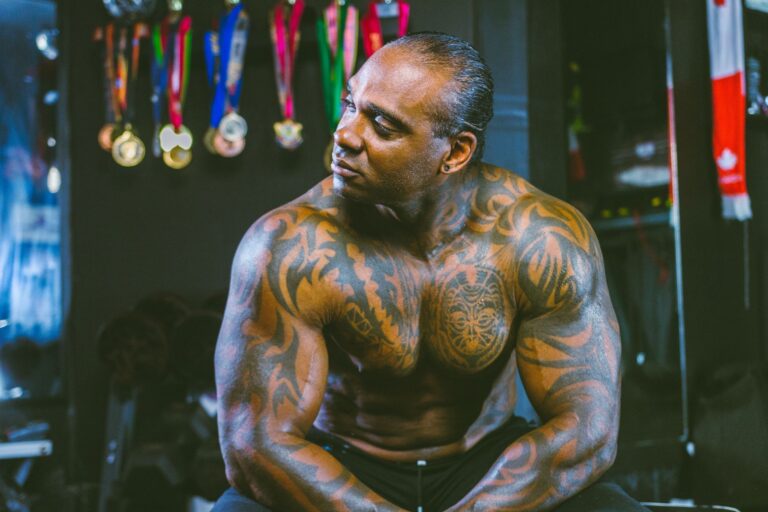
Adults over 60 should chase capacity rather than comfort because capacity—your ability to move, lift, balance, and exert yourself—is what keeps you independent, healthy, and alive. Comfort might feel good in the moment, but it’s a slow trap. When you stop challenging your muscles and cardiovascular system, they atrophy. You lose the strength needed to rise from a chair without assistance, the endurance to walk without pain, and the bone density to withstand a fall. A 72-year-old who spent the last decade prioritizing comfort might find herself unable to pick up her grandchild, climb stairs without gripping the railing, or even walk to the mailbox without fatigue. That’s not aging. That’s choosing decline.
Capacity is different. It’s the result of consistent challenge—strength training, cardiovascular work, and purposeful movement that stress your body in controlled ways. Building capacity after 60 doesn’t mean becoming an athlete. It means maintaining and expanding what your body can do. The research is overwhelming: adults who build and maintain muscle strength, bone density, and cardiovascular fitness live longer, stay independent longer, and enjoy better quality of life across nearly every measure. The question isn’t whether you can afford to build capacity at 60, 70, or 80. The question is whether you can afford not to.
Table of Contents
- Why Capacity Matters More Than Comfort After 60
- The Hidden Health Benefits Beyond Strength
- The Functional Improvements That Change Daily Life
- Capacity Versus Comfort: The Long-Term Tradeoff
- Overcoming the Obstacles That Stop Most People
- Age Is Not the Limit on Reversing Decline
- The Shift Toward Pro-Longevity Fitness
- Conclusion
Why Capacity Matters More Than Comfort After 60
The decline most people accept as inevitable aging is actually preventable muscle loss and deconditioning. Starting around age 30, adults begin losing muscle mass at roughly 3 to 8 percent per decade—a process called sarcopenia. This accelerates after 60, and it becomes dramatically worse in sedentary people. By 75, inactive adults have often lost enough muscle that ordinary tasks become difficult or impossible. But here’s the critical part: this isn’t written in stone. Research from the National Institute on Aging shows that resistance training can slow and even reverse changes in muscle fibers associated with aging, even in people who didn’t start until after age 70. That means someone at 72 who takes up strength training is not fighting an impossible battle. They’re actually reversing some of the damage from years of comfort.
The practical stakes are real. Only 13.9% of adults age 65 and older currently meet federal guidelines for both aerobic activity and muscle-strengthening exercise. That means roughly 86% are losing capacity every single year. They’re not maintaining their current level of strength—they’re declining from it. And the gap gets wider over time. A person who is strong and fit at 65 can maintain independence well into their 80s or beyond. A person who is weak at 65 faces increasing dependence with each passing year. The choice to chase capacity is fundamentally a choice about what your life will look like in ten or twenty years.

The Hidden Health Benefits Beyond Strength
When people think about strength training for older adults, they often picture someone lifting weights in a gym. But the health benefits extend far beyond visible muscle. Resistance training done regularly—just 2 to 3 days per week—builds bone density and directly reduces osteoporosis risk. For women especially, this is critical. Bone loss accelerates after menopause, and a fall that breaks a hip at 75 can trigger a cascade of complications that ends independence. But someone who has been doing resistance training has denser bones, better balance, and faster reflexes—they’re far less likely to fall in the first place, and far more likely to survive one if it happens. The cardiovascular benefits are equally profound.
Research with people age 60 and older showed that consistent resistance training led to an average drop of 7 millimeters of mercury in systolic blood pressure and 4 millimeters in diastolic blood pressure. That’s not trivial. For people on blood pressure medication, that kind of improvement might mean reducing or eliminating drugs. But there’s a catch: many older adults skip strength training because they think it’s running-bad-for-your-knees/” title=”Is Running Bad for Your Knees”>bad for their heart or blood pressure. The opposite is true. The real risk is sedentary life. Stronger muscles help reduce insulin resistance and type 2 diabetes risk, and resistance training slows cognitive function loss in adults with mild cognitive impairment—a known precursor to dementia. building capacity protects your brain, not just your body.
The Functional Improvements That Change Daily Life
The benefits of capacity building translate directly into actions you can perform. Resistance training at least twice weekly enhances walking speed and physical function in older adults, and improvements in grip strength and knee extension—the result of just 8 to 12 weeks of three-times-weekly training—seem minor until you realize they’re the exact functions critical for daily living. Your grip strength determines whether you can open a jar, carry groceries, or help someone else up from the ground. Your leg strength determines whether you can walk at a normal pace, navigate stairs, or play with grandchildren without pain or fear of falling. A concrete example: a 68-year-old woman who started strength training after years of being sedentary reported that within three months, she could carry two bags of groceries in one trip instead of three. She could walk upstairs without holding the railing. She could play with her grandchildren on the floor and stand back up without using her hands.
None of these things require Olympic-level fitness. They require building capacity to a level above the demands of daily life. That’s the real payoff—not looking good at the beach, but living the life you actually want to live. The limitation, though, is that these gains require consistency. They’re not a one-time achievement. Stop training and you lose the gains. That means capacity building isn’t a destination; it’s a practice.

Capacity Versus Comfort: The Long-Term Tradeoff
The appeal of comfort is obvious. It’s easy. It feels good. You don’t have to exert yourself. But comfort compounds negatively. Each year of inactivity makes the next year harder. A person who spends a decade in comfort—getting by, not pushing, avoiding discomfort—gradually loses the capacity to do things they once did easily. By 70, they’ve crossed a threshold. Now the comfort they’ve been chasing requires assistance.
They need someone to help with yard work, cleaning, or errands. They can’t travel alone. They need to move to a facility designed for people with limited mobility. That’s the true cost of comfort. Capacity, by contrast, costs effort in the short term but buys independence and quality of life in the long term. A 65-year-old who spends 45 minutes, three times a week, doing strength training and cardiovascular work is investing roughly 2.25 hours per week. That’s a real investment. But the return is likely another fifteen or twenty years of independence, travel, activity, and autonomy. A person who is strong and capable at 80 is living a fundamentally different life than a person who is weak and dependent at 75. The tradeoff is clear: small regular effort now, or large increasing dependence later.
Overcoming the Obstacles That Stop Most People
The biggest obstacle isn’t age—it’s the belief that capacity building is only for young, fit people, or that starting after 60 is pointless. This is false, but it’s powerfully convincing. Many older adults have spent years being inactive and feel intimidated by fitness. Others worry that exercise is dangerous for their hearts or joints. Some have chronic pain or health conditions that make them cautious. These concerns are worth taking seriously, but they’re rarely reasons to do nothing. A crucial warning: if you have a chronic health condition, have been sedentary for years, or have any health concerns, you should consult a doctor before starting a new exercise program.
But the conversation should be specific: “I want to start strength training. What should I know?” not “Is exercise safe?” For most people, the risks of inactivity far outweigh the risks of controlled exercise. Physical therapists and trainers who work with older adults are experienced in modifying exercises for pain, mobility limitations, and health conditions. The limitation is that finding the right guidance takes time. You can’t just follow a generic YouTube video. You likely need a qualified professional, at least for the first few months. That investment of time and possibly money is worth it.

Age Is Not the Limit on Reversing Decline
One of the most powerful findings in aging research is that muscle fiber changes associated with aging can be reversed with resistance training—even in people who didn’t start until after age 70. This isn’t theoretical. It’s documented in studies. A person at 75 who begins strength training will see measurable improvements in muscle size, strength, and function within weeks. Within months, they can see dramatic changes. This demolishes the idea that aging is a one-way street after a certain point. It’s not.
Your body at 75 is still capable of adaptation and improvement. It just requires consistent stimulus. A concrete example: a 78-year-old man who had been sedentary for twenty years started doing twice-weekly resistance training with a trainer. Within four months, his walking speed increased, his balance improved, and he could stand from a chair without using his hands—something he hadn’t been able to do for years. He’d reversed a significant portion of the decline that had accumulated. He wasn’t starting from scratch and he wasn’t going back to youth. But he was going backward from decline, which is the realistic and achievable goal.
The Shift Toward Pro-Longevity Fitness
The fitness and health industry is undergoing a fundamental shift in how it thinks about aging. The old model was “anti-aging”—fighting to look younger, stay young, deny aging. The new model emerging in 2026 is “pro-longevity”—staying athletic, strong, and intentionally capable as you age. This isn’t marketing language. It reflects a real change in what research shows works and what people actually want. Adults over 60 don’t want to look like they’re 30. They want to be strong, active, and independent at 70, 80, or 90.
The industry is responding. “Fitness Programs for Older Adults” ranks among the top five fitness trends for 2026, with emphasis on functional strength training, fall prevention, and maintaining independence. This shift matters because it changes what’s available and what’s normal. Ten years ago, a strength training program designed specifically for adults over 60 was unusual. Now it’s mainstream. That means better programs, more qualified trainers, and less stigma around older adults in gyms. It also means the research on what works is becoming more accessible. A person starting a capacity-building program now has better information and more resources than someone who started five years ago.
Conclusion
The choice to chase capacity instead of comfort is ultimately a choice about what kind of life you want to live as you age. Comfort is a temporary feeling. Capacity is a capability that determines your actual quality of life—whether you can be independent, travel, play, work, and engage with people and activities you care about. Building capacity after 60 requires consistent effort, some discomfort in the moment, and usually some professional guidance. But the research is unambiguous: it works. Adults who maintain and build muscle strength, bone density, and cardiovascular fitness live longer and live better. Start now.
If you’re 60 and haven’t done significant strength training, two or three sessions per week of resistance exercises plus some cardiovascular activity is the baseline. If you’re 75 or 85, the same applies—it’s never too late to begin reversing decline. The specific program matters less than the consistency and the commitment to challenging your body in controlled ways. Talk to a doctor if you have health concerns. Find a trainer or physical therapist if you need guidance. But stop waiting for permission or the perfect moment. The time to build capacity is now.