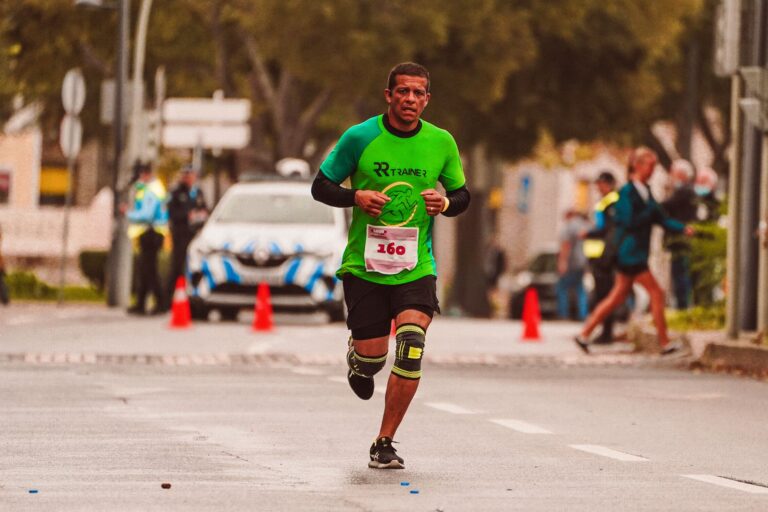
If you’ve been tracking your daily steps, celebrating when you hit 10,000, you might think you’ve checked the cardiovascular box. The reality is more nuanced: while 8,000 to 10,000 daily steps are beneficial as low-intensity activity, they don’t provide the same heart-strengthening effects as structured moderate to vigorous cardio training. A 65-year-old who walks 12,000 steps daily at a leisurely pace and a 65-year-old who does three 30-minute sessions of brisk cardio training each week will have very different cardiovascular health outcomes, even if both are moving regularly. The distinction matters because your heart, unlike your step counter, responds to intensity—not just volume.
Heart training and daily steps address different fitness needs, and neither should crowd out the other entirely. But after 60, your cardiovascular system becomes the foundation for longevity in ways that casual movement alone cannot support. The research is clear: structured cardio training at moderate to vigorous intensity produces measurable changes in heart function, blood pressure, aerobic capacity, and overall survival risk. A meta-analysis of 41 clinical trials involving 2,102 adults aged 60 and older found that aerobic training produced a 16.3% mean increase in peak VO2 (aerobic capacity), with some previously sedentary adults in their 70s, 80s, and even 90s seeing improvements as high as 25%. That’s not a marginal gain—it’s a fundamental upgrade to how much oxygen your body can process and use.
Table of Contents
- What Your Heart Needs That Your Step Counter Cannot Measure
- The Science of Cardiovascular Gains in Your 60s and Beyond
- How Heart Training Extends Beyond the Cardiovascular System
- How to Structure Heart Training in Your 60s and Beyond
- Heart Rate Zones and the Common Mistake of Training Too Gently
- The Additional Health Benefits That Accrue Over Time
- Building a Heart Training Practice That Lasts
- Conclusion
What Your Heart Needs That Your Step Counter Cannot Measure
Steps count movement, but they don’t measure intensity. You can walk 10,000 steps at a pace of 2 miles per hour and barely elevate your heart rate above resting levels. Your heart is a muscle, and like any muscle, it strengthens in response to progressive stress. When you walk at a leisurely pace, your heart rate may hover around 90–100 beats per minute. During moderate-intensity cardio training—brisk walking, cycling, swimming, or elliptical work—your target heart rate sits between 50–70% of your maximum heart rate. For a 65-year-old, Intensity Minutes Can Slow Down”>that translates to roughly 98–137 beats per minute, depending on fitness level.
At this intensity, you can talk but not sing; your breathing is elevated but controlled. This is where adaptation happens. The distinction between low-intensity activity and moderate-to-vigorous training becomes sharper when you look at cardiovascular adaptation. A 2025 systematic review in the International Journal of General Medicine found that adults over 60 who participated in aerobic exercise experienced measurable reductions in blood pressure and resting heart rate. Those improvements aren’t cosmetic—lower resting heart rate and blood pressure signal a heart that has become more efficient at pumping blood, reducing the workload on your entire cardiovascular system over a lifetime. You won’t see those changes from leisurely daily steps alone, no matter how many you accumulate.

The Science of Cardiovascular Gains in Your 60s and Beyond
One of the most common myths about aging is that cardiovascular capacity inevitably declines and cannot be recovered. Research demolishes that belief. The same meta-analysis found that previously sedentary adults through the ninth decade (80+ years old) still achieved 10–25% improvements in peak VO2 when they took up aerobic training. That means a sedentary person who didn’t start exercising until age 75 can still meaningfully improve their heart’s ability to process oxygen. The improvement compounds with consistency: even modest cardio training, performed regularly, produces measurable physiological change. Beyond VO2, resistance training—including strength work like weight-bearing exercises—also lowers blood pressure and supports heart health, according to a 2025 study in Archives of Gerontology and Geriatrics. This matters because many adults over 60 assume that cardio is the only “heart training.” In reality, maintaining muscle mass and bone density through resistance work supports metabolic health, reduces fall risk, and indirectly protects cardiac function.
A person who does only resistance training without aerobic work misses key cardiovascular adaptations; one who does only cardio without strength training loses the muscular support that prevents injury and disability later. The two complement each other, and the research increasingly suggests a hybrid approach yields the best outcomes. The limitation worth acknowledging is that improvements plateau and require maintenance. You cannot do three months of intense cardio training, then stop exercising and expect to retain the gains. Cardiovascular fitness, like any other adaptation, reverses if stimulus is removed. Studies show that sedentary periods as brief as two weeks can begin to erode aerobic capacity. This is why consistency matters more than occasional heroic efforts.
How Heart Training Extends Beyond the Cardiovascular System
One reason to prioritize heart training over steps alone is that cardiovascular fitness protects against cognitive decline. Regular cardio reduces the risk of dementia and Alzheimer’s disease by improving blood flow to the brain, reducing inflammation, and supporting the growth of new neural connections. A person who trains their heart isn’t just protecting themselves against heart disease; they’re investing in brain health, memory retention, and mental clarity in later years. That 70-year-old doing three sessions of moderate-intensity cycling per week is reducing their dementia risk in parallel with improving their VO2 max.
Heart training also maintains the muscle and bone strength needed to prevent falls, a leading cause of injury and disability in older adults. When you exercise at moderate to vigorous intensity, you activate fast-twitch muscle fibers and place stress on bones, signaling your body to maintain or build both. Daily steps, particularly if they’re slow and unvaried, don’t provide that stimulus. The person accumulating 12,000 steps of slow walking may still experience muscle atrophy and bone loss over time if those steps aren’t complemented by intensity and resistance. The research on fall prevention consistently shows that programs combining aerobic and resistance training reduce fall risk far more effectively than low-intensity walking alone.

How to Structure Heart Training in Your 60s and Beyond
Official guidelines from the CDC and American Heart Association recommend that adults over 60 engage in at least 150 minutes of moderate-intensity aerobic activity weekly—or 75 minutes of vigorous-intensity activity. For people aged 60–80, an 80–20 split is often suggested: 80% of your exercise time devoted to moderate aerobic activity, 20% to resistance and balance work. This isn’t an arbitrary split; it reflects the balance needed to strengthen your heart while maintaining the muscle and stability required for daily function and fall prevention. A practical example: a 68-year-old might structure their week as follows. Three sessions of 30–40 minutes of moderate-intensity activity (brisk walking, cycling, swimming, elliptical) totaling roughly 100 minutes, plus one or two shorter resistance sessions (20–30 minutes each) of bodyweight or light weight training.
That adds up to roughly 150 minutes of aerobic activity and 40–60 minutes of resistance work, meeting the guidelines and staying within a time commitment that’s sustainable for most people. The intensity matters as much as the duration: the brisk walk, not the stroll. The perceived exertion should feel moderate to somewhat hard—a 6 or 7 out of 10 on a scale of effort. One tradeoff to acknowledge is that structured heart training requires more consistency and planning than casual steps. You can rack up 10,000 steps while running errands and doing chores; you need to deliberately schedule and show up for heart training sessions. For many people, that shift—from incidental movement to intentional training—is the hardest part.
Heart Rate Zones and the Common Mistake of Training Too Gently
Many older adults who do exercise choose an intensity that feels comfortable but doesn’t produce cardiovascular adaptation. Walking at a pace of 3 miles per hour might elevate your heart rate to 110 beats per minute, but if your moderate-intensity target is 120–140, you’re staying below the threshold where your heart responds. A useful framework is the talk test: during moderate-intensity exercise, you should be able to speak but not sing. If you can carry on a full conversation without any breathlessness, you’re likely below moderate intensity. If you cannot speak more than a few words, you’re approaching vigorous intensity (70–85% of max heart rate). The risk of training too gently is that you accumulate exercise time without accumulating the physiological benefits.
A person who walks 60 minutes per week at an easy pace might see little change in their blood pressure or VO2 max over six months. The same person doing 150 minutes of moderate-intensity cardio over the same period would likely see measurable improvement in both. Intensity drives adaptation; volume alone does not. This is worth emphasizing because it explains why some people exercise regularly but don’t feel stronger or experience the expected health improvements—they’re not training at a sufficient intensity. One limitation to be aware of: individual capacity varies widely. A 62-year-old who’s been sedentary may find that moderate intensity (50–70% of max heart rate) is challenging at first, while a 78-year-old who’s been active may find it relatively easy. The starting point doesn’t matter; what matters is that you’re training within your appropriate zone and gradually building tolerance as fitness improves.

The Additional Health Benefits That Accrue Over Time
Beyond cardiovascular fitness itself, heart training supports metabolic health, weight management, and long-term independence. Adults who maintain consistent cardio training tend to have better blood sugar regulation, lower inflammation markers, and a lower risk of type 2 diabetes.
These benefits compound: a person who sustains heart training from age 60 to age 75 is reducing their risk of not just heart disease but also dementia, diabetes, and mobility loss simultaneously. The practical advantage compounds across lifespan. A 62-year-old who invests 150 minutes per week in heart training for the next 15 years will likely reach their mid-70s with a fundamentally different level of physical capacity and health resilience than someone who relied on daily steps alone.
Building a Heart Training Practice That Lasts
The sustainability question is worth addressing directly: most people can accumulate daily steps without thinking much about it, but structured heart training requires planning, motivation, and often some discomfort. The people who sustain it often find activities they genuinely enjoy—cycling groups, swimming classes, hiking trails, dance fitness—rather than grinding through treadmill time. A 71-year-old who loves swimming will do consistent heart training; one who hates it may quit after three months.
Looking forward, the evidence suggests that heart training becomes even more important as we move into our 70s and beyond, not less. Counterintuitively, older age is when cardiovascular fitness most strongly predicts independence, cognitive health, and survival. The investment made at 60 or 65 pays enormous dividends a decade later.
Conclusion
Steps are valuable as part of a complete fitness picture, but they are not a substitute for structured heart training. Your steps can accumulate while your aerobic capacity stagnates, your blood pressure remains elevated, and your heart fails to adapt to progressive stress.
After 60, the distinction matters for your lifespan and healthspan—the years you have remaining and the quality of life within those years. The path forward is straightforward: aim for 150 minutes of moderate-intensity aerobic activity weekly, combine it with resistance training, test your intensity with the talk test, and choose activities you’ll actually sustain. Your step counter will still work fine; your heart will work better.