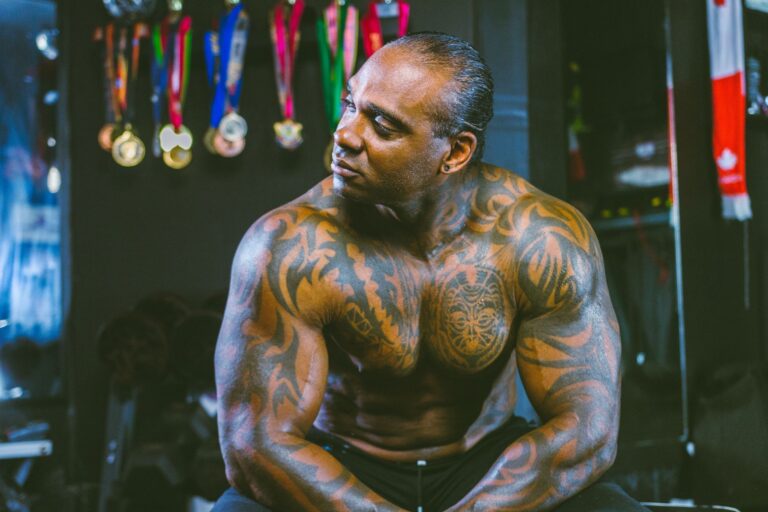
Adults over 60 need more than casual movement because the human body loses roughly 3 to 5 percent of muscle mass per decade after age 30, and this rate accelerates significantly after 60. A leisurely walk or light gardening—while better than sedentary time—doesn’t provide the stimulus needed to maintain muscle, bone density, and metabolic health at a level that keeps older adults independent and mobile. Without intentional, progressive physical activity, most people in their 60s, 70s, and beyond begin a slow spiral toward frailty, where simple tasks like rising from a chair, climbing stairs, or carrying groceries become difficult or impossible. Consider a 65-year-old who walks casually three times a week but has never done any strength training. Over the next five years, he’ll lose approximately 7 to 10 percent of his remaining muscle mass. His bones will become slightly more porous.
His cardiovascular system will adapt downward, reducing his aerobic capacity. His joints will stiffen from underuse. When he tries to help a grandchild move to a new apartment or takes a trip requiring a long day of walking, his body feels unfamiliar to him—weaker, more prone to injury, and less able to handle unexpected physical demands. This isn’t just about fitness numbers; it’s about retaining the physical literacy that allows people to live without chronic pain or the fear of falling. The shift from casual to intentional movement—one that includes both cardiovascular work and progressive resistance—is not optional for people in this age group. It’s the difference between a third act of independence and one marked by increasing limitations.
Table of Contents
- Why Does Muscle Loss Accelerate After 60?
- The Hidden Cost of Metabolic Decline
- Cardiovascular and Bone Health Require Progressive Demands
- How to Transition from Casual to Intentional Movement
- Overuse Injuries and Recovery in Older Adults
- Sleep, Recovery, and Adaptation
- Finding Motivation and Adapting Over Time
- Conclusion
Why Does Muscle Loss Accelerate After 60?
The biological reality is that aging bodies lose muscle faster running/” title=”Is Hiit Better Than Running”>than younger bodies can rebuild it, even with the same stimulus. This happens because older adults have lower anabolic hormone levels—particularly testosterone and growth hormone—and their muscle fibers become less responsive to both resistance training and protein intake. A 25-year-old who lifts weights builds muscle relatively quickly. A 65-year-old doing identical workouts will build muscle more slowly and must do the work consistently to prevent decay. Beyond hormones, older adults often have reduced physical activity levels to begin with, creating a deficit that casual movement alone can’t fill. The body also responds to disuse faster in older age.
A 60-year-old who sprains an ankle and avoids all lower-body activity for two weeks will lose noticeable strength in that time. This is not a sign of weakness or laziness—it’s how aging muscle physiology works. The muscle fibers need regular, sufficiently challenging stimulus to maintain their size and function. An easy stroll provides some stimulus, but not enough to counteract the body’s default setting toward decline at this age. Research comparing older adults who engage in regular strength training versus those who rely only on casual movement shows a dramatic difference in functional outcomes over five to ten years. The strength trainers maintain independence, balance, and the ability to handle falls or injuries. The casual-movement-only group experiences progressive limitations.
The Hidden Cost of Metabolic Decline
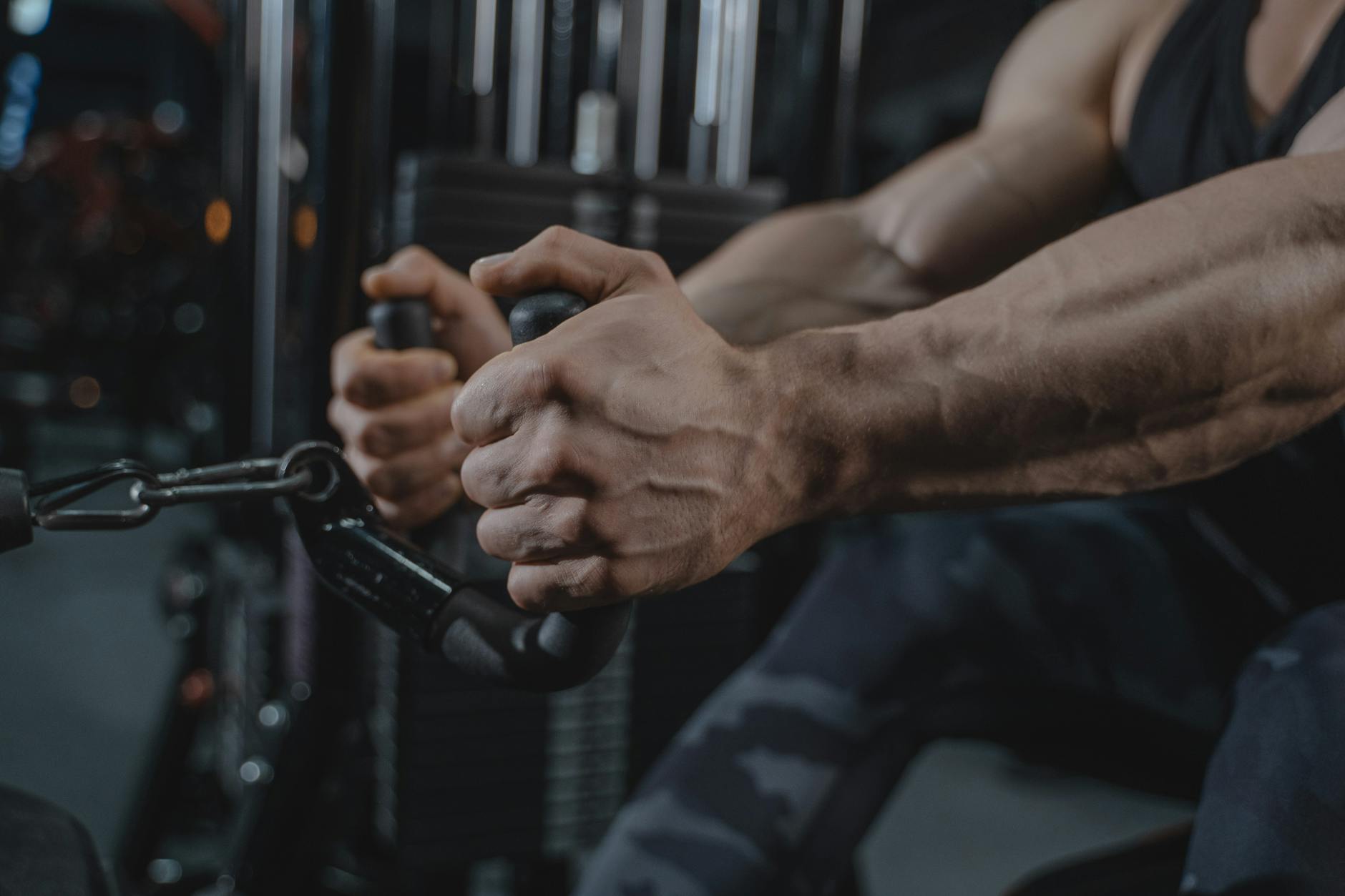
Beyond muscle, the metabolic slowdown in older adults is substantial. Resting metabolic rate—the number of calories your body burns simply existing—drops roughly 2 to 3 percent per decade starting at age 30. By 60, many people are burning 300 to 400 fewer calories per day at rest than they did at 30, even without weight gain. This creates a metabolic trap: the body requires less energy, so casual activity that might have maintained weight at 40 barely maintains it at 65. The problem intensifies because muscle tissue is metabolically active—it burns calories even at rest—while fat tissue is relatively inert. As muscle is lost and replaced with fat, the metabolic rate drops further.
A person who walks casually but doesn’t do any resistance work is essentially watching their metabolic engine shrink over time. This makes weight management progressively harder and leaves the body more vulnerable to metabolic diseases like type 2 diabetes. However, there’s an important limitation to understand: strength training in older adults does boost metabolic rate, but the effect is modest. Gaining 5 pounds of muscle doesn’t dramatically “speed up” metabolism the way marketing claims suggest. The real value is in the muscle maintenance itself—preventing the loss that accelerates metabolic and functional decline. The payoff is indirect but profound: a 65-year-old who maintains muscle through resistance work stays metabolically resilient, manages weight more easily, and has greater capacity for daily activity.
Cardiovascular and Bone Health Require Progressive Demands
Casual walking improves circulation and is far better than sitting, but it doesn’t provide enough cardiovascular demand to significantly improve aerobic capacity or cardiac strength in older adults. The heart is a muscle. Like all muscles, it responds to appropriate challenge. A brisk walk or jog—something that elevates heart rate to 60 to 75 percent of maximum—forces the cardiovascular system to adapt by improving stroke volume and oxygen utilization. Casual strolling doesn’t demand this adaptation. Bone health faces a similar reality. Bones respond to mechanical stress and impact by maintaining density and strength.
Weight-bearing exercise—walking, running, dancing, or jumping—provides this stimulus. But the stimulus must be sufficient. A casual walk on flat ground provides some stimulus, but a 70-year-old who occasionally jogs or does resistance training maintains significantly higher bone density than one who only walks slowly. The difference becomes visible on bone density scans and, more importantly, in fracture risk. A fall that breaks a hip in one person might cause only a bruise in another, largely because of bone density maintained through years of adequate physical stimulus. For people in their 60s and 70s, the concern isn’t just about current bone density but about the rate of decline ahead. The 65-year-old who begins progressive weight-bearing and resistance training is investing in a more resilient skeleton for the decades ahead.
How to Transition from Casual to Intentional Movement
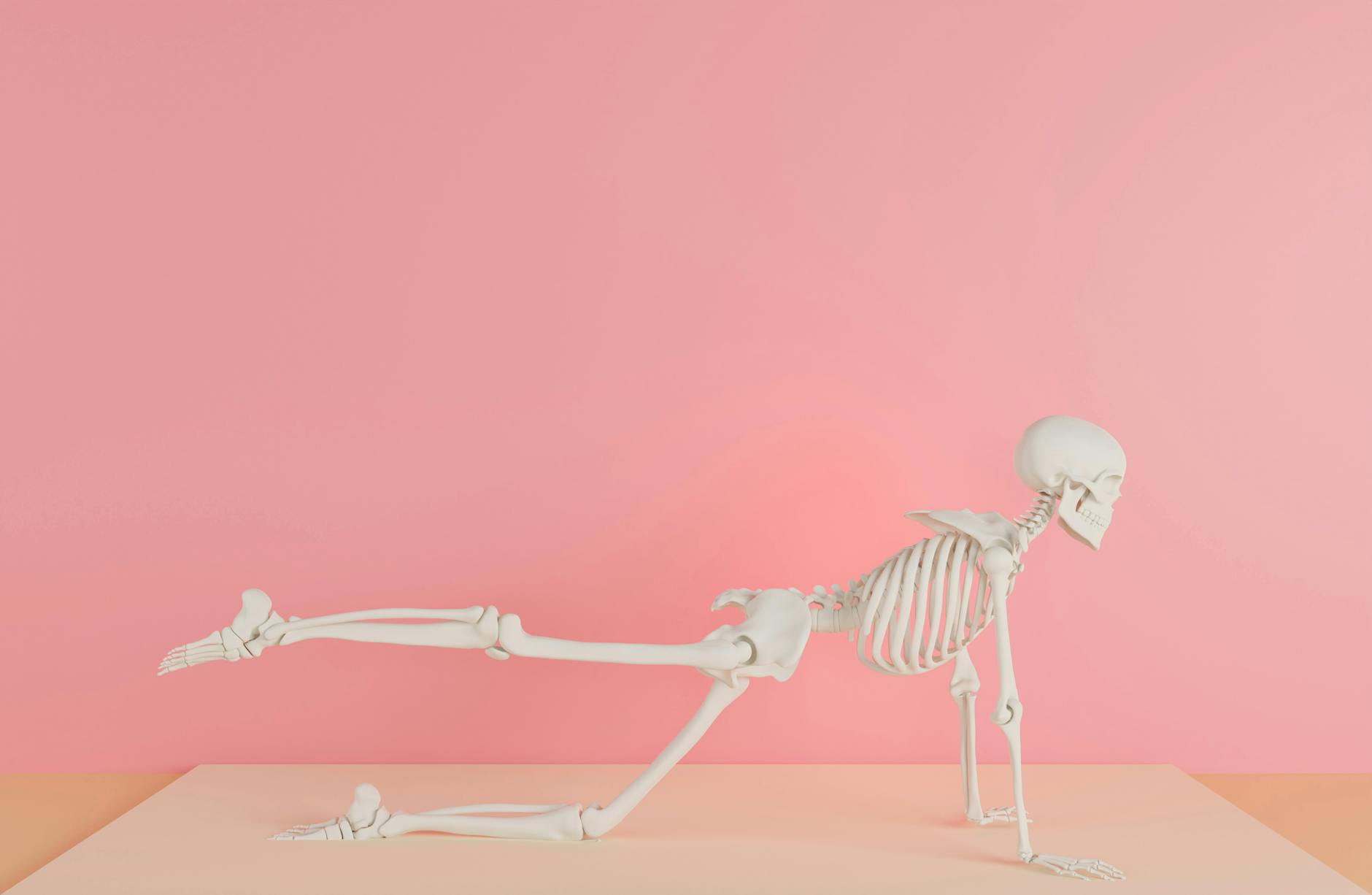
The shift doesn’t require extreme measures. A practical approach for most adults over 60 includes two elements: two to three sessions per week of resistance training (using weights, resistance bands, or body weight) and regular cardiovascular activity, including at least one session per week at moderate to high intensity. The resistance work doesn’t need to be complicated—basic exercises like squats, step-ups, rows, and overhead presses hit the major muscle groups effectively. The tradeoff is time and consistency. A person who currently walks casually needs to commit to a structured routine, likely requiring 150 to 200 minutes per week of exercise to see meaningful benefits.
This is more time-intensive than casual movement, and it requires finding a sustainable program—whether that’s a gym, outdoor running, a fitness class, or home-based training. The gain is enormous, but the ask is real: consistency matters more than intensity, and a sustainable moderate program beats an intense program done sporadically. The cardiovascular component doesn’t have to be high-impact. Running is effective, but so is brisk walking, cycling, swimming, or rowing. The key is finding something that elevates heart rate adequately and that the person will do consistently. Many older adults find running more appealing than walking precisely because it requires less time to achieve the same cardiovascular stimulus—30 minutes of jogging provides benefits that might take 60 minutes of casual walking to approach.
Overuse Injuries and Recovery in Older Adults
One common mistake is the assumption that all older adults should move cautiously and avoid intensity. The opposite risk is real and often overlooked: many older adults who increase activity too quickly develop overuse injuries like tendinitis, stress fractures, or muscle strains. The reason is partly structural—tendons and ligaments change with age and adapt more slowly to new demands—and partly because older adults often build intensity too aggressively after years of inactivity. Recovery is also different. A younger runner who overtrains might feel sore for a few days but bounce back.
An older adult doing the same often takes longer to recover, and inflammation lingers. This doesn’t mean older adults should avoid intensity; it means the progression matters more. Starting with modest intensity and building gradually over weeks and months—not days—reduces injury risk significantly. A 60-year-old returning to running should expect a build-up period of 8 to 12 weeks before running at a challenging intensity consistently. The warning here is against both extremes: casual movement that provides insufficient stimulus for health, and aggressive intensity that invites injury. The sweet spot is progressive, consistent, moderate-to-challenging work.

Sleep, Recovery, and Adaptation
Exercise triggers adaptation during recovery, not during the activity itself. For older adults, sleep quality and quantity become more important, not less. Seven to nine hours per night is generally recommended, and many older adults who increase activity find they need to prioritize sleep more carefully.
Recovery nutrition—adequate protein, micronutrients, and calories—also matters more as the body becomes less efficient at building and repairing tissue. A practical example: a 67-year-old starting a resistance training program should plan for at least 48 hours between sessions targeting the same muscle groups, and should ensure adequate nutrition and sleep. Many older adults find that proper recovery management prevents the aches, fatigue, and minor injuries that derail exercise routines.
Finding Motivation and Adapting Over Time
The motivation to maintain intentional movement in your 60s and 70s rarely comes from abstract health concepts. It comes from specific goals: being able to play with grandchildren without pain, hiking a favorite trail, maintaining independence, or completing a race. For people drawn to running, this can be particularly effective—training for a goal provides structure, purpose, and community.
Adaptation is also essential. A person who runs at 60 may need to modify their routine at 75 due to joint issues or life changes, but the principle remains the same: the body adapts to the demands placed on it. Finding a form of intentional movement that fits a person’s interests, constraints, and evolving abilities is key to maintaining it across decades.
Conclusion
The difference between casual movement and intentional exercise for adults over 60 comes down to stimulus. The human body in its sixth decade and beyond needs adequate load—cardiovascular demand and resistance—to maintain muscle, bone, metabolic health, and functional independence.
Casual walking and light activity are better than nothing, but they’re not enough to counteract the biological changes that accelerate after 60. The practical path forward is clear: build a routine that includes regular resistance training and progressive cardiovascular work, progress gradually to avoid injury, prioritize recovery, and find goals or activities that sustain motivation. The investment of time and effort pays dividends in independence, quality of life, and long-term health outcomes that casual movement simply cannot provide.