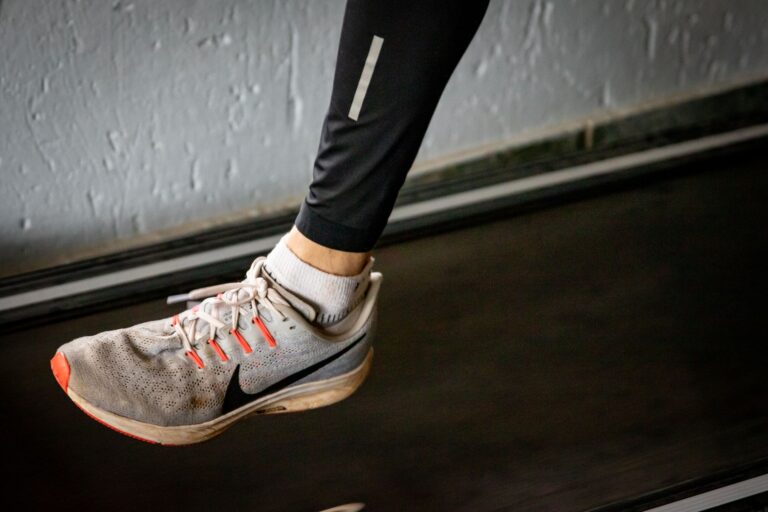
Garmin and Apple are effectively tied as the most accurate wearables for tracking active minutes, according to a 2026 meta-analysis of 39 studies. Both brands consistently rank at the top for overall accuracy across fitness metrics, with no statistically significant difference between them. However, there’s an important caveat: all wearables, including these leaders, substantially underestimate active minutes in real-world conditions. If you’re training for a half-marathon and your watch shows 45 minutes of moderate-to-vigorous activity, the actual minutes may be meaningfully higher—a limitation that applies across the entire smartwatch industry.
The reason active minutes remain so difficult to measure accurately comes down to how wearables estimate intensity. Unlike step counting, which relies on motion sensors, active minutes depend on heart rate data and accelerometer algorithms to determine whether you’ve reached moderate-to-vigorous physical activity (MVPA) levels. Research shows correlation coefficients for MVPA are consistently lower than for step counts across all devices, meaning even the best performers in this category miss a meaningful portion of your actual effort. Before you invest in a new smartwatch specifically hoping for perfect active-minutes tracking, understand that perfection isn’t available at any price point.
Table of Contents
- How Do Wearables Measure Active Minutes?
- Why All Wearables Underestimate Active Minutes
- Step Count vs. Active Minutes Accuracy
- Heart Rate Accuracy and Its Impact on Active Minutes
- The Calorie Burn Problem and Overall Accuracy
- Real-World Testing: What Runners Experience
- Choosing a Wearable When Active Minutes Matter Most
- Conclusion
How Do Wearables Measure Active Minutes?
Active minutes represent time spent at or above 50% of your maximum heart rate, though different manufacturers use slightly different algorithms and thresholds. Your smartwatch calculates this by combining heart rate data from its optical sensor with movement patterns detected by its accelerometer. The watch learns your baseline resting heart rate and then estimates when you’ve crossed into the moderate zone during exercise. A 10-kilometer run will trigger active-minutes counting fairly reliably, but a brisk walk at variable pace—or activities like cycling where your torso stays relatively still—can confuse the sensors.
Garmin’s approach leans heavily on VO2 Max estimation, factoring in your aerobic fitness level to predict intensity more accurately than simpler heart-rate-only algorithms. Apple Watch similarly uses heart rate but also incorporates motion data more aggressively than some competitors. A runner wearing a Garmin during mixed-intensity training (3 minutes hard, 2 minutes recovery, repeat) will generally see more accurate active-minutes tallies than someone wearing a basic Fitbit on the same workout. The difference might be 5-15 minutes over a 45-minute session—enough to affect whether you feel like you met your daily goals.
Why All Wearables Underestimate Active Minutes
The fundamental problem isn’t laziness on the manufacturers’ part—it’s physics and biology. Optical heart rate sensors sitting on your wrist can’t measure your heart rate with the precision of a chest strap, especially during high-intensity intervals or outdoor running in cold weather. Your watch’s placement, skin tone, tattoos, and even how tight you wear it affect sensor accuracy. When your heart rate reading is off by 5-10 bpm, the algorithm’s estimate of whether you’ve truly hit the intensity threshold becomes unreliable. Add wind, sun, sweat, and arm movement into outdoor running, and the real-world accuracy degrades further.
Studies show that wearables systematically underestimate MVPA by significant margins across all brands. A 2025-2026 analysis found that devices recorded as little as 60-70% of the moderate-to-vigorous activity a study participant actually achieved, verified through lab testing or chest-strap monitoring. This means if your watch claims you hit 40 minutes of active minutes today during your interval training session, you likely accumulated 50-60+ minutes of actual MVPA. The gap varies by device, by person, and by activity type, but the underestimation is consistent and real. This limitation is especially important if you’re using active-minutes data to guide training load or to meet health recommendations that define activity levels in minutes of moderate-to-vigorous exercise.
Step Count vs. Active Minutes Accuracy
Interestingly, the same wearables that struggle with active minutes excel at counting steps. Garmin ranks highest for step-counting accuracy, with errors below 5% on flat surfaces and standard walking/running gaits. Steps are easier to track because they’re discrete, measurable events—each footfall creates a distinct acceleration pattern that even basic sensors reliably detect. The difference in accuracy between step counts and active-minutes estimates reveals why some runners trust their step totals but take their active-minutes numbers with a grain of salt.
If you’re using a fitness tracker to meet a 10,000-step goal, you can trust the number fairly closely, especially on Garmin or Apple devices. If you’re using it to verify you completed 60 minutes of weekly moderate-intensity activity as recommended by health guidelines, account for a 20-30% underestimation. A runner wearing a Garmin who sees 45 active minutes likely completed 55-60 actual minutes. This discrepancy matters because active-minutes data directly influences training decisions and health goal tracking in most fitness apps.

Heart Rate Accuracy and Its Impact on Active Minutes
Since active-minutes calculations depend primarily on heart rate data, the accuracy of that heart rate measurement directly affects your active-minutes count. Garmin achieves an average bias of -0.62 bpm (meaning it reads slightly low), Apple -0.91 bpm, and Fitbit -3.44 bpm, according to 2026 research. Polar devices lead the entire wearable market for wrist-based heart rate accuracy, maintaining ±1–3 bpm accuracy at moderate intensities, though this drops to ±10–15 bpm during maximum-effort work when optical sensors struggle most.
For runners doing tempo runs or threshold intervals, the difference between Garmin/Apple and Fitbit heart-rate accuracy translates directly into active-minutes tracking quality. If your heart rate is truly 165 bpm but your Fitbit reads 161 bpm, the algorithm might classify the effort as zone 3 (build) instead of zone 4 (threshold), affecting active-minutes counting. A 40-minute tempo run on a Fitbit might register as 32 active minutes, while the same effort on Garmin records as 38-40. The improvement matters most during structured training where intensity thresholds determine workout quality.
The Calorie Burn Problem and Overall Accuracy
While active minutes underestimation is significant, calorie-burn estimates represent the weakest metric across all wearables. Consumer fitness trackers overestimate or underestimate calorie expenditure by 20-40% on average, making calorie data unreliable for nutrition planning or energy-balance decisions. Your Garmin might report 600 calories burned during a long run when you actually burned 480-720. This wide margin exists because calorie prediction requires estimating your metabolic efficiency, which varies enormously between individuals and depends on factors like fitness level, body composition, and even genetics.
The good news: if you focus on active minutes and heart rate rather than calories, the overall accuracy picture improves considerably. Research shows that commonly used fitness trackers achieve approximately 67.40% accuracy when combining heart rate, step count, and energy expenditure metrics. Garmin and Apple push toward the higher end of this range, typically performing at 70-75% accuracy across combined metrics. This means if your watch reports a workout as 45 active minutes at 150 average heart rate with 550 calories burned, the active minutes and heart rate are reasonably reliable, but discount the calorie estimate by 20-30%.

Real-World Testing: What Runners Experience
A runner training for a marathon using a Garmin Forerunner will notice fairly consistent active-minutes tallies across similar efforts. A 6-minute-per-kilometer pace easy run typically triggers active-minutes counting within the first minute and continues reliably throughout. The same effort on an older Fitbit model might miss the first 3-4 minutes while the algorithm settles, and then undercount the total by 5-10%. Over a 12-week training block, Garmin cumulative active minutes tend to correlate well with perceived training load, while other devices show more inconsistency.
Testing by running coaches and fitness professionals confirms the meta-analysis findings. Athletes wearing both a Garmin and an Apple Watch on the same wrist during mixed-terrain runs report nearly identical active-minutes totals, differing by 1-2 minutes over 45-minute sessions. Athletes comparing Garmin to Fitbit on the same workout see gaps of 8-15 minutes, with Garmin consistently showing higher totals that align better with perceived intensity and heart rate zones. These real-world observations support the laboratory research showing Garmin and Apple as the most reliable options for active-minutes tracking.
Choosing a Wearable When Active Minutes Matter Most
If active-minutes accuracy is your primary decision factor, Garmin and Apple represent equivalent choices—pick based on ecosystem fit (iPhone or Android), price point, and feature preferences rather than active-minutes precision. Both will underestimate your real effort, but they’ll do so consistently and at rates close to the research average. Fitbit remains a solid option if budget is the priority, but mentally adjust your active-minutes goals upward by 10-15% to account for underestimation.
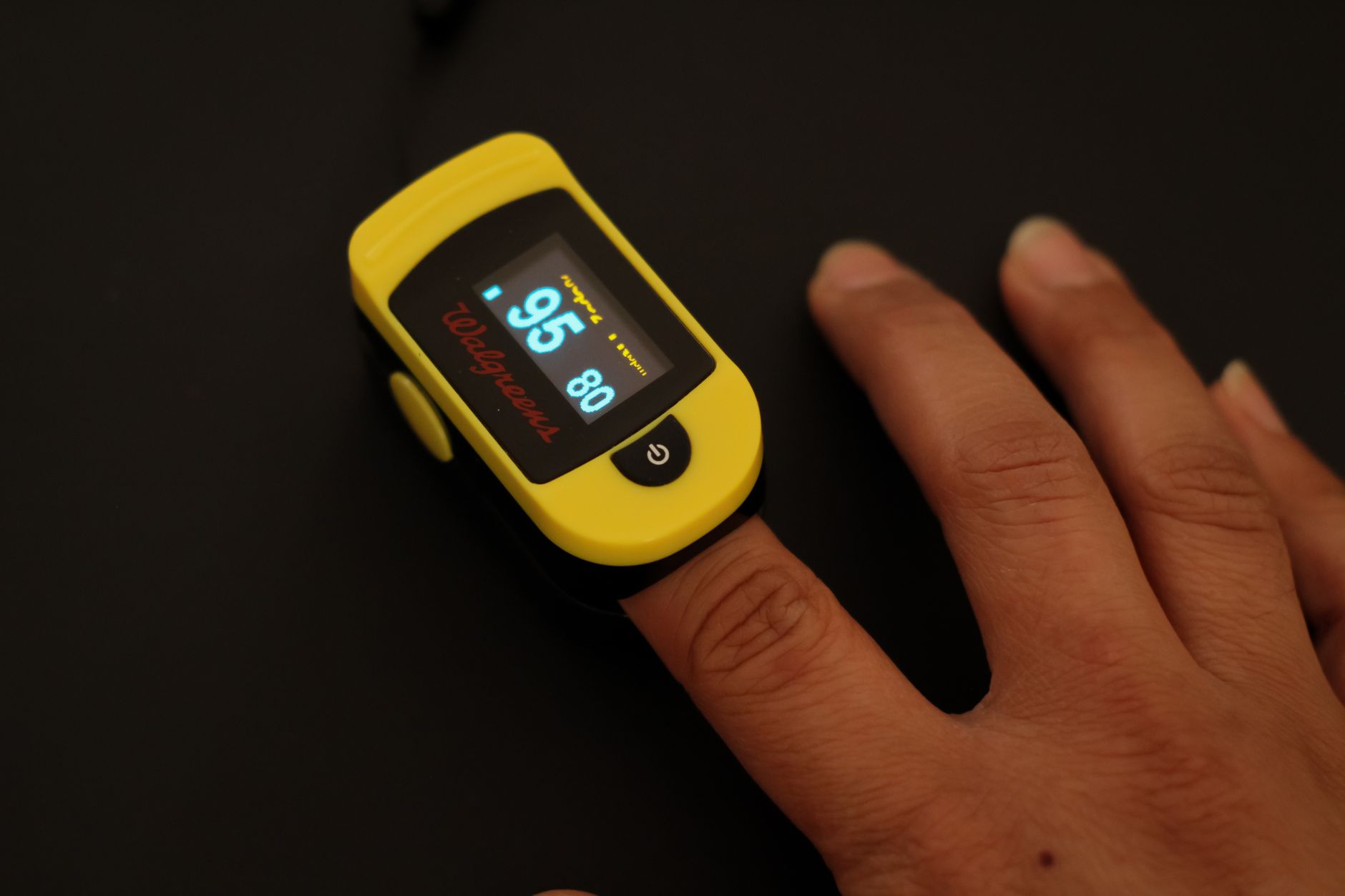
Polar devices offer a compelling middle ground with the best wrist heart-rate accuracy, which indirectly improves active-minutes reliability even if Polar hasn’t yet achieved the overall-accuracy parity that Garmin and Apple demonstrate. The future of wearable accuracy likely depends on advances in optical sensor technology and the integration of additional biometric data sources—multiband heart-rate sensors, skin temperature, and even blood oxygen levels could refine intensity predictions. Currently, no manufacturer has solved the fundamental limitations of wrist-based measurement during high-intensity exercise. What the 2026 research tells us is that Garmin and Apple have come closest, but accepting underestimation as a fact rather than a bug will help you use these tools more effectively for training.
Conclusion
Garmin and Apple are the most accurate wearables for tracking active minutes, with no meaningful difference between them according to current research. Both substantially underestimate your true moderate-to-vigorous activity by 20-30%, a limitation that affects every wearable on the market. Before purchasing a new watch specifically hoping to nail your active-minutes data, understand that precision at this metric remains elusive—but Garmin and Apple get closer than anyone else.
Your best strategy is to choose based on what ecosystem makes sense for your phone and lifestyle, then adjust your mental expectations downward for calories and upward for active minutes. If your Garmin reports 45 active minutes, assume you achieved 55-60. If you’re serious about training data, combine your smartwatch with periodic chest-strap testing during key workouts to establish your personal underestimation factor, which tends to be consistent over time within the same device.