
When it comes to measuring exercise, the Apple Watch stands out as the most accurate smartwatch overall, particularly for heart rate monitoring during resistance training—the one workout type where other smartwatches consistently falter. If you’re serious about tracking your workouts, this distinction matters because heart rate data forms the foundation of most fitness metrics. However, if you’re chasing reliable calorie burn numbers, you need to manage your expectations: every smartwatch on the market, including the Apple Watch, produces energy expenditure estimates that don’t reliably match your actual metabolic demands, especially during strength training. The nuance here is important.
Smartwatches excel at one job—capturing your heart rate during exercise—but struggle significantly at another—calculating how many calories you’re actually burning. This gap between what smartwatches do well and what they don’t affects which device makes sense for your specific fitness goals. A casual runner tracking cardio workouts will find most smartwatches adequate. Someone performing regular resistance training will benefit from the Apple Watch’s superior performance. And anyone relying on calorie counts for nutrition planning should treat those numbers with healthy skepticism across the entire market.
Table of Contents
- How Accurately Do Smartwatches Track Heart Rate During Different Workouts?
- Why Calorie Burn Estimates Fall Short Across All Smartwatches
- Apple Watch Versus Huawei Watch Fit 4 for Exercise Tracking
- Choosing the Right Smartwatch for Your Specific Workouts
- The Calorie Burn Problem Every Runner Should Understand
- GPS Accuracy and Real-World Training Data
- The Future of Smartwatch Exercise Measurement
- Conclusion
How Accurately Do Smartwatches Track Heart Rate During Different Workouts?
heart rate accuracy varies dramatically depending on the type of exercise you’re doing. During endurance exercise—running, cycling, rowing, or any sustained cardio—all smartwatches perform comparably well to medical-grade ECG measurements. The research shows strong correlations and excellent reliability with narrow limits of agreement, meaning you can trust your smartwatch heart rate data during your morning run or spin class regardless of which brand you own. This is where smartwatches genuinely excel and why they’ve become ubiquitous in the fitness world.
Resistance training flips the accuracy picture completely. During weightlifting and strength workouts, only the Apple Watch shows no significant difference from ECG measurements, according to published research from PubMed. Other smartwatches—Garmin, Fitbit, Huawei, and others—showed measurable variations when wearers hit the weights. If you spend meaningful time in the gym doing squats, deadlifts, or bench presses, this is a critical distinction. The movement patterns and muscle contractions of resistance exercise apparently challenge the optical sensors in most smartwatches, causing them to underperform compared to Apple’s technology.

Why Calorie Burn Estimates Fall Short Across All Smartwatches
This is where every smartwatch disappoints. A 2026 study examining calorie burn estimates found weak correlations between smartwatch predictions and actual energy expenditure, with particularly poor performance during resistance exercise. The problem isn’t brand-specific—it’s fundamental to how smartwatches estimate calorie burn. These devices use heart rate as a proxy for metabolic demand, multiplying your BPM by various constants derived from broad population averages. But calorie burn depends on far more than heart rate: muscle mass, age, sex, fitness level, exercise intensity, movement efficiency, and individual metabolism all dramatically affect how many calories you actually burn.
Consider a real example: two people doing the exact same workout at the same heart rate will burn meaningfully different calorie amounts based on their body composition and fitness level. Smartwatches can’t account for these variables with wrist-worn sensors alone. During resistance exercise, the problem amplifies because your heart rate rises during heavy lifting, but the actual calorie expenditure can vary wildly depending on rest periods, load, and muscle groups involved. A smartwatch might show you burned 300 calories during a 45-minute weight session when you actually burned 200, or vice versa. This inaccuracy makes calorie-based nutrition planning unreliable when smartwatch data is your only input.
Apple Watch Versus Huawei Watch Fit 4 for Exercise Tracking
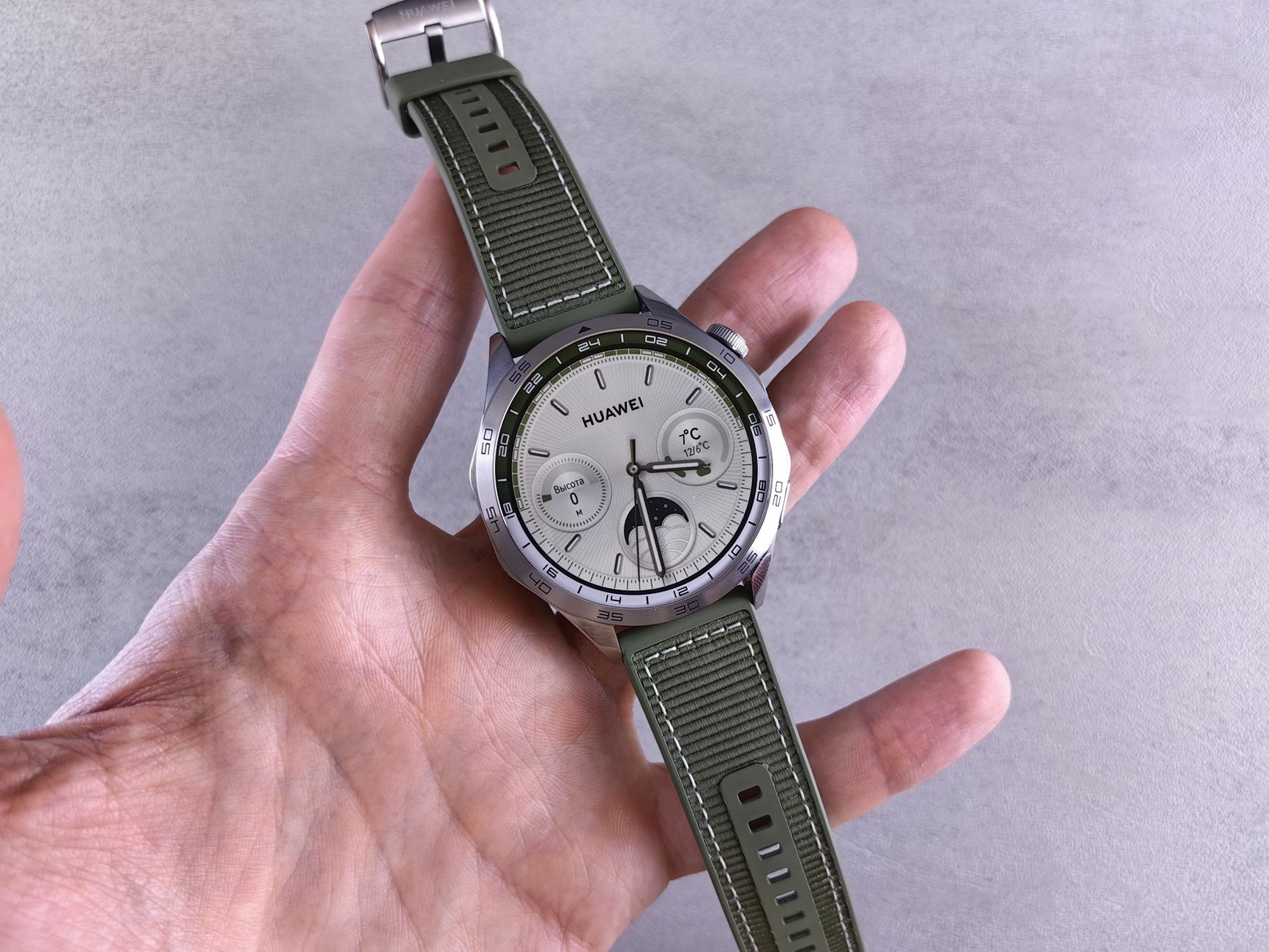
The Apple Watch earns its position as the most accurate device through superior heart rate performance during resistance training and reasonably reliable estimates of average heart rate, max heart rate, and calorie burn compared to alternatives. If you’re in the Apple ecosystem and do mixed workouts including strength training, the Apple Watch remains the logical choice. Its advantage matters most when you’re lifting weights or doing high-intensity training. The Huawei Watch Fit 4 takes a different approach, prioritizing accurate GPS tracking using dual-frequency satellite positioning.
For runners and cyclists who care deeply about route accuracy, elevation, and distance measurement, the Huawei Watch Fit 4 excels at a budget price point. However, if your training includes regular resistance work, you’ll sacrifice accuracy compared to the Apple Watch. The choice depends on your primary training modality: if you’re primarily running or cycling outdoors and want strong GPS data on a budget, Huawei competes well. If you train with weights or value top-tier heart rate accuracy across all workout types, the Apple Watch’s advantage justifies the premium.
Choosing the Right Smartwatch for Your Specific Workouts
Your ideal smartwatch depends on what you actually do in your training. Pure endurance athletes—marathoners, distance cyclists, triathlon participants—will find any major smartwatch brand delivers comparable heart rate accuracy where it matters most. The marginal differences between brands fade at the distance of a training cycle when all devices perform well during your primary workout type. Your decision can then center on other factors: interface preference, ecosystem compatibility, battery life, or feature set.
If you split your time between cardio and resistance training, the Apple Watch becomes the stronger technical choice. Its superior performance during weight training isn’t theoretical—it translates to more reliable data when you’re doing the workouts that most people actually neglect to track accurately because other devices fail them. This advantage compounds if you track training periodically throughout the year, as you’ll capture accurate baseline data during every training phase. For budget-conscious runners specifically, the Huawei Watch Fit 4’s dual-frequency GPS and lower price point make it genuinely competitive despite Apple Watch’s overall accuracy advantages. The GPS accuracy difference matters tangibly on road races, trail runs, and long routes where precise distance is important for pacing feedback and training verification.
The Calorie Burn Problem Every Runner Should Understand
Even the best smartwatch calorie estimates are unreliable enough that you shouldn’t build a nutrition plan primarily around them. If you’re using calorie burn estimates to justify eating an extra snack or skip a meal, you’re making decisions on a foundation that research shows doesn’t hold up. The weak correlations documented in 2026 studies mean a smartwatch showing 500 calories burned might actually represent anything from 350 to 650 calories depending on individual factors the device can’t measure. This matters most during resistance training, where the variance is largest.
Your smartwatch might report identical calorie burns for two different 60-minute strength sessions when one actually burned 50 percent more calories due to higher intensity or better muscle activation. The risk here is that people often trust these numbers because smartwatches present them so confidently. A better approach: use smartwatch calorie estimates as a relative measure (comparing one workout to another to gauge intensity) rather than an absolute number for nutrition planning. If you need accurate calorie burn data for serious training or body composition goals, direct measurement through metabolic testing or more sophisticated methods beats smartwatch estimation every time.

GPS Accuracy and Real-World Training Data
Beyond heart rate, smartwatches deliver varying GPS performance that directly affects training feedback. Dual-frequency GPS (available on devices like the Huawei Watch Fit 4) provides notably better accuracy than single-frequency systems, particularly in urban environments with tall buildings or under tree cover.
For trail runners and mountain athletes, this difference compounds—accurate route tracking helps you analyze pacing, identify slow sections, and verify distance for different routes you train on repeatedly. The lesson: if your primary concern is accurate workout distance and route mapping, evaluate GPS capabilities specifically rather than assuming all smartwatches perform similarly. Huawei’s investment in dual-frequency positioning delivers tangible real-world benefits for location-based training, even if its heart rate accuracy during weight training lags behind the Apple Watch.
The Future of Smartwatch Exercise Measurement
The smartwatch industry faces an interesting constraint: wrist-worn sensors have fundamental limitations that better technology can’t fully overcome. Adding more sensors improves heart rate accuracy during resistance training (as Apple has proven), but truly accurate calorie measurement requires body composition data, movement analysis, and metabolic information that wrist devices may never reliably capture. Future improvements will likely focus on specific areas where marginal gains remain possible—better algorithms for calorie estimation, more sophisticated movement detection, integration with other data sources like metabolic testing—rather than revolutionary breakthroughs in measurement accuracy.
For now, the direction is clear: smartwatches have maximized heart rate accuracy for practical purposes, with the Apple Watch leading on resistance training. The calorie burn frontier remains unsolved, suggesting that smartwatch companies will continue chasing solutions to a fundamentally difficult problem. Users should plan training around heart rate data they can trust, while treating calorie numbers as approximations that help with relative intensity comparison rather than absolute nutrition planning.
Conclusion
The Apple Watch measures exercise most accurately overall, particularly excelling at heart rate monitoring during resistance training where other smartwatches struggle. For endurance athletes, the differences between major brands narrow considerably since all smartwatches track cardio heart rate comparably well. Budget-conscious runners might find the Huawei Watch Fit 4’s GPS accuracy sufficient for their needs, balancing lower cost against slightly lower heart rate reliability during strength work.
Across all smartwatches, one consistent limitation remains: calorie burn estimates lack the accuracy to reliably guide nutrition decisions. Use your smartwatch confidently for heart rate data during workouts, track that information over time to monitor training adaptations, but view the calorie numbers skeptically. If accurate exercise measurement matters to your training—and it should if you’re serious about running—choose based on which device delivers the heart rate accuracy for your specific workouts, then supplement smartwatch data with other observations about how you actually feel and perform.


