Fitness rings and fitness watches both track your activity and health metrics, but they serve different purposes and appeal to different runners. The key difference is that fitness rings prioritize simplicity and passive monitoring—they’re designed to be worn all day with minimal notification distractions—while fitness watches offer active training features, GPS navigation, and detailed performance data that serious runners often depend on.
If you run competitively or care about pace, distance, and route tracking, a watch is likely your better choice; if you’re focused on daily movement trends, recovery, and minimal friction, a ring might be enough. The choice between these two devices depends less on which is objectively better and more on your training style, how you use data, and whether you want active coaching or passive insights. A runner training for a marathon will need different tools than someone logging casual weekend jogs, and the device you choose should match that reality.
Table of Contents
- What Are the Core Differences Between Fitness Rings and Fitness Watches?
- Battery Life and Daily Wearability—A Major Trade-off
- Data Tracking and Accuracy—Which Device Gives Better Metrics?
- Running-Specific Features and Active Training Capabilities
- Data Privacy and Sleep Tracking Concerns
- Cost and Accessibility
- The Future of Wearable Running Tech
- Conclusion
- Frequently Asked Questions
What Are the Core Differences Between Fitness Rings and Fitness Watches?
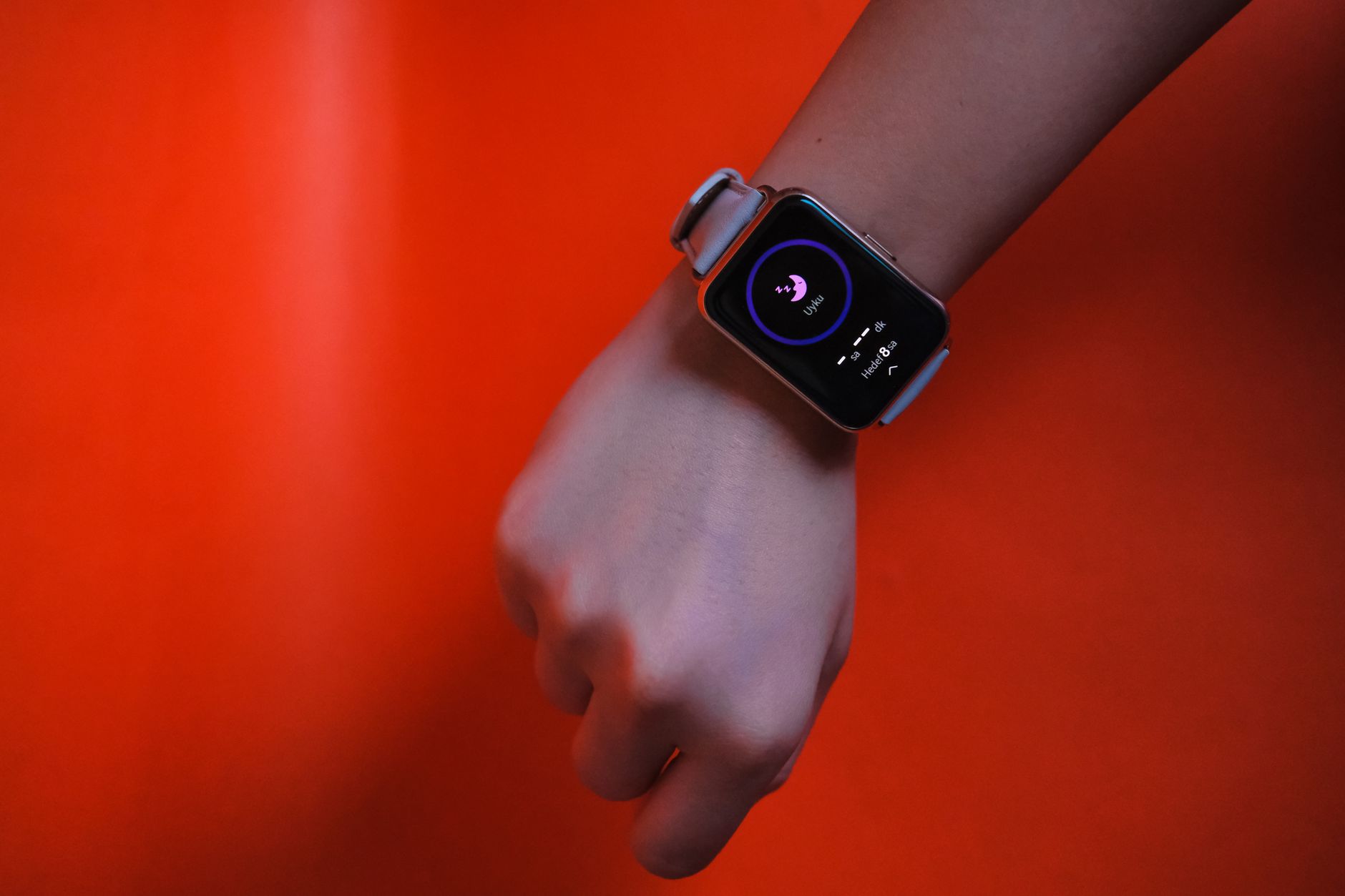
Fitness rings are compact devices—typically about the size of a traditional ring—that track heart rate, sleep, activity, and sometimes menstrual cycle data. They’re designed for passive monitoring and rely on your phone for notifications and details. The most well-known example is the Oura Ring, which syncs with your smartphone and provides daily insights through an app but doesn’t display information directly on the device itself. Fitness watches, by contrast, are wearable computers with displays, GPS chips, and sensors that let you see your data in real time and control many functions without reaching for your phone.
The practical difference becomes clear during a run. A fitness watch can show your current pace, distance traveled, heart rate zones, and estimated finish time—all on your wrist. A fitness ring can only tell you that you ran, how your heart performed overall, and where your stress levels sit. For structured training, the watch’s active feedback is often essential; for passive health monitoring, the ring’s simplicity is often preferable.

Battery Life and Daily Wearability—A Major Trade-off
One of the biggest advantages fitness rings have over watches is battery life. Most fitness rings last 4 to 7 days on a single charge, while many fitness watches run out after 1 to 2 days of heavy use—or longer if you go with simpler models that don’t use GPS constantly. If you wear your device to bed to track sleep, this is significant. A ring charges quickly (often in 20 to 30 minutes) and can be topped up once or twice a week without much thought.
A watch typically needs daily or every-other-day charging, which means regular management. However, there’s a limitation to keep in mind with rings: because they lack a display, they can’t deliver real-time alerts or feedback during activity. If your pace drops, your heart rate spikes, or you need to adjust your training strategy mid-run, you won’t know until you check your phone later. Some runners find this frustrating, especially if they’re used to the immediate biofeedback that a watch provides. The trade-off is real: you gain convenience and battery life but lose in-the-moment coaching.
Data Tracking and Accuracy—Which Device Gives Better Metrics?
Both fitness rings and watches track heart rate, steps, calories, and sleep, but the accuracy and depth differ significantly. Fitness watches with built-in GPS give you precise distance and route data that’s hard to fake or misread. If you run on trails, in the city, or anywhere with variable terrain, a watch’s GPS will tell you exactly how far you went and can even map your route back to you later. A fitness ring estimates distance based on arm movement and step count, which is less precise but often good enough for casual tracking.
Heart rate data is generally comparable between the two, though watch sensors often perform better during high-intensity activities when arm motion is greatest. For runners, especially those tracking training zones or recovery, this matters. A real-world example: during a hard sprint workout, a watch’s optical heart rate sensor might lag slightly but will stabilize quickly, while a ring might struggle momentarily with higher cadence movement. Sleep tracking is another area where both devices excel, though some runners report that rings feel less intrusive overnight, which improves compliance—meaning you actually wear them consistently and get better data over time.

Running-Specific Features and Active Training Capabilities
If you’re serious about running, you need active training features, and this is where fitness watches dominate. Quality running watches offer structured training plans, interval workouts, cadence tracking, and real-time coaching that guides you through sessions. You can set target zones, and the device alerts you when you drift above or below them. You can program a specific route and follow turn-by-turn navigation. You can record splits for each mile, analyze elevation gain, and compare this week’s run to last week’s effort.
Fitness rings don’t offer any of these features. They can tell you that you completed a workout and how your body responded, but they can’t guide you through one. For a casual runner doing steady-state aerobic runs, this gap doesn’t matter much. For someone training for a PR or following a periodized plan, it’s a deal-breaker. A runner using a watch can set a goal pace for a tempo run and receive real-time feedback; a runner using only a ring will have to monitor their effort by feel, check their phone afterward, and adjust next time. It’s workable but not optimal for serious training.
Data Privacy and Sleep Tracking Concerns
One thing to consider seriously with any fitness device is data privacy. Fitness rings, particularly the Oura Ring, collect sensitive health information including heart rate variability, sleep stages, body temperature, and respiratory rate. This data is powerful for training optimization but also sensitive. Oura has explicit privacy practices, but anytime health data leaves your device and syncs to the cloud, there’s a privacy trade-off worth understanding.
Some runners are willing to accept this for better insights; others prefer the idea of on-device tracking. Fitness watches also send data to cloud servers, so the privacy concern isn’t unique to rings. However, there’s another warning worth noting: rings, because they’re so close to your skin and track continuous metrics like body temperature, can sometimes produce false alerts or confusing data if you’re sick, injured, or in an unusual state. A ring might flag elevated resting heart rate or temperature anomalies that require interpretation. A watch is less likely to trigger these types of health alerts, which can be either reassuring or frustrating depending on your perspective.
Cost and Accessibility
Fitness rings typically cost between $250 and $400, making them more expensive upfront than many basic fitness watches but comparable in price to serious running watches. A quality running watch from Garmin, Polar, or Apple starts around $200 and can easily exceed $500 for advanced models. The cheaper options for rings (Oura) and watches (basic Fitbit, Garmin Instinct) often deliver 80 percent of the value at 50 percent of the premium price, which matters if you’re not sure whether you’ll stick with active health tracking.
One practical consideration: replacement and accessibility. If your watch breaks, you can usually buy a replacement within a week. Rings, especially popular models like Oura, sometimes have long wait times due to demand. Some runners also find it challenging to find a ring that fits properly on their chosen finger, especially if fingers vary in size season to season.
The Future of Wearable Running Tech
The line between fitness rings and watches is blurring. Some newer rings offer more sophisticated coaching, and some watches are becoming sleeker and less watch-like. What’s clear is that the market is moving toward devices that do one thing exceptionally well rather than trying to be everything to everyone.
For running, that means watches will likely stay the preferred choice for serious athletes because the form factor—a display, buttons, an obvious place to mount GPS—is fundamentally suited to active training. Meanwhile, rings will probably consolidate around health optimization, recovery monitoring, and passive tracking for people who want fitness data without the overhead of active sports management. The trend suggests that within a few years, choosing between a ring and a watch will be less about which device is “better” and more about whether you want active training tools or passive health insights.
Conclusion
Fitness rings and fitness watches aren’t competitors in the truest sense—they’re different tools for different goals. If you run competitively, follow structured training plans, or want real-time feedback during workouts, a fitness watch is essential. If you run for health, care mostly about daily activity and recovery, and prefer minimal friction, a fitness ring might be all you need.
Many serious runners actually use both: a watch for training runs and a ring for sleep and recovery tracking on rest days. Your decision should rest on what questions you’re trying to answer about your training and health. Are you optimizing for performance, or for sustainable, balanced fitness? The right device is the one that fits your actual running life, not the one with the most features or the one your running friends recommend.
Frequently Asked Questions
Can I use a fitness ring for GPS-tracked running?
No. Fitness rings don’t have GPS and estimate distance based on movement and step count. If you need exact route data or pace tracking, you need a watch with GPS.
Which is better for sleep tracking, a ring or a watch?
Both are excellent for sleep tracking. Rings often provide more detailed metrics like body temperature and heart rate variability during sleep. Watches are good but sometimes less granular. Personal comfort matters most—whichever device you actually wear all night will give you better data.
Do I need to charge my fitness ring every day?
No. Most fitness rings last 4 to 7 days per charge, compared to 1 to 2 days for many fitness watches. This is one of the ring’s major advantages for daily wearability.
Can I use a fitness ring to track interval training?
Not actively. Rings can’t provide real-time coaching, target zones, or interval alerts during a workout. They’ll record that you did the workout but won’t guide you through it.
Are fitness rings more accurate than fitness watches?
Accuracy depends on the metric. For GPS distance and pace, watches with GPS are far more accurate. For heart rate and sleep, both are comparable, though individual device quality and fit matter a lot.
What if I want both a ring and a watch?
Many serious runners and active people use both. A watch handles training sessions and outdoor runs; a ring focuses on sleep, recovery, and daily movement. They sync to the same app ecosystem and give a complete picture of your fitness and health.