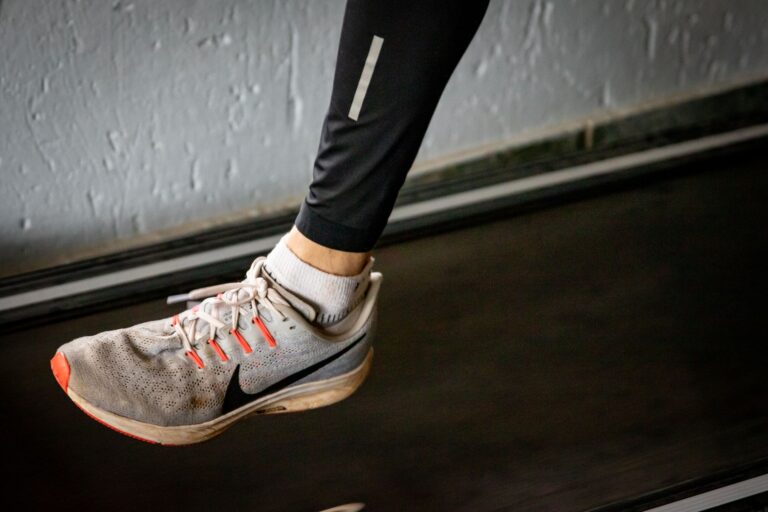
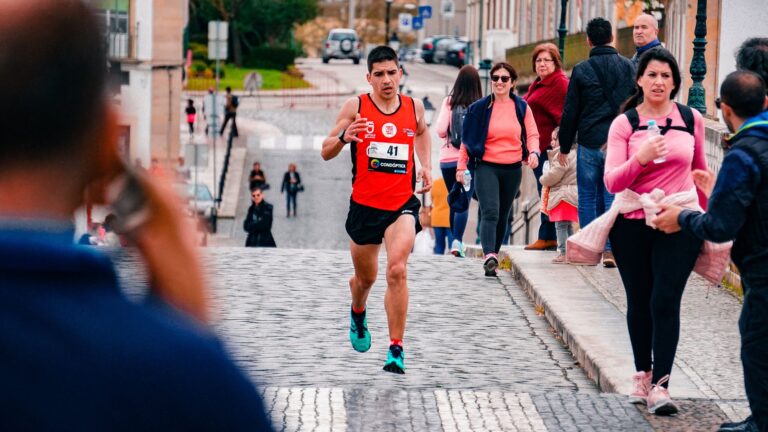
Outdoor running outperforms treadmill running across most health and fitness metrics, delivering greater muscle development, better mental health outcomes, and more efficient calorie burning. While treadmills offer convenience and injury protection for certain conditions, the evidence consistently shows that runners who take their efforts outside experience superior results in terms of physical adaptation, endurance improvements, and psychological well-being. The difference isn’t marginal—in a 6-week comparative study of recreationally active young males, outdoor training produced greater improvements in 50-meter sprint times and 1,600-meter run performance while better preserving leg muscle mass, even though both groups improved fitness and reduced body fat.
For most runners, the question isn’t whether one method is universally better, but rather which aligns with your current fitness level, injury history, and lifestyle. A recreational runner training for a 5K race will see faster progress outdoors, while someone recovering from knee surgery might benefit from the controlled environment of a treadmill. The key is understanding the concrete differences—not assumptions—that separate these two training methods.
Table of Contents
- How Outdoor Running Builds Better Muscle and Strength
- Understanding Joint Impact and Long-Term Sustainability
- The Mental Health Advantage of Outdoor Running
- Calorie Burn Efficiency and Fat Oxidation Trade-offs
- Thermoregulation and Environmental Factors
- Vitamin D Synthesis and Circadian Rhythm Regulation
- Long-Term Health Outcomes and Disease Prevention
- Conclusion
How Outdoor Running Builds Better Muscle and Strength
The physical differences between outdoor and treadmill running start at the muscular level. Outdoor running demands constant micro-adjustments to uneven terrain, variable wind resistance, and natural gravity pull, requiring your legs to engage stabilizer muscles that a treadmill belt essentially does the work for. This translates into measurable muscle preservation. The 6-week study mentioned earlier found that outdoor runners maintained significantly more leg muscle mass while improving their power-to-weight ratio—precisely the metric that matters for running speed and efficiency. Beyond muscle mass, outdoor running forces your body to propel itself forward rather than having a belt do part of the work.
This distinction matters for strength development in your glutes, hamstrings, and calves. A runner switching from treadmill training to outdoor running typically experiences a noticeable “heaviness” in their legs for the first week or two—that’s the neuromuscular system adapting to the real workload. Once adapted, this translates into better race performance outdoors, where these muscles are needed most. The limitation here is that treadmills aren’t useless for strength. They’re actually superior for runners dealing with severe joint issues or those in early recovery phases, since the belt provides cushioning and removes impact variability. But if your goal is maximum muscle development and sport-specific strength, outdoor running wins decisively.

Understanding Joint Impact and Long-Term Sustainability
Every time your foot strikes the ground, you’re transmitting force equal to 1.5 to 3 times your body weight through your feet, ankles, knees, and hips. This is true whether you’re running outdoors or on a treadmill, but the nature of that impact differs meaningfully. Treadmills, particularly when set to an incline, distribute impact more evenly and consistently, while outdoor surfaces vary—asphalt has different shock absorption than concrete, and trails offer variable terrain that requires stabilization. Here’s where the research creates a practical conflict: incline walking on a treadmill produces significantly less knee and hip stress than running, making it more sustainable for runners with prior injuries or degenerative joint conditions.
Conversely, recreational runners (those without existing joint problems) have lower rates of knee and hip arthritis compared to non-runners, suggesting that running itself, when done correctly, protects joints rather than damages them. The arthritis risk comes from poor biomechanics, inadequate recovery, or training volume increases that outpace adaptation—not from running on natural surfaces. The warning: outdoor running demands better form than treadmill running. The treadmill’s consistent surface forgives minor gait issues; outdoor terrain exposes them immediately through increased discomfort or instability. If you’re transitioning from treadmill to outdoor running, do it gradually and assess your running gait before increasing volume.
The Mental Health Advantage of Outdoor Running
The mental health gap between outdoor and treadmill running is substantial and well-documented. Outdoor running generates more endorphins than treadmill running, according to research from the University of Exeter, but endorphins are only part of the story. Runners who train outdoors report greater improvements in mood, stress reduction, and revitalization compared to their treadmill-bound counterparts. The American Psychological Association points to a direct mechanism: outdoor exercise improves cognitive function, mood, mental health, and emotional well-being, largely through nature exposure and the psychological shift of changing scenery.
Consider a practical example: a runner struggling with stress during a work week might complete a 30-minute treadmill run and feel physically exhausted but mentally flat—they’re in their living room or basement, staring at the same wall. The same runner completing a 30-minute outdoor run through a park or neighborhood experiences not just the physical fatigue, but also environmental novelty, natural light exposure, and the psychological benefit of being outside. Multiple studies link regular running to reduced dementia risk, but the outdoor component appears to amplify this benefit through the additional cognitive engagement of navigating terrain and responding to environmental stimuli. This is where treadmills face a genuine limitation: they’re efficient for checking the physical training box, but they don’t deliver the full mental health package that outdoor running provides. For anyone dealing with depression, anxiety, or stress-related issues, outdoor running becomes not just exercise but active therapy.

Calorie Burn Efficiency and Fat Oxidation Trade-offs
Running is significantly more time-efficient at burning calories than walking—approximately 28% faster than incline walking. Running at 10 miles per hour burns approximately 700 to 1,000 calories per hour depending on body weight, pace, and effort level. This efficiency is a major advantage for runners with limited training time, making running the clear choice if pure calorie expenditure is the goal. However, recent research from 2025 introduces a nuance that complicates the simple “running burns more calories” narrative. A systematic analysis in the International Journal of Exercise Science found that incline walking produced higher fat oxidation (40.6% of energy from fat) versus running (33.1% from fat).
Translated practically: to burn approximately 308 calories, running required 23.9 minutes while incline walking required 30.1 minutes. This means running gets the calorie burn done faster, but incline walking burns a higher proportion of those calories from fat stores. The limitation: these studies compare treadmill walking to treadmill running, not outdoor running, which may produce different results due to terrain variability and cooling effects. For most fitness goals, the speed advantage of running makes it the better choice. But runners with metabolic concerns or those specifically interested in fat loss optimization might consider how their training splits between higher-intensity running sessions and lower-intensity outdoor walking or hiking.
Thermoregulation and Environmental Factors
One of the clearest physiological advantages of outdoor running is thermoregulation. Outdoor running benefits from airflow that assists sweat evaporation and cooling, while still indoor environments cause core temperature to rise more rapidly at equivalent workloads. This isn’t merely a comfort issue—prolonged elevation of core temperature increases perceived effort, reduces exercise capacity, and accelerates fatigue. A runner who completes a treadmill workout and immediately feels drenched in sweat, while an outdoor runner at the same pace feels relatively fresh, is experiencing this temperature differential. This advantage becomes significant during longer runs or high-intensity sessions.
A 12-mile treadmill run requires active cooling management—opening windows, adjusting clothing, or running in early morning hours. The same 12-mile run outdoors benefits from natural convective cooling, allowing you to sustain effort more comfortably. For winter runners in cold climates, treadmills offer an obvious advantage, but spring through fall favors outdoor running’s cooling efficiency. The warning: outdoor running’s temperature advantage can become a disadvantage in extreme heat or humidity. A runner in a hot climate might actually benefit from the controlled temperature of an air-conditioned treadmill, particularly during peak summer hours. Geographic location and seasonal variation matter significantly for this comparison.

Vitamin D Synthesis and Circadian Rhythm Regulation
Running outdoors exposes you to natural light, supporting vitamin D synthesis (essential for bone health and immune function) while helping regulate circadian rhythm—your internal biological clock that influences sleep quality, hormonal balance, and mood. Treadmill running, regardless of how hard you work, doesn’t provide this benefit. Morning outdoor runs are particularly valuable because exposure to natural light in early hours helps set your circadian rhythm for the entire day, improving sleep quality that night and normalizing cortisol patterns.
For runners dealing with sleep disruption, seasonal affective disorder, or vitamin D deficiency, outdoor running becomes preventative medicine. A runner struggling with poor sleep who shifts even three treadmill runs per week to outdoor alternatives often reports measurable sleep quality improvements within two weeks. The mechanism is straightforward: natural light exposure at consistent times trains your body to recognize day-night cycles, while vitamin D supports the neurotransmitters involved in sleep regulation.
Long-Term Health Outcomes and Disease Prevention
Recent research on outdoor exercise reveals broader health protections than traditional fitness metrics capture. A 2025 systematic review examining 700+ cancer survivors found that outdoor exercise improved mental health, physical activity levels, muscular fitness, body composition, and exercise motivation compared to indoor training. These aren’t marginal differences—outdoor training showed consistently superior outcomes across multiple health domains.
The broader pattern emerging from cardiovascular research is that regular exercisers experience lower rates of sudden cardiac events, but outdoor runners with exposure to natural light and lower stress loads show superior outcomes. The combination of physical stress (from running itself) plus psychological stress relief (from outdoor environment) appears to create a net positive for long-term health that pure treadmill training doesn’t fully replicate. For runners viewing their training as preventative health investment, outdoor running offers a higher return.
Conclusion
Outdoor running delivers superior results for muscle development, mental health, cardiovascular adaptation, and long-term disease prevention compared to treadmill training. The evidence spans from muscular physiology (better leg muscle preservation and strength development) through mental health (greater endorphin production and stress reduction) to disease prevention (lower arthritis rates and improved cardiac outcomes). A runner asking whether to invest in an expensive treadmill should instead ask whether they can realistically run outdoors—because for 80% of runners, the answer will lead to better progress.
The path forward isn’t rejecting treadmills entirely but using them strategically: as a supplement when weather makes outdoor running genuinely unsafe, during injury recovery with joint-specific limitations, or for high-intensity interval work when you need precise control. But your primary training should happen outdoors, where your body faces the environmental demands it actually evolved to meet. Start transitioning outdoor if you’ve been primarily treadmill-based, give yourself 2-3 weeks for adaptation, and monitor how your energy levels and mood respond. Most runners find that outdoor training becomes the preference once they’ve experienced the difference.