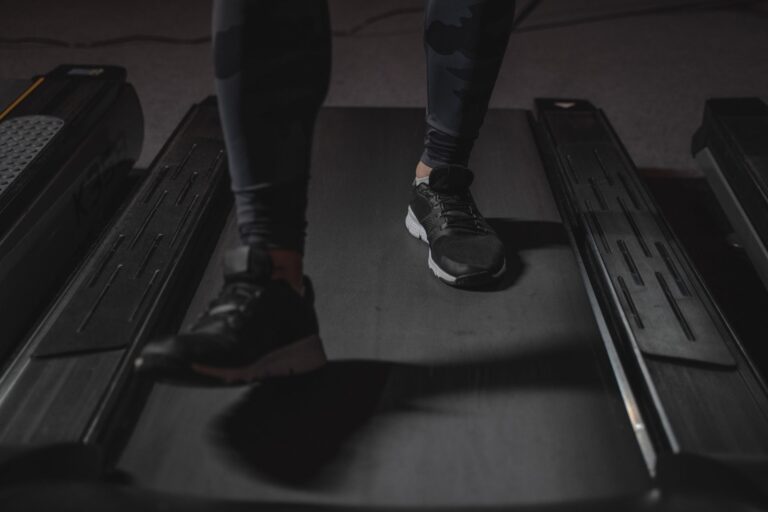
Smart treadmills with touchscreen coaching combine built-in workout instruction with digital connectivity to create an interactive home running experience. Rather than following a static instruction manual or watching a separate device, you’re running on a machine that displays a trainer, tracks your metrics in real-time, and adjusts difficulty based on your performance—all on an integrated screen. For example, on a Peloton Treadmill, a trainer appears on the touchscreen, calls out splits and encouragement as you run, and the belt automatically inclines or declines based on the workout program, creating a structured interval session without you adjusting settings manually.
This technology bridges the gap between traditional treadmills and premium fitness classes. Instead of paying $25 per session for a boutique run studio, you get access to hundreds of on-demand and live-coached workouts at home, with coaching that responds to your actual effort and pace. The touchscreen is more than just a display—it’s the control center for everything the machine does.
Table of Contents
- How Do Smart Treadmills with Touchscreen Coaching Actually Work?
- Interactive Training Features and Real-Time Feedback Systems
- Coaching Programs and Personalization Options Available
- Choosing the Right Smart Treadmill for Your Budget and Space
- Technical Issues and Connectivity Problems to Watch For
- Integration with Fitness Apps and Comprehensive Data Tracking
- The Future of Smart Treadmill Coaching and Emerging Trends
- Conclusion
- Frequently Asked Questions
How Do Smart Treadmills with Touchscreen Coaching Actually Work?
Smart treadmills have a connected processor, a motor that can adjust speed and incline automatically, and a tablet-sized touchscreen mounted on the console. The screen runs a proprietary app (like Peloton Digital, Nordictrack iFit, or Apple Fitness+) that streams video coaching, displays real-time data about your run, and communicates with the treadmill’s motor to sync difficulty changes. When a coach on the screen cues an incline interval, that command sends to the motor instantly, and the belt physically changes grade without your input.
Sensors under the belt track your cadence, pace, and whether you’re keeping up with the workout target. This integration is what separates a smart treadmill from a regular treadmill with a Bluetooth speaker playing a podcast. A Nordictrack treadmill with iFit, for instance, includes automatic incline/decline that adjusts as you follow trails through various mountains and landscapes—the screen shows a video of a scenic trail, and the machine changes grade to mimic the terrain. On standard machines without this feature, you’d have to manually punch the incline button every time, breaking your focus and making structured intervals difficult to follow.

Interactive Training Features and Real-Time Feedback Systems
The heart of touchscreen coaching is live and on-demand instructor feedback combined with metric tracking. Most platforms display your current pace, heart rate (if you sync a monitor), distance, and calories burned in large, easy-to-read formats that update every few seconds. Trainers often acknowledge your effort verbally—”I see you’re pacing well” or “dial it in, we’re hitting tempo”—though these are pre-recorded cues triggered by your actual performance data, not live commentary. Some services, like Apple Fitness+ and Peloton, offer true live classes where instructors teach to real-time participant data, though the individual feedback is limited to leaderboard rankings rather than personal callouts.
One important limitation to understand is that while the screen provides excellent motivation and structure, the coaching is still finite in scope. A touchscreen treadmill can’t assess your running form from above, provide form corrections based on your movement, or personalize advice if you have specific injuries or mobility issues. If you’re training for a marathon and need nuanced guidance on pacing strategy or periodization, a smart treadmill’s workout library—even a library of hundreds of sessions—is a starting point, not a replacement for a dedicated running coach. The feedback is motivational and data-driven, but not diagnostic.
Coaching Programs and Personalization Options Available
Most smart treadmill platforms organize workouts into programs lasting 4 to 12 weeks, focused on outcomes like building endurance, improving speed, training for a race, or losing weight. When you start, the app asks about your fitness level, current running pace, and goals, then recommends workouts that align with your profile. A Nordictrack user training for a 5K might be assigned progressively harder tempo and interval sessions over six weeks, while a beginner might follow a couch-to-5K style ramp focusing on run-walk intervals and building aerobic base. On Peloton, you can filter workouts by duration, difficulty rating, music genre, and trainer, giving you a customizable menu even within a pre-structured program.
For example, if you’re returning to running after a break, a Peloton program might start with 20-minute easy runs at a conversational pace with a trainer speaking about injury prevention and gradual return to fitness. By week four, the sessions include mile repeats or hill climbs, and the trainer’s cues shift to focus on tempo and effort level. Some platforms let you update your fitness level mid-program; if workouts feel too hard, you can adjust your pace zone, and future sessions recalibrate accordingly. However, this personalization works best when you actually complete the workouts and provide feedback—skipping sessions or ignoring the prescribed difficulty will throw off future recommendations.

Choosing the Right Smart Treadmill for Your Budget and Space
Smart treadmills range from roughly $1,200 to $4,000+, with significant feature gaps at different price tiers. Entry-level options like Sunny Health & Fitness or Bowflex touchscreen treadmills ($1,200–$1,800) include a smaller screen, fewer pre-loaded coaching programs, and slower processors, but they still deliver basic interactive workouts and incline automation. Mid-range machines like Nordictrack (around $2,000–$2,500) offer larger screens, hundreds of iFit workouts, and reliable automatic incline. Premium options like Peloton Tread ($2,495) and high-end Nordictrack models ($3,500+) feature larger 4K screens, faster responsiveness, and exclusive programming. The trade-off to consider is ongoing cost.
Buying the treadmill is just the entry fee; most platforms require a monthly membership ($10–$40/month) to access their full workout library. Peloton Digital costs $14.99/month, while Nordictrack iFit starts at $15/month but can be bundled with the machine purchase at a discount. If you buy a $1,500 treadmill with a $15/month subscription, you’re paying roughly $2,300 over the machine’s first five years, plus the cost of electricity and eventual repairs. An older, non-smart treadmill costs less upfront and has no subscription, but you forfeit the coaching automation and structured programs that many runners find motivating. Your choice depends on whether you value the interactive coaching experience enough to justify ongoing costs.
Technical Issues and Connectivity Problems to Watch For
Smart treadmills rely on WiFi to stream video and sync coaching cues. If your internet connection drops or is slow, the video quality degrades, the screen may lag, or the treadmill might fail to sync incline changes with the on-screen cues, creating a jarring mismatch between what you see and what the machine does. This is most problematic during live classes; if you drop connection mid-workout, you may miss several minutes of coaching and have to restart. This isn’t a deal-breaker for most home setups, but if your WiFi is unstable or spotty in your workout room, a smart treadmill requires you to either upgrade your router or run an ethernet cable to the machine—adding setup complexity. A second limitation is software obsolescence.
Proprietary apps like Peloton Digital and Nordictrack iFit depend on the company maintaining their servers and releasing regular updates. If a manufacturer goes bankrupt or discontinues a product line, you might lose access to the coaching features even if the treadmill’s motor still works. Peloton, for instance, faced financial difficulty in 2022, sparking concern among buyers about the longevity of the platform. While the company survived and continues operations, it’s a reminder that buying a smart treadmill isn’t just a hardware purchase—it’s a commitment to relying on a company’s service. Used smart treadmills from defunct or unsupported platforms may still run, but coaching content might be unavailable or restricted.

Integration with Fitness Apps and Comprehensive Data Tracking
Most smart treadmills sync with Apple Health, Strava, or other fitness apps, allowing your treadmill workouts to log alongside your outdoor running data. A runner using Strava can see that Tuesday’s 8K treadmill run at 5:45/km pace sits chronologically and statistically with their weekend 20K outdoor long run, all in one place. Heart rate data from a wearable synced to the treadmill’s app flows into your overall fitness dashboard, letting you see trends in resting heart rate, max effort, or VO2 max estimates over months of training.
However, treadmill-recorded pace and distance aren’t always directly comparable to outdoor running due to differences in how sensors calculate metrics. A treadmill’s distance is based on belt rotation and set speed, while outdoor GPS can have accuracy variations. If your treadmill says you ran 10K at a 5:00/km average, and your outdoor running shows faster paces at that same perceived effort, it’s worth checking if the treadmill’s belt is slightly miscalibrated or if wind and hills outdoors genuinely slow you down—both are common. Most runners don’t obsess over this discrepancy, but if you’re training for a specific race goal with precise pace targets, using outdoor runs or a GPS watch as your primary data source and the treadmill as a supplementary, controlled environment is more reliable.
The Future of Smart Treadmill Coaching and Emerging Trends
The smart treadmill market is moving toward more advanced form feedback and integration with wearable technology. Newer models are beginning to incorporate computer vision, using the treadmill’s built-in camera or a smartphone propped nearby to assess your running form and provide real-time cues about posture, cadence, or foot strike. Garmin and other sports brands are integrating treadmill data more deeply with multi-sport training platforms, creating a unified ecosystem for runners who also cycle or swim.
Voice assistant integration—asking your treadmill to start a specific workout, adjust speed, or check your progress—is becoming standard rather than novel. As these machines proliferate, competition in the subscription space is intensifying, with platforms offering more personalization and community features to retain members. Expect to see hybrid models that blend live instructor feedback with AI-generated workouts tailored to your individual training phase, and platforms that integrate coaching from multiple instructors rather than locking you into proprietary trainers. For runners, this evolution means increasingly sophisticated training tools, but also a more fragmented ecosystem where choosing the right platform and machine ecosystem—Peloton, Nordictrack/iFit, Apple Fitness+, or a newer entrant—is a bigger part of the purchase decision than the treadmill hardware itself.
Conclusion
Smart treadmills with touchscreen coaching combine structured, on-demand training with the convenience and control of home running. They excel at delivering consistent motivation, enforcing structured workout paces, and tracking detailed metrics without requiring you to manage separate subscriptions to video platforms or coaching apps. For runners who value accountability and variety in their training, the investment in a good machine and platform can be worthwhile.
Before buying, however, assess your commitment to the platform, your internet stability, and whether the subscription cost aligns with your training budget long-term. A smart treadmill is a tool that works best when integrated into a broader training plan—it’s not a substitute for understanding your own running needs or developing the self-awareness to know when a coached workout should be modified or skipped based on how you feel. If you’re drawn to the convenience of a trainer on-screen and don’t mind the recurring subscription, a smart treadmill is a solid addition to your running toolkit.
Frequently Asked Questions
Do you need a subscription to use a smart treadmill?
Yes, to access the full coaching library and interactive features, you’ll need a platform subscription. Most platforms offer basic access with limited workouts, but the majority of programs require a paid membership ($10–$40/month). Some machines bundle an initial period free, but the cost continues after the trial.
Can I use outdoor running apps like Strava or Garmin Coach with a smart treadmill?
Many smart treadmills can sync data to Strava and other fitness apps, but coaching integration varies. Most platforms don’t allow you to run an outdoor app’s workout on a treadmill since the treadmill can’t respond to pace or distance cues from a third-party app. You’re generally locked into the treadmill’s native coaching app.
How accurate is the treadmill’s pace and distance measurement?
Treadmill pace is typically accurate within 1–3%, as it measures belt rotation. However, it doesn’t account for wind, outdoor terrain, or the muscular demand differences between treadmill and outdoor running. Most runners find treadmill paces are slightly faster than outdoor equivalent efforts, so don’t directly compare treadmill and road race paces.
What happens if the treadmill’s subscription platform shuts down?
If the company discontinues the platform, access to coaching content may be restricted or eliminated. The treadmill’s motor and basic functions will still work, but the interactive features that make it “smart” could become unavailable. This is a real risk, especially with smaller or less stable brands.
Do I need a smart treadmill to get coached running workouts at home?
No. You can run on a regular treadmill while following a podcast, YouTube video, or app-based coaching on a separate device. A smart treadmill automates incline changes and offers seamless integration, but they’re not essential for following structured training.
Can smart treadmills assess or correct my running form?
Current models offer limited form feedback, mainly motivational cues from coaches. Some newer machines are integrating computer vision for form analysis, but most platforms can’t diagnose biomechanical issues or provide physical therapy-level corrections. For detailed form work, a video analysis with a running coach is still the gold standard.