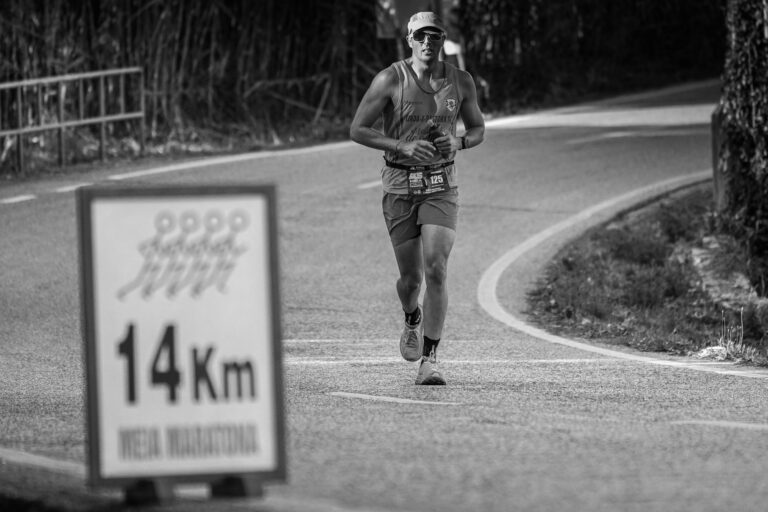
Running with asthma is not just possible—it’s medically safe for most people with well-controlled asthma. The key difference is preparation. A runner with asthma needs to work with their doctor to identify which inhaler to use before exercise, understand their specific triggers, and gradually build aerobic fitness the same way anyone else would. For example, a 28-year-old woman with mild persistent asthma might use her rescue inhaler 15 minutes before a run, start with walk-run intervals instead of continuous miles, and discover that autumn runs trigger more symptoms than summer ones—information she can then use to adjust her training.
The assumption that asthma automatically disqualifies someone from running comes from outdated thinking. Elite athletes with asthma compete at Olympic levels. What matters is knowing your asthma type, having the right medication plan, and respecting your body’s signals. This isn’t complicated, but it does require a conversation with your doctor before you lace up for your first run.
Table of Contents
- What Type of Asthma Do You Have, and Does It Affect Running?
- How Exercise-Induced Bronchoconstriction Works and Why It Happens
- How to Get Medical Clearance Before Your First Run
- Breathing Techniques and Pacing Strategies That Actually Work
- Warning Signs That Mean You Should Stop Running
- Using Your Rescue Inhaler Before Runs
- Choosing Where and When to Run
What Type of Asthma Do You Have, and Does It Affect Running?
Asthma comes in different forms, and knowing yours changes how you approach running. Some people have mild intermittent asthma that barely affects daily life but flares during intense exercise. Others have persistent asthma that requires daily maintenance medication. Still others develop exercise-induced bronchoconstriction specifically during or shortly after vigorous activity—their asthma is almost entirely triggered by exertion, not by allergens or infections.
Ask your doctor which category fits you. This determines whether you need a rescue inhaler before runs, a daily controller medication, or both. A person with exercise-induced bronchoconstriction alone might need nothing except a rescue inhaler 15 minutes before a workout. A person with moderate persistent asthma might need both a daily inhaler (like fluticasone or montelukast) and a rescue inhaler before running. The distinction matters because it shapes your actual routine.
How Exercise-Induced Bronchoconstriction Works and Why It Happens
When you breathe hard during running, you pull cold or dry air into your airways faster than normal. This rapid air exchange can trigger airway inflammation and tightening in people with asthma. The response usually peaks 5 to 10 minutes after you stop running—not necessarily during the run itself. This is why some runners feel fine while running but struggle to breathe on the cool-down walk.
The mechanism is different from allergic asthma. Your airways aren’t reacting to pollen or pet dander; they’re reacting to temperature change, air dryness, and breathing intensity. Warming up slowly, breathing through your nose when possible, and using a rescue inhaler 15 minutes before exercise can prevent most episodes. The limitation here is that exercise-induced bronchoconstriction doesn’t always respond to rescue inhalers alone. Some runners need both a rescue inhaler and a daily controller medication to run comfortably, even if their asthma is otherwise mild.
How to Get Medical Clearance Before Your First Run
Before you start a running program with asthma, schedule an appointment with your doctor—ideally someone who knows asthma well, like a pulmonologist or allergist, though your primary care doctor can help too. Bring a list of questions: Is my asthma well-controlled right now? What medication should I use before running? What heart rate or breathing difficulty should stop me mid-workout? Do I have any other conditions that affect exercise? Your doctor may order baseline lung testing (spirometry) to measure how well your lungs function. This gives you a starting point and helps detect exercise-induced bronchoconstriction specifically.
For example, a spirometry test might show your lungs work at 85 percent of expected capacity at rest, but drop to 70 percent after a short run—a sign of exercise-induced changes that your medication can address. Get a written asthma action plan from your doctor. This plan should specify your rescue inhaler brand and dose, when to use it, and what symptoms mean you should stop running and seek help. without this plan, you’re guessing.
Breathing Techniques and Pacing Strategies That Actually Work
How and how fast you run matters more with asthma than without it. Many runners find that nasal breathing—pulling air in through the nose rather than the mouth—helps warm and humidify the air before it reaches the lungs, reducing triggering. This doesn’t mean you’ll always breathe through your nose; during faster running, mouth breathing is natural and necessary. But during easy, conversational-pace runs, nasal breathing is often feasible and protective. Pacing is equally important.
The difference between a comfortable easy run and a tempo run is significant for someone managing asthma. An easy run at a pace where you can speak in full sentences typically doesn’t trigger asthma. A faster run does. This doesn’t mean you can’t run fast—it means you build to it slowly, and you use your rescue inhaler before doing it. Compare a non-asthmatic runner who can jump into a 7-minute-mile run on day one with an asthmatic runner who might need two weeks of walk-run intervals at easy pace first. Both will eventually reach the same fitness level; the asthmatic runner just takes a more deliberate path.
Warning Signs That Mean You Should Stop Running
Some breathing difficulty during running is normal. Some tightness in the chest is normal, especially on cold days or during the first few minutes. But there’s a line between normal hard-breathing discomfort and asthma symptoms that require stopping. Stop and sit down if you feel wheezing (a whistling sound when you breathe), persistent chest tightness that doesn’t ease, rapid or irregular heartbeat, dizziness, or confusion. These aren’t signs you’re just out of shape—they’re signs your airways are constricting enough that you need medical attention.
Use your rescue inhaler if you have it with you. If your symptoms don’t improve within 15 minutes, call for help. A limitation to acknowledge: some runners with asthma become so focused on pushing through discomfort that they ignore these warning signs. You’re not weak or slow if you need to stop. You’re being smart. Pushing through a severe asthma attack can be genuinely dangerous.
Using Your Rescue Inhaler Before Runs
The standard recommendation is to use your rescue inhaler (albuterol or levalbuterol) 15 minutes before running if you have exercise-induced bronchoconstriction. This gives the medication time to open your airways before you demand the most from them. If you forget and remember only as you’re about to run, using it immediately is still protective—it just works slightly better with that 15-minute head start.
Some runners use their rescue inhaler every time they run. Others find they only need it on cold days or when they’re running at high intensity. A 35-year-old runner with mild asthma might discover through trial and error that easy runs don’t require an inhaler, but speed work does. Track what you need; your pattern will emerge within a few weeks.
Choosing Where and When to Run
Environmental factors shape asthma symptoms more than many runners realize. Cold air, dry air, high pollen counts, and air pollution all trigger or worsen exercise-induced bronchoconstriction. If you have the flexibility to choose, run on warm or mild days rather than freezing ones, indoors during high pollen season if you’re allergic, and avoid running alongside highways during rush hour. Running routes matter.
A rural trail on a calm day is typically easier on asthma than a city run on a smoggy afternoon. If you live in a place with significant air pollution or high pollen, early morning runs often have better air quality than afternoon runs. Some runners with asthma find they can run 5 miles on a clear summer morning but struggle with 2 miles on a hazy August afternoon. Time your runs when your environment is most favorable, and don’t interpret difficulty on a bad-air day as proof you’re not ready for running.
- —