
Staying active throughout life is not just about maintaining fitness—it’s about fundamentally changing how your body ages at a cellular level. The science shows that consistent physical activity can add years to your life while simultaneously improving the quality of those years. Someone who maintains moderate activity levels into their 60s and beyond typically has the cardiovascular function of someone 20 to 30 years younger, experiences fewer chronic diseases, and maintains better cognitive function than sedentary peers.
The key isn’t finding the perfect workout; it’s understanding how your body responds to movement over decades and adapting your approach as you age. The research is clear: physical activity doesn’t just help you lose weight or run faster. It triggers a cascade of biological changes—improved mitochondrial function, better blood sugar regulation, stronger bone density, and enhanced neuroplasticity—that compound over time. The difference between someone who stays active and someone who doesn’t becomes increasingly pronounced after age 40, when muscle loss accelerates at roughly 3 to 5 percent per decade in sedentary individuals, while active people lose far less.
Table of Contents
- How Does Consistent Physical Activity Change Your Body Over Time?
- The Role of Different Types of Activity and Their Long-Term Effects
- Brain Function and Neurological Benefits of Lifelong Activity
- Practical Strategies for Building Sustainable Lifelong Activity Habits
- Injury Prevention and Managing Activity as You Age
- The Social and Mental Health Dimensions of Staying Active
- Adapting Your Approach Across Life Stages
- Conclusion
How Does Consistent Physical Activity Change Your Body Over Time?
Your muscles are not static tissues. They’re responsive systems that adapt to demands placed on them. When you exercise regularly, your body increases mitochondrial density—essentially creating more power plants within each cell. This is why an active 70-year-old might have better aerobic capacity than a sedentary 40-year-old. The improvements aren’t just cosmetic; they translate into real functional benefits like being able to carry groceries, play with grandchildren, or recover quickly from illness.
One of the most significant changes is improved metabolic flexibility—your body’s ability to switch between burning glucose and fat for fuel. Sedentary individuals become metabolically inflexible, increasingly dependent on glucose, which leads to insulin resistance and higher diabetes risk. Active people maintain the ability to efficiently use multiple fuel sources, which protects them against metabolic disease. The comparison is striking: a person who walks regularly and does some strength training might have insulin sensitivity comparable to someone 15 years younger. Beyond metabolism, consistent activity strengthens bones, improves balance, and maintains the neural pathways required for coordination—all critical factors in preventing falls and maintaining independence in later years.

The Role of Different Types of Activity and Their Long-Term Effects
Not all movement is created equal. While any activity beats sedentary living, different types of exercise provide distinct benefits that compound differently over time. Aerobic activity like running or cycling builds cardiovascular capacity and endurance. Strength training preserves muscle and bone density, which become increasingly important after age 50 when loss accelerates. Flexibility and balance work prevent falls, which is a leading cause of disability in older adults. The ideal approach combines all three, but most people can’t maintain an intensive program indefinitely.
Here’s the limitation: many people assume that the exercise habits that worked at 30 will work at 60. They don’t. Joints become more fragile, recovery takes longer, and the risk of overuse injury increases. A runner who logs 40 miles per week at 25 might sustain that load, but the same volume at 55 often leads to injury. This is why longevity athletes often reduce intensity while maintaining or even increasing frequency and duration. Research on centenarians shows that those who stayed active rarely followed intense training programs; instead, they maintained consistent, moderate activity—daily walking, some gardening or household activity, and regular social engagement that included movement.
Brain Function and Neurological Benefits of Lifelong Activity
Physical activity is one of the most powerful tools for preserving cognitive function as you age. Exercise increases production of brain-derived neurotrophic factor (BDNF), a protein essential for learning and memory. Active individuals have larger hippocampi—the brain region critical for memory—than sedentary peers. This isn’t theoretical; studies show that people who maintain regular aerobic activity have significantly lower rates of cognitive decline and dementia. Someone who runs or exercises consistently in middle age isn’t just protecting their body; they’re protecting their brain. The effect becomes more pronounced with age.
A 65-year-old who has exercised consistently for decades may perform as well on cognitive tests as someone 20 years younger. The benefits extend beyond memory to executive function, attention, and processing speed. Even modest increases in activity show results; people who go from sedentary to moderately active see cognitive improvements within weeks. One important caveat: the cognitive benefits require sustained activity. You can’t “bank” fitness by exercising intensely for a few years and then stopping. The brain adapts to your current activity level, not your historical activity.

Practical Strategies for Building Sustainable Lifelong Activity Habits
The biggest mistake people make is viewing fitness as a project with a finish line. “I’ll get in shape” often means getting in shape for a specific event, after which activity drops. True longevity comes from making activity a permanent feature of daily life. This means finding activities you actually enjoy—not what you think you should do. A person who hates running won’t run for 40 years, but someone who loves hiking or cycling might maintain that for decades. The specific activity matters far less than the consistency and the enjoyment.
Building sustainable habits also means adapting to life changes rather than abandoning activity entirely. When you become a parent, you don’t quit moving; you incorporate activity into parenting—playing with kids, walking instead of driving short distances. When you transition to a desk job, you establish new patterns like lunch walks or morning workouts. When aging or injury forces changes, you modify rather than quit. The comparison is telling: people who view activity as flexible and adaptable maintain it for decades, while those who have a rigid “program” often abandon it when circumstances change. Another tradeoff to consider: building sustainable habits often means accepting lower intensity or performance in exchange for consistency. You may never run as fast as you did at 30, but if you maintain regular running, you’ll be faster and fitter than peers who stopped.
Injury Prevention and Managing Activity as You Age
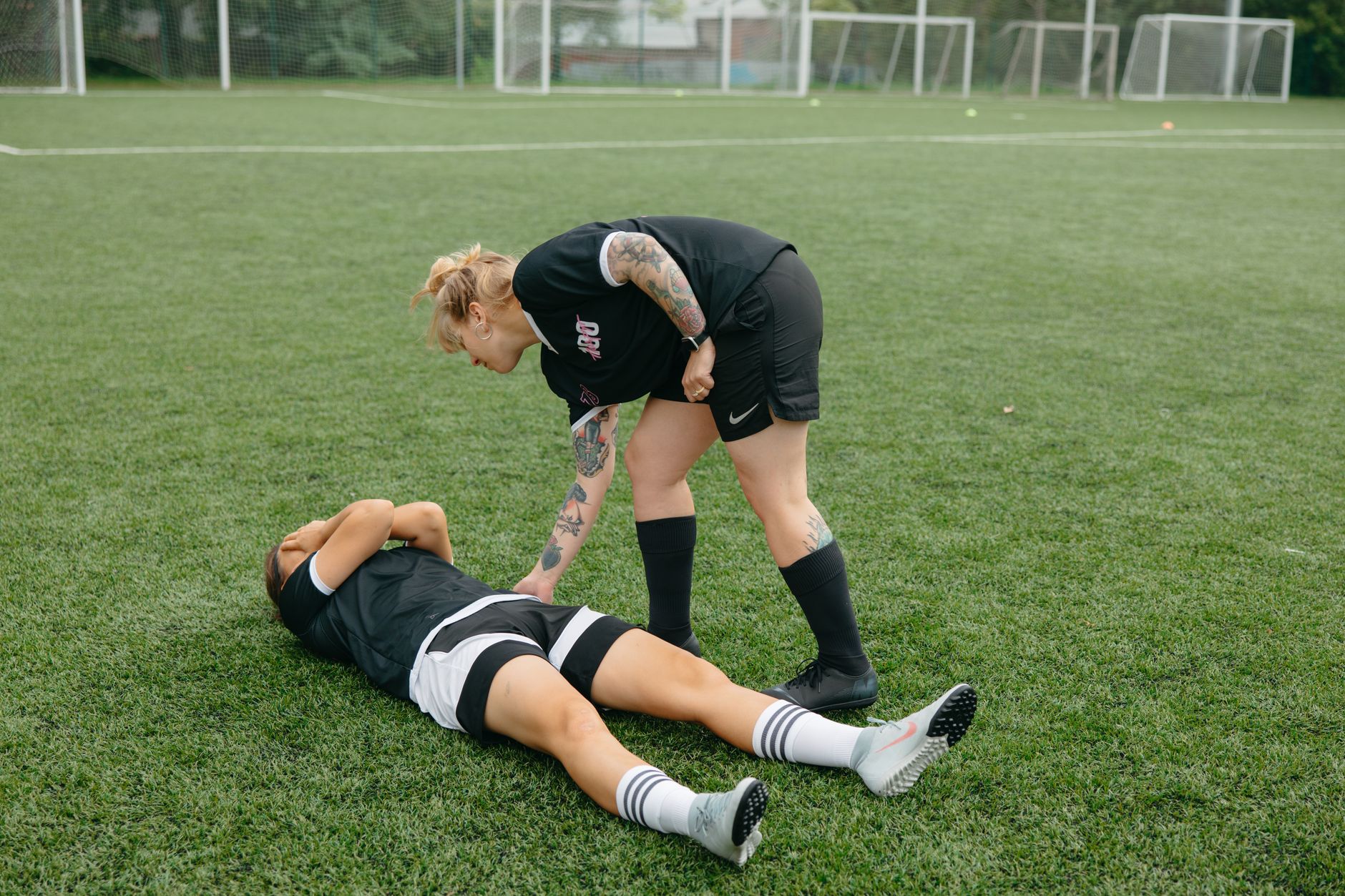
As you age, the relationship between activity and injury shifts. In youth, overuse injuries typically occur from doing too much of something new. In midlife and beyond, injuries often result from deconditioning—taking on activity your body hasn’t been prepared for. A 50-year-old who sits all week and then attempts a competitive 5K is at higher risk than someone who runs consistently at lower intensity. This is why gradual progression becomes increasingly important. The general rule of increasing volume by no more than 10 percent weekly is even more critical for older athletes.
A significant limitation of “no pain, no gain” mentality is that it increases injury risk in older athletes. Sharp pain is a warning; ignoring it can lead to serious damage. Persistent soreness that lasts beyond a few days is a signal to reduce intensity. Active people who stay active for decades learn to differentiate between discomfort (normal adaptation) and pain (tissue damage). Recovery also requires more attention; younger athletes might recover from hard efforts with a day’s rest, while someone over 50 might need 48 to 72 hours. Incorporating more rest days and easier weeks isn’t weakness; it’s adaptation.
The Social and Mental Health Dimensions of Staying Active
Activity doesn’t happen in a vacuum. The social aspects of moving—whether running with a group, playing recreational sports, or exercising at a gym—significantly influence long-term adherence. People who exercise with others are far more likely to maintain habits than those who exercise alone. A running club member is more likely to show up to workouts in bad weather than a solo runner, not because they’re more disciplined, but because they have social accountability.
The mental health benefits of activity are equally important: exercise is one of the most effective treatments for depression and anxiety, often matching or exceeding medication in clinical trials. Activity also provides a sense of purpose and mastery that becomes increasingly important as people age. Staying active means maintaining goals—running a faster 5K, completing a longer trail, or simply moving without pain. These goals provide meaning and direction. Research on aging suggests that people who maintain physical challenges and goals experience higher life satisfaction and slower cognitive decline than those without such goals.
Adapting Your Approach Across Life Stages
The most successful long-term active people don’t maintain the same routine for 50 years; they evolve it. A runner might do speed work in their 30s and 40s, shift to longer, easier runs in their 50s, and focus on consistency and injury prevention in their 60s and beyond. The underlying activity remains, but the specifics adapt. This flexibility is crucial.
Research on masters athletes—people who continue competitive activity into their 60s, 70s, and beyond—shows that those who adapt their training based on recovery capacity and changing body responses maintain activity longer and stay healthier than those who try to replicate younger training approaches. Looking forward, as our population ages, we’re learning more about what sustains activity across the lifespan. The emerging evidence suggests that the future of longevity isn’t about intense training; it’s about consistent, moderate activity maintained from youth through the final decades of life, combined with strength work to preserve muscle and bone. The 80-year-old who walks daily, does some light strength training, and stays socially engaged through activity is the model that modern aging research supports.
Conclusion
The science of staying active for life is fundamentally about understanding that your body is dynamic—it responds to what you ask it to do. Consistency trumps intensity, adaptation beats rigidity, and sustainable enjoyment beats guilt-driven obligation. The specific activities matter less than the commitment to move, to challenge yourself appropriately, and to adjust your approach as you age. Whether it’s running, walking, cycling, swimming, or any other form of movement, the goal is to create a lifestyle where activity is woven into daily life, not separated from it.
Starting or maintaining an active lifestyle at any age is possible, but the earlier you build these habits and understanding, the greater the compounding benefits. If you’re already active, the priority is adapting your approach to sustain activity across decades rather than chasing performance peaks. If you’re beginning to move more, focus on consistency and finding activities that bring genuine enjoyment. The best exercise regimen is the one you’ll maintain for the next 30, 40, or 50 years—and the science shows that when you do, the rewards in health, function, and quality of life are substantial.


