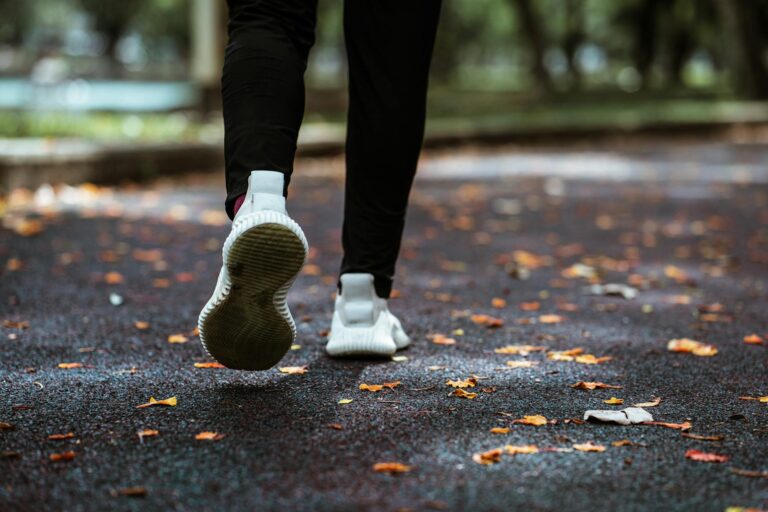
The same shoes on two surfaces can create a very different long run experience, transforming what should be a routine training session into either a breakthrough workout or a frustrating slog. This phenomenon catches many runners off guard, particularly those who have settled into a comfortable road running routine and decide to venture onto trails, or vice versa. The footwear that feels perfectly supportive on smooth asphalt can become unstable and uncomfortable on technical terrain, while shoes designed for soft surfaces may feel harsh and unforgiving when pounding pavement for extended distances. Understanding how surface type interacts with your running shoes matters enormously for injury prevention, performance optimization, and overall enjoyment of the sport.
Runners often invest considerable money and research into selecting the right shoes, yet fail to account for how dramatically their chosen footwear will perform across different environments. A twenty-mile long run on concrete places entirely different demands on both the runner and the shoe compared to the same distance on packed dirt trails, grass, or mixed terrain. The cushioning systems, outsole patterns, and structural elements that excel in one context may actively work against you in another. By the end of this article, you will understand the biomechanical reasons behind these differences, learn how to evaluate your current shoes for various surfaces, and develop strategies for managing your long run experience across different terrains. Whether you are training for a road marathon but incorporate trail runs for variety, or primarily run trails but need to log some road miles, this knowledge will help you make smarter decisions about footwear, training surfaces, and how to structure your long runs for optimal results.
Table of Contents
- Why Do the Same Shoes Feel So Different on Two Running Surfaces?
- Understanding Surface Impact Forces and Shoe Cushioning During Long Runs
- How Two Different Surfaces Affect Long Run Biomechanics and Gait
- Choosing the Right Long Run Shoes for Your Primary Training Surface
- Common Problems When Using Road Shoes on Trails and Trail Shoes on Roads
- The Role of Shoe Rotation in Managing Multi-Surface Training
- How to Prepare
- How to Apply This
- Expert Tips
- Conclusion
- Frequently Asked Questions
Why Do the Same Shoes Feel So Different on Two Running Surfaces?
The primary reason the same shoes produce such different long run experiences across surfaces comes down to how the shoe’s design interacts with ground reaction forces. Every time your foot strikes the ground, forces travel upward through the shoe, into your foot, and throughout your kinetic chain. On hard surfaces like concrete or asphalt, these forces are sharp and repetitive, with the surface offering virtually no give. Your shoe’s midsole must absorb nearly all the impact, and its ability to do so determines how your legs feel at mile fifteen versus mile five.
On softer surfaces like dirt trails or grass, the ground itself absorbs a significant portion of that impact energy, fundamentally changing what you need from your footwear. The outsole traction pattern creates another major variable in surface-dependent performance. Road running shoes typically feature flat or minimally treaded outsoles designed to maximize contact with smooth pavement, providing grip through rubber compound stickiness rather than mechanical bite. Take those same shoes onto a muddy trail or loose gravel, and that flat outsole becomes a liability, forcing your stabilizing muscles to work overtime as your foot slips and slides with each stride. The accumulated fatigue from this constant micro-correction becomes significant during long runs, leaving you with sore hips, fatigued ankles, and a general sense that something was off even if you cannot pinpoint exactly what.
- **Cushioning response varies by surface hardness**: A shoe with moderate cushioning may feel adequately soft on trails but punishingly firm on concrete
- **Stability features work differently on uneven terrain**: The same medial post that controls overpronation on roads may feel restrictive when navigating roots and rocks
- **Energy return characteristics shift with surface compliance**: The bouncy feel of a super-foam midsole diminishes on soft surfaces that absorb that energy before it can return to the runner

Understanding Surface Impact Forces and Shoe Cushioning During Long Runs
The physics of running surfaces reveals why identical shoes create vastly different long run experiences. Concrete, the hardest common running surface, has a coefficient of restitution near zero, meaning it returns almost none of the energy absorbed during impact. Your shoe must handle everything. Asphalt proves slightly more forgiving, roughly fifteen percent softer than concrete, which explains why many runners prefer road shoulders to sidewalks. Packed dirt trails absorb approximately forty percent more impact than asphalt, while grass and softer trail surfaces can absorb up to sixty percent of ground reaction forces before they reach your shoes.
This surface variability directly affects how your shoe’s cushioning system performs over the course of a long run. Modern midsole foams are engineered to compress and rebound millions of times throughout a shoe’s lifespan, but they perform within designed parameters. When running on concrete, that foam compresses more deeply and more rapidly than intended, accelerating breakdown and diminishing the cushioning you feel as miles accumulate. The same foam running on trails stays within its optimal compression range longer, maintaining consistent feel throughout the run. This partially explains why many runners report that shoes seem to “die” faster when used primarily for road running.
- **Impact forces on concrete average 2.5 to 3 times body weight** per footstrike, demanding maximum cushioning response from shoe materials
- **Trail surfaces reduce peak impact forces by 20-40 percent**, allowing shoes with less cushioning to feel comfortable for long distances
- **Accumulated impact over a marathon distance** equals lifting approximately 1,500 tons on roads versus roughly 1,000 tons on softer surfaces
- **Midsole temperature increases with repeated compression**, affecting foam responsiveness; harder surfaces cause greater heating and faster performance degradation
How Two Different Surfaces Affect Long Run Biomechanics and Gait
Beyond cushioning, running surface profoundly influences your biomechanics in ways that interact with shoe design. On smooth, predictable roads, runners typically develop efficient, repetitive gait patterns with consistent stride length and cadence. The shoe’s structure supports this repetition, with stability features and cushioning positioned precisely where each footstrike lands. Trail running demands constant adaptation, shorter strides on technical sections, lateral movements around obstacles, and variable foot placement that contacts different parts of the shoe throughout each mile.
This biomechanical variability explains why a shoe that feels stable and supportive on roads might seem unpredictable on trails. Road shoes often feature pronounced heel-to-toe drop and structured cushioning geometry optimized for straight-line running. On trails, where footstrikes come at angles and the terrain forces lateral loading, this same geometry can feel awkward or even promote ankle rolls. Conversely, trail shoes with lower drops and more flexible forefoot construction allow the natural foot adaptation that variable terrain demands, but those same features may contribute to calf fatigue or Achilles strain during long road runs.
- **Cadence typically increases 5-10 percent on technical trails** compared to road running at the same effort level
- **Ground contact time varies significantly** between surfaces, averaging 250 milliseconds on roads versus 200-220 milliseconds on trails due to quicker turnover
- **Proprioceptive demand increases dramatically on uneven surfaces**, changing which foot muscles engage and potentially creating unfamiliar fatigue patterns

Choosing the Right Long Run Shoes for Your Primary Training Surface
Making informed decisions about long run footwear requires honest assessment of where you actually train versus where you think you train. Many runners overestimate their trail mileage or underestimate how much road running their training includes. Tracking your surfaces over a few weeks reveals the true breakdown and helps guide shoe selection. If more than seventy percent of your long runs occur on a single surface type, optimizing for that surface makes sense. Mixed-terrain runners face harder choices and may need to accept some compromise or maintain multiple pairs.
For predominantly road runners, prioritizing cushioning durability and responsiveness matters most. Look for shoes with proven midsole foams that maintain their properties over hundreds of miles, and consider how the stack height and heel-toe drop match your running form. Heel strikers generally benefit from more cushioning and higher drops, while midfoot and forefoot strikers may prefer lower-profile options. Trail-focused runners should prioritize outsole traction for their typical terrain, whether that means aggressive lugs for muddy conditions or stickier rubber compounds for rocky, dry surfaces. Lateral stability and toe protection become more important than maximum cushioning for most trail applications.
- **Stack height sweet spot for road long runs falls between 30-40mm** for most runners seeking cushioning without instability
- **Outsole rubber hardness affects both durability and grip**: softer compounds wear faster but provide better traction
- **Drop preference should match your running style** rather than follow trends; changing drop significantly requires gradual adaptation
- **Shoe weight becomes more significant as distance increases**, with each additional ounce requiring measurably more energy over twenty miles
Common Problems When Using Road Shoes on Trails and Trail Shoes on Roads
The most frequent mistake runners make involves using heavily cushioned road shoes for trail long runs. While the soft feel seems appealing, these shoes typically lack the lateral stability and traction that trails demand. The result: ankle instability, particularly as fatigue sets in during the latter miles. Runners report feeling like they are running on unstable platforms, with the thick, soft midsole amplifying every root and rock rather than providing a stable foundation. Hot spots and blisters often develop in unfamiliar locations as the foot slides and shifts inside the shoe while navigating technical terrain.
Using trail shoes for road long runs creates the opposite set of problems. The aggressive lugs that bite into soft terrain become pressure points on hard pavement, creating localized discomfort that intensifies over distance. Trail shoes typically offer less cushioning volume than road equivalents, which feels fine when the ground absorbs impact but becomes punishing mile after mile on concrete. The stiffer heel counters and toe bumpers designed to protect feet from trail hazards add unnecessary weight and restrict natural foot movement on smooth surfaces. Many runners also notice that trail shoe outsoles wear dramatically faster on roads, sometimes losing significant tread depth in just a few hundred miles of pavement running.
- **Ankle sprain risk increases significantly** when running technical trails in shoes lacking lateral support
- **Metatarsal stress and forefoot pain** commonly develop when using low-cushion trail shoes for long road runs
- **Outsole wear patterns become uneven** when shoes are used on surfaces they were not designed for
- **Break-in blisters may reappear** when switching surfaces, as foot movement patterns shift within the same shoe

The Role of Shoe Rotation in Managing Multi-Surface Training
Maintaining separate shoes for different surfaces solves many problems associated with mixed-terrain training. Beyond optimizing performance for each surface, shoe rotation extends the lifespan of each pair by allowing midsole foams adequate recovery time between runs. Research suggests that EVA and similar foams require at least 24 hours to fully recover their cushioning properties after a long run, and rotating between multiple pairs can increase total mileage per shoe by 20-30 percent. For runners training for events on specific surfaces, having dedicated shoes allows precise adaptation to race-day conditions.
The practical application involves keeping at least two pairs in rotation: one optimized for your primary training surface and another for secondary terrain. Some runners add a third pair of neutral shoes for recovery runs or gym work. This approach requires greater initial investment but typically proves cost-effective over a training cycle while reducing injury risk from surface-inappropriate footwear. Track your mileage on each pair separately and note which surfaces each shoe covers to make informed retirement decisions when cushioning inevitably degrades.
How to Prepare
- **Audit your training surfaces over two to three weeks** by tracking exactly where you run. Note the percentage breakdown between concrete, asphalt, packed trails, technical trails, grass, and track surfaces. This data reveals your actual training composition rather than your assumed breakdown.
- **Evaluate your current shoes’ surface suitability** by examining outsole wear patterns, testing lateral stability on uneven ground, and honestly assessing how your legs feel after long runs on different surfaces. Diagonal wear patterns often indicate surface mismatch.
- **Research footwear options that match your surface needs** by reading reviews from runners who train on similar terrain. Pay attention to comments about durability, traction, and cushioning longevity rather than focusing solely on initial feel or appearance.
- **Plan a gradual transition if changing shoe types** by starting with shorter runs on the new surface and progressively building duration. Allow at least three to four weeks of adaptation before attempting a long run in significantly different footwear.
- **Establish a rotation system with dedicated shoes for different surfaces**, even if that means starting with just two pairs. Mark each pair clearly and track mileage separately to ensure you are wearing appropriate footwear for each session.
How to Apply This
- **Match your shoes to your planned surface before each long run** rather than simply grabbing whatever pair sits by the door. Check trail conditions, weather forecasts, and route terrain to make an informed choice.
- **Adjust your pacing expectations when switching surfaces** because the same effort level produces different speeds on roads versus trails. Use perceived exertion or heart rate rather than pace to guide long run intensity on unfamiliar terrain.
- **Monitor for unusual fatigue patterns or discomfort** that might indicate surface-shoe mismatch. Soreness in unexpected locations, such as hip fatigue on technical trails or metatarsal pain on roads, often signals that your footwear is not optimized for the surface.
- **Gradually increase long run duration on new surfaces** rather than immediately matching your road distances on trails or vice versa. The different demands require progressive adaptation even when fitness remains constant.
Expert Tips
- **Test new surface-shoe combinations on medium-length runs first** before committing to a full long run. A twelve-mile test reveals most compatibility issues without the recovery cost of a failed twenty-miler.
- **Pay attention to how your shoes feel in the final miles** because that is when surface-related problems become most apparent. Early-run comfort means little if cushioning breaks down or traction fails when fatigue sets in.
- **Consider hybrid shoes for mixed-terrain routes** where you will encounter both paved sections and trails. These compromise designs work reasonably well on both surfaces rather than excelling on either.
- **Replace shoes based on surface-specific wear** rather than total mileage alone. A shoe used primarily on concrete may be exhausted at 300 miles while the same model used on trails might last 500 miles.
- **Keep detailed notes on surface-shoe performance** in your training log, including conditions, distance, and how your legs felt afterward. This data proves invaluable for future footwear decisions and troubleshooting persistent issues.
Conclusion
The relationship between running shoes and running surfaces deserves far more attention than most recreational runners give it. Understanding why the same shoes create such different long run experiences across surfaces empowers you to make better training decisions, select more appropriate footwear, and ultimately enjoy your running more while reducing injury risk. The science is clear: surface hardness, traction requirements, and biomechanical demands vary dramatically between roads and trails, and your shoes cannot magically adapt to meet all these different needs equally well.
Moving forward, approach your footwear choices with surface specificity in mind. Evaluate your training composition honestly, invest in shoes optimized for your primary terrain, and consider rotation strategies that keep each pair performing optimally while extending overall lifespan. The relatively modest additional expense of maintaining surface-appropriate options pays dividends through better performance, reduced injury risk, and more enjoyable long runs. Your legs will thank you at mile eighteen, regardless of whether that mile lands on pavement or dirt.
Frequently Asked Questions
How long does it typically take to see results?
Results vary depending on individual circumstances, but most people begin to see meaningful progress within 4-8 weeks of consistent effort. Patience and persistence are key factors in achieving lasting outcomes.
Is this approach suitable for beginners?
Yes, this approach works well for beginners when implemented gradually. Starting with the fundamentals and building up over time leads to better long-term results than trying to do everything at once.
What are the most common mistakes to avoid?
The most common mistakes include rushing the process, skipping foundational steps, and failing to track progress. Taking a methodical approach and learning from both successes and setbacks leads to better outcomes.
How can I measure my progress effectively?
Set specific, measurable goals at the outset and track relevant metrics regularly. Keep a journal or log to document your journey, and periodically review your progress against your initial objectives.
When should I seek professional help?
Consider consulting a professional if you encounter persistent challenges, need specialized expertise, or want to accelerate your progress. Professional guidance can provide valuable insights and help you avoid costly mistakes.
What resources do you recommend for further learning?
Look for reputable sources in the field, including industry publications, expert blogs, and educational courses. Joining communities of practitioners can also provide valuable peer support and knowledge sharing.