The debate between outdoor miles and treadmill miles has persisted among runners for decades, but one aspect receives surprisingly little attention: how dramatically different these surfaces affect your running shoes. Whether you log most of your mileage on asphalt trails or the rubber belt of a gym treadmill, your footwear experiences distinct mechanical stresses, wear patterns, and performance demands that can significantly impact both shoe longevity and your running efficiency. Understanding why your shoes behave differently on these two surfaces goes beyond mere curiosity. The knowledge directly affects purchasing decisions, injury prevention strategies, and training optimization.
Many runners notice their treadmill shoes lasting longer than their outdoor pairs, or observe unusual wear patterns they cannot explain. Others find that a shoe performing beautifully on the treadmill feels entirely different during an outdoor run. These observations are not imaginary””they reflect real biomechanical and material science principles that every serious runner should understand. By the end of this article, you will grasp the specific mechanical forces at play on each surface, learn how to evaluate shoe wear patterns, understand which shoe characteristics matter most for each environment, and gain practical strategies for maximizing shoe performance and lifespan regardless of where you run. This knowledge will help you make smarter equipment choices and potentially reduce your risk of surface-specific injuries.
Table of Contents
- Why Do Running Shoes Wear Differently on Treadmills vs Outdoor Surfaces?
- The Biomechanics Behind Shoe Behavior on Different Running Surfaces
- Treadmill Belt Composition and Its Effects on Shoe Outsoles
- How to Choose Running Shoes Based on Your Primary Running Surface
- Common Shoe Wear Patterns and What They Reveal About Your Running Surface
- Temperature and Weather Effects on Shoe Performance Indoors vs Outdoors
- How to Prepare
- How to Apply This
- Expert Tips
- Conclusion
- Frequently Asked Questions
Why Do Running Shoes Wear Differently on Treadmills vs Outdoor Surfaces?
The fundamental difference between treadmill and outdoor running lies in the interaction between your shoe and the running surface. On a treadmill, the belt moves beneath your foot while you remain stationary in space. Outdoors, you propel yourself forward over a fixed surface. This distinction creates entirely different friction dynamics, impact forces, and shoe demands. Treadmill belts are designed to provide consistent, moderate friction with some inherent give. The rubber or PVC surface absorbs a portion of impact energy and creates less abrasive contact with your outsole.
Studies measuring ground reaction forces have shown that treadmill running typically produces 10-15% lower peak impact forces compared to concrete or asphalt running at equivalent speeds. This reduced mechanical stress translates directly into slower outsole degradation and less compression of midsole foam materials. Outdoor surfaces present far more variability and challenge. Concrete produces ground reaction forces approximately 10 times harder than packed dirt trails. Asphalt falls somewhere between these extremes. Beyond hardness, outdoor running exposes shoes to:.
- Abrasive particles like sand and small rocks that accelerate outsole wear
- Temperature extremes that affect foam responsiveness and rubber flexibility
- Moisture exposure from puddles, dew, and rain that can degrade adhesives
- Camber and surface angles that create asymmetric wear patterns
- Debris that can damage upper materials and clog traction features
The Biomechanics Behind Shoe Behavior on Different Running Surfaces
Your running gait changes measurably between treadmill and outdoor environments, and these alterations directly affect how your shoes perform and wear. Research from the University of Michigan found that runners typically adopt a slightly shorter stride length and higher cadence on treadmills compared to outdoor running at the same pace. This biomechanical shift reduces the horizontal braking forces that cause heel wear and decreases the push-off forces that stress the forefoot. The treadmill belt itself contributes to propulsion. Because the belt is already moving, your muscles work less to create forward momentum.
Electromyography studies have demonstrated 5-10% reduced activation in the hamstrings and gluteal muscles during treadmill running. This altered muscle recruitment pattern changes how force transmits through your shoe, particularly affecting heel counter stress and midfoot torsion. Wind resistance””or its absence””plays an underappreciated role in shoe behavior. Outdoor runners at 8:00 per mile pace face roughly 0.5 pounds of air resistance. Overcoming this resistance requires additional forward lean and altered foot strike patterns compared to the zero-wind-resistance environment of indoor treadmill running. Key biomechanical differences include:.
- Reduced ankle dorsiflexion at initial contact on treadmills
- Decreased vertical oscillation during treadmill running
- Lower eccentric loading of the Achilles tendon complex indoors
- Modified hip extension patterns affecting push-off mechanics
Treadmill Belt Composition and Its Effects on Shoe Outsoles
Treadmill belt construction varies significantly across manufacturers and models, creating notable differences in shoe interaction. Most commercial gym treadmills use a two-ply or four-ply belt consisting of a woven polyester or cotton backing laminated to a PVC or rubber top surface. Home treadmills often use thinner, single-ply constructions with different friction characteristics. The coefficient of friction between running shoe rubber and treadmill belt material typically ranges from 0.4 to 0.6″”substantially lower than the 0.7 to 0.9 range common between shoes and concrete. This reduced friction means your outsole rubber experiences less shearing stress with each footstrike.
However, the lower friction also affects proprioceptive feedback and can alter running mechanics in ways that stress shoes differently. heat generation presents a unique challenge for treadmill shoes. The continuous belt motion combined with the friction of repeated footstrikes can elevate belt surface temperature by 15-25 degrees Fahrenheit during a 45-minute session. This heat transfers to your shoe outsole, temporarily softening the rubber compound and potentially accelerating wear if the shoe material is particularly heat-sensitive. Premium treadmills with better ventilation and thicker belts manage this heat buildup more effectively. Considerations for outsole durability include:.
- Carbon rubber outsoles resist treadmill heat better than blown rubber
- Continental or Vibram rubber compounds show superior heat tolerance
- Shoes with full rubber coverage wear more evenly than exposed foam designs
How to Choose Running Shoes Based on Your Primary Running Surface
Selecting appropriate footwear for your dominant running environment requires understanding which shoe features matter most for each surface type. For primarily treadmill runners, cushioning consistency and breathability often outweigh durability concerns. Since treadmill surfaces produce lower peak forces and minimal abrasion, you can prioritize lightweight constructions with softer midsole foams that might wear too quickly outdoors. Outdoor runners need to consider durability, traction, and protection more heavily. A shoe with aggressive lugs and rock plates makes sense for trail running but becomes unnecessary””even counterproductive””on treadmill belts where the extra weight and stiffness provide no benefit.
Road runners facing varied weather conditions benefit from water-resistant uppers and outsole patterns designed to channel water away from the contact patch. The midsole foam selection matters differently for each environment. Maximum-cushion shoes with thick stacks of soft foam perform well on treadmills where the consistent surface complements the plush ride. These same shoes may feel unstable on uneven outdoor terrain or provide inadequate ground feel for technical trail running. Matching shoe characteristics to surface demands:.
- Treadmill priority features: breathability, cushion, lightweight construction, flexible forefoot
- Road running priority features: durability, reflective elements, rubber coverage, moderate stability
- Trail running priority features: traction, protection, drainage, lateral support
- Mixed-surface priority features: versatile outsole pattern, balanced cushion-to-durability ratio
Common Shoe Wear Patterns and What They Reveal About Your Running Surface
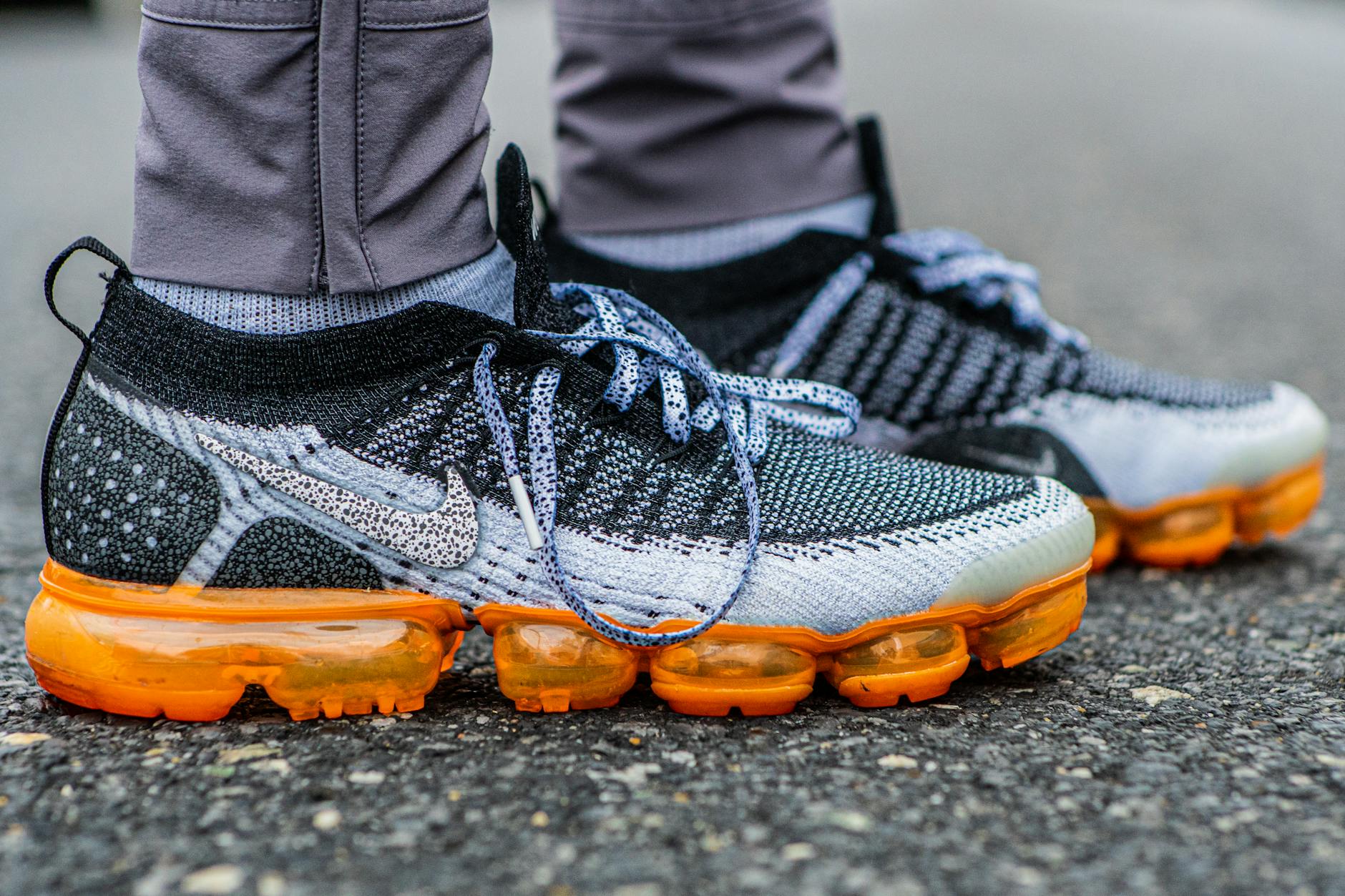
Examining your running shoes provides a diagnostic window into your biomechanics and surface exposure. Shoes worn primarily on treadmills typically show more uniform wear across the outsole with particular concentration in the heel-strike zone and forefoot push-off area. The wear pattern tends toward smoothing rather than the gouging or chunking common in outdoor shoes. Outdoor running shoes tell more complex stories. Asymmetric wear often indicates running on cambered road surfaces, where the outer foot contacts at a different angle than the inner foot.
Localized deep wear spots suggest repeated contact with specific surface irregularities””common among runners who follow the same route regularly. Torn or peeling outsole rubber points to abrasive surfaces or sharp debris encounters. The midsole compression pattern differs between environments as well. Treadmill shoes often show more even compression across the full midsole length because the belt surface does not create localized pressure points. Outdoor shoes, particularly those used on hard surfaces, may display visible compression asymmetries corresponding to dominant impact zones. Warning signs in shoe wear include:.
- Rapid lateral wear indicating potential stability issues
- Midsole wrinkling or separation from the outsole
- Upper material breakdown near the toe box from debris impact
- Heel counter deformation suggesting excessive motion control demands
- Exposed midsole foam from outsole wear-through

Temperature and Weather Effects on Shoe Performance Indoors vs Outdoors
Environmental conditions create one of the starkest contrasts between treadmill and outdoor running shoe behavior. Indoor treadmill environments maintain relatively stable temperatures, typically between 65-75 degrees Fahrenheit. This consistency allows shoe foams to perform predictably, maintaining their designed cushioning characteristics throughout your run. Outdoor running subjects shoes to temperature extremes that dramatically alter material properties. EVA and TPU foams stiffen noticeably below 40 degrees Fahrenheit, reducing cushioning effectiveness by up to 25% according to materials testing.
Conversely, temperatures above 90 degrees can cause excessive foam softening, reducing energy return and increasing compression set””the permanent deformation that accumulates with use. Rubber outsoles face similar challenges, with cold temperatures reducing flexibility and grip while heat accelerates wear. Moisture exposure outdoors accelerates shoe degradation through multiple mechanisms. Water infiltration can break down adhesive bonds between shoe components, cause foam materials to absorb water and lose their performance characteristics, and promote bacterial growth that degrades fabric components. Even humidity variations affect shoe behavior, with high humidity reducing the moisture-wicking capability of upper materials and potentially affecting fit as materials expand.
How to Prepare
- **Dedicate shoes to specific surfaces when possible.** Maintaining separate pairs for treadmill and outdoor running allows each shoe to experience consistent stresses rather than the accumulated damage from mixed-use scenarios. This approach typically extends overall shoe lifespan by 15-20% and ensures optimal performance for each environment.
- **Rotate between multiple pairs within each category.** Allowing 24-48 hours between uses of the same shoe permits midsole foam to recover from compression. Research from the Running Injury Clinic found that runners using shoe rotation experienced 39% fewer injuries than single-pair runners.
- **Inspect shoes before each run for surface-specific concerns.** Treadmill runners should check for debris embedded in outsoles that could damage belts or create uneven wear. Outdoor runners need to verify outsole integrity and lace security before encountering variable terrain.
- **Clean shoes appropriately for their exposure type.** Outdoor shoes benefit from regular debris removal and occasional gentle washing to remove abrasive particles. Treadmill shoes require less intensive cleaning but benefit from odor management given the higher sweat accumulation in temperature-controlled environments.
- **Track mileage separately for each surface.** Many runners discover their treadmill shoes last 100-150 miles longer than outdoor pairs. Accurate logging prevents retiring shoes prematurely or continuing to use degraded footwear.
How to Apply This
- **Evaluate your current shoe selection against your actual mileage distribution.** If you run 70% of your miles on a treadmill but own only road-focused shoes, consider adding a lighter, more breathable treadmill-specific option to your rotation.
- **Adjust your replacement schedule based on primary running surface.** The standard 300-500 mile replacement guideline assumes mixed-surface use. Pure treadmill runners can often extend this range by 20%, while runners on rough outdoor surfaces may need replacement sooner.
- **Monitor wear patterns monthly and photograph progression.** Visual documentation helps identify concerning patterns early and provides useful information when selecting replacement shoes or addressing recurring injury issues with sports medicine professionals.
- **Test new shoes on your primary surface before committing.** A shoe that feels excellent during a brief store test may perform very differently during a sustained treadmill session or over variable outdoor terrain. Many specialty running stores offer generous return policies that accommodate real-world testing.
Expert Tips
- Select treadmill shoes with mesh uppers and minimal overlays for maximum ventilation, as the lack of wind cooling during indoor running significantly increases foot temperature and moisture accumulation.
- For outdoor running on hard surfaces, prioritize shoes with carbon rubber outsoles rather than blown rubber; the density difference translates to roughly 20% longer wear life with only minimal weight penalty.
- Avoid storing running shoes in hot environments like car trunks or garages, as heat exposure accelerates foam degradation regardless of whether the miles came from treadmill or outdoor running.
- When transitioning from primarily treadmill running to outdoor running, expect a 2-3 week adaptation period during which muscles and connective tissues adjust to the increased mechanical demands””gradually increase outdoor mileage rather than simply transferring your treadmill volume.
- Consider the lubrication status of your treadmill belt, as poorly maintained treadmills create inconsistent friction that can accelerate outsole wear and alter running mechanics in injury-promoting ways.
Conclusion
The difference between outdoor miles and treadmill miles extends far beyond psychological preference or calorie burn calculations””it fundamentally affects how your running shoes perform, wear, and support your running goals. By understanding the distinct mechanical demands, surface interactions, and environmental factors at play, you can make more informed equipment decisions that improve both your running experience and your wallet. Your shoes serve as the critical interface between your body and the running surface, absorbing and transmitting forces that accumulate over hundreds of miles.
Whether you prefer the controlled environment of treadmill running or the variable challenge of outdoor routes, matching your footwear to your primary surface optimizes that interface. Pay attention to wear patterns, maintain appropriate rotation habits, and select shoes with features suited to your running environment. This systematic approach transforms shoe selection from guesswork into strategic equipment management that supports your training for the long run.
Frequently Asked Questions
How long does it typically take to see results?
Results vary depending on individual circumstances, but most people begin to see meaningful progress within 4-8 weeks of consistent effort. Patience and persistence are key factors in achieving lasting outcomes.
Is this approach suitable for beginners?
Yes, this approach works well for beginners when implemented gradually. Starting with the fundamentals and building up over time leads to better long-term results than trying to do everything at once.
What are the most common mistakes to avoid?
The most common mistakes include rushing the process, skipping foundational steps, and failing to track progress. Taking a methodical approach and learning from both successes and setbacks leads to better outcomes.
How can I measure my progress effectively?
Set specific, measurable goals at the outset and track relevant metrics regularly. Keep a journal or log to document your journey, and periodically review your progress against your initial objectives.
When should I seek professional help?
Consider consulting a professional if you encounter persistent challenges, need specialized expertise, or want to accelerate your progress. Professional guidance can provide valuable insights and help you avoid costly mistakes.
What resources do you recommend for further learning?
Look for reputable sources in the field, including industry publications, expert blogs, and educational courses. Joining communities of practitioners can also provide valuable peer support and knowledge sharing.