
The Pose Method, Chi Running, and Natural Running are three distinct approaches to running form, each with different philosophies and varying degrees of scientific validation. The Pose Method emphasizes a specific technique built on pulling your body forward over a midfoot landing, Chi Running focuses on alignment and mindful body awareness to reduce impact, and Natural Running advocates letting your body self-optimize based on individual biomechanics and terrain. While they share some common ground—like the 180 steps per minute cadence recommendation and emphasis on low-profile footwear—they differ significantly in their specificity and underlying science. To understand which approach might work for you, it helps to look at the evidence. The Pose Method has over 30 published studies from multiple countries backing its claims, showing approximately 50% less knee stress compared to heel striking.
Chi Running has some research supporting reduced impact on knees and hips, but with an important trade-off: it increases ankle impact. Natural Running takes a more individualized stance, assuming your body will find its most efficient pattern if you strip away restrictive shoes and movement patterns. A runner dealing with chronic knee pain, for example, might gravitate toward the Pose Method’s research-backed technique, while another runner with ankle issues might need to reconsider Chi Running despite its appeal. The critical reality that unites all three: implementing form changes without professional coaching can cause injury. This isn’t a choice between three equally safe methods—it’s about understanding what each offers, what the science actually says, and ensuring you have proper guidance when making changes.
Table of Contents
- How Do These Three Running Methods Actually Differ?
- What Does the Research Actually Show About Injury Prevention?
- The Role of Running Cadence and Foot Strike in Each Method
- Which Method Should You Actually Choose?
- The Hidden Risk When Changing Running Form
- Equipment and Footwear Across All Three Methods
- The Future of Running Form Science
- Conclusion
How Do These Three Running Methods Actually Differ?
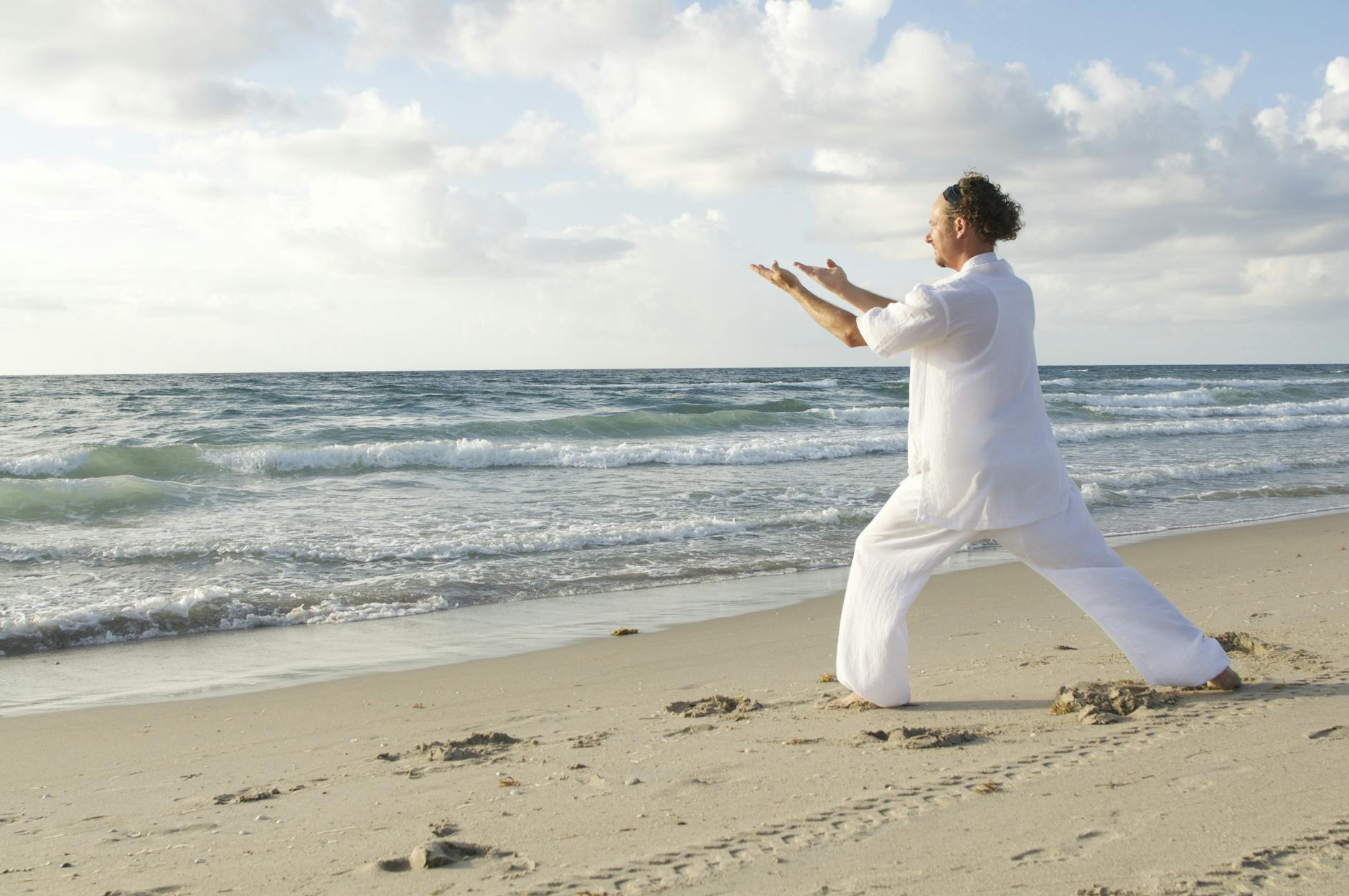
The Pose Method is the most technique-specific of the three. Developed by biomechanist Nikolai Romanov, it prescribes a particular sequence: land on your midfoot directly under your hips, maintain a slight forward lean from your ankles (not your waist), and “pull” your feet off the ground rather than pushing through your calves. This creates what Pose advocates call a “compact stride” that reduces vertical bounce and the impact forces traveling through your knees. The 2008 study published in the International Journal of Sports Science & Coaching found that runners using the Pose Method improved performance without changing their running economy—meaning they got faster without working harder, a notable finding. Chi Running, by contrast, is built on principles borrowed from tai chi. Rather than prescribing exact foot placement, it emphasizes a relaxed posture, engaging your core, and running from your “dan tien” (your center of gravity just below your navel). The idea is that when you run from your center and stay aligned, you naturally reduce impact.
However, the Journal of Orthopaedic & Sports Physical Therapy study revealed something Chi Running advocates don’t always emphasize: while the method does decrease impact on knees and hips, it increases ankle impact. This trade-off matters. A runner with existing ankle instability might find Chi Running makes their situation worse, not better. Natural Running strips away the prescriptions entirely. It assumes your body evolved to run efficiently and will do so if you remove obstacles—particularly minimal or barefoot running and freedom to move naturally. There’s wisdom here, but also risk. Your body might naturally default to patterns that worked for survival but cause injury under modern training loads. The commonality across all three is the 180 steps per minute cadence recommendation, 90-degree arm swing, and emphasis on foot-strengthening through low-profile shoes—these are nearly universal in modern running coaching, regardless of method.

What Does the Research Actually Show About Injury Prevention?
The Pose Method has the strongest research foundation of the three. With 30+ published studies across Russia, South Africa, Great Britain, New Zealand, Canada, the Netherlands, and the United States, plus five doctoral dissertations examining the method, there’s substantial evidence backing its claims. Studies consistently show reduced eccentric loading at the knee joint, shortened stride length, and reduced vertical oscillation—all factors that theoretically protect knees during long-term running. The “50% less knee stress” claim comes from this body of work, though it’s worth noting this is measured against heel striking and represents the best-case scenario. Chi Running research is thinner. Beyond the Journal of Orthopaedic & Sports Physical Therapy study, much of the evidence remains anecdotal. Runners Blueprint, which reviewed Chi Running claims, noted the method lacks rigorous scientific validation compared to the Pose Method.
This doesn’t necessarily mean Chi Running is ineffective—it means you’re relying more on testimonial evidence and less on controlled research. The ankle impact increase mentioned in the primary study is a real limitation that deserves attention; if you have a history of ankle sprains or instability, this matters. Natural Running has the least specific research because it’s deliberately individualized. There’s solid evidence that barefoot running can strengthen foot muscles and alter your gait toward midfoot striking, but whether this is universally beneficial remains contested. The danger with Natural Running is assuming that because something is “natural,” it’s automatically safe for your body under your current training load. A recreational runner who suddenly switches to barefoot running with the assumption their body will self-correct often finds themselves injured within weeks, not adapted. This method requires patience, gradual progression, and ideally professional assessment of your baseline biomechanics.
The Role of Running Cadence and Foot Strike in Each Method
All three methods converge on 180 steps per minute as the ideal cadence, regardless of your pace. This isn’t arbitrary—research shows that higher cadence reduces impact forces and shortens your stride, which is protective. When you run at 170 steps per minute, you’re over-striding. When you hit 190, you’re likely running inefficiently and tiring faster. The 180 benchmark holds across Pose, Chi, and Natural approaches, making it one of the few universals. Where they diverge is foot strike. The Pose Method explicitly teaches midfoot landing directly under your center of gravity, with a specific forward lean angle and the pull-off motion.
Chi Running doesn’t dictate foot strike as rigidly but emphasizes landing closer to your center of gravity. Natural Running often results in midfoot landing through self-optimization but doesn’t guarantee it; some runners naturally heel-strike even when running barefoot. A runner transitioning from traditional cushioned shoes with a heel-strike pattern to any of these methods needs months to build the calf strength and foot proprioception required. Rushing this transition causes Achilles tendinitis or plantar fasciitis far more often than the new form prevents injury. The 90-degree arm swing recommendation appears in coaching across all three camps. This keeps your arms efficient (not wasting energy with excessive swing), prevents wasted rotational force, and maintains forward momentum. It’s one area where the methods genuinely agree, which is telling—it suggests this element of form is defensible across different philosophies.
Which Method Should You Actually Choose?
Choosing between these methods depends on your current situation, your injury history, and your access to coaching. If you’re dealing with chronic knee pain and have the budget for coaching, the Pose Method’s research foundation makes it a rational choice. A coach certified in the Pose Method can assess your current form, identify what’s causing your knee stress, and gradually teach you the specific technique. The downside: Pose Method coaching is typically more expensive than Chi Running instruction, and the method’s specificity means you need a qualified coach rather than learning from YouTube videos. Chi Running appeals to runners who respond well to mind-body connection and visualization. If you’re someone who benefits from meditation-style awareness practices, you’ll likely connect with Chi Running’s philosophy. However, go in with realistic expectations about the research and be honest about any ankle issues. The method works beautifully for some runners and creates new problems for others.
Natural Running suits runners who are patient, injury-free, and willing to take months to transition. It’s also the most cost-effective option—you don’t need coaching (though it helps), and minimal shoes are cheaper than heavily cushioned ones. The trade-off: without guidance, you might reinforce poor patterns and develop injuries that set you back months. A runner with strong baseline biomechanics and good body awareness can often succeed with Natural Running through self-education. A runner with existing movement patterns (tight calves, hip weakness, or chronic heel striking) will struggle without professional assessment. For most runners, the answer isn’t one method—it’s assessment first. A running analysis by a physical therapist or running-specific coach should inform your choice. Your biomechanics, injury history, and training goals should guide the decision, not the popularity of a method.
The Hidden Risk When Changing Running Form
This deserves its own section because it’s the most important limitation across all three methods: form changes cause injury if done incorrectly. When you transition from one running pattern to another, you’re asking different muscles and tendons to do new work under new loads. Your calves might not have the strength for a midfoot strike. Your glutes might be weak, forcing your knees inward during a midfoot landing. Your feet might not have proprioceptive awareness after years in cushioned shoes. The Pose Method’s specificity can actually increase this risk. Runners often try to apply Pose Method principles too aggressively, over-emphasizing the forward lean or pulling the foot off the ground too forcefully.
This creates compensation patterns—like excessive hip flexion or knee strain—that feel like the method doesn’t work when actually the execution is wrong. Chi Running has a gentler learning curve, which is safer but also means change happens slowly; some runners get impatient and force the transition. Natural Running’s risk is different: runners assume barefoot equals safe and jump into high mileage too quickly, ignoring that foot strength takes time to develop. Professional coaching isn’t optional if you’re changing form significantly. It’s the only way to catch compensatory patterns before they become injuries. This means investment—money and time—that not all runners can afford. If you can’t access coaching, your safest bet is minimal form adjustments, implemented gradually over 8-12 weeks, with conservative mileage during the transition. Any sharp pain during this period is a signal to stop and reassess, not to push through.

Equipment and Footwear Across All Three Methods
All three methods emphasize low-profile, minimal shoes over heavily cushioned running shoes. The Pose Method recommends shoes with low heel-to-toe drop (4mm or less), which encourages midfoot landing. Chi Running similarly suggests lower-profile shoes that allow foot proprioception. Natural Running often involves minimal shoes or even barefoot running.
If you’re used to traditional running shoes with 10mm of drop, this transition alone can cause Achilles tendinitis. The shoe transition is slower than the form transition—many runners need 6-12 months to fully adapt. Starting with a lower-drop shoe (6-8mm) and gradually decreasing is safer than jumping straight to minimal shoes. A runner who transitioned from standard cushioned shoes to minimal footwear in two weeks while simultaneously learning the Pose Method—a not-uncommon combination—will almost certainly get injured. The rule of thumb: change one major variable at a time, and change it gradually.
The Future of Running Form Science
Running form science is moving toward individualization over prescription. The research supporting the Pose Method is robust, but it’s also clear that not every runner needs Pose Method form to run injury-free. Some runners with certain biomechanics—naturally flexible ankles, strong glutes, long legs—will thrive with slight heel strikes and longer strides.
The field is evolving from “the right way to run” toward “the right way for your body to run.” Chi Running and Natural Running philosophies align with this trend, but the risk is that individualization without guidance becomes guesswork. The future likely involves better biomechanical assessment tools, more running-specific physical therapy training, and integration of all three approaches depending on the individual runner’s needs. For now, the runner’s best strategy is to seek professional assessment before changing form and to understand that research-backed doesn’t mean universally applicable.
Conclusion
The Pose Method brings the strongest research foundation and specific technique, making it ideal for runners seeking a structured, evidence-based approach—particularly those with knee pain. Chi Running offers a gentler, mind-body focused alternative with solid research on knee and hip impact reduction, though it increases ankle stress and lacks the extensive validation of the Pose Method. Natural Running provides a cost-effective, individualized philosophy but requires patience, strong self-awareness, and ideally some professional guidance to avoid reinforcing poor patterns.
Your next step should be an honest assessment of your current situation: What injuries or pain prompted you to consider changing your form? What’s your timeline for making changes? Can you access professional coaching? The answers to these questions matter more than which method sounds most appealing. Form change is powerful—it can prevent injuries and improve performance—but only when implemented carefully. Start with professional assessment, choose a method that aligns with your needs and resources, invest in quality coaching if possible, and change gradually. The runners who succeed with form change aren’t those who pick the most fashionable method; they’re the ones who understand their body, respect the adaptation process, and have professional guidance along the way.
1 thought on “The Pose Method vs Chi Running vs Natural Running Compared”
Comments are closed.