
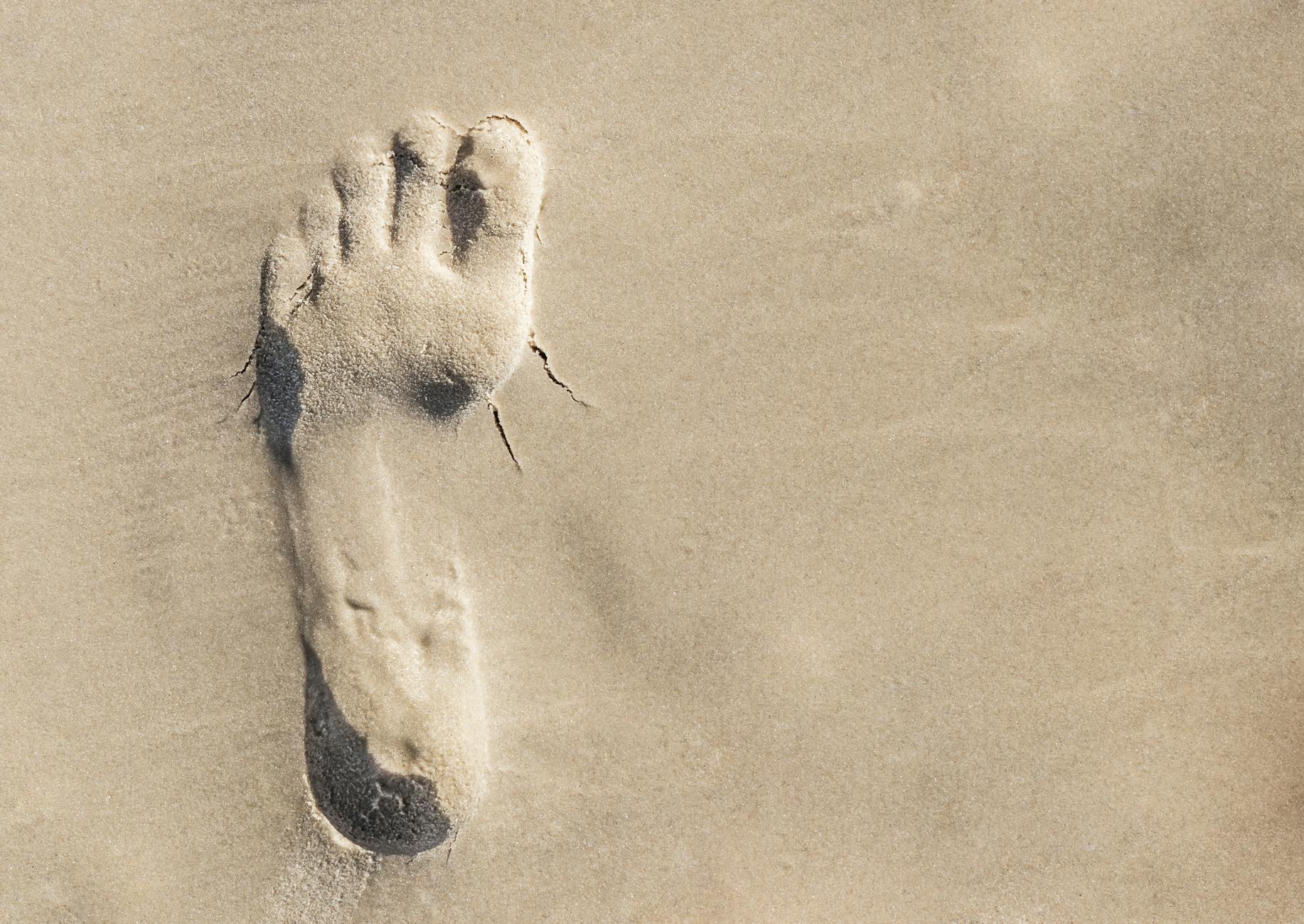
Your foot strike pattern changes when you speed up, and that’s not just fine—it’s completely normal. When you run faster, your body naturally shifts from a heel-heavy landing toward midfoot or forefoot contact. This isn’t a flaw in your running form that needs correcting. It’s biomechanics. Your neuromuscular system automatically adjusts your landing mechanics as you demand more from your legs, and this adjustment is one of the elegant ways your body adapts to different running demands.
If you’ve noticed yourself landing differently during a tempo run compared to your easy jog, you’re experiencing something that research confirms happens to nearly every runner. The numbers back this up clearly. When running speed increases by just 1 meter per second, the odds of landing on your forefoot increase by 2.3 times, and midfoot strike becomes 2.6 times more likely compared to rearfoot strike. A runner might naturally use a heel-striking pattern at 5 miles per hour but shift to midfoot or forefoot contact at 6 miles per hour or faster. This automatic transition isn’t something you should fight against or try to “fix.” Understanding why it happens and what it means for your running is far more useful than trying to maintain identical foot strike across all your different paces.
Table of Contents
- What Actually Changes When You Speed Up?
- The Science of Biomechanical Transitions During Speed Changes
- How Your Shoes Influence Where You Land
- Impact Forces and Why Faster Foot Strike Changes Reduce Injury Risk
- Debunking the Myth That Elite Runners All Land the Same Way
- Real-World Examples From Different Running Contexts
- What This Means for Your Running Going Forward
- Conclusion
What Actually Changes When You Speed Up?
Your foot strike pattern shifts because of how your body manages impact forces and propulsion efficiency at different speeds. At slower speeds, a heel-first landing works fine—it allows for shock absorption and a longer ground contact time that’s acceptable for recovery-pace running. But as you accelerate, your stride length and cadence both increase, and your body’s efficiency demands change. A heel strike at faster speeds would force your leg into a less optimal position under your body, increasing both ground contact time and impact forces. Your nervous system essentially makes an automatic correction: it shifts you toward landing more on your midfoot or forefoot, which shortens your ground contact time and positions your leg more directly under your center of mass.
This shift isn’t linear across all runners, though. elite marathon runners often maintain more of a midfoot-to-forefoot pattern even at their steady-state paces, partly because they’ve trained that way for years and partly because their higher fitness level makes that pattern sustainable. Recreational runners—those running at 150 to 170 steps per minute—often show a more pronounced transition from heel to midfoot as they speed up. Elite runners maintain stride rates above 185 steps per minute, which naturally encourages a more forward foot strike regardless of pace. The point is that where you land depends on multiple factors: your speed, your trained cadence, your fitness level, and yes, your natural anatomy.

The Science of Biomechanical Transitions During Speed Changes
The research is consistent across multiple large studies. One analysis examined how shod runners—people running in conventional shoes—change their foot strike at different speeds. At speeds of 5 meters per second or slower, most shod runners naturally land on their heel. Once speeds reach 6 meters per second or faster (roughly 13.4 mph for context), those same runners predominantly shift to forefoot or midfoot striking. This isn’t a choice they’re consciously making. It’s an automatic adjustment that your body makes because it’s more efficient and produces better biomechanics at higher speeds.
Here’s an important limitation to understand: most of this research is conducted in laboratory settings with specific equipment and controlled conditions. Real-world running—on varied terrain, with hills and wind—might show slightly different patterns. Additionally, the research on shod runners doesn’t necessarily apply equally to barefoot runners, who show a completely different pattern. Only about 24% of barefoot runners use a rearfoot strike pattern, and interestingly, their foot strike pattern doesn’t change significantly with speed. This suggests that shoes themselves influence when and how much your foot strike changes. The cushioning in modern running shoes naturally encourages heel striking, so shod runners have more room to shift patterns as demands increase.
How Your Shoes Influence Where You Land
Footwear plays a larger role in your foot strike pattern than many runners realize. The design and cushioning of your running shoes can predispose you toward landing in a specific way. Shod runners—meaning those in conventional running shoes—naturally prefer heel strike regardless of how fast they’re running, but this preference becomes less pronounced as speed increases. The shoe’s midsole cushioning is engineered to absorb impact from heel contact, so there’s less mechanical pressure encouraging a faster transition to midfoot or forefoot landing. Barefoot or minimalist running tells a different story.
Runners in minimal shoes or going completely barefoot simply can’t maintain a heel-heavy strike at any speed because the feedback is too uncomfortable. This natural feedback mechanism keeps barefoot runners in a different landing pattern altogether. If you’re running in traditional cushioned shoes and noticing your foot strike change during speed work, you’re experiencing the interplay between your body’s biomechanical preferences and what your shoes allow. This isn’t a problem—it’s actually evidence that your body is making intelligent adjustments. A warning worth noting: if you suddenly try to force a different foot strike pattern (say, trying to stay as a heel striker at faster speeds), you’re working against your body’s natural efficiency and increasing your injury risk.

Impact Forces and Why Faster Foot Strike Changes Reduce Injury Risk
One of the most misunderstood aspects of foot strike is impact loading. Many runners assume that landing on their forefoot at faster speeds creates more stress on their legs, but the research suggests the opposite. Rearfoot contact patterns produce significantly higher vertical impact loading rates compared to midfoot and forefoot landing patterns. When you shift toward a midfoot or forefoot strike at faster speeds, you’re actually reducing the peak impact forces traveling up your leg. This is particularly important for your knees. Research shows that forefoot strikes produce significantly lower patellofemoral joint stress—the stress on the structures inside and around your kneecap—compared to rearfoot strikes, across all cadences.
So if you’re landing more on your midfoot during tempo runs or speed work, you’re actually protecting your knees better than if you were attempting to maintain a heel strike at that faster pace. This distinction matters for long-term running health. A comparison: imagine the difference between falling off a small step (heel strike at speed) versus stepping down carefully with flexibility in your legs (midfoot strike at speed). Your body is choosing the safer option automatically. The limitation here is that individual anatomy varies. Some runners have structural differences in their feet or legs that might make one landing pattern more comfortable or safer than another, regardless of speed. But for the vast majority of runners, the natural foot strike shift that accompanies speed increases is actually a protective mechanism.
Debunking the Myth That Elite Runners All Land the Same Way
A common misconception is that there’s one “correct” elite running form that all fast runners share. The reality is messier and more interesting. A meta-analysis of 1,991 marathon runners found that elite runners were indeed less likely to heel strike than non-elite runners, but this doesn’t mean all elite runners use identical foot strike patterns. Many elite runners do use midfoot or forefoot striking, but some successful elites still land with their heel.
The key difference isn’t the foot strike itself—it’s that elite runners have developed highly efficient movement patterns at their specific race paces, whatever that landing pattern is. Here’s the important finding: a meta-analysis of 53 studies on heel striking found that heel strikers showed no disadvantages or advantages in speed or running efficiency compared to midfoot strikers. This is a crucial limitation to the idea that you need to change your foot strike to run faster. What matters far more than which part of your foot lands first is whether your landing is coordinated with your center of mass, whether you’re maintaining good cadence, and whether you’re generating adequate propulsion. A heel striker who lands with good alignment and adequate cadence can run just as fast as a midfoot striker.

Real-World Examples From Different Running Contexts
Consider a typical recreational runner doing a weekly workout routine. During an easy 3-mile run at 9-minute-mile pace, this runner lands on their heel with each step. The next day, during a tempo run at 8-minute-mile pace, they naturally shift toward midfoot contact. Neither pattern is wrong. The body made an adjustment that fits the demand.
This same runner might notice during a 400-meter track repeat at 6-minute-mile pace that they’re landing even more forward on their foot. These changes across a single week of training are completely normal and expected. Elite marathon runners present a different example. Because they maintain faster paces for longer durations, their bodies have adapted to sustain a midfoot-dominated pattern for hours at a time. But elite sprinters or 5K runners often land even more forward on their forefoot due to the extreme speeds and power demands of their events. Each context demands different biomechanics, and your foot strike naturally follows.
What This Means for Your Running Going Forward
The practical takeaway is that you shouldn’t obsess over where your foot lands, especially across different running paces. Your body is remarkably good at self-organizing its mechanics if you give it permission to do so. Rather than fighting your natural transitions, focus on what actually improves your running: maintaining good cadence, landing with your foot underneath your center of mass (regardless of which part lands first), and building strength through consistent training. These factors matter far more than which part of your foot makes initial contact with the ground.
As you get faster and do more speed work, expect your foot strike to shift. Welcome that shift as evidence that your body is adapting intelligently to new demands. Monitor how you feel—pain or discomfort is a signal to address, but a simple change in where you land is not. Over time, as you accumulate more running fitness and more speed-work experience, your body will develop an even more refined sense of what works best at each pace.
Conclusion
Your foot strike changes with speed because your body is designed to be efficient, and different speeds demand different biomechanics. The research is clear: this is a normal, protective adaptation that nearly every runner experiences. When you accelerate from a comfortable jog to a faster tempo run, your foot strike naturally shifts toward midfoot or forefoot contact, and this shift actually reduces impact loading and joint stress. There’s nothing wrong with this change, nothing to “fix,” and nothing to resist.
Start paying attention to how your foot naturally lands at different paces without judgment. Notice whether you feel strong and stable, whether your cadence is steady, and whether any part of your body is sending pain signals. Those observations will tell you far more about your running form than worrying about where your foot lands. Your body knows what it’s doing. Trust the process.
1 thought on “Explaining Your Foot Strike Pattern Changes With Speed and Why That’s Fine”
Comments are closed.