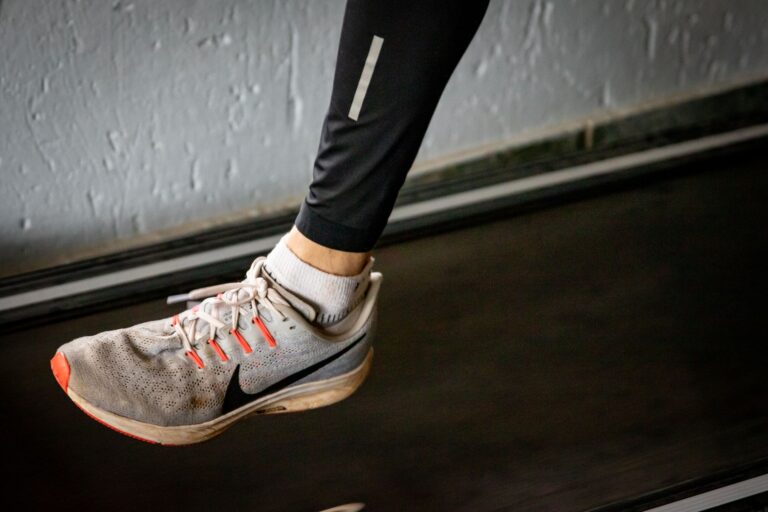
You don’t need a gym membership to stay powerful and strong. Runners in particular can build and maintain serious muscle power, explosive strength, and resilience using bodyweight exercises, resistance bands, and natural objects found around the home or outdoors. The most successful endurance athletes often rely on minimal equipment, training in parks, driveways, and living rooms where they can be consistent without commuting to a facility or paying monthly fees.
A runner maintaining a regular program of push-ups, single-leg squats, hill sprints, and resistance band work will develop the leg power and upper body strength needed for faster racing and injury prevention—sometimes even outpacing those who split time between running and a crowded weight room. The barrier isn’t the equipment; it’s understanding which movements actually transfer to running performance. Many runners assume they need machines and dumbbells to get stronger, but the reality is simpler: progressive bodyweight training, strategic use of gravity and leverage, and targeted explosive movements deliver measurable gains in power output. A runner who consistently practices pistol squats, single-leg deadlifts, and plyometric drills will notice improvements in speed and stride efficiency within weeks.
Table of Contents
- WHAT MAKES BODYWEIGHT TRAINING EFFECTIVE FOR RUNNERS?
- RESISTANCE BANDS AND HOUSEHOLD TOOLS FOR PROGRESSIVE OVERLOAD
- HILL TRAINING AND PLYOMETRICS FOR EXPLOSIVE POWER
- STRUCTURING A HOME STRENGTH ROUTINE FOR RUNNING
- DEALING WITH STRENGTH PLATEAUS AND RECOVERY AT HOME
- RUNNING-SPECIFIC MOVEMENTS THAT BUILD POWER
- ADAPTING YOUR APPROACH OVER TIME AS A RUNNER
- Conclusion
- Frequently Asked Questions
WHAT MAKES BODYWEIGHT TRAINING EFFECTIVE FOR RUNNERS?
Bodyweight exercises create functional strength that directly supports running mechanics. When you perform a single-leg squat or step-up, you’re training the exact muscles that stabilize your stride and propel you forward—glutes, quads, hamstrings, and core working together the way they do during a run. This integrated approach builds power more efficiently than isolated machine work, which often trains muscles in ways that don’t translate to real-world movement patterns. Research from sports science laboratories shows that runners who train with bodyweight circuits improve their leg stiffness and force application faster than those relying solely on traditional strength machines. The progressive overload principle still applies without dumbbells.
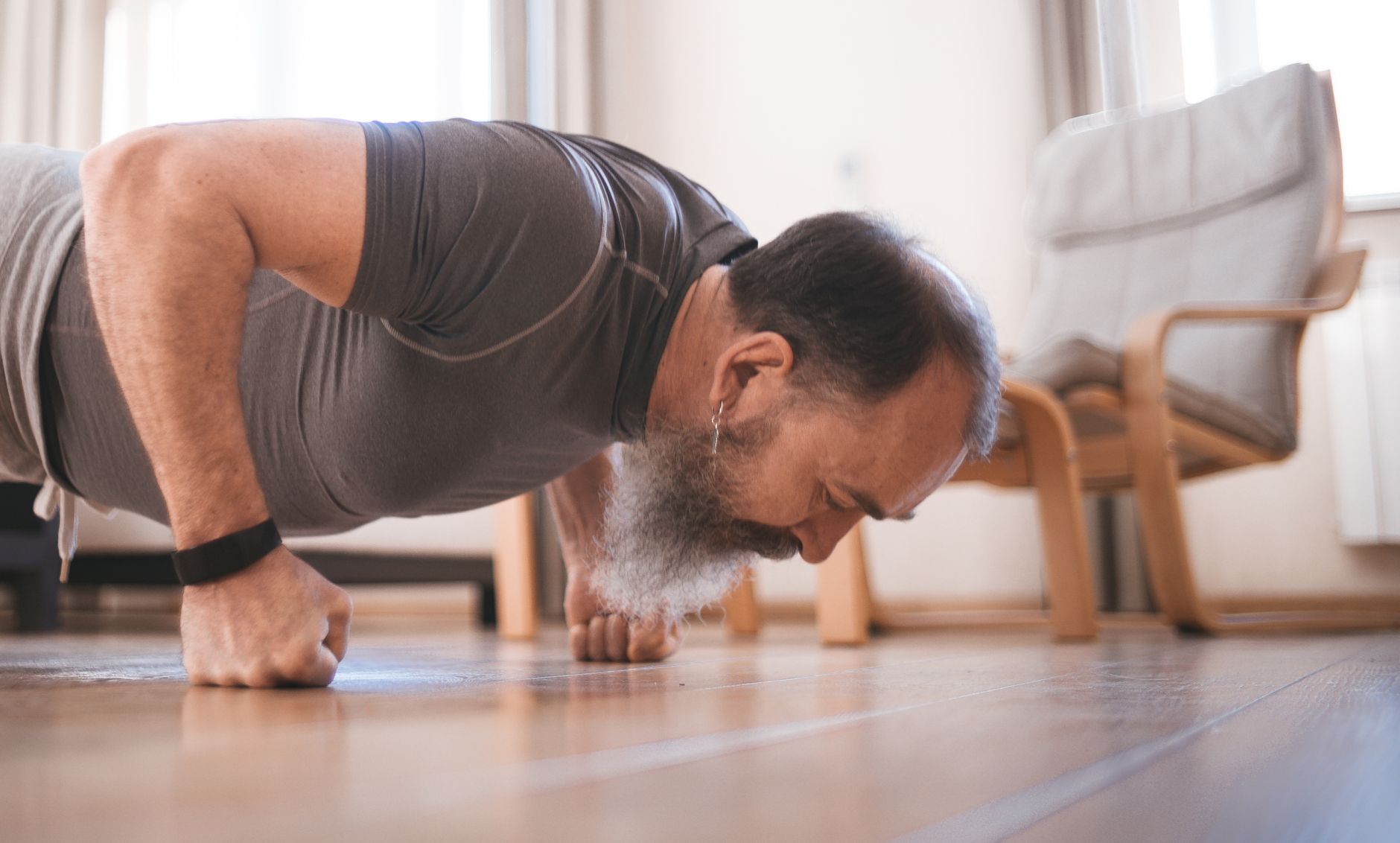
You increase difficulty by changing leverage (moving from knee push-ups to standard push-ups to archer push-ups), adding pause holds, increasing repetitions, slowing the tempo, or moving to more advanced variations. A runner starting with wall push-ups can progress to incline push-ups, then standard push-ups, then decline push-ups over weeks and months. This progression maintains the challenge and prevents plateaus, which is the same mechanism that drives improvement in the gym—just without the equipment cost. One limitation of pure bodyweight training is that it eventually becomes difficult to add significant additional weight and resistance as you gain strength. A runner who becomes very strong might find it challenging to increase leg power further without external load. This is where resistance bands, weighted vests, or running uphill address the gap.
RESISTANCE BANDS AND HOUSEHOLD TOOLS FOR PROGRESSIVE OVERLOAD
Resistance bands are inexpensive, portable, and remarkably effective for building power in the hip and glute muscles critical to running. A set of loop bands in different resistance levels costs between fifteen and thirty dollars and can be used for lateral walks, banded squats, single-leg deadlifts, and explosive hip thrusts. For runners, banded hip thrusts performed with deliberate control build tremendous glute activation and power output—athletes often report noticeable improvements in stride power within weeks of consistent practice. The resistance increases as you stretch the band, creating a resistance curve that actually matches how muscles produce force during running (more resistance at the most powerful point of the movement). Household items and outdoor elements provide additional resistance tools. A full backpack creates load for weighted step-ups or walking lunges.
A bucket filled with water or sand can serve as a dumbbell substitute for single-arm carries or overhead presses. Park benches allow you to perform dips, step-ups, and elevated push-ups. Rivers or beaches provide natural resistance training: sand runs build calf and foot strength, and water running creates significant resistance while being easy on joints. Many runners use a basic pull-up bar installed in a doorway to add upper body strength and core stability. The downside is that very heavy loading becomes impractical with household improvisation. A runner aiming to build maximum strength might struggle to create the equivalent of 225 pounds of load using available household materials. For most runners, however, the loads achievable with bands and creative tools exceed what is actually necessary for running performance and injury prevention.
HILL TRAINING AND PLYOMETRICS FOR EXPLOSIVE POWER
Hill repeats are one of the most underrated strength-building workouts for runners, and they require nothing but terrain. Running uphill at hard effort forces your muscles to produce enormous force against gravity, and the neural adaptations that result transfer directly to flat-ground speed and power. A runner who performs eight to ten repetitions of a two-minute uphill sprint once weekly develops leg power and running economy that often rivals (or exceeds) what can be achieved in a gym. The eccentric loading on the downhill portion also builds resilience in the muscles and connective tissues, which strengthens the tissues in a way that prevents injury. Plyometric exercises—jump squats, single-leg hops, bounding drills, box jumps (using stairs or a sturdy low platform)—train the nervous system to recruit muscle fibers rapidly. This explosive quality is fundamental to running speed and power output.
A runner performing 10 minutes of plyometric drills twice weekly for eight weeks typically shows measurable improvement in running economy and 5K speed. The beauty of plyometrics is that they require almost no equipment; stairs or a low wall are sufficient for most progressions. The warning here is that plyometrics and hill work stress joints and connective tissue significantly. A runner new to these methods must progress carefully to avoid knee or Achilles tendon injuries. Starting with controlled single-leg squats or gentle bounding, then progressing to explosive movements as strength and tissue resilience build, prevents injury and ensures the gains stick. A runner who jumps into intense hill repeats or box jumps without preparation often ends up sidelined.

STRUCTURING A HOME STRENGTH ROUTINE FOR RUNNING
A practical home routine for runners might include two sessions weekly of thirty to forty minutes, performed on non-consecutive days to allow recovery. One session could focus on lower body power: single-leg squats or pistol squat progressions, banded deadlifts, explosive jump squats, and hill or stair repeats. The second session emphasizes upper body and core stability: push-up variations, pull-ups (using a doorway bar), planks and plank progressions, and rotational core work. This balanced approach prevents injury by maintaining upper body and core strength, which stabilizes the spine and prevents common running injuries like lower back pain. The key difference from a gym-based routine is the removal of isolation work.
In a gym, a runner might spend time on hamstring curl machines and leg extension machines. At home without equipment, the runner naturally performs compound movements—movements that involve multiple joints and muscle groups working together. This forces the stabilizer muscles to work harder and builds functional strength faster. A runner performing a single-leg deadlift recruits the entire posterior chain, core, and even the upper back to maintain balance. A comparison: a runner who does thirty minutes of gym-based training (warm-up, three isolation exercises, three sets each) versus thirty minutes of home-based compound work typically experiences faster improvements in running performance and power output from the home program. The compound approach forces greater adaptation in a limited time.
DEALING WITH STRENGTH PLATEAUS AND RECOVERY AT HOME
After eight to twelve weeks of consistent home training, runners often experience a plateau where progress slows. Without the option of simply adding five more pounds to a dumbbell, addressing plateaus requires creative approaches. Changing tempo—performing movements very slowly (a three-second descent on a push-up), pausing at the hardest point of a movement, or performing explosive concentrics followed by controlled eccentrics—dramatically increases difficulty without additional load. Increasing volume (adding more repetitions or sets) and decreasing rest periods between sets are also effective. Some runners add a weighted vest (a one-time purchase around eighty to one hundred fifty dollars) to create load for bodyweight movements. Recovery and consistency matter more at home because the training environment is less regimented.
A runner training in a gym is reminded by the facility’s schedule and culture to rest days; at home, it’s easier to train too frequently or with insufficient recovery. Overtraining without a gym’s external structure leads to fatigue and injury. A practical approach is to track sessions using a simple calendar or phone reminder, ensuring two full rest days weekly and reducing intensity on the days between hard sessions. The limitation is that the convenience of home training can become a liability. A runner with equipment at home might feel tempted to do a little extra work constantly, especially on recovery days. The lack of structure can actually lead to burnout and insufficient rest, which ironically reduces the strength gains compared to a more disciplined gym-based program where separation between the facility and home naturally creates rest periods.

RUNNING-SPECIFIC MOVEMENTS THAT BUILD POWER
Single-leg deadlifts are among the most running-specific strength exercises available because they demand the exact stability and balance required during the support phase of running. Practicing five to eight repetitions per leg, performed with control and focus, builds tremendous power in the glute and hamstring while forcing the core and ankle stabilizers to work hard. The result is not just strength but also improved running stability and reduced risk of common injuries like hip pain and knee issues.
Reverse lunges, sled pushes (if access to a heavy sled exists, or simulated using a broomstick and towel on a smooth floor), and single-leg hops also directly transfer to running power. A runner who practices single-leg hops for distance—attempting to cover ground efficiently on one leg—develops the explosive power and balance that translates immediately to improved running speed. The nervous system learns to recruit muscle fibers in the way running demands.
ADAPTING YOUR APPROACH OVER TIME AS A RUNNER
As a runner becomes stronger and more experienced with home training, the program naturally evolves. Early gains come quickly from consistency and any stimulus; after the first year of dedicated work, progression requires more thoughtfulness. Some runners incorporate interval running (sprints or tempo runs) as the primary power-building stimulus, using home strength sessions as maintenance and injury prevention. Others rotate periodically between eight-week blocks of strength focus (two sessions weekly) and eight-week blocks of running performance focus (one maintenance strength session weekly).
This variety prevents both mental and physical staleness. Looking forward, the combination of home-based strength training and running creates a sustainable approach that doesn’t rely on external facilities or ongoing expenses. As running continues to grow globally, more athletes are discovering that the most powerful runners often train with minimal equipment in local parks, backyards, and living rooms. The trend suggests that gym membership will remain optional for serious runners, especially as online resources and community knowledge about effective home training continue to expand.
Conclusion
Staying powerful without a gym membership is entirely achievable for runners, and in many cases, the training stimulus rivals or exceeds what a gym can provide. Bodyweight progressions, resistance bands, strategic use of hills and stairs, and creative household tools create a complete framework for building strength, power, and resilience. The barrier is rarely the equipment; it’s understanding which movements matter for running and committing to consistent, progressive training. Start with simple bodyweight patterns—push-ups, single-leg squats, and basic planks.
Add hill repeats or plyometric work once weekly. Progress gradually, adding resistance bands or changing leverage as you adapt. Track your workouts and give yourself eight to twelve weeks before assessing results. Most runners find that the simplicity and accessibility of home training makes consistency easier, which ultimately drives the results. The most powerful runners aren’t always the ones with the most equipment.
Frequently Asked Questions
How often should I do strength training if I’m also running regularly?
Two strength sessions weekly (non-consecutive days) is appropriate for most runners. Keep sessions between thirty and forty minutes. On other days, focus on easy-paced runs or complete rest days to allow adaptation and recovery.
Can I really build significant strength using just bodyweight?
Yes, especially in the first year of consistent training. Your body will adapt to progressive challenges in leverage and tempo. After twelve to eighteen months, progression may slow without external load like bands or weighted vests, but you’ll have already built substantial strength and power by that point.
What if I don’t have access to hills for hill repeats?
Stairs, bleachers, or steep gradients (even a short driveway repeated multiple times) work. Alternatively, perform plyometric exercises indoors—jump squats, bounding drills, and single-leg hops provide similar neural stimulus and power development without terrain.
Do I need a pull-up bar?
A pull-up bar is helpful but not essential. Focus primarily on lower body and core work, which drives running performance. Upper body strength helps with stability and injury prevention, but it’s secondary to leg power for runners.
How do I know if I’m getting stronger if I can’t track weight increases?
Track repetitions, sets, tempo (slow movements down significantly), and how the exercise feels. Progression might look like: five pistol squat attempts in week one, eight in week four. Or: performing a push-up movement three seconds down, one second up (very slow) adds difficulty. Also monitor your running itself—faster pace at the same effort, or improved speed in repeats, suggests strength is transferring.
What’s the most important exercise for a runner building strength at home?
Single-leg squats or pistol squat progressions are probably most valuable because they combine strength, balance, stability, and direct running carryover in one movement. Pair that with explosive power work (plyometrics or hill repeats) and upper body maintenance, and you have a complete program.