Yes, strong legs directly extend your lifespan. Research consistently shows that people with greater leg strength live longer, with studies indicating that each kilogram of additional leg muscle mass correlates with a measurable decrease in all-cause mortality risk. The mechanism is straightforward: your leg muscles—the largest muscle groups in your body—drive your metabolism, regulate blood sugar, support cardiovascular health, and maintain the functional ability you need to stay active as you age. A 65-year-old runner with powerful quadriceps and glutes has fundamentally different health outcomes than a 65-year-old who has lost muscle mass to sedentary living. Consider the case of a sedentary office worker who reaches 50 without meaningful leg training.
Their muscles have atrophied to maybe 70 percent of what they could be, their resting metabolic rate has declined, and their body has become insulin-resistant. Within a decade, they face an elevated risk of heart disease, diabetes, and mobility loss. A runner of the same age who has consistently trained legs shows the opposite profile: metabolically active leg muscle mass, insulin sensitivity, strong capillary networks supporting oxygen delivery, and the functional strength to keep running and moving into their 80s and beyond. The relationship between leg strength and longevity isn’t theoretical or marginal. It’s one of the strongest non-smoking, non-genetic predictors of how long you’ll live.
Table of Contents
- Why Do Leg Muscles Drive Longevity More Than Other Muscle Groups?
- Muscle Loss and Aging—The Hidden Threat Most People Ignore
- The Mortality Risk Connection—How Leg Strength Predicts How Long You Live
- How to Build Leg Strength—Practical Methods for Runners and Everyday People
- Overtraining, Injury, and Age-Related Considerations
- Nutrition and Recovery—The Often-Neglected Half of Leg Strength
- Looking Forward—The Future of Longevity and Leg Strength Research
- Conclusion
- Frequently Asked Questions
Why Do Leg Muscles Drive Longevity More Than Other Muscle Groups?
Your legs contain some of the largest and most metabolically active muscles in your body. The quadriceps, hamstrings, glutes, and calf muscles together represent roughly half of your total muscle mass. When you maintain these muscles through strength training, you’re essentially keeping a powerful metabolic engine running at rest. This matters because metabolic rate directly affects aging—people with higher resting metabolic rates tend to have healthier weight profiles, better blood sugar control, and lower inflammation markers, all of which predict longer lifespans. Beyond metabolism, leg strength is tied directly to functional independence. Studies of aging populations show that people who can rise from a chair without using their arms, walk quickly, and climb stairs live significantly longer than those who cannot.
This isn’t because leg strength magically prevents disease; it’s because leg strength enables the physical activity and movement patterns that keep your cardiovascular system, joints, and neurological systems healthy. A 70-year-old who can still run maintains aerobic fitness, bone density, and the mental health benefits of exercise. A 70-year-old who has lost leg strength often enters a downward spiral: less movement leads to more muscle loss, which leads to less movement. There’s also a vascular component. Training your legs, especially through running and resistance work, builds capillaries and improves blood flow throughout your entire body. Better circulation supports brain health, organ function, and wound healing—all connected to longevity.

Muscle Loss and Aging—The Hidden Threat Most People Ignore
Starting around age 30, most sedentary adults lose between 3 and 8 percent of their muscle mass per decade. This accelerates after 60. The process, called sarcopenia, doesn’t just make you weaker—it fundamentally rewires your metabolism and increases your risk of disease. A person who loses leg muscle mass will gain fat mass even if their total weight stays the same, because fat tissue burns far fewer calories at rest. This metabolic slowdown contributes to insulin resistance, which increases diabetes and heart disease risk. The warning here is that leg muscle loss is often invisible until it’s severe.
You might not notice you’re losing leg strength until you can’t get up from a low chair, or you feel winded walking up stairs. By that point, you may have already lost 20-30 percent of your peak muscle mass. The good news is that this process is reversible at almost any age. Studies show that people in their 70s and 80s who start strength training can regain lost muscle within weeks to months. One limitation to understand: not all leg training prevents muscle loss equally. High-repetition, low-resistance work (like very light walking) maintains some muscle but doesn’t trigger the growth signals needed to counteract age-related loss. Progressive resistance—whether through running hills, resistance training, or plyometrics—is required to maintain and build muscle as you age.
The Mortality Risk Connection—How Leg Strength Predicts How Long You Live
Large prospective studies have found that handgrip strength and leg strength are among the strongest predictors of mortality risk independent of other factors like BMI or fitness level. One landmark study following over 140,000 people found that people in the top quartile for leg strength had roughly half the all-cause mortality risk of those in the bottom quartile, even after adjusting for age, sex, and fitness level. The explanation involves multiple pathways. Strong legs enable you to stay active, which prevents cardiovascular disease, maintains bone density, and protects against falls and injuries that often trigger sharp declines in older adults.
Strong legs also indicate an active lifestyle and good metabolic health. People with weak legs often have metabolic dysfunction—insulin resistance, inflammation, poor blood sugar control—that predicts everything from heart disease to cancer risk. A comparison worth considering: two 60-year-old men with identical BMI, cholesterol, and blood pressure have very different risks if one can perform a single-leg squat and the other cannot. The person with leg strength likely has better glucose control, lower inflammation, and fewer atherosclerotic plaques, even if standard blood tests look similar.

How to Build Leg Strength—Practical Methods for Runners and Everyday People
Running builds leg strength, but not comprehensively. Running primarily trains the aerobic capacity and fatigue resistance of your legs, but it doesn’t fully develop maximal strength in the way that resistance training does. For longevity benefits, the strongest approach combines running with targeted strength work: squats, lunges, step-ups, and calf raises, ideally performed 2-3 times per week. For runners specifically, hill repeats offer an elegant solution because they combine aerobic stimulus with strength demand. A runner who does one session per week of hill repeats or tempo runs on incline will see improvements in leg strength over time.
But the most efficient path involves dedicated strength sessions. Even 20-30 minutes of focused leg resistance work twice weekly produces measurable increases in muscle mass and strength within 8 weeks. The tradeoff to understand is that strength training takes time and effort outside of running. Many runners view this as a distraction from their primary sport. However, runners who skip strength work often experience plateaus in performance, higher injury rates, and faster strength decline after age 50. Adding one focused strength session per week is a practical investment that improves both running performance and longevity.
Overtraining, Injury, and Age-Related Considerations
A common mistake is believing that more training automatically produces better longevity outcomes. This isn’t true. Excessive training without adequate recovery can increase inflammation, impair immune function, and paradoxically accelerate aging. A 50-year-old who runs 70 miles per week without strength training or recovery may experience greater joint wear and higher injury rates than a 50-year-old who runs 30 miles per week with two dedicated strength sessions. The warning here is specific to aging runners: intensity and volume need to be managed carefully. Studies show that moderate to vigorous exercise produces longevity benefits, but extreme endurance training—like ultra-marathoning without adequate recovery—may have neutral or negative effects on lifespan.
This doesn’t mean don’t train hard; it means train smart. Periodization, adequate recovery, and balanced training (including strength work) become increasingly important after age 40. Injuries also matter significantly. A runner who develops chronic knee pain from imbalanced leg strength and continues training without addressing the underlying weakness will suffer long-term consequences. Weak hamstrings relative to quadriceps, weak glutes relative to quadriceps, or weak calf muscles create injury risks that sideline you and interrupt the consistency needed for longevity benefits. Addressing these imbalances through targeted strength work is a crucial injury-prevention and longevity strategy.
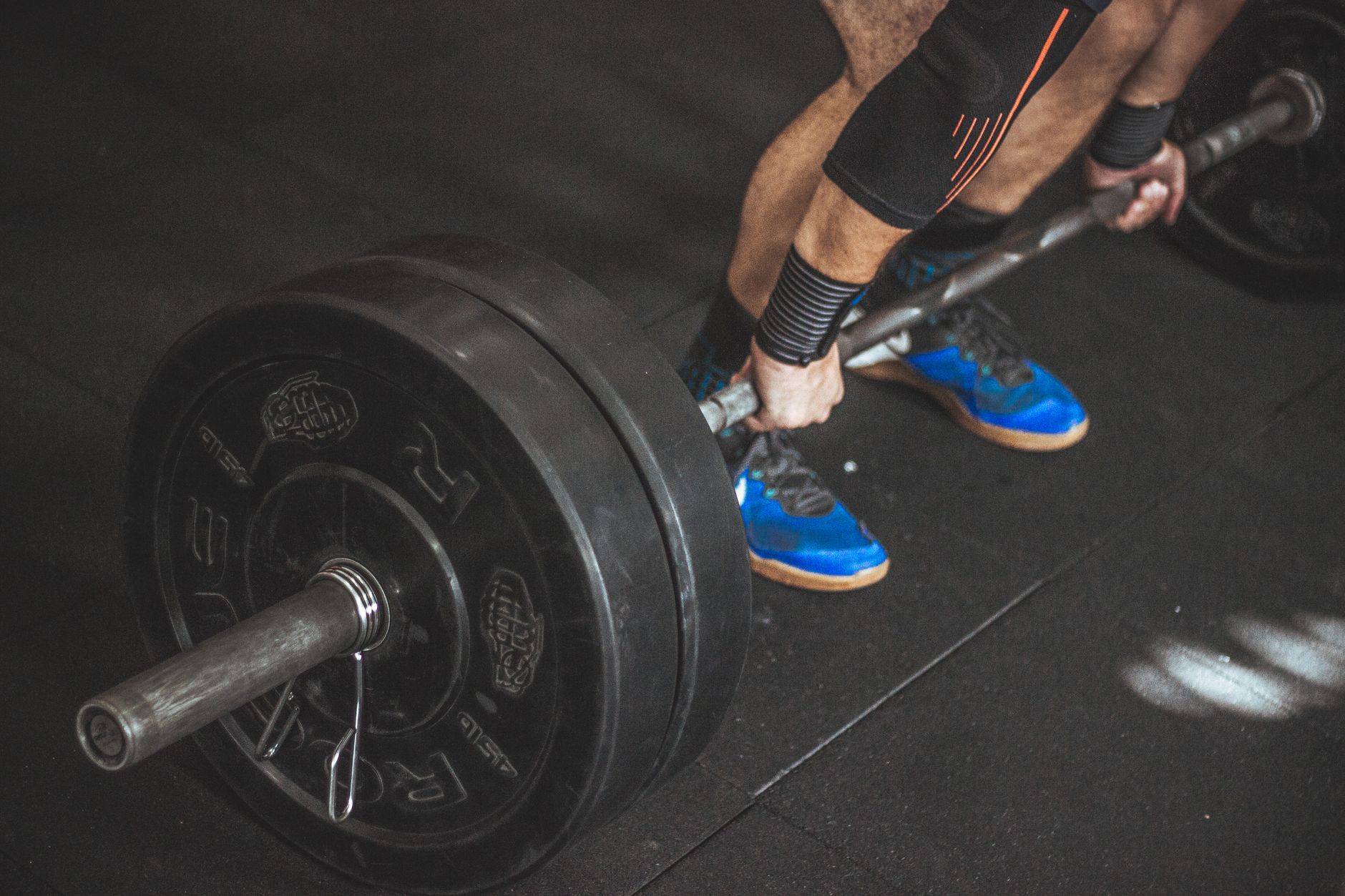
Nutrition and Recovery—The Often-Neglected Half of Leg Strength
Building and maintaining leg muscle requires adequate protein intake. Many runners, especially older runners, consume insufficient protein to support muscle maintenance and adaptation. A general guideline is 1.2-1.6 grams of protein per kilogram of body weight daily, higher if you’re doing intense strength work. For a 70-kilogram person, that’s 84-112 grams daily—more than many casual runners consume.
Recovery also matters. Leg muscle is built during rest, not during training. A runner who trains hard but sleeps only 5-6 hours nightly and is chronically stressed will not build or maintain leg muscle effectively, no matter how hard they train. Eight hours of sleep, appropriate rest days between hard efforts, and stress management are as important to longevity as the training itself.
Looking Forward—The Future of Longevity and Leg Strength Research
Emerging research is exploring how specific patterns of leg training at different life stages influence aging trajectories. One promising area involves “neuromuscular training”—exercises designed to maintain not just muscle size but also the neural connections that control movement quality and power. This becomes increasingly important after age 60, when preserving power (not just strength) predicts better mobility and reduced fall risk.
Another trend is the growing recognition that longevity is a long-term project, not a year-long fitness goal. People who maintain moderate to vigorous leg training from age 40 onward show dramatically different health trajectories at 70 and 80 compared to people who stop training at 50 or 55. The payoff for consistency becomes clear in the later decades of life.
Conclusion
Strong legs don’t just make you faster or more athletic; they literally extend your life. The correlation between leg strength and longevity is among the strongest health predictors we have, independent of weight, genetics, or standard risk factors. Whether you’re a runner or a person looking to live longer, the message is clear: prioritize your leg strength through consistent training, adequate recovery, and good nutrition. Starting is straightforward.
If you run, add one hill session or strength session per week. If you’re not currently exercising, begin with basic leg movements—squats, lunges, or hill walking—for 20-30 minutes twice weekly. It doesn’t require a gym or expensive equipment. What matters is consistency over months and years. Your 70-year-old self will thank you for the decade of steady leg training that keeps you strong, independent, and alive longer.
Frequently Asked Questions
Is running alone enough to build longevity-supporting leg strength?
Running builds aerobic capacity and some strength, but research shows that adding dedicated resistance work produces greater longevity benefits. Hill running or tempo work on incline helps, but 1-2 sessions of targeted strength training weekly is optimal.
Can you build leg muscle at 60, 70, or 80?
Yes. Studies show that people in their 70s and 80s can gain significant muscle mass within 8-12 weeks of consistent strength training. It’s never too late, though consistency and patience become more important.
Do you need a gym to build leg strength?
No. Bodyweight exercises (squats, lunges, step-ups), resistance bands, or outdoor hill training are effective. A gym is convenient but not necessary.
How much leg strength is needed for longevity benefits?
Research suggests that being in the top 50 percent of leg strength for your age and sex produces substantial longevity benefits compared to the bottom 50 percent. You don’t need to be an athlete; you need to maintain muscle above the age-related average.
Does age affect how quickly you build leg strength?
Yes. A 25-year-old might build noticeable muscle in 4 weeks; a 65-year-old might need 8-12 weeks. But the process works at all ages; it just requires more patience and consistency.
What’s the best type of leg training for runners?
For runners specifically, combining easy running with one speed/strength session (hill repeats, tempo runs on incline) and one dedicated strength session (squats, lunges, plyometrics) weekly produces the best balance of performance and longevity benefits.