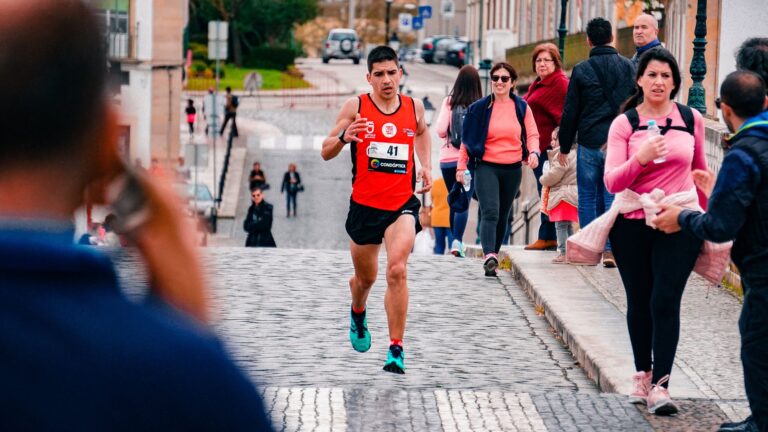
Hiking, running, and cycling build functional strength by engaging stabilizer muscles, improving muscular endurance, and training your body to move efficiently against real-world resistance. Unlike isolated weightlifting exercises that target single muscle groups, these three activities demand coordination across your entire kinetic chain—your core, legs, glutes, and upper body all work together to propel you forward, maintain balance, and sustain effort over time. A runner pushing up a steep hill, for instance, isn’t just using quadriceps; they’re recruiting glutes, hamstrings, hip flexors, calves, and core muscles in a coordinated sequence that translates directly to climbing stairs, walking on uneven terrain, or simply standing upright with better posture throughout the day.
Functional strength differs from the raw power you build in the gym. It’s the kind of strength that makes everyday tasks easier—carrying groceries, moving furniture, playing with kids, or hiking without soreness the next day. When you run, cycle, or hike regularly, your muscles adapt not just to get bigger but to work as an integrated system. This adaptation happens through repeated, dynamic movement patterns that train neuromuscular efficiency, metabolic resilience, and joint stability in ways that typical strength training alone cannot replicate.
Table of Contents
- What Types of Strength Do These Activities Actually Build?
- How These Activities Strengthen Core and Lower Body More Than You Realize
- The Cardiovascular Engine as a Foundation for Muscular Endurance
- Building Sport-Specific Strength Through the Demands of Terrain and Distance
- The Risk of Overuse Injuries and the Importance of Progressive Training
- Translating Endurance Activity Strength to Everyday Tasks and Longevity
- Layering Strength Training With Endurance Activity for Comprehensive Functional Strength
- Conclusion
What Types of Strength Do These Activities Actually Build?
Running, hiking, and cycling primarily develop muscular endurance and dynamic stability rather than pure strength or muscle mass. Muscular endurance is your muscles’ ability to sustain repeated contractions over time, which is exactly what happens when you run five miles or climb a long hill. This differs from the maximum force you can exert in a single effort—say, lifting the heaviest weight possible one time. When you run, your muscles fire hundreds of times per mile, and this repetition trains the slow-twitch muscle fibers that are built for sustained effort.
A cyclist pedaling for two hours is essentially performing thousands of low-to-moderate resistance repetitions, each one engaging the quadriceps, hamstrings, glutes, and calves in a coordinated pattern. Dynamic stability is another crucial component. Unlike sitting on a weight bench, where you’re supported and only moving in one plane of motion, running requires your muscles to stabilize your body against gravity, impact, and the constant micro-adjustments needed to stay balanced. Your ankle stabilizers, knee stabilizers, and core muscles work continuously to keep you upright and moving efficiently. Hikers experience this dramatically when navigating rocky, uneven terrain—your feet and ankles must constantly adjust to the surface beneath you, which strengthens not only the large muscles of the leg but also the smaller intrinsic foot muscles that most people never consciously train.

How These Activities Strengthen Core and Lower Body More Than You Realize
The core is far more than the rectus abdominis—those six-pack muscles you see in fitness ads. Your core includes your transverse abdominis, obliques, erector spinae, diaphragm, and pelvic floor muscles. All three activities engage the core intensely. During running, your core stabilizes your torso against rotational forces and prevents excessive side-to-side movement. During cycling, your core maintains a stable platform so your legs can drive power into the pedals without wasting energy. During hiking, especially on steep terrain, your core resists the forward tilt of your upper body and supports your spine against the impact of each step downhill. A common misconception is that cyclists don’t build leg strength because cycling looks less intense than running.
In reality, cycling develops exceptional quadriceps endurance and power, particularly in the sustained effort and force production required for climbing hills. A runner focusing primarily on flat road running, by contrast, may under-develop their hip abductors and external rotators compared to a hiker who tackles varied terrain. This matters because weak hip stabilizers are a known risk factor for knee pain and IT band syndrome. Hikers build these stabilizers naturally because rocky, rooted, and uneven ground demands constant hip adjustments. However, there’s a limitation worth understanding: none of these activities alone builds maximum strength in the way progressive resistance training does. A runner and a weightlifter performing a single-leg squat will likely find the weightlifter can go lower and produce more force. Running, hiking, and cycling build functional strength within the movement patterns of those activities, but if your goal includes the ability to perform heavy, unilateral movements, you’ll need supplementary strength training.
The Cardiovascular Engine as a Foundation for Muscular Endurance
Functional strength requires adequate blood flow to working muscles, and that depends on cardiovascular fitness. Running, cycling, and hiking improve your aerobic capacity—your heart’s ability to pump oxygen-rich blood to muscles, and your muscles’ ability to extract and use that oxygen efficiently. This means your muscles can sustain effort longer before fatigue sets in. A hiker with excellent aerobic fitness can climb steep terrain without her legs burning and her form deteriorating.
A runner with poor aerobic fitness may rely on muscular strength alone, which fatigues quickly and often leads to compensatory movement patterns and injury. Over weeks and months, your body adapts to these activities by increasing mitochondrial density in muscle cells, expanding capillary networks, and increasing the concentration of aerobic enzymes. These changes mean your muscles become more resistant to fatigue and better equipped to sustain effort. The synergy between aerobic fitness and muscular endurance is why a dedicated trail runner often demonstrates superior functional strength compared to someone who only strength trains in a gym—the endurance component ensures that strength is delivered reliably even as fatigue accumulates.

Building Sport-Specific Strength Through the Demands of Terrain and Distance
The terrain you choose shapes the specific strength adaptations your body makes. Road running emphasizes forward propulsion and rhythm, building significant hip flexor and quadriceps endurance. Trail running demands ankle stability, eccentric strength (resisting gravity going downhill), and lateral stability, all of which develop more robustly on uneven ground. Cycling, particularly mountain biking, emphasizes sustained power production and explosive force for climbing, while road cycling builds aerobic capacity and sustained endurance. Hiking combines the impact absorption of trail running with the sustained effort component of cycling, making it a comprehensive functional strength builder.
A practical comparison: a person who runs five miles on pavement weekly will develop running-specific functional strength. That same person who hikes five miles on a trail weekly will develop more comprehensive lower-body stability, stronger intrinsic foot muscles, and better proprioception—the awareness of your body’s position in space. The hiker may initially run slower on flat ground because hiking hasn’t specifically trained the hip flexor speed required for running cadence. This illustrates that while all three activities build functional strength, they’re not interchangeable. Choose or combine them based on which movement qualities matter most for your daily life and goals.
The Risk of Overuse Injuries and the Importance of Progressive Training
Running, cycling, and hiking build strength through repetitive movement, which means they carry inherent risk of overuse injury. Runner’s knee, IT band syndrome, shin splints, and plantar fasciitis are common among endurance athletes who increase mileage too quickly or fail to strengthen accessory muscles. A common mistake is assuming that functional strength from running translates to unlimited running capacity. In reality, connective tissue adapts more slowly than muscles do. Tendons and ligaments may take months to strengthen to the degree that muscles can demand, which is why a runner who doubles their weekly mileage in two weeks often gets injured despite their muscles being ready.
To build functional strength safely, progression should be gradual. A practical guideline is increasing weekly mileage or volume by no more than ten percent per week, and including at least one rest day or cross-training day weekly. Hiking and cycling can serve as low-impact recovery workouts for runners, and running can serve as a higher-intensity complement to cycling. However, if you’re new to any of these activities, starting slowly is critical. An hour-long hike on steep terrain can leave a sedentary person severely sore, not because they’ve gained functional strength but because their muscles and connective tissue weren’t prepared for the demand.

Translating Endurance Activity Strength to Everyday Tasks and Longevity
The functional strength built through running, hiking, and cycling transfers to everyday life in tangible ways. Studies on aging populations show that people who maintain regular endurance activity have better balance, greater bone density, and lower fall risk compared to sedentary peers. A 65-year-old who hikes weekly is markedly more capable on stairs, uneven ground, and daily walking than a sedentary person of the same age who hits the gym twice weekly focusing on traditional strength exercises. The consistent demand placed on stabilizer muscles through endurance activity keeps them engaged and responsive.
Bone density is another often-overlooked benefit. Running and hiking create impact forces that stimulate bone remodeling and maintenance, particularly in the spine and lower extremities. Cycling, being non-impact, doesn’t provide this stimulus as effectively. This is why cyclists often benefit from supplementary impact activity or strength training to maintain bone density, while runners and hikers naturally maintain it through their sport.
Layering Strength Training With Endurance Activity for Comprehensive Functional Strength
While running, hiking, and cycling build functional strength independently, combining them with targeted strength training creates more comprehensive adaptation. A runner who adds single-leg exercises, glute bridges, and planks develops balanced leg strength that reduces injury risk and improves running economy. A cyclist who includes squats and deadlifts builds maximum strength that translates to more powerful climbing.
A hiker who adds calf raises and ankle stability work further bulletproofs their feet and ankles against injury on technical terrain. The future of functional fitness likely lies in integrated approaches that combine endurance activity—for its cardiovascular benefits and real-world movement demands—with targeted strength work that addresses gaps and prevents injury. This isn’t “doing it all”; it’s being strategic about how each component enhances the others.
Conclusion
Hiking, running, and cycling build genuine functional strength through the simple mechanism of repeated, coordinated movement against real-world demands. They strengthen stabilizer muscles, improve muscular endurance, and train your body to move efficiently in ways that translate directly to everyday capability and longevity. The strength you build is not the maximal strength of a powerlifter, but it’s the kind of strength that lets you enjoy life—climbing hills without pain, playing with children without soreness, and aging with the physical capacity to remain independent and active.
Starting or expanding any of these activities should be done with progression in mind, respecting the gradual adaptation of connective tissue, and considering how each activity complements your larger fitness picture. Whether you run, hike, cycle, or combine them, consistency over weeks and months delivers tangible, transferable strength. The bar for entry is low—a trail requires no membership, a bike is cheaper than most gym contracts, and running requires only shoes—which is precisely why these activities have built functional strength in humans across cultures and generations.